
Service
Air Polishing in Irvine, CA
A stream of air, water, and dental powder removes suitable soft deposits and surface stains as part of your cleaning plan.
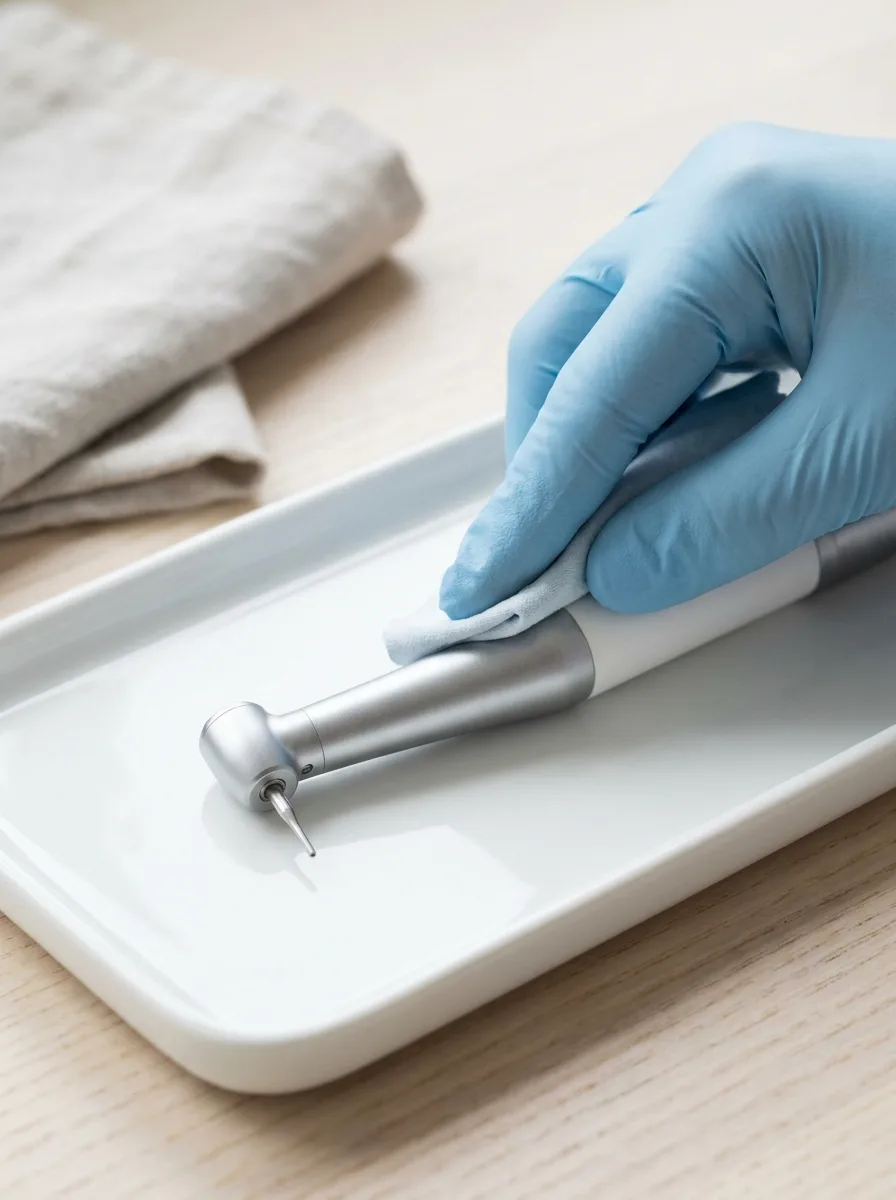
What You Need to Know
Air polishing uses a controlled stream of air, water, and a fine dental powder to remove suitable surface stains and plaque. It may be used as part of professional cleaning. The technique is different from tooth whitening and does not change the underlying natural color of enamel.
Air polishing directs a controlled mixture of air, water, and dental powder at suitable surfaces. The stream disrupts soft plaque and removes selected external stains. It is different from ultrasonic scaling, which removes hard deposits with a vibrating instrument. A cleaning appointment may use both methods for different reasons rather than treating them as substitutes.
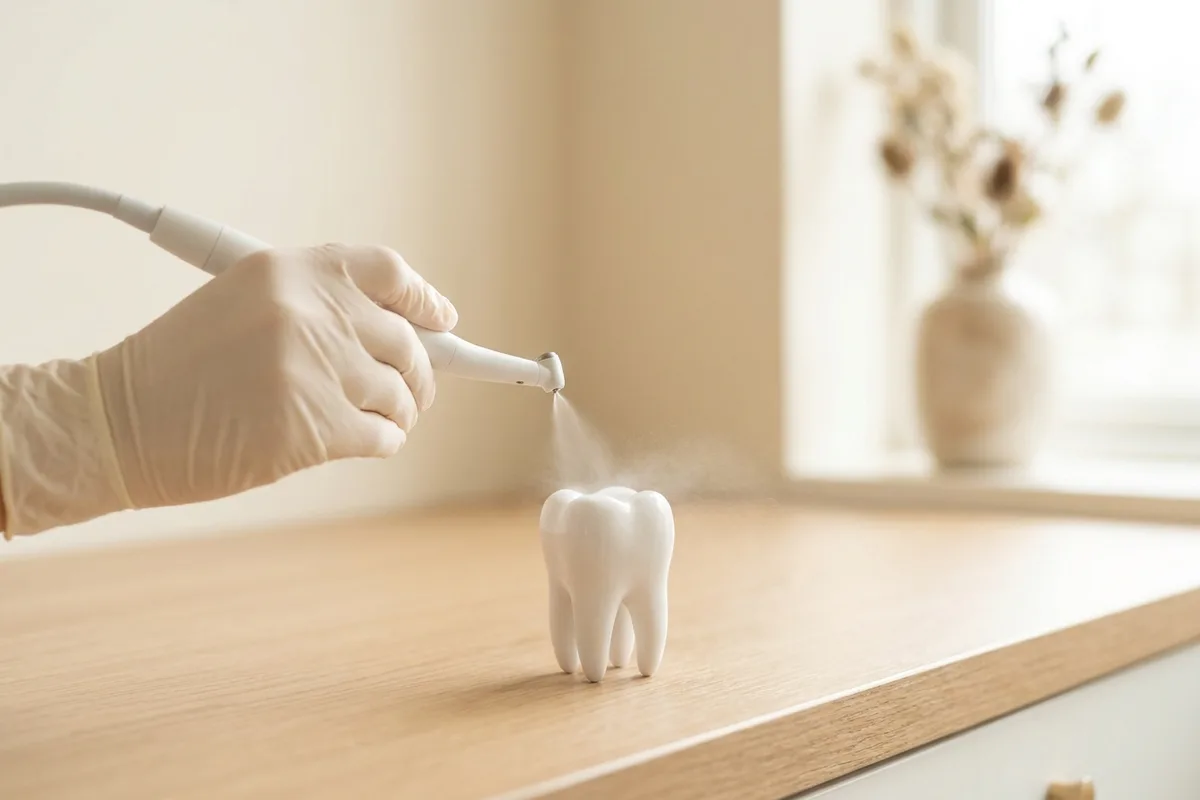
Why Air Polishing May Be Helpful
Plaque and stains can collect in grooves, around appliances, and in areas that are difficult to reach at home. Air polishing offers another way to clean selected surfaces. Hardened tartar still requires appropriate scaling, so air polishing may complement other instruments rather than replace the entire cleaning appointment.
Stains from everyday exposures can remain on areas that brushing does not reach well. Removing them may improve surface appearance and make plaque control easier. Air polishing does not bleach the underlying tooth color. It also does not remove every type of deposit, repair a cavity, or treat advanced gum disease by itself.
- External staining in grooves that remain awkward to brush.
- Soft deposits around areas that need a carefully selected technique.
- Visible stain remaining after harder deposits have been assessed.
Concerns to Discuss
Tell us about sensitive teeth, gum discomfort, existing restorations, implants, and any medical condition or allergy that could affect the choice of powder or technique. A stained tooth may need evaluation for causes beyond surface deposits. We choose an approach based on health and suitability, not appearance alone.
Tell the team about sensitive roots, dental implants, restorations, breathing conditions, and relevant allergies or dietary restrictions. Powders differ, and the clinician needs to select a suitable material and technique. Whether treatment belongs above or below the gumline depends on the equipment, powder, and clinical need. Not every air-polishing method suits every surface.
- Tell the team about relevant powder ingredients or allergies.
- Point out exposed roots that are sensitive to spraying.
- Identify implant components and restorations before the method is chosen.
When It Is Considered
Air polishing can be discussed during a cleaning or maintenance visit when plaque or surface stains warrant it. It is not a separate requirement for every patient. The timing of future appointments depends on your gum health and overall risk rather than how quickly visible stains return.
Air polishing is selected during assessment rather than automatically added at a fixed interval. Your plaque pattern, stain, gum condition, and restoration materials guide the choice. If a tooth is painful or loose, the dentist should assess the cause first. Improving the appearance of a surface should not delay diagnosis of an underlying problem.
The Evaluation Process
We check the gums, tooth surfaces, and dental work, and review your health history before selecting a cleaning method. The powder and equipment must be suitable for the areas being treated. We also identify deposits that need scaling and any signs of decay or gum disease requiring additional care.
The clinician checks where stains and soft deposits are present, where tartar needs scaling, and which surfaces need protection. This includes exposed roots and the edges of restorations. They may choose a gentler approach for a sensitive area or use another instrument. Explain any discomfort during the procedure so they can adapt the technique.
At Nova, the choice of air polishing starts with the condition of your gums, deposits, and existing dental work. We look at why plaque collects and how you can manage it between visits.
- Match the powder and nozzle to the intended surface.
- Check which deposits require scaling rather than powder polishing.
- Confirm whether the proposed technique suits the gum location.
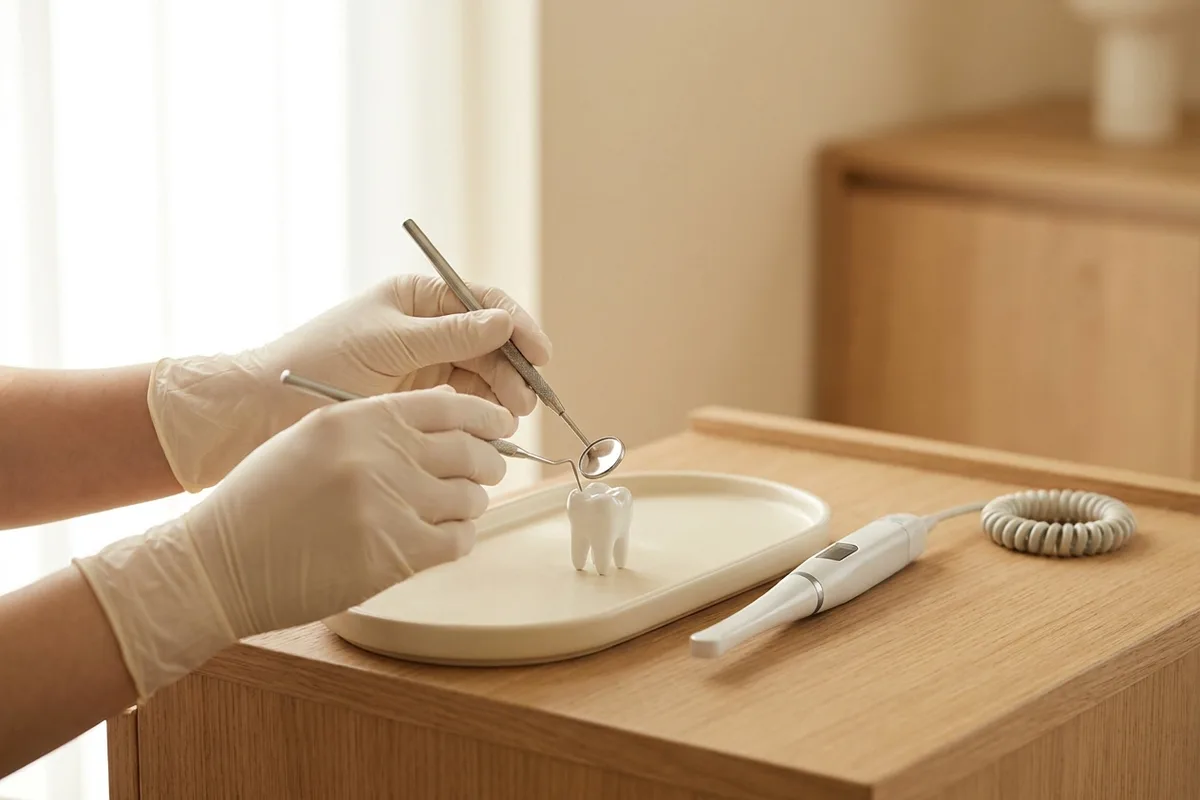
What to Expect During Treatment
The team directs the spray at selected surfaces while suction helps manage water and powder. You may notice the taste or feel of the spray.
Let us know about sensitivity so we can adjust the approach. Other cleaning instruments may be used during the same appointment.
During treatment, suction controls water and powder around the area. You may notice the spray and a temporary taste from the selected powder. The clinician directs the stream for the intended site and avoids unsuitable areas. Other cleaning steps can follow as needed. The aim is targeted plaque and stain removal with attention to the surrounding tissues.
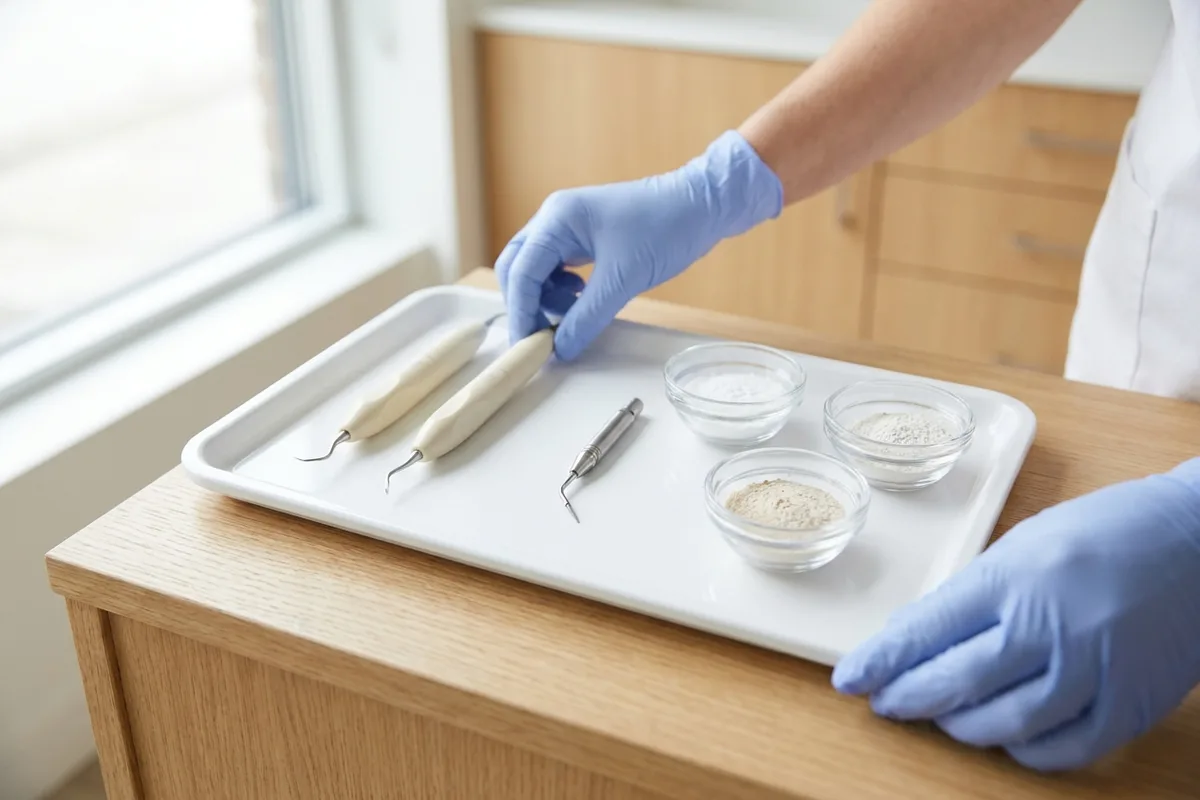
After Air Polishing
Your teeth may feel smoother and some surface stains may be reduced. Continue brushing and cleaning between teeth because plaque forms again over time.
If whitening is your goal, discuss it as a separate treatment. Persistent tenderness or sensitivity after cleaning should be reported so we can assess the cause.
A polished surface can stain again because the procedure does not change daily exposures or the tooth's natural color. Continue your normal preventive routine and discuss how to clean the areas that collect plaque. If sensitivity or irritation persists, ask for a review. Whitening, when suitable, requires a separate discussion about the cause of discoloration.
- Explain if one surface remains unusually sensitive after treatment.
- Ask how to clean the areas where stain collects.
- Discuss tooth color separately from removal of external deposits.
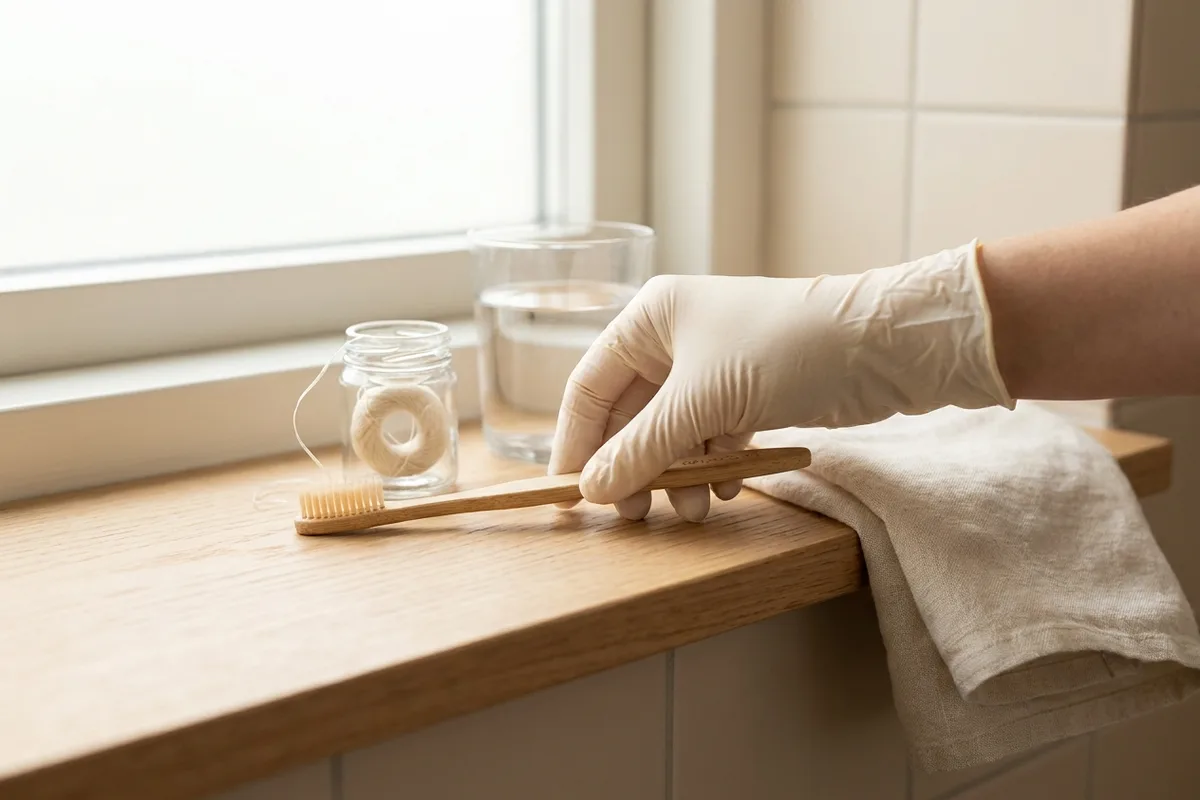
Your Air-Polishing Treatment
The clinician selects air polishing for particular deposits and surfaces. Other cleaning methods may be used during the same course of care.
- 1
Assess deposits and surfaces
The team identifies stain, soft plaque, hard deposits, sensitive roots, and restorations before deciding which areas suit the proposed method.
- 2
Use the selected polishing system
The clinician directs an appropriate powder stream at suitable surfaces with suction and adapts the approach if you experience discomfort.
- 3
Check comfort and home access
The team reviews the cleaned areas and explains ongoing plaque control. Persistent irritation or sensitivity should be reported for assessment.
Services
Other treatments we offer
Make your Nova smile a reality.
Join our family of happy, healthy smiles today and experience the Nova Smile difference!
Questions, answered
About us
Why patients choose Nova Dental Studio
At Nova Dental Studio in Irvine, Dr. Nova Li addresses your immediate concern first. Before broader treatment planning, she assesses joint stability, muscle function, and jaw movement to decide the sequence of care.
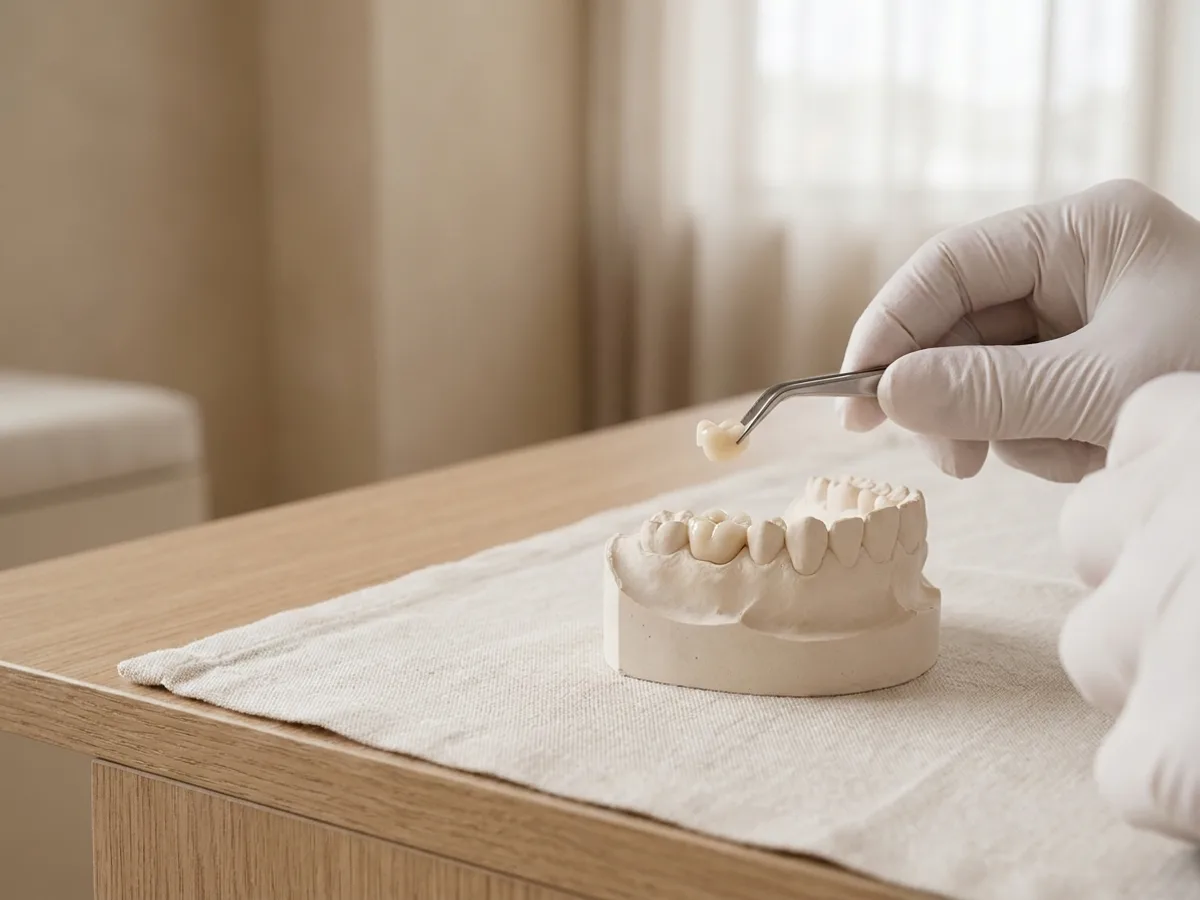
Preserve what is healthy
We consider conservative options and the reasons behind damage before recommending how to repair a tooth.
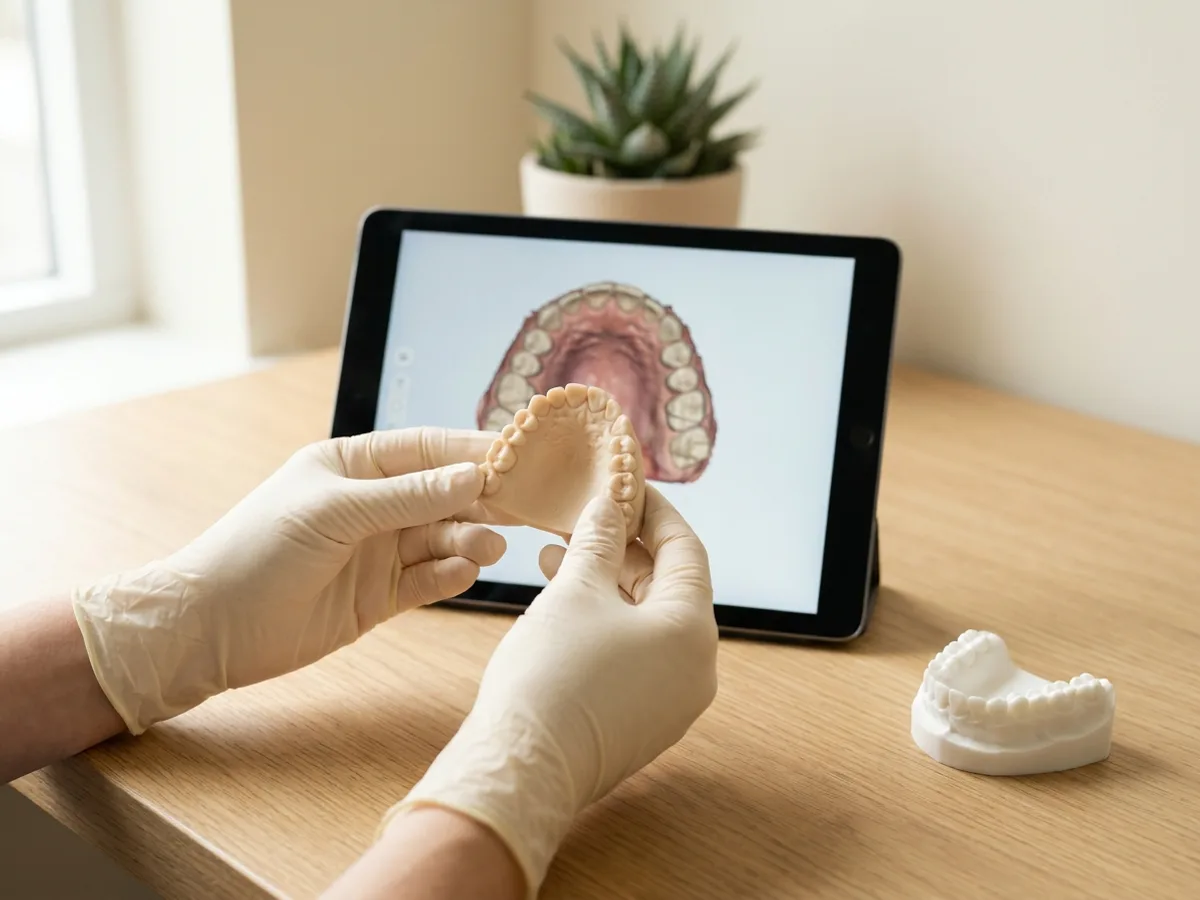
Joint stability first
Dr. Li assesses joint stability and jaw movement before broader restorative, cosmetic, or Invisalign planning. Joint concerns that need care guide what comes first.
Start with your concerns
We explain the immediate priority, the wider picture, and the options that fit your goals.
Nova Dental Studio Proudly Holds Active Memberships





Visit us
We're waiting for you in Irvine
Find our office on the third floor right next to the elevators!
113 Waterworks Way Ste. 335
Irvine, CA 92618
- Mon–Fri
- 9:00AM – 5:00PM
- Sat–Sun
- Closed