
Service
Fluoride Treatments in Irvine, CA
Preventive support based on your enamel, cavity risk, and the factors behind recurring decay.
What You Need to Know
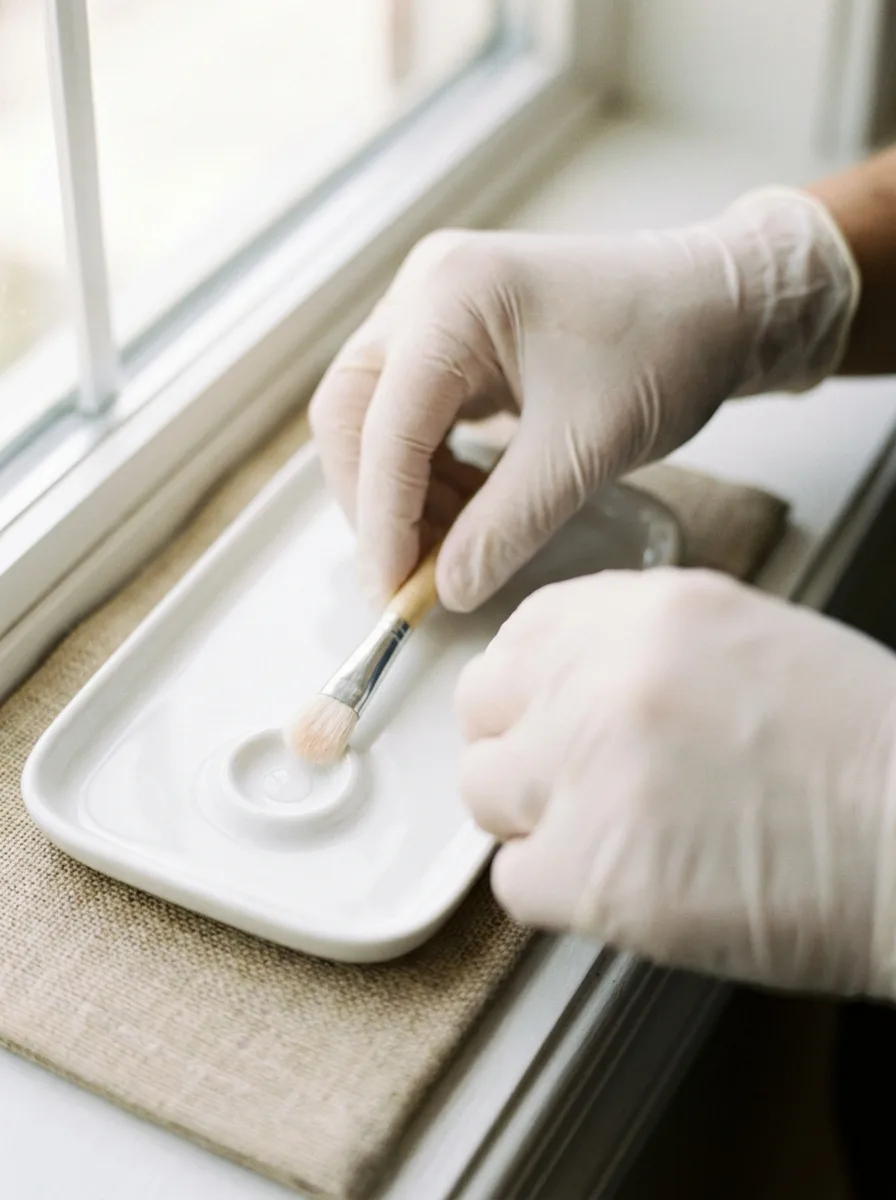
Fluoride helps strengthen enamel and supports the repair of early mineral loss. A professional treatment provides additional protection for patients whose risk of decay warrants it. It complements daily fluoride toothpaste and other preventive care, rather than repairing a cavity that already needs a restoration.
Enamel loses minerals when plaque acids attack it and can regain minerals when conditions improve. Fluoride supports this repair process and increases resistance to future acid attacks. An early surface change may respond to preventive care, while a cavity with lost tooth structure may need a restoration. These are different stages of the decay process.
Why Additional Fluoride May Help
Frequent exposure to sugars, dry mouth, and areas that are difficult to clean can increase cavity risk. Exposed root surfaces can also be more vulnerable than enamel-covered areas. Professional fluoride can be one part of reducing that risk while we address the habits or conditions contributing to it.
Risk can increase with frequent sugary snacks, reduced saliva, exposed tooth roots, or difficulty cleaning around appliances. Professional fluoride may offer additional protection when ordinary home care is not enough. It works alongside changes that address the cause of risk. Applying fluoride does not cancel repeated sugar exposure or remove plaque from the teeth.
- Exposed root surfaces that are difficult to keep plaque-free.
- A recent pattern of new cavities around existing restorations.
- Reduced saliva that makes everyday cavity prevention more challenging.
Who May Benefit
Fluoride treatment is not limited to children. Adults with recent cavities, dry mouth, exposed roots, or certain appliances may be candidates.
We consider your history and existing fluoride exposure before recommending additional products. Tooth sensitivity also deserves evaluation, since fluoride is not the answer to every cause of discomfort.
Adults as well as children may need extra fluoride. The recommendation depends on current disease activity, previous cavities, and the products you already use. Tell the team about prescription toothpaste, supplements, and other fluoride sources. This helps the dentist select an appropriate product and avoid giving you overlapping instructions that are difficult to follow.
- List any prescription toothpaste or fluoride products already used.
- Discuss swallowing difficulties before a topical product is selected.
- Explain which daily preventive steps you can follow consistently.
When to Schedule Treatment
Fluoride is often offered during a preventive appointment when the assessment shows a benefit. The frequency is based on risk and the product being used. If your medications or health change and your mouth becomes dry, let us know so we can reassess your prevention plan.
The interval between professional applications depends on risk and the chosen product. A change in saliva, medications, or cavity activity can prompt another review. Your dentist may also adjust the home-care plan. Do not increase the amount or frequency of a prescription product on your own if you remain concerned about new cavities.
The Evaluation Process
We review recent decay, oral hygiene, diet, medications, and sources of fluoride such as toothpaste and drinking water. We also examine vulnerable tooth surfaces. This helps us decide whether an office treatment, an adjusted home routine, or a prescription product is appropriate without adding unnecessary steps.
The team checks for early mineral loss, exposed roots, existing restorations, and places where plaque remains. They also ask about the timing of snacks and drinks. A useful plan connects the findings with an action you can take, such as changing a cleaning method or reducing frequent sugar exposure, as well as considering topical fluoride.
Dr. Li asks what is driving your cavity risk, including dry mouth, diet, and cleaning difficulties. Fluoride is one part of that prevention plan.
- Identify the tooth surfaces where early mineral changes occur.
- Review whether frequent drinks expose teeth to repeated sugar.
- Check whether new medicines coincide with a drier mouth.
Treatment Options and What to Expect
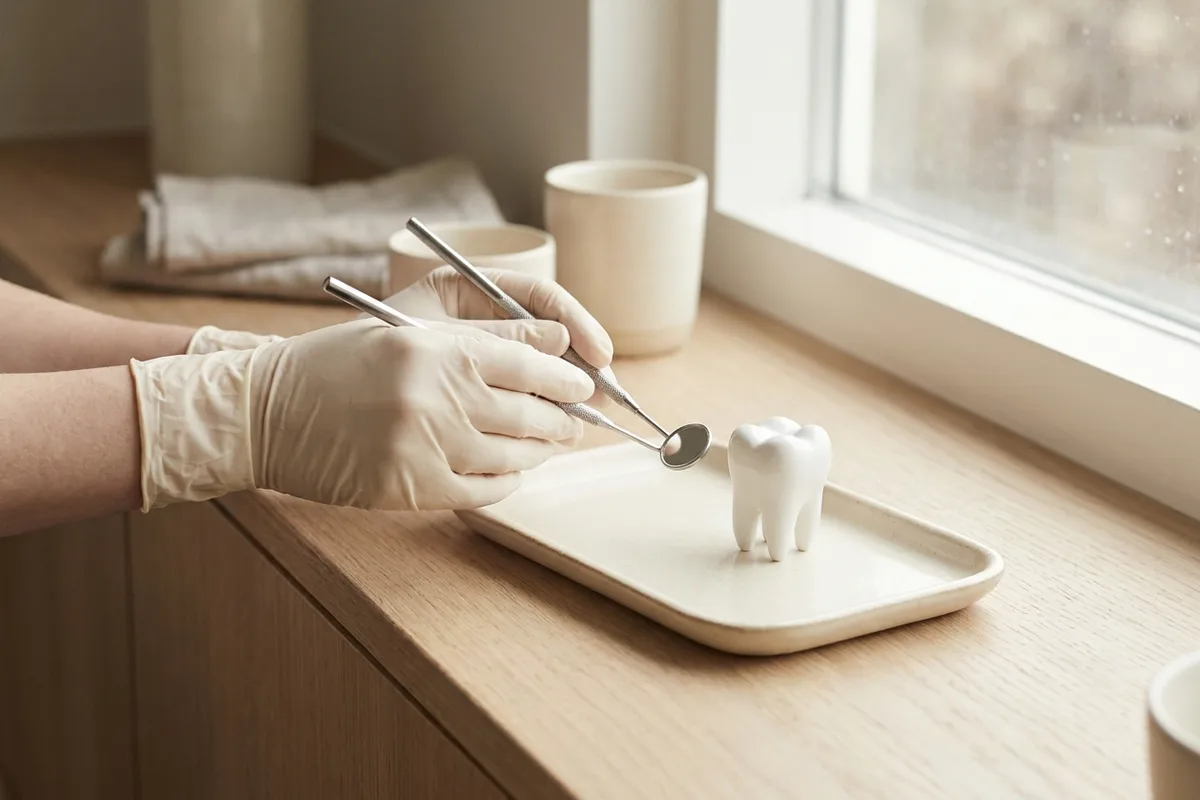
Professional products may be applied as a varnish or another topical preparation. Application is generally brief, and the choice depends on your needs.
Some patients also benefit from dentist-directed home products. We explain how to use them and avoid adding multiple fluoride products without considering total exposure.
Professional options include varnishes and other topical preparations selected for your needs. The material and application method determine the instructions afterward. Some products leave a temporary coating on the teeth. Ask when you can eat, drink, or brush, because the advice for one fluoride product may differ from the advice for another.
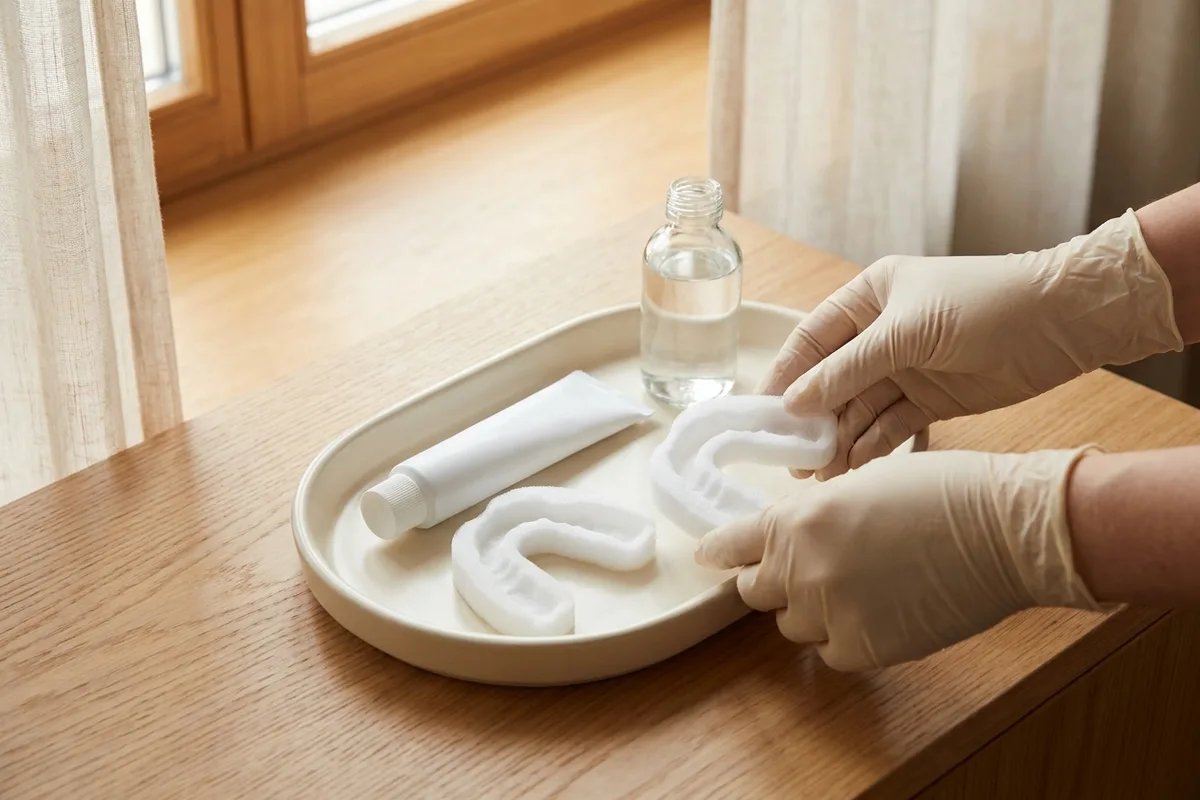
After Your Fluoride Treatment
Follow the instructions for the product applied, since eating, drinking, and brushing guidance can differ. Continue your everyday prevention routine and keep recommended examinations.
Fluoride reduces risk but does not guarantee that cavities will not develop. New sensitivity, visible damage, or pain still needs a dental assessment.
Continue your prescribed home routine after the application and keep products away from children. Supervise young children so they use the advised toothpaste amount and do not swallow it. Future examinations show whether risk is improving. A new sensitive spot or visible hole still needs assessment rather than repeated fluoride treatment without a diagnosis.
- Keep the instructions for the particular product you received.
- Ask when brushing can resume after the selected application.
- Check technique and toothpaste amounts when supervising a child.

Your Fluoride Prevention Plan
Professional application and home care work together. Product instructions and changes in cavity risk determine review and further treatment.
- 1
Assess current cavity risk
The team reviews recent decay, saliva-related concerns, exposed roots, and fluoride sources to identify whether extra protection may help.
- 2
Apply the selected fluoride
The clinician uses the preparation appropriate to your needs and explains the product-specific instructions for food, drinks, and brushing afterward.
- 3
Review prevention over time
Follow-up checks look for new lesions and changes in risk. Your dentist can adjust home-care advice and future application recommendations accordingly.
Services
Other treatments we offer
Make your Nova smile a reality.
Join our family of happy, healthy smiles today and experience the Nova Smile difference!
Questions, answered
About us
Why patients choose Nova Dental Studio
At Nova Dental Studio in Irvine, Dr. Nova Li addresses your immediate concern first. Before broader treatment planning, she assesses joint stability, muscle function, and jaw movement to decide the sequence of care.
Preserve what is healthy
We consider conservative options and the reasons behind damage before recommending how to repair a tooth.
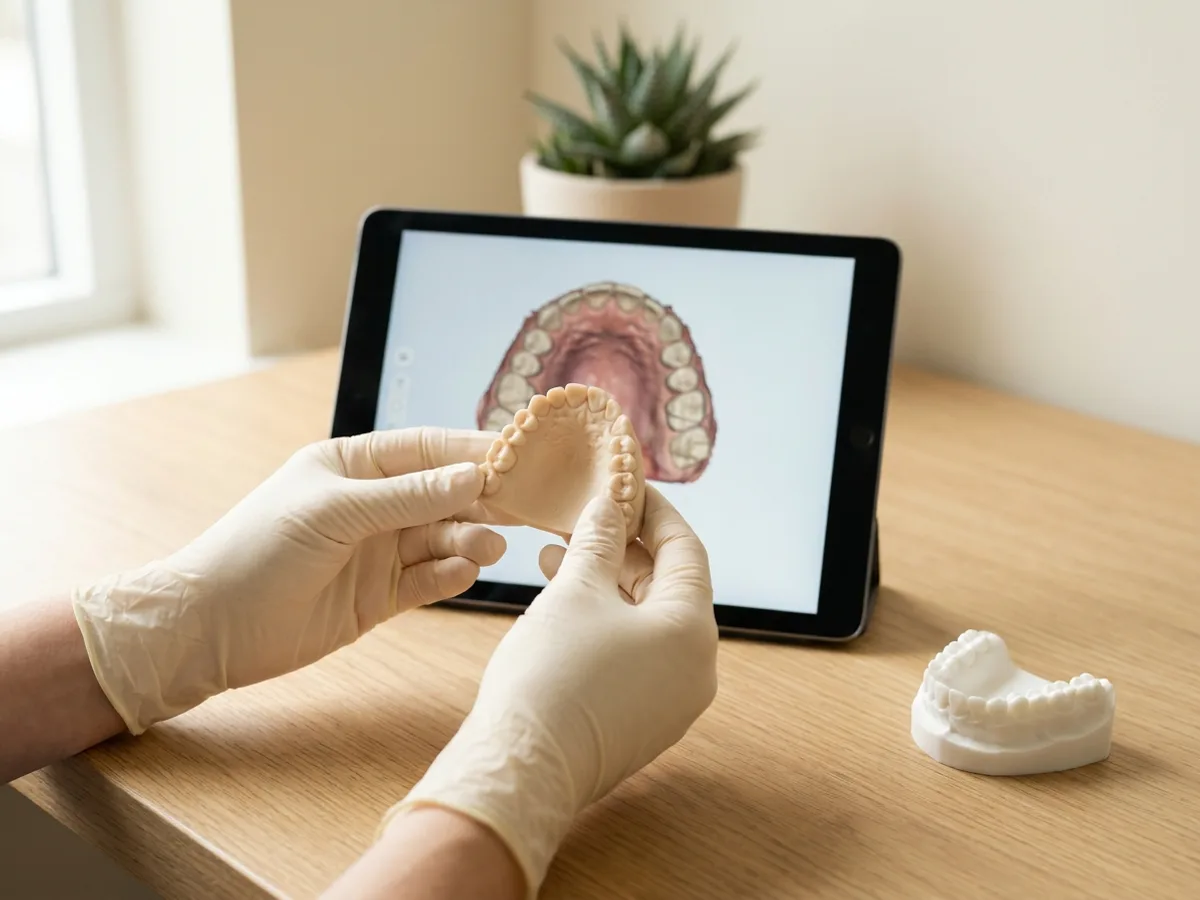
Joint stability first
Dr. Li assesses joint stability and jaw movement before broader restorative, cosmetic, or Invisalign planning. Joint concerns that need care guide what comes first.
Start with your concerns
We explain the immediate priority, the wider picture, and the options that fit your goals.
Nova Dental Studio Proudly Holds Active Memberships






Visit us
We're waiting for you in Irvine
Find our office on the third floor right next to the elevators!
113 Waterworks Way Ste. 335
Irvine, CA 92618
- Mon–Fri
- 9:00AM – 5:00PM
- Sat–Sun
- Closed