
Service
Teeth Whitening in Irvine, CA
A plan for natural tooth color that considers sensitivity, gum health, and existing restorations.
What You Need to Know
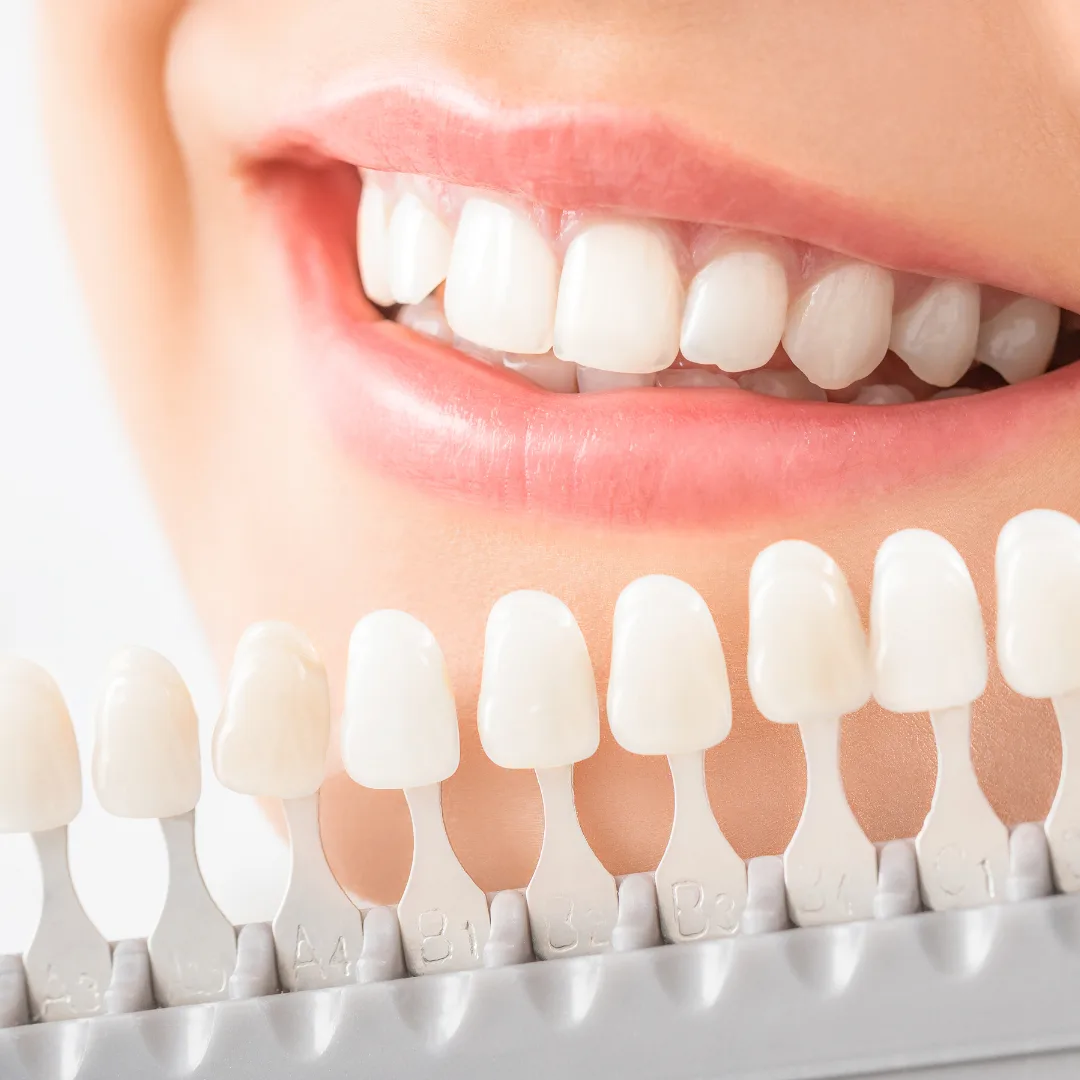
Professional whitening uses peroxide-based products to lighten suitable natural teeth. It is different from a cleaning, which removes deposits and some surface stains.
Nova Dental Studio offers in-office and custom take-home approaches. The best choice depends on the cause of discoloration, your dental health, and your preferences.
Natural tooth color reflects both enamel and the dentin beneath it. Discoloration can sit at different depths, which helps explain why teeth do not all respond alike. A single dark tooth, generalized yellowing, and a stained restoration may require different assessments. Selecting a method begins with understanding that pattern, rather than choosing the strongest available product.
Why Teeth Become Discolored
Foods, drinks, tobacco, aging, medications, and changes inside a tooth can affect color. Not all discoloration responds equally to whitening. A single dark tooth may need a different assessment from generalized staining, and crowns, veneers, and fillings do not lighten like natural enamel.
Food, drinks, tobacco, aging, previous injury, and some medicines can contribute to discoloration. A dark area can also indicate a dental problem. An examination helps distinguish a cosmetic color change from decay or changes inside a tooth. Whitening should follow that assessment, rather than hiding a symptom that needs a different treatment.
- A general color concern after surface deposits are removed.
- Uneven natural tooth shades that need a cause-based assessment.
- A planned new restoration whose shade depends on surrounding teeth.
Who May Benefit
Whitening may be suitable when teeth and gums are healthy and the discoloration is likely to respond. Let us know about sensitivity, exposed roots, previous whitening, and visible restorations.
Decay and gum problems should be assessed first. The plan may need to account for shade differences between natural teeth and existing dental work.
Healthy teeth and gums provide a better basis for elective whitening. Existing sensitivity, exposed roots, cavities, and cracked teeth need discussion first. Crowns, veneers, and tooth-colored fillings will not bleach like natural enamel. If you have visible restorations, ask whether whitening could leave a color difference and how that would affect any future replacement work.
- Identify visible fillings that may remain a different shade.
- Describe any sensitivity from earlier home whitening products.
- Discuss a single dark tooth separately from general staining.
When to Start Whitening
Allow time to evaluate your mouth and discuss realistic results before planning around an event. Treatment length varies by method, product, and response.
If other cosmetic work is planned, its sequence matters because restorations are shade-matched separately. We advise when to review the result rather than promise a fixed number of shades.
Plan ahead if you want a change before an event. The response and tolerance vary, and some methods need repeated applications or breaks for sensitivity. Shade selection for new restorations usually belongs after the whitening plan is settled. Do not extend the recommended application time to seek a faster result, because irritation and sensitivity can increase.
The Evaluation Process
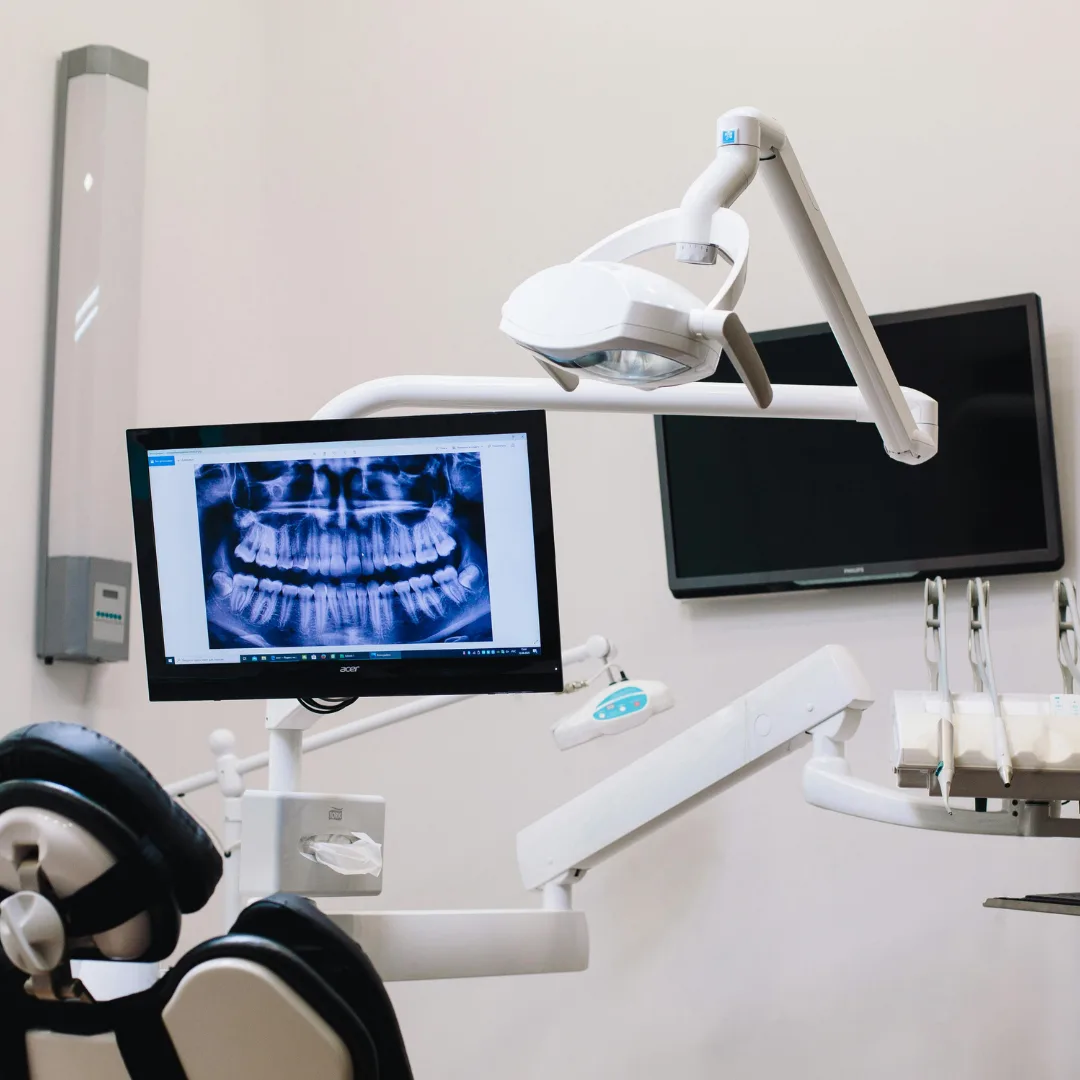
We assess tooth color, the source of staining, enamel condition, and any existing restorations. Your history of sensitivity helps guide product selection and instructions.
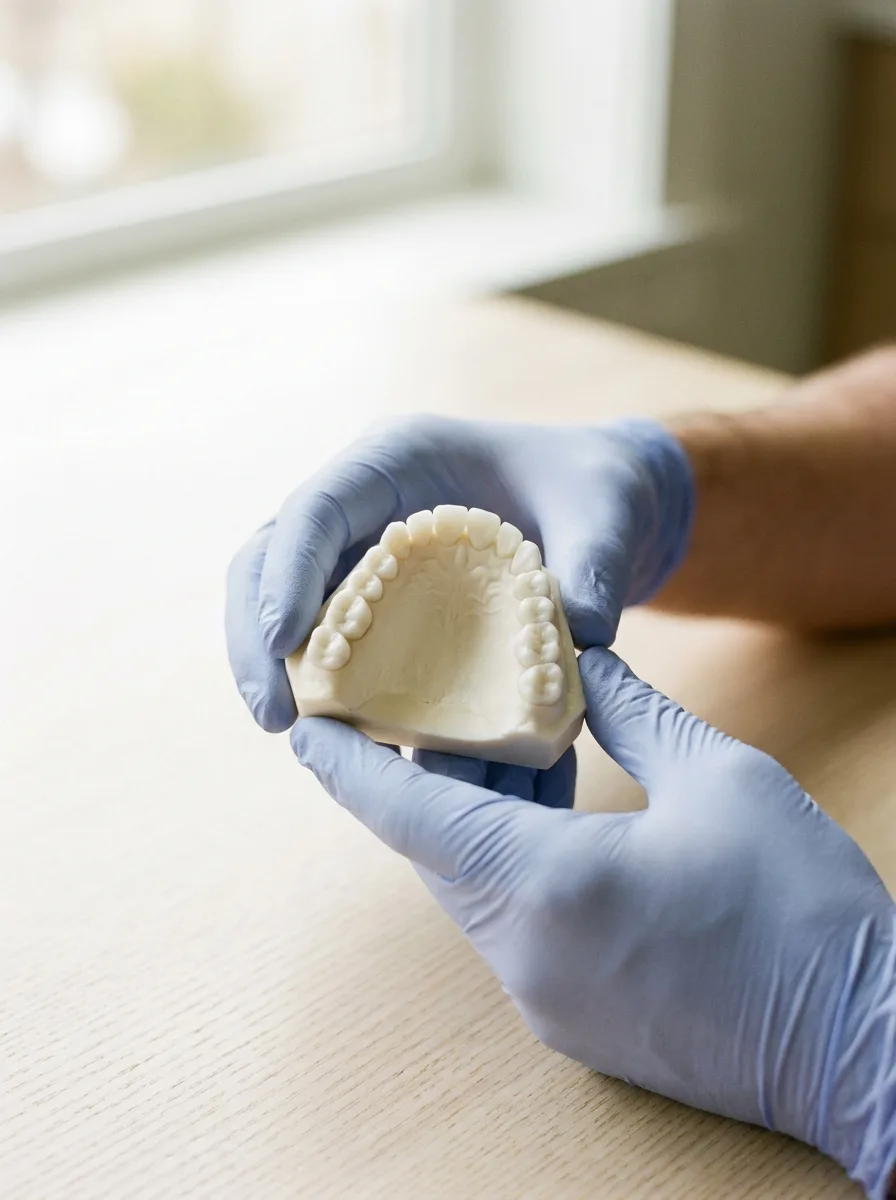
A shade record can help compare changes. If whitening is unlikely to meet your goals, we explain alternatives such as bonding, veneers, or internal bleaching for a suitable root-treated tooth.
The dentist reviews the pattern of staining, oral health, current restorations, and your preferred degree of change. A starting shade record provides a useful comparison. Discuss previous reactions to whitening and any products you use at home. The findings help select an approach and clarify when whitening is unlikely to address the underlying concern.
Dr. Li considers why the color changed and whether existing dental work affects the result. Whitening is planned around those findings and your preferences.
- Record a starting shade under a consistent comparison method.
- Check whether tray edges would contact an irritated gum area.
- Discuss how planned restoration work affects the whitening sequence.
Whitening Options and Process
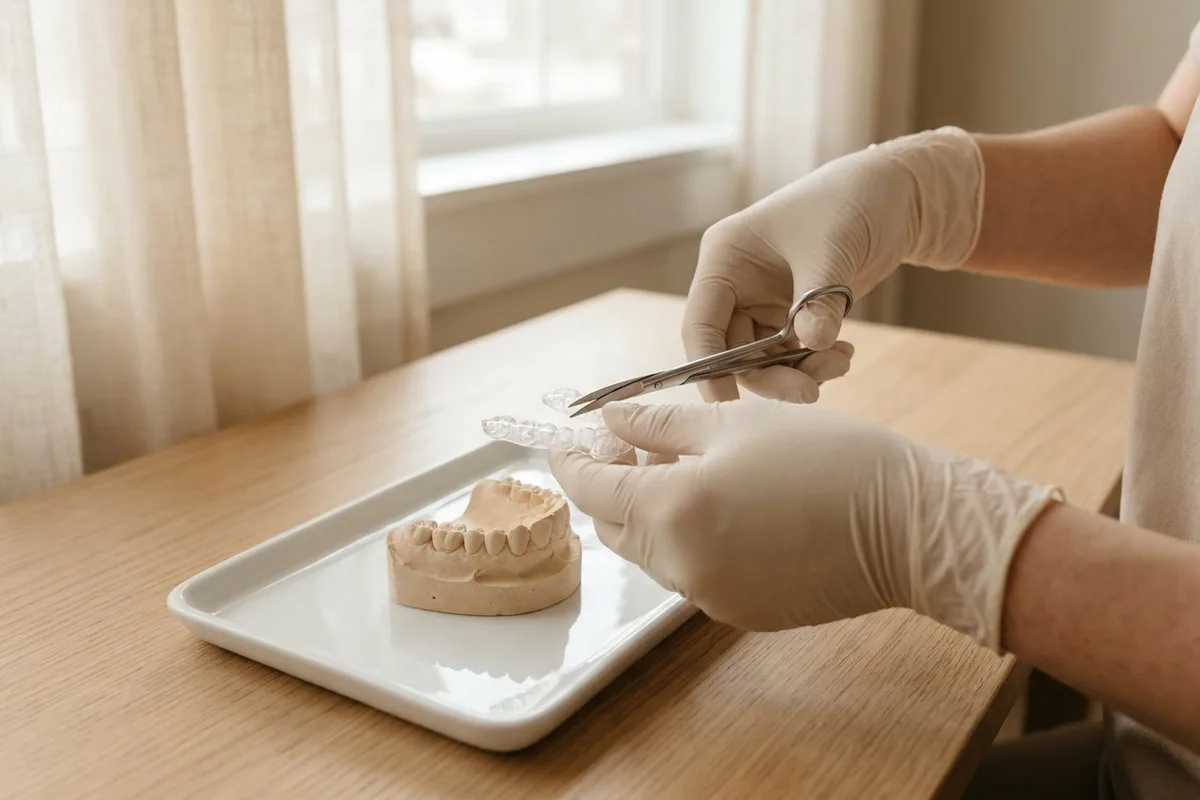
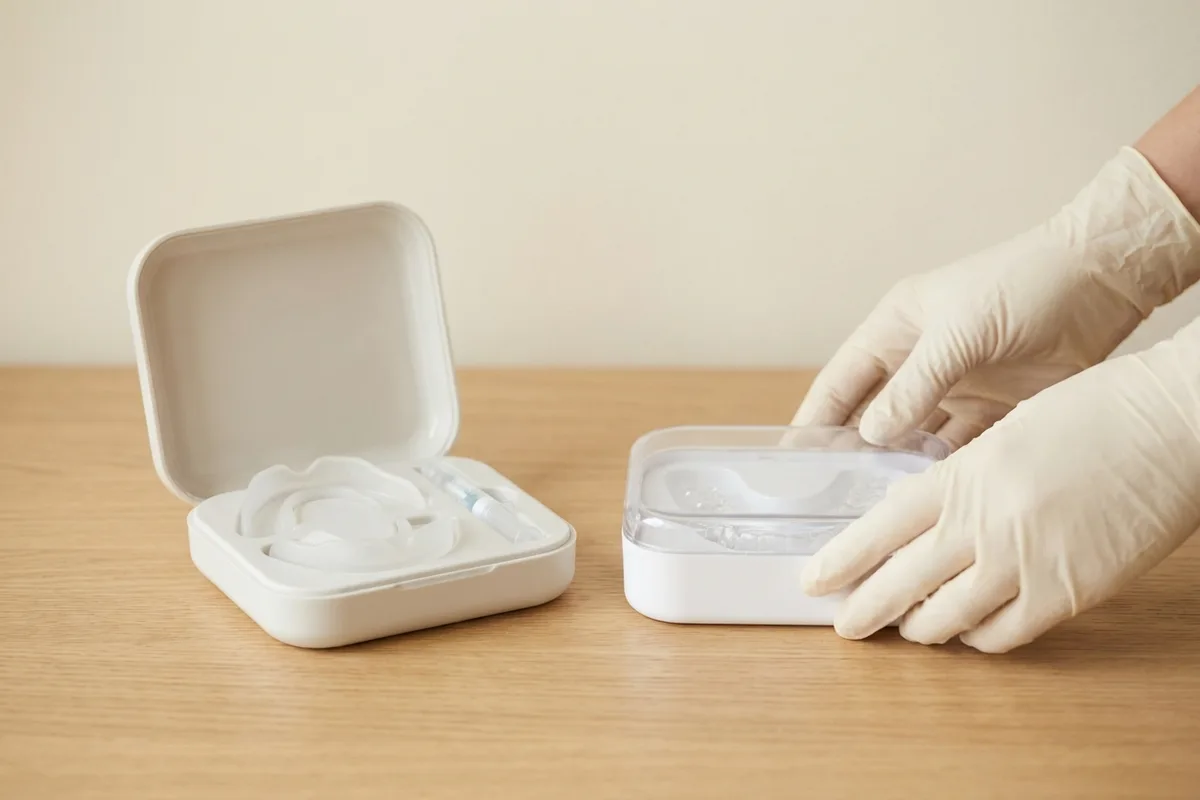
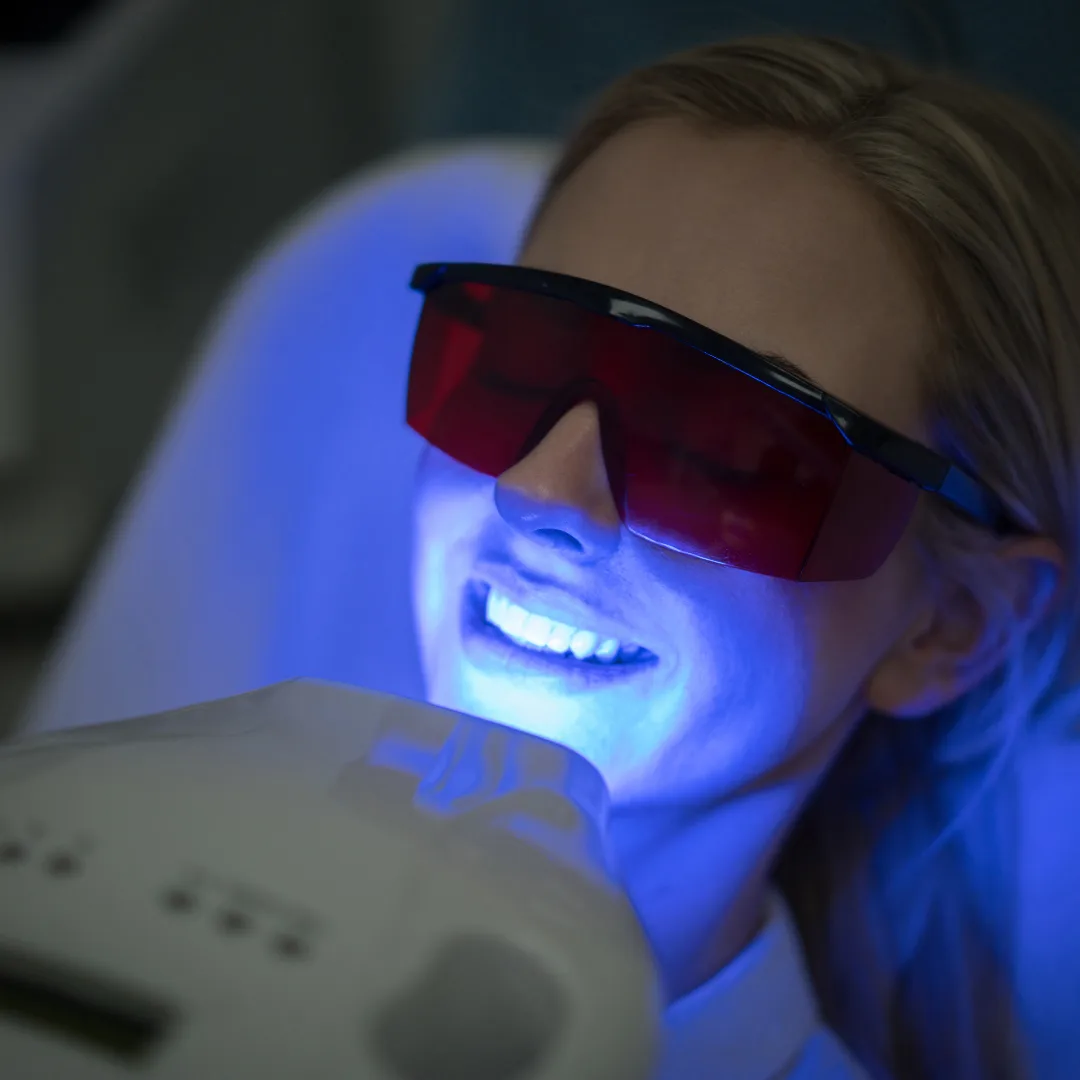
In-office whitening is applied under professional supervision with protection for the surrounding tissues. A take-home approach uses fitted trays and dentist-directed gel instructions.
Wear time and the number of applications depend on the product and your response. More frequent use is not automatically better, and treatment can be adjusted for sensitivity.
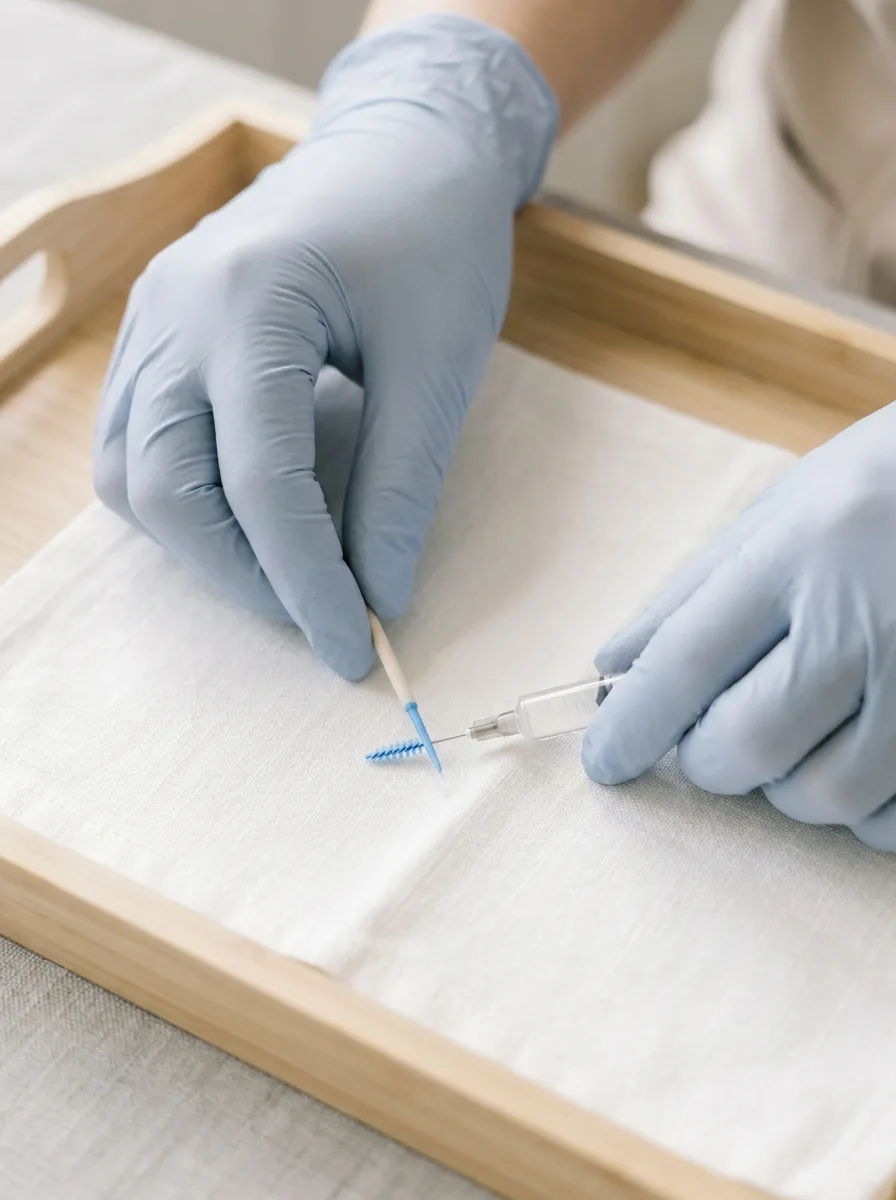
In-office and dentist-supervised home methods differ in delivery and instructions. Protection of the gums and control of exposure remain important. A home tray needs a suitable fit and the prescribed amount of gel. Over-the-counter products also need careful use. Ask how the chosen method compares with monitoring, stain removal, or restorative options for your particular discoloration.
Aftercare and Maintaining Your Result
Temporary sensitivity and gum irritation can occur. Follow the provided instructions and contact us if discomfort persists.
Maintain brushing, interdental cleaning, and appropriate cleaning visits, and discuss touch-ups rather than continually increasing treatment. Results vary with tooth characteristics and habits, and later restorations may need separate shade planning.
Whitening can cause temporary tooth sensitivity or gum irritation. Tell the dentist if symptoms are severe or persist, and follow advice about pausing or changing the plan. Color can change again over time with habits and aging. Any future touch-up should reflect your oral health and the product instructions rather than an automatic repeated treatment schedule.
- Keep the product instructions rather than extending contact time yourself.
- Report gum irritation that persists after the advised pause.
- Ask whether a future touch-up is appropriate before restarting gel.
Your Whitening Treatment Stages
Shade response and sensitivity vary. The selected method, review points, and any later restorative work determine the treatment sequence.
- 1
Assess discoloration and dental health
The dentist identifies the staining pattern, checks teeth and gums, and discusses existing restorations before deciding whether whitening suits the concern.
- 2
Use the agreed whitening method
An in-office or supervised home approach follows product-specific exposure and gum-protection instructions. The plan explains what to do if sensitivity develops.
- 3
Review shade and tolerance
The clinician compares the response with the starting records and reviews symptoms, maintenance, and whether further whitening or another option is appropriate.
Services
Other treatments we offer

Get Your Free Consultation
A smile design PROMO for teeth Exam/Xray/dental-facial analysis with smile design
Questions, answered
About us
Why patients choose Nova Dental Studio
At Nova Dental Studio in Irvine, Dr. Nova Li addresses your immediate concern first. Before broader treatment planning, she assesses joint stability, muscle function, and jaw movement to decide the sequence of care.
Preserve what is healthy
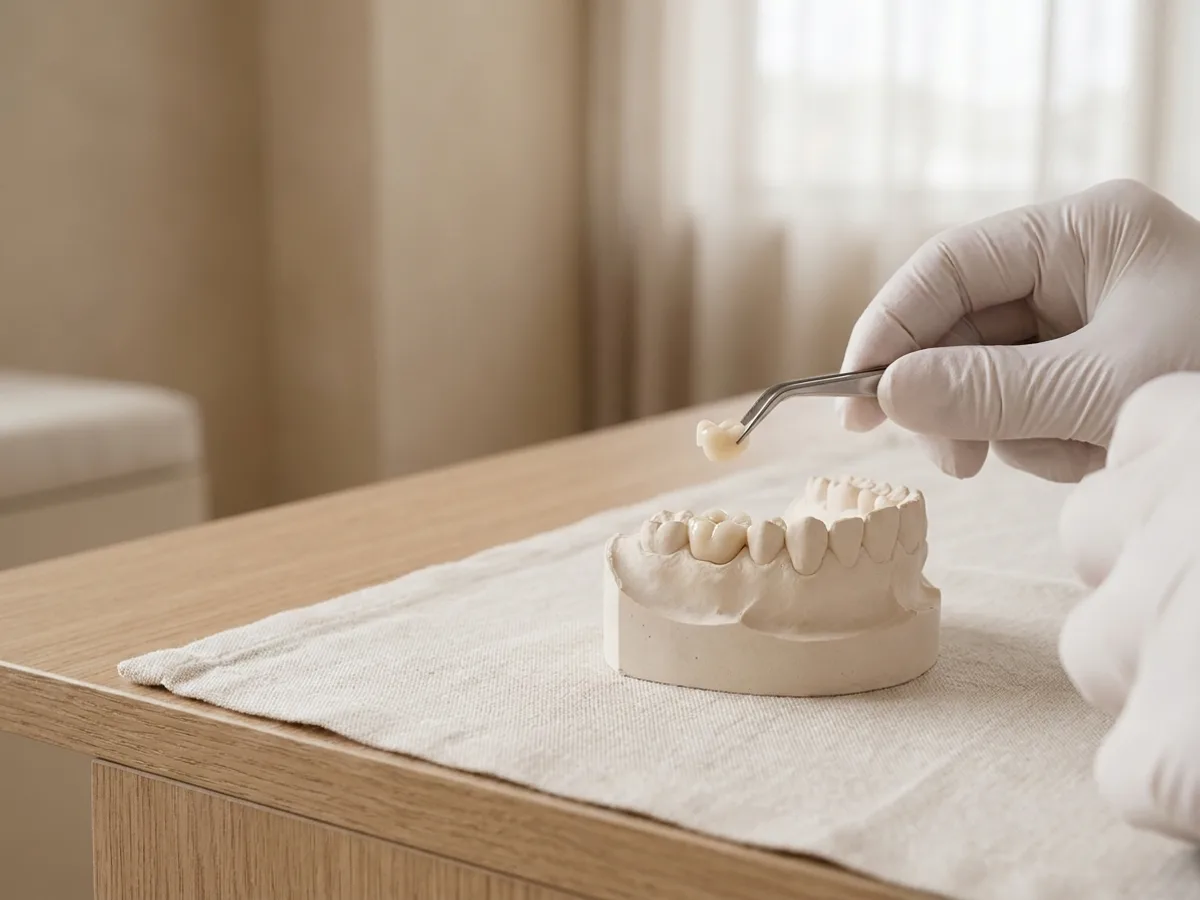
We consider conservative options and the reasons behind damage before recommending how to repair a tooth.
Joint stability first
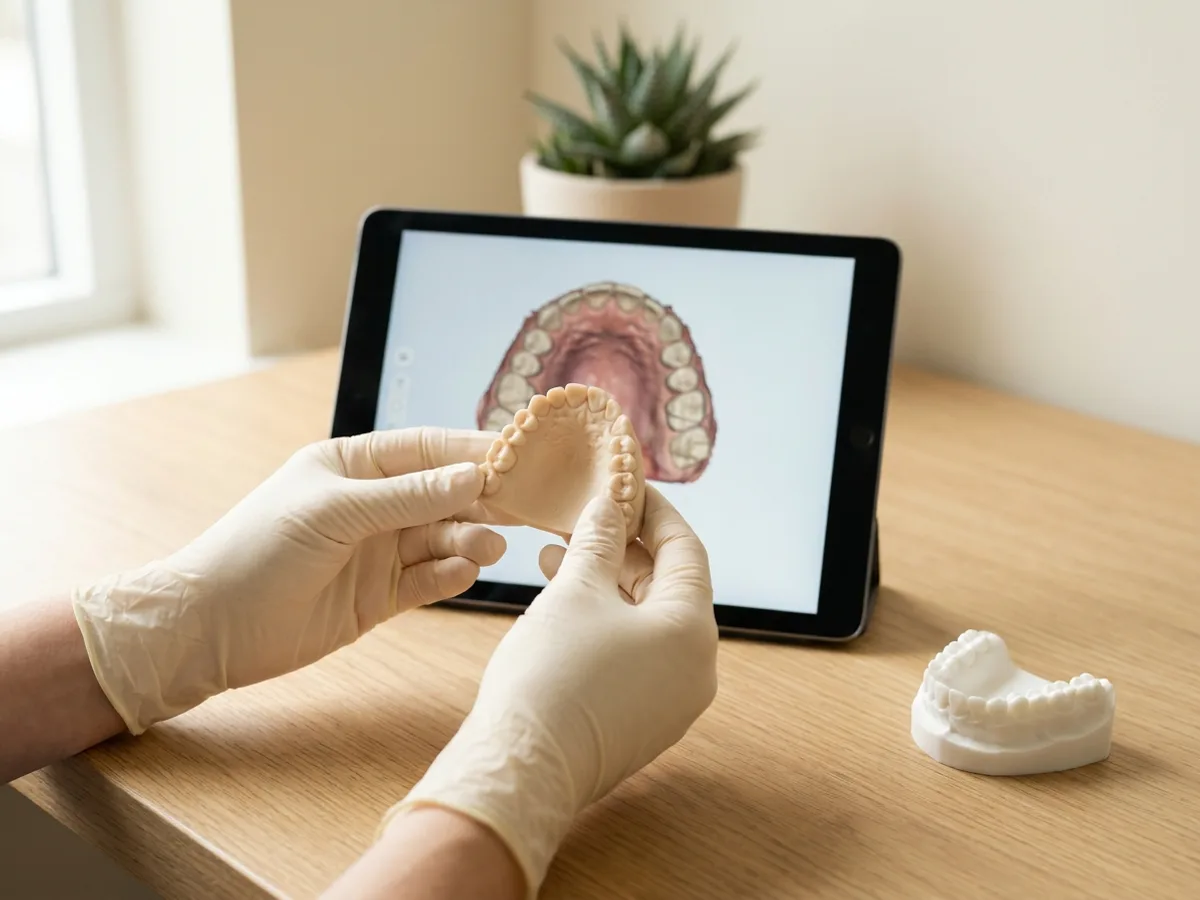
Dr. Li assesses joint stability and jaw movement before broader restorative, cosmetic, or Invisalign planning. Joint concerns that need care guide what comes first.
Start with your concerns
We explain the immediate priority, the wider picture, and the options that fit your goals.
Nova Dental Studio Proudly Holds Active Memberships







Visit us
We're waiting for you in Irvine
Find our office on the third floor right next to the elevators!
113 Waterworks Way Ste. 335
Irvine, CA 92618
- Mon–Fri
- 9:00AM – 5:00PM
- Sat–Sun
- Closed