Service
Dental Implants in Irvine, CA
Implant planning considers bone and gums alongside the intended replacement teeth. Dr. Li assesses joint stability and movement before planning the wider bite.
What You Need to Know
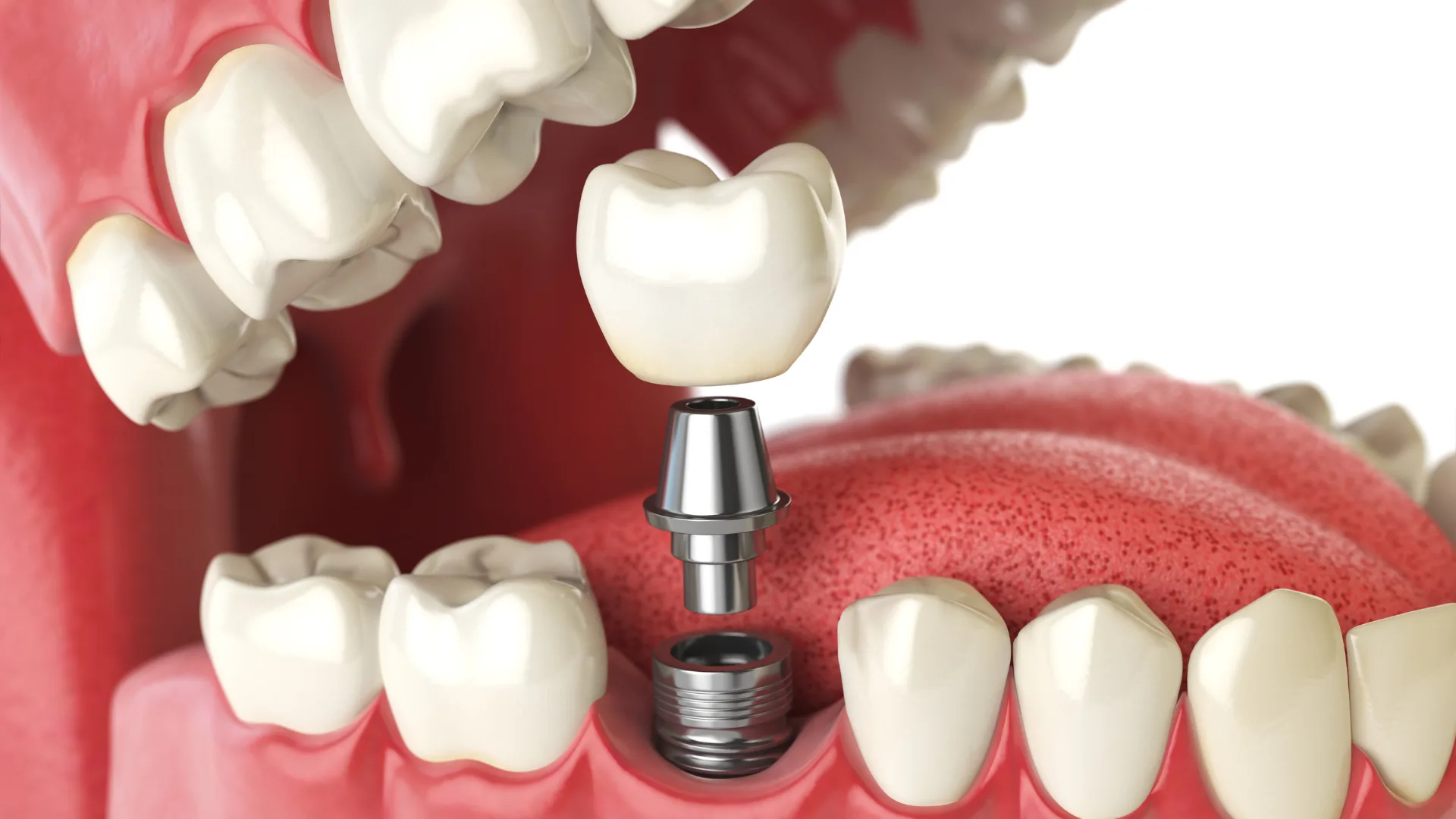
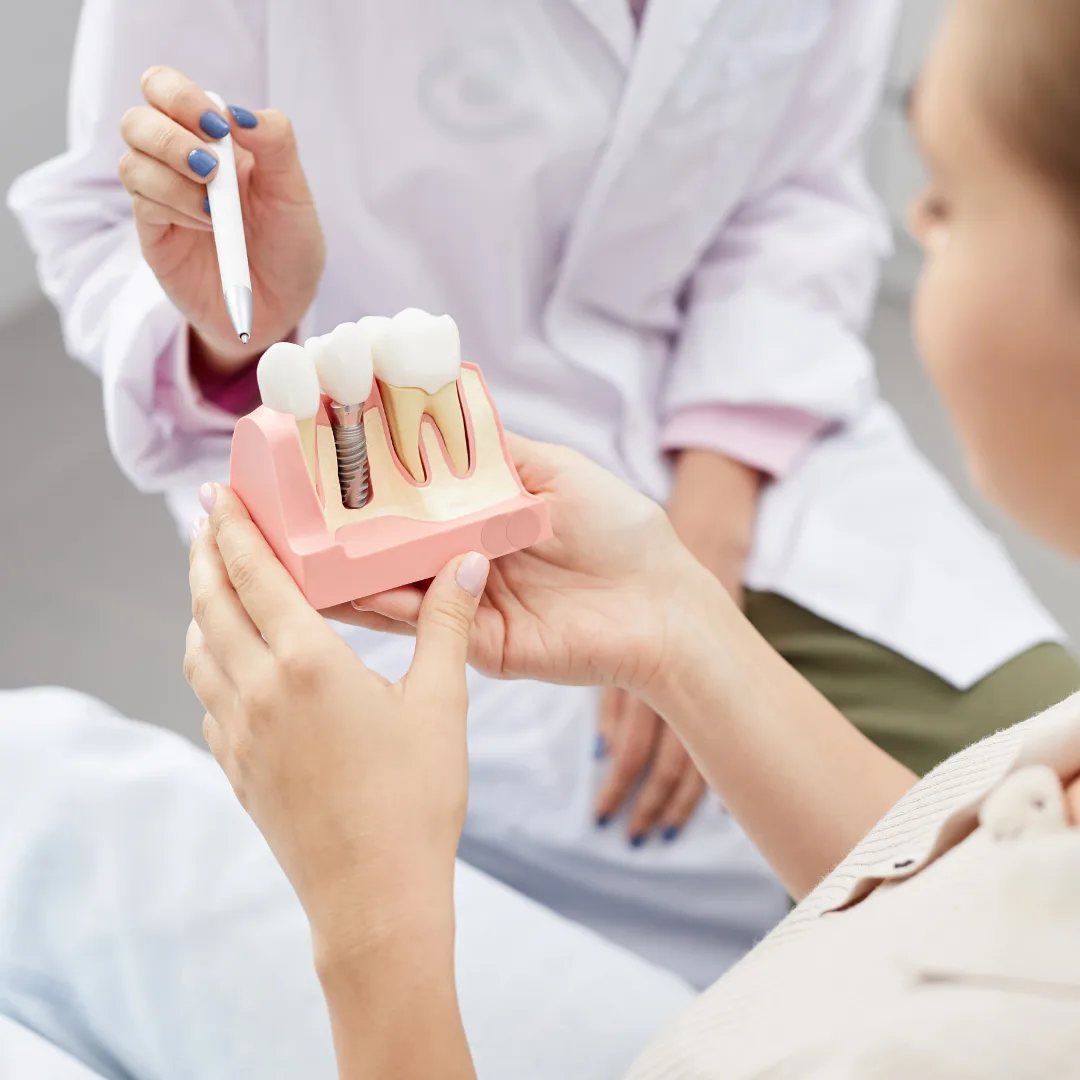
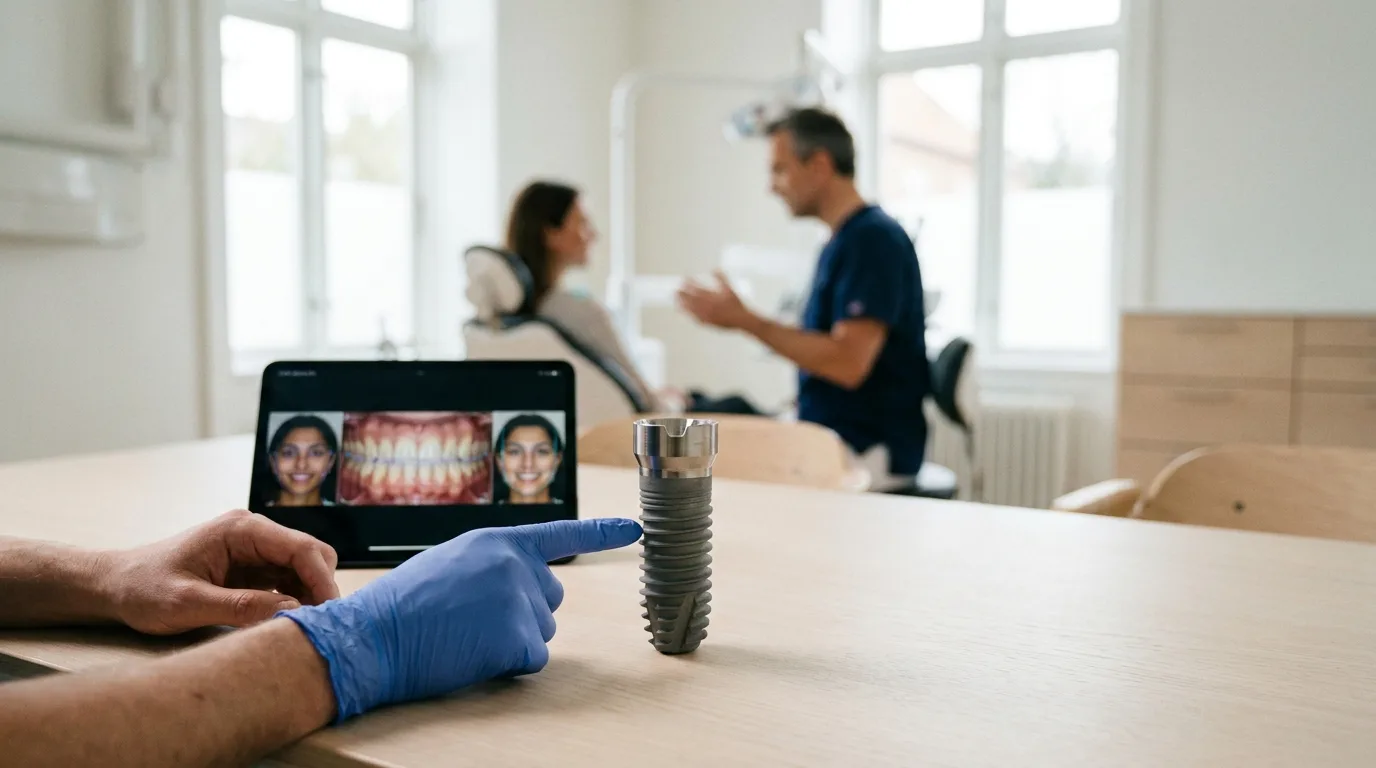
A dental implant is a post placed in the jaw to support a replacement tooth or prosthesis. It replaces the role of a missing root; a crown, bridge, or denture provides the visible teeth. Treatment includes planning, placement, healing, and restoration, with the sequence adapted to your anatomy and health.
The implant body, connecting abutment, and visible crown or denture are separate components. The implant body sits in bone, while the replacement tooth carries chewing forces above the gum. Planning must consider both parts. A well-positioned implant still needs a restoration that fits the bite and allows you to clean around it.
Why Implant Replacement May Help
Missing teeth can affect chewing, appearance, and the stability of the remaining dental arrangement. An implant can support a replacement without preparing adjacent teeth in some cases.
It can also help retain a denture. The benefit depends on your starting condition and should be weighed against surgery, time, cost, and maintenance.
Implant support can reduce reliance on neighboring teeth in selected cases and improve stability for some replacements. It does not remove every maintenance need. The surrounding tissues can develop inflammation, and a crown or connecting screw can need repair. Discuss the practical benefits for your situation alongside surgical risk and the commitment to long-term care.
- A single missing tooth beside otherwise healthy neighboring teeth.
- Several missing teeth needing a coordinated support and replacement plan.
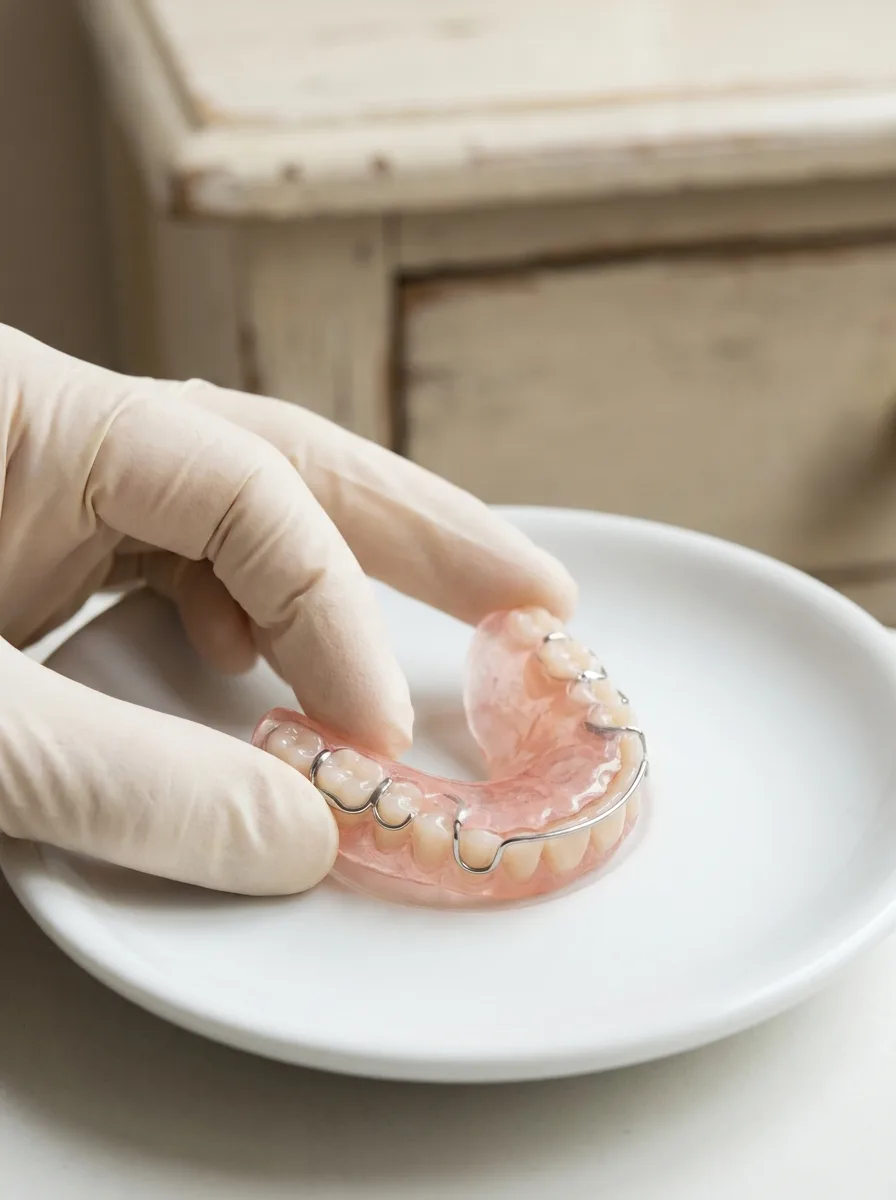
- A removable replacement whose stability needs a separate assessment.
Who May Be a Candidate
Suitable candidates need an assessment of bone, gum health, medical conditions, and daily cleaning habits. Smoking and some health factors can affect healing and risk.
A lack of bone may require grafting or a different option. Implant treatment is individualized and is not automatically suitable for every missing tooth.
The dentist considers bone shape, gum condition, overall health, smoking, and factors that affect healing. The ability to keep the replacement clean also matters. A missing tooth does not automatically mean an implant is the best option. A bridge, removable denture, or another approach may be more suitable when anatomy, health, or preferences limit surgery.
- Discuss tobacco use and medical factors that affect surgical healing.
- Explain which parts of a replacement you can clean independently.
- Share records identifying any implant system already in your mouth.
Timing and Healing
Implant care often takes place over several stages while the surrounding bone heals. Some patients need an extraction or graft first; others may qualify for a different sequence.
Immediate placement or a temporary tooth is only appropriate in selected circumstances. We explain the likely timeline without promising the same schedule for everyone.
Healing and restoration often involve separate stages. An extraction site may need time or augmentation before implant placement, and the implant may need further healing before it supports the final tooth. A temporary replacement is not always suitable for immediate chewing. Ask which milestones determine readiness rather than relying on a single promised completion date.
The Evaluation Process
We examine your mouth, review your medical history, and assess the space, bite, and supporting tissues. Imaging, including a three-dimensional scan when indicated, helps with planning. Nova Dental Studio uses digital planning and surgical guides in appropriate cases, alongside a discussion of alternative replacement options and ongoing care.
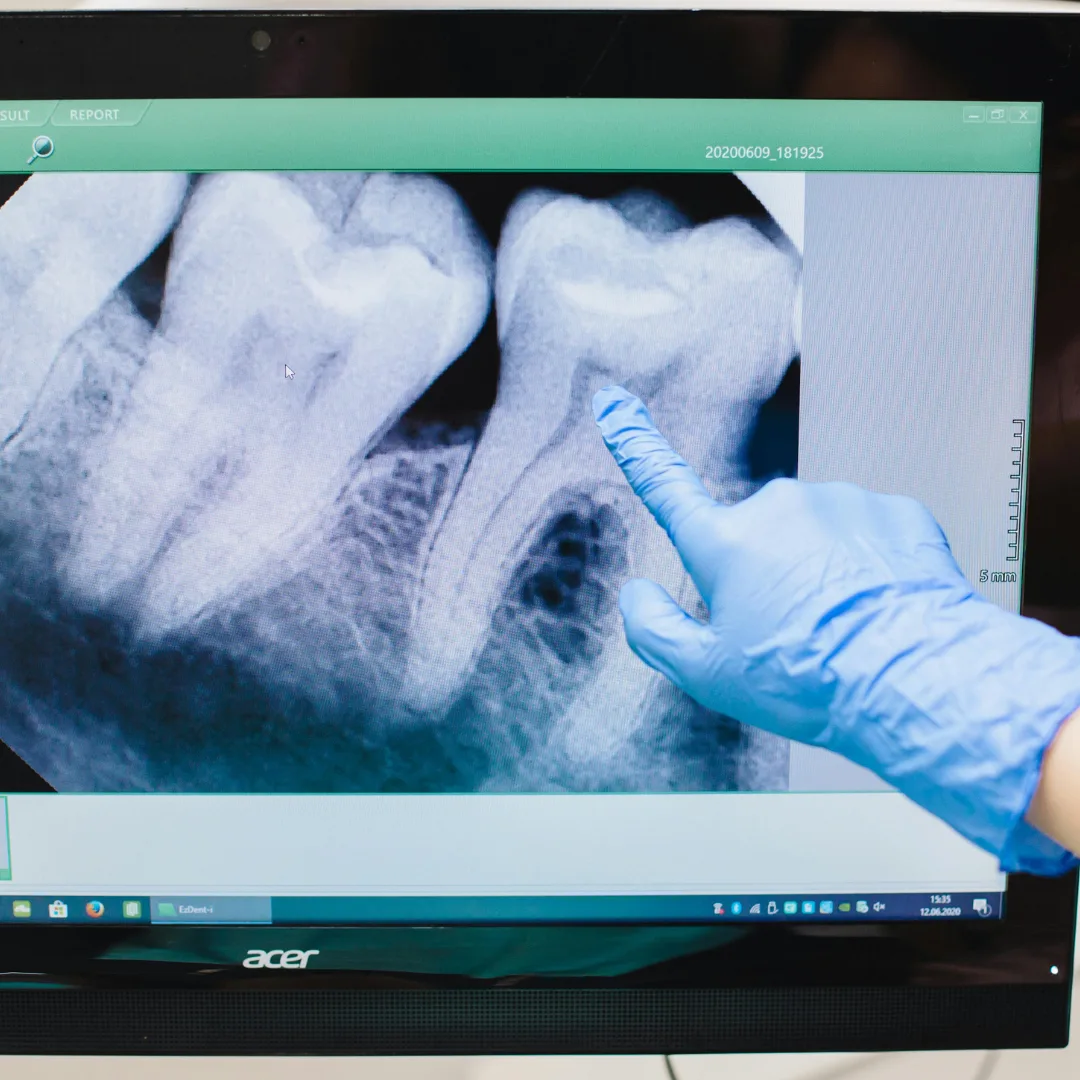
Imaging, when indicated, helps assess available bone and nearby structures such as nerves or sinuses. The dentist also considers the space for the final crown and your bite. Ask who will provide each stage, whether specialist involvement is recommended, and how records will transfer. These arrangements should be clear before surgical treatment begins.
Dr. Li assesses jaw-joint stability and movement before planning the wider implant-supported bite. Joint concerns that need attention enter the sequence before elective restorative work. Motion records may contribute when appropriate.
- Assess space for the final tooth, not only the implant.
- Locate relevant nerves or sinus structures when imaging is indicated.
- Clarify who will provide surgical placement and the final restoration.

Implant and Replacement Options
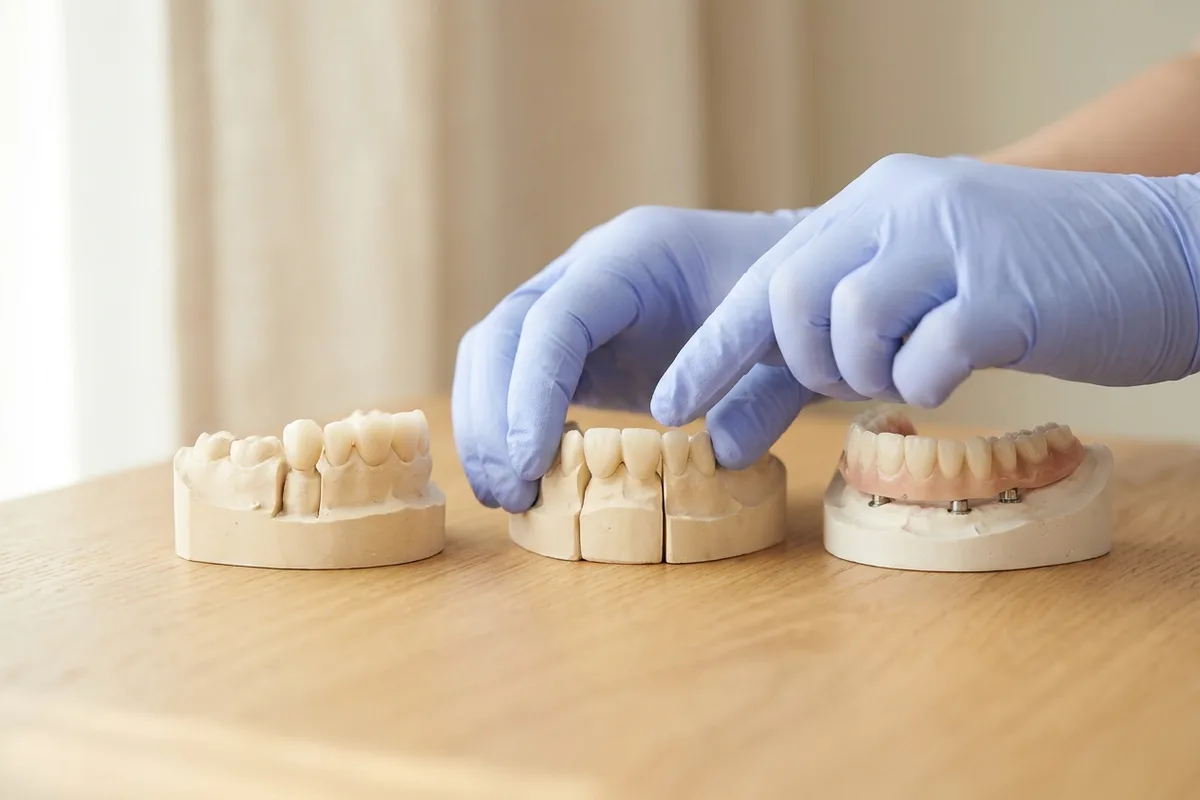
One implant may support a crown, while several can support a bridge or an implant-retained denture. The implant is placed, healing is monitored, and the final replacement is fitted when the site is ready. The number of implants and restoration design follow your needs, not a fixed formula.
Options range from a single implant crown to support for several teeth or a denture. Some designs are removable by the patient, while others require professional removal. They have different cleaning and repair requirements. The proposed number and position of implants depend on the replacement design and anatomy, rather than a standard formula for every patient.
Recovery and Long-Term Care
After surgery, follow the written instructions for cleaning, activity, and comfort, and attend healing reviews. Implants require daily cleaning and professional maintenance; inflammation can develop around them.
Contact us about persistent pain, swelling, or a loose component. Longevity varies, and the visible restoration may need repair or replacement over time.
Follow the surgical instructions before placing chewing pressure on a healing site. After restoration, clean around the implant and attend the advised reviews. Report pain, persistent bleeding, swelling, or a loose component promptly. Keep the implant brand and model in your records. These details can help another clinician identify compatible parts if future repair is needed.
- Keep a record of the implant brand and model.
- Ask which cleaning aid reaches beneath the proposed replacement.
- Report movement in a component without repeatedly testing it yourself.

Your Implant Treatment Stages
Placement, bone healing, and tooth replacement may require separate stages. The clinician confirms readiness rather than promising a universal completion date.
- 1
Plan implant and restoration together
The dentist evaluates anatomy, health, gum condition, and the replacement design, then discusses grafting needs, alternatives, and any specialist involvement.
- 2
Place and monitor the implant
The implant is placed according to the agreed plan. Healing reviews and instructions guide protection of the site before it supports the intended replacement.
- 3
Restore and maintain the replacement
When the site is ready, the restorative stage checks fit and bite. Ongoing care monitors tissue health, cleaning access, and component stability.
Services
Other treatments we offer
Get Your Free Consultation
A smile design PROMO for teeth Exam/Xray/dental-facial analysis with smile design
Questions, answered
About us
Why patients choose Nova Dental Studio
At Nova Dental Studio in Irvine, Dr. Nova Li addresses your immediate concern first. Before broader treatment planning, she assesses joint stability, muscle function, and jaw movement to decide the sequence of care.
Preserve what is healthy
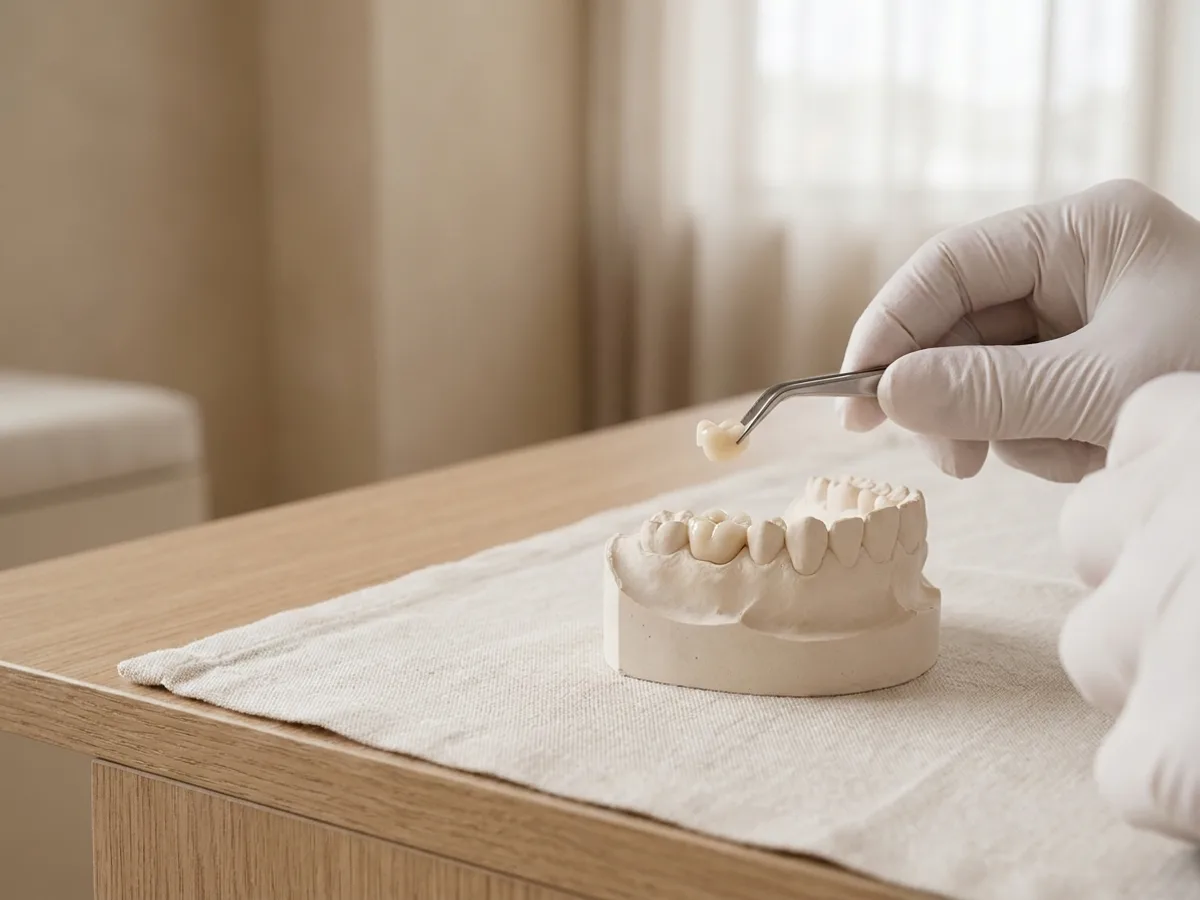
We consider conservative options and the reasons behind damage before recommending how to repair a tooth.
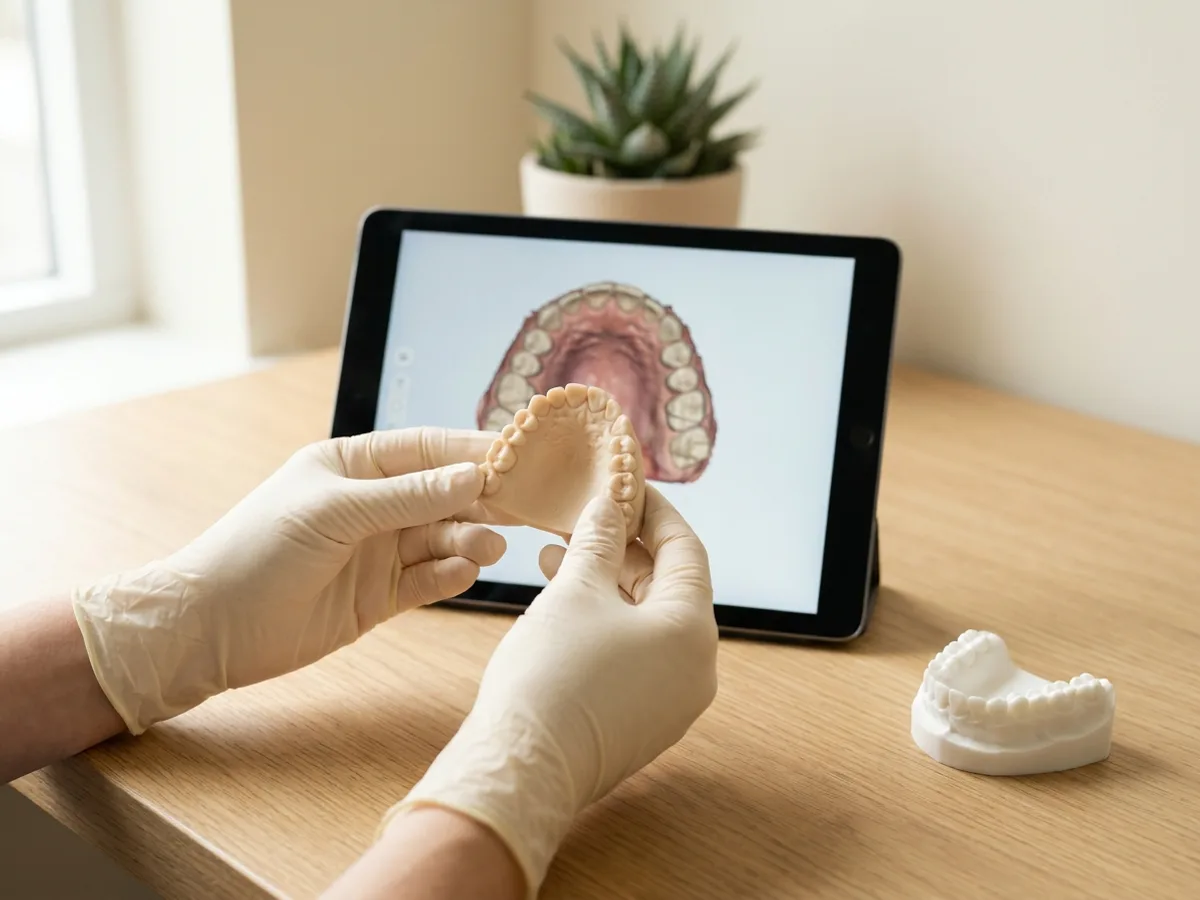
Joint stability first
Dr. Li assesses joint stability and jaw movement before broader restorative, cosmetic, or Invisalign planning. Joint concerns that need care guide what comes first.

Start with your concerns
We explain the immediate priority, the wider picture, and the options that fit your goals.
Nova Dental Studio Proudly Holds Active Memberships






Visit us
We're waiting for you in Irvine
Find our office on the third floor right next to the elevators!
113 Waterworks Way Ste. 335
Irvine, CA 92618
- Mon–Fri
- 9:00AM – 5:00PM
- Sat–Sun
- Closed