Service
Bonding and Contouring in Irvine, CA
Conservative changes to tooth shape, with attention to the cause of chips and the contacts in your bite.
What You Need to Know
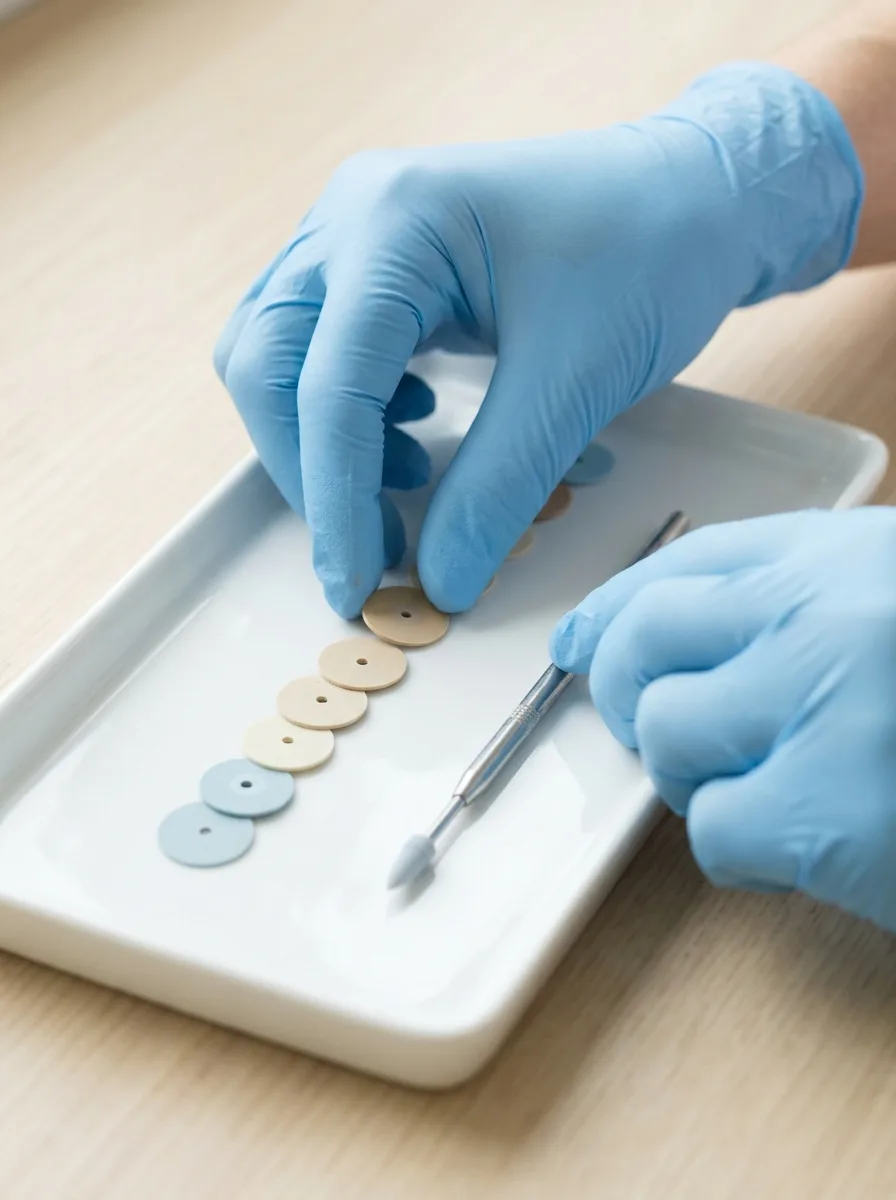
Dental bonding adds tooth-colored composite resin to suitable teeth, while contouring removes a small amount of enamel to adjust shape. These approaches can address selected chips, edges, and minor gaps. The amount of change is limited by tooth structure and the bite, and enamel removed during contouring does not grow back.
A change of shape affects more than the visible outline. The finished edge must work against opposing teeth, and any altered contact needs to remain cleanable. Surface texture and polish also influence how resin blends with enamel. The dentist considers these details when deciding whether adding material, reshaping an edge, or combining small changes is appropriate.
Why These Options May Help
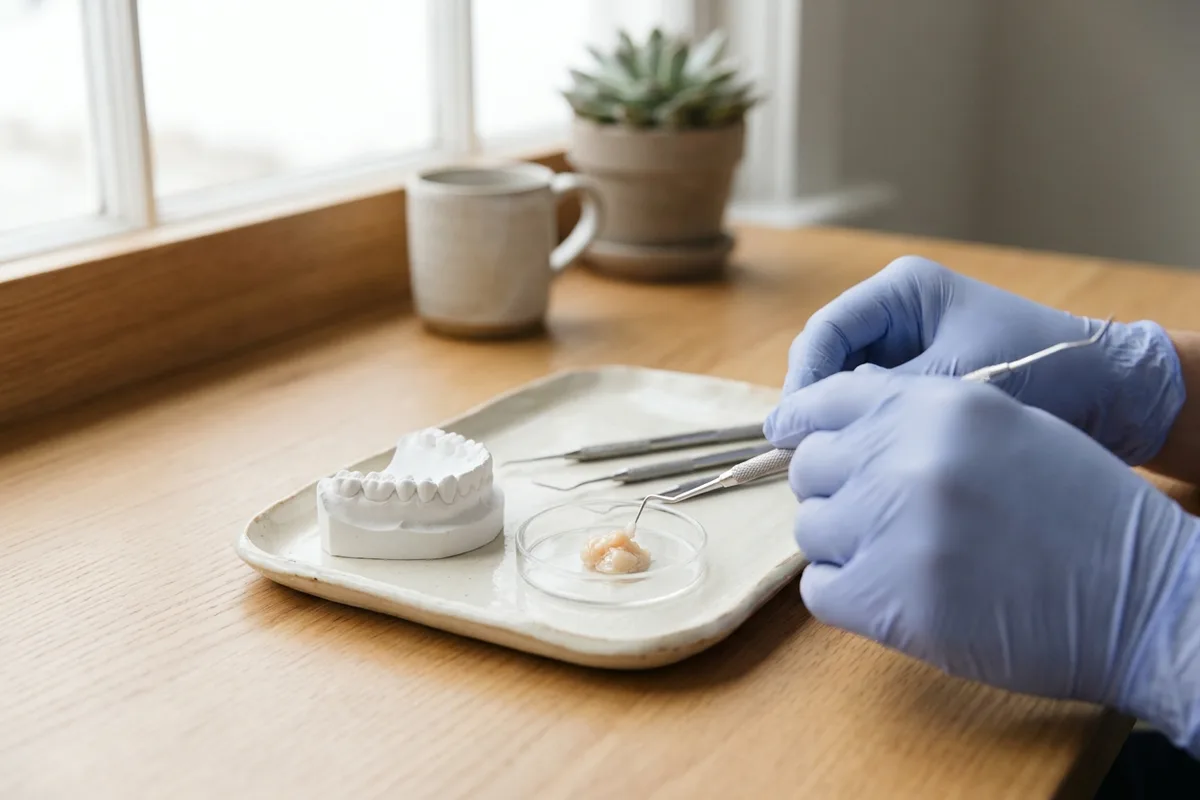
A small shape discrepancy or chipped edge may not need a full veneer or crown. Bonding can add material, and careful contouring can smooth or rebalance an edge. Planning both options allows us to consider an improvement while preserving suitable healthy structure and avoiding excessive removal.
A small chip or uneven edge may be suitable for a limited repair rather than a more extensive restoration. However, repeated chipping can signal forces that need assessment. Adding material without understanding the bite may lead to another fracture. The plan should address the cause where possible and explain how the proposed shape will function during chewing.
- A small chipped edge that catches against the lip.
- A limited gap where an additive repair may be considered.
- An uneven outline that needs a conservative tooth-structure assessment.
Who May Be a Candidate
We assess the size of the defect, enamel thickness, existing restorations, and how the teeth meet. Grinding or biting habits may increase the risk of chipping a repair. Large fractures, decay, or significant tooth position changes can require a different approach instead of cosmetic reshaping alone.
The amount of healthy enamel, defect size, tooth position, and existing restorations affect suitability. A dark area or crack needs assessment before cosmetic reshaping. Contouring cannot correct a major position problem safely by removing large amounts of enamel. If the change you want exceeds conservative limits, orthodontics or another restoration may be a better option.
- Describe repeated chips in the same area after earlier repairs.
- Discuss whitening plans before the composite shade is selected.
- Identify an edge that contacts another tooth during ordinary chewing.
When to Plan Bonding or Contouring
Treatment follows an examination and a discussion of the desired change. Whitening, if appropriate, may be planned before choosing the shade of new bonding.
Some limited repairs can be completed in one visit, while more involved design work may need additional planning. The sequence depends on the individual case.
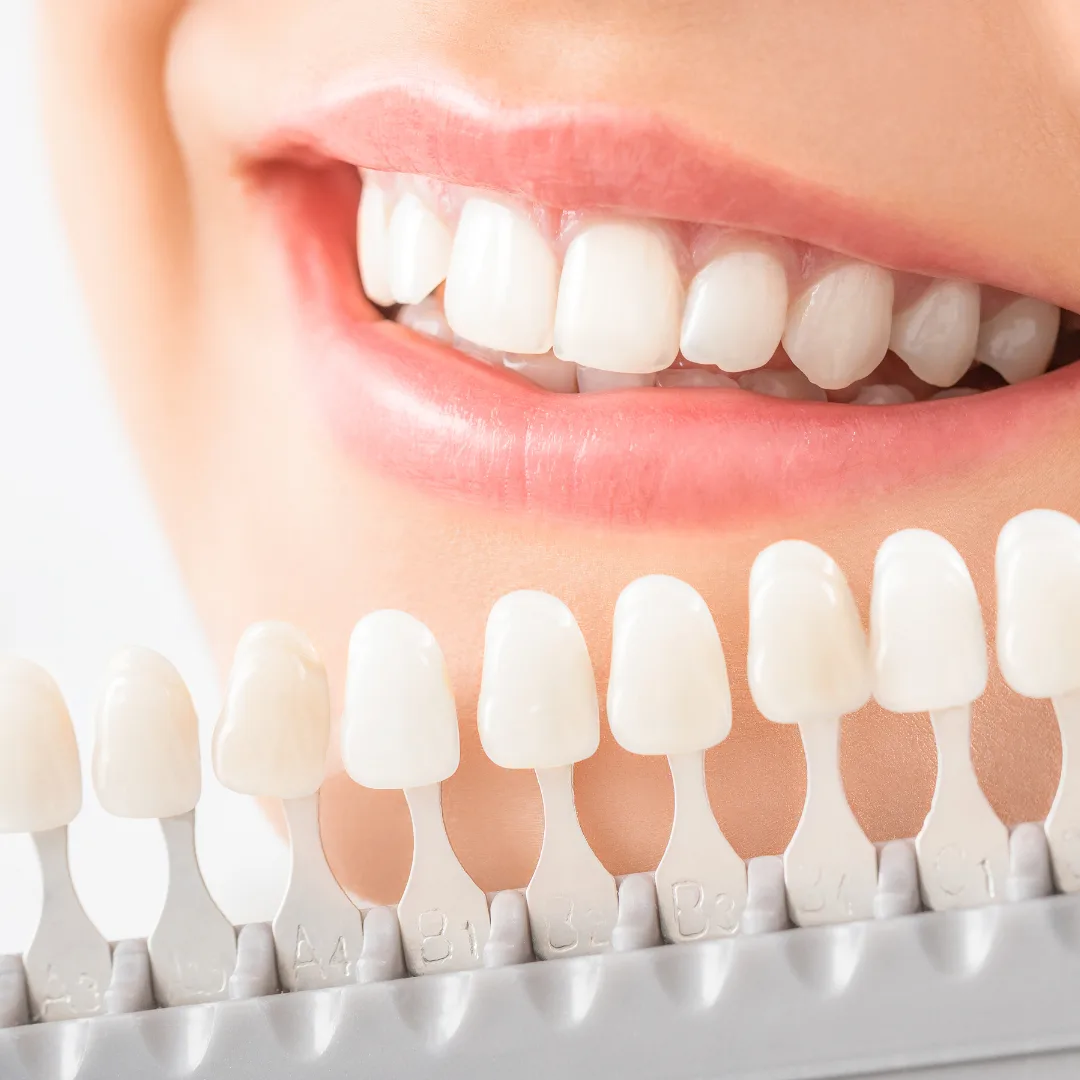
Tell the dentist if you also plan whitening, because composite will not lighten with natural enamel. Shade selection and treatment sequence can affect the match. Small changes may fit one appointment, while a more complex plan needs additional records or stages. Ask which decisions you can review before any irreversible reshaping begins.
The Evaluation Process
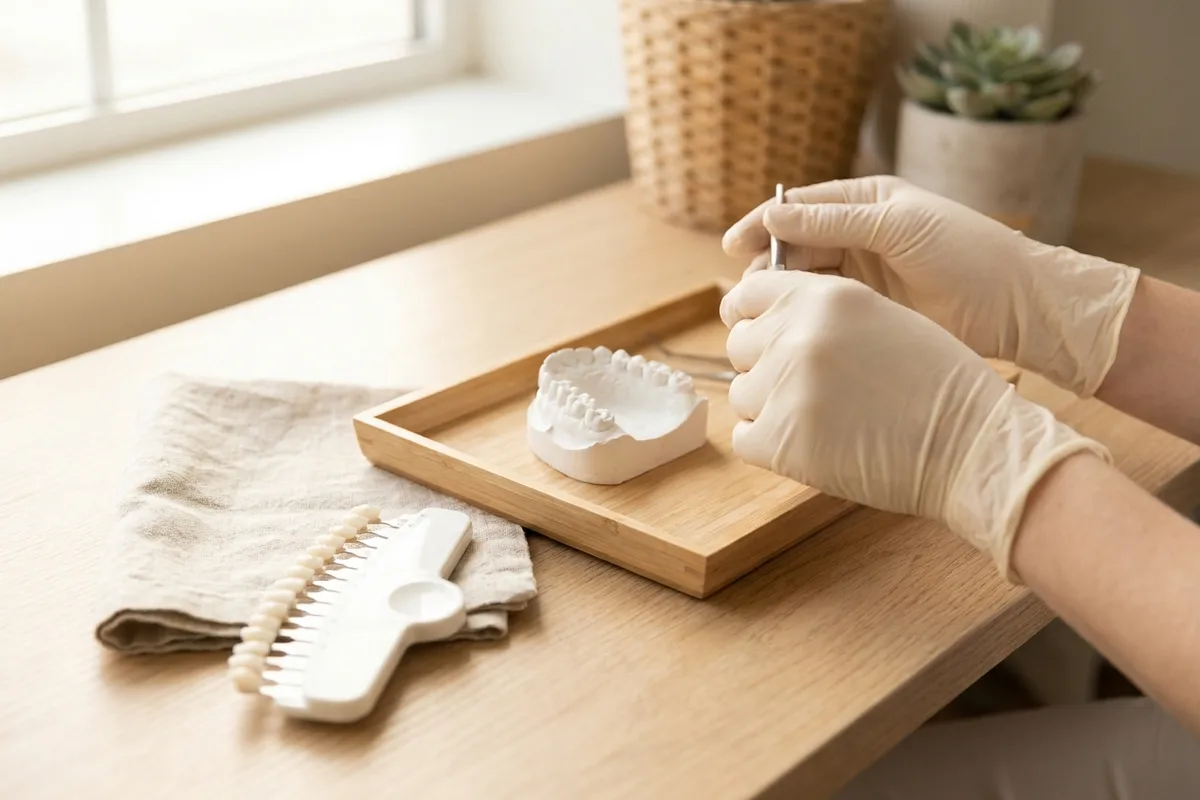
We examine tooth structure and the bite, assess the source of any sensitivity or damage, and review images when needed. Photographs can help discuss proportions. We explain how much material would be added or removed and whether orthodontics, veneers, or restorative care would better address the concern.
The dentist checks the tooth surface, gum health, available enamel, and the way the teeth contact. Photographs or a trial addition may help explain a possible shape. Discuss how the proposed edge affects speech and function. A repair should also leave contacts and margins that you can clean rather than creating an attractive but difficult-to-maintain surface.
Dr. Li assesses jaw-joint stability and movement when bonding forms part of broader smile changes. Joint concerns that need care come first, before elective changes to tooth shape or bite contacts.
- Check whether the desired change needs addition or enamel removal.
- Assess access for polishing and cleaning the proposed contact.
- Review how the selected shape affects speech and biting contacts.
What Treatment Involves
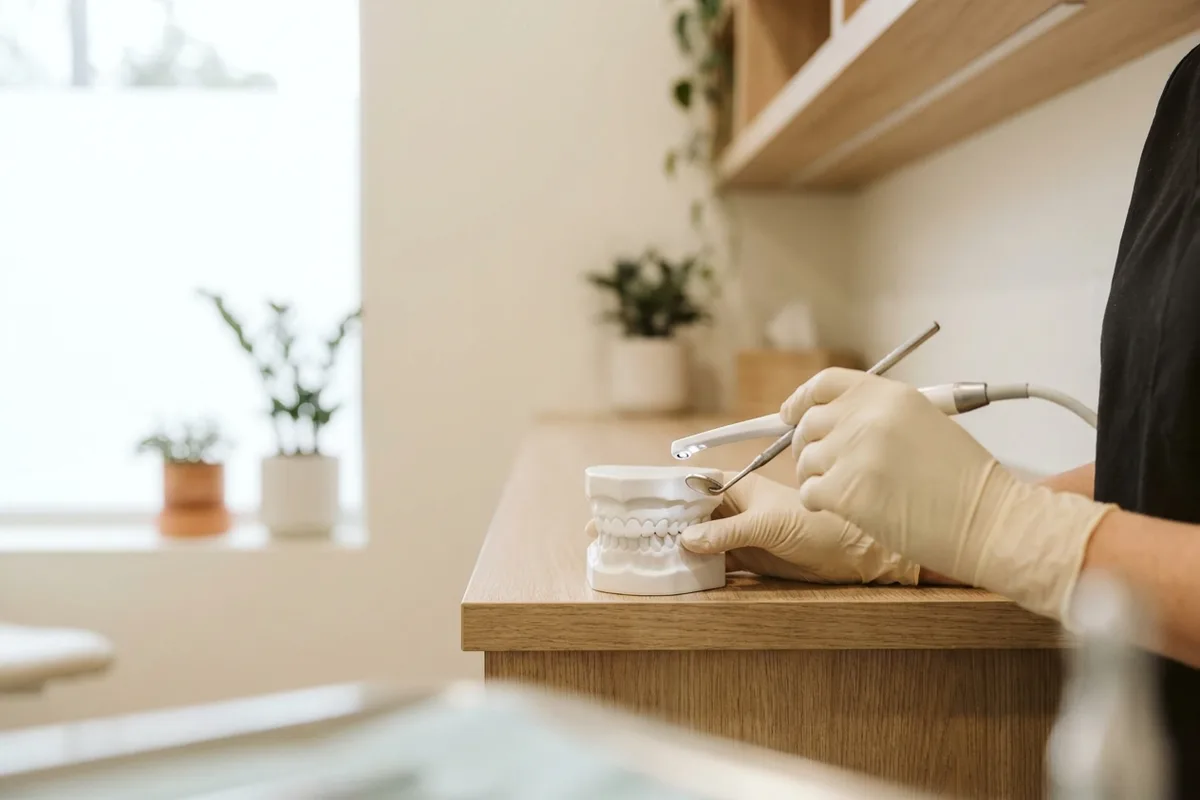
For bonding, the tooth is prepared for adhesion, composite is shaped and hardened, and the surface is polished. Contouring carefully adjusts selected enamel areas before smoothing.
We check the final shape and bite. The procedures may be combined, but neither is appropriate for every cosmetic concern.
For bonding, the clinician prepares the surface, applies resin, hardens it with a light, and shapes and polishes it. Contouring uses controlled enamel reduction where appropriate. The bite is checked afterward. Alternatives include accepting the existing shape, orthodontic movement, or a different restoration. Compare the tissue cost and future maintenance of each option.
Aftercare and Expected Maintenance
Brush, clean between teeth, and avoid biting hard objects or using teeth as tools. Composite can stain, wear, or chip and may need polishing or repair.
Report a sharp edge, persistent sensitivity, or a high bite. Reviews help check the repair and whether habits or bite forces need attention.
Bonding can stain, wear, or chip and may need polishing or repair. Avoid biting pens, opening packets with your teeth, or testing a new edge against hard objects. Continue daily cleaning at the gumline and between teeth. Contact the office if the repaired tooth feels high, has a rough edge, or develops persistent sensitivity after treatment.
- Avoid testing the new edge against packaging or hard objects.
- Ask whether a rough bonded surface can be polished.
- Report floss catching at a contact that was recently altered.

Your Bonding and Contouring Stages
The amount and type of change depend on the tooth and bite. More complex concerns can require further planning instead of immediate reshaping.
- 1
Assess the edge and proposed change
The dentist checks tooth structure, the defect, and opposing contacts to discuss whether an additive repair or limited contouring is appropriate.
- 2
Refine the selected tooth surface
For bonding, the clinician prepares, applies, hardens, and shapes composite. Any agreed contouring removes only the enamel appropriate to the plan.
- 3
Polish and check the new contacts
The finished surface and bite are reviewed, with advice on cleaning, habits that can damage the repair, and symptoms that warrant reassessment.
Services
Other treatments we offer

Make your Nova smile a reality.
Join our family of happy, healthy smiles today and experience the Nova Smile difference!
Questions, answered
About us
Why patients choose Nova Dental Studio
At Nova Dental Studio in Irvine, Dr. Nova Li addresses your immediate concern first. Before broader treatment planning, she assesses joint stability, muscle function, and jaw movement to decide the sequence of care.
Preserve what is healthy
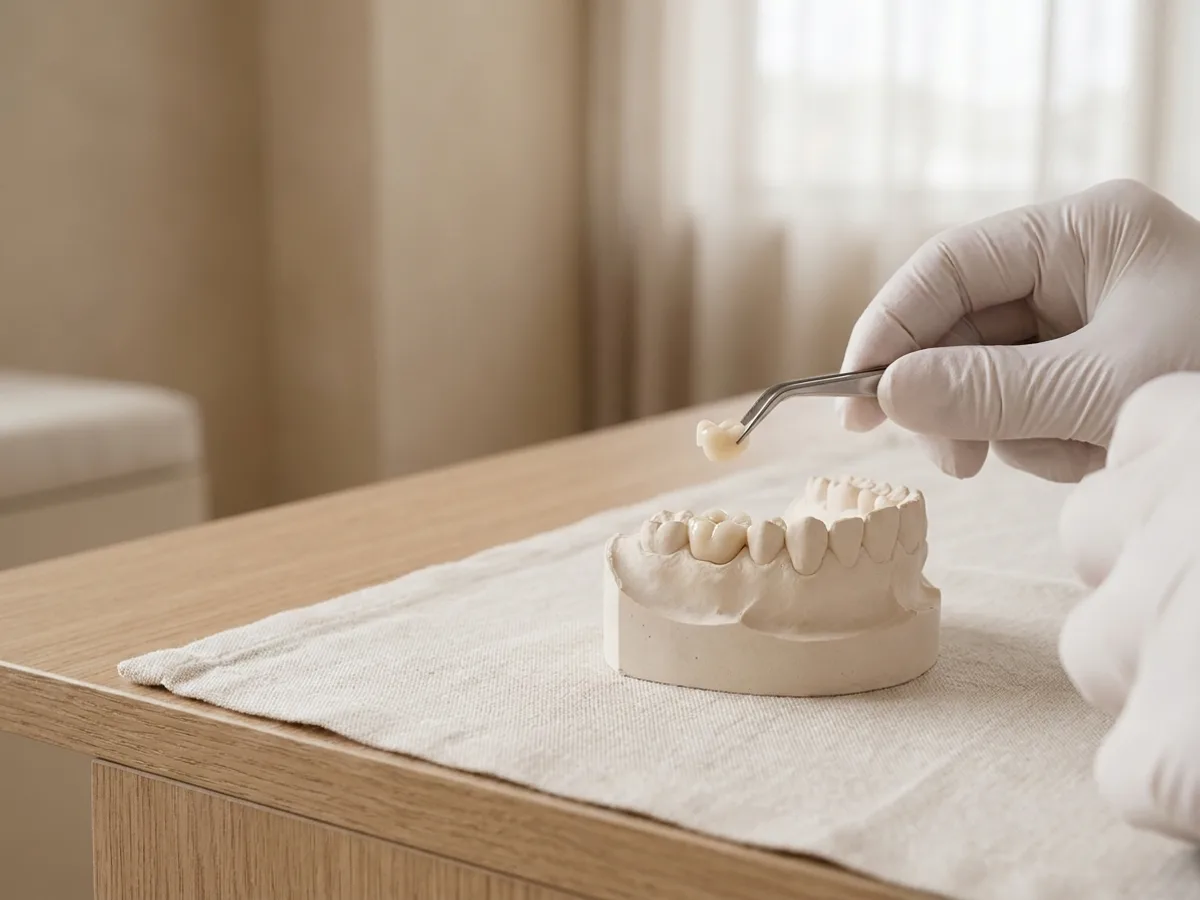
We consider conservative options and the reasons behind damage before recommending how to repair a tooth.
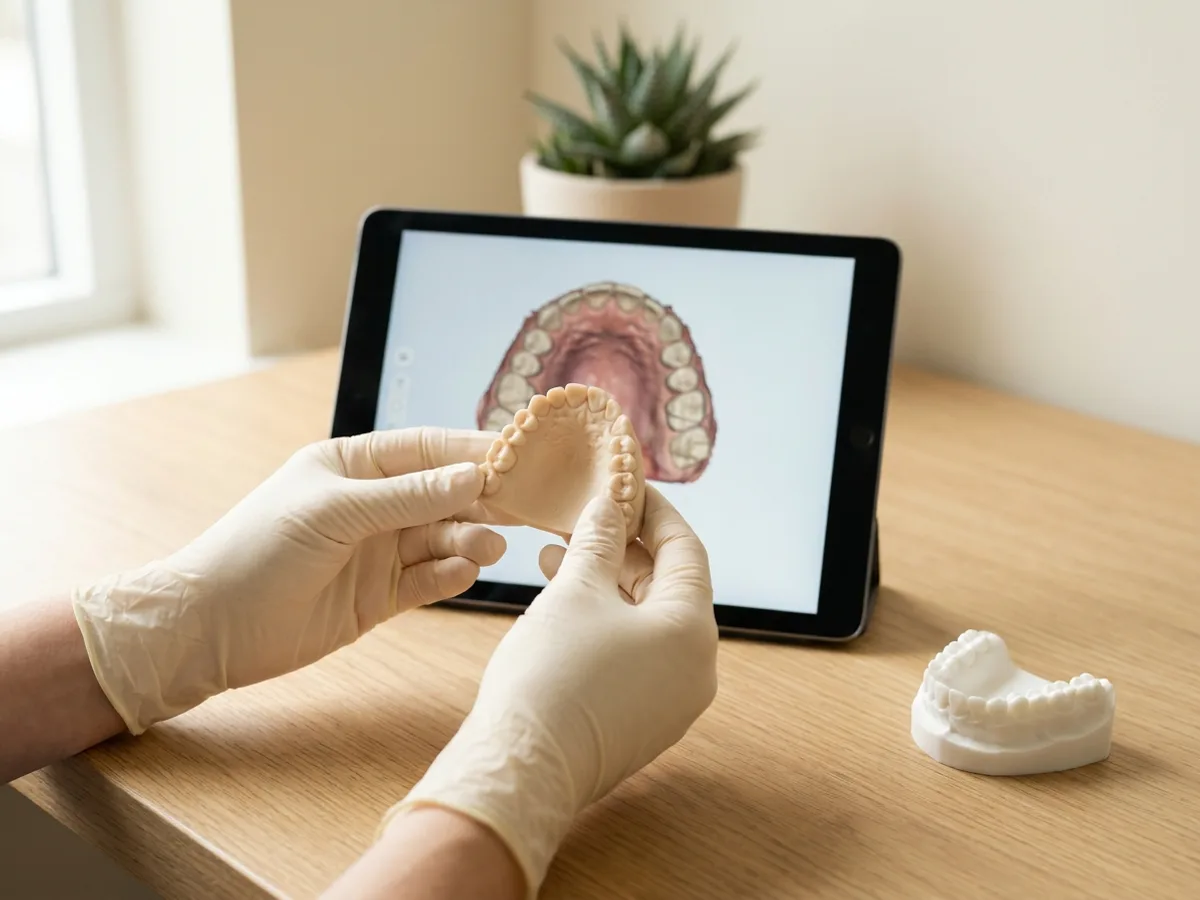
Joint stability first
Dr. Li assesses joint stability and jaw movement before broader restorative, cosmetic, or Invisalign planning. Joint concerns that need care guide what comes first.
Start with your concerns
We explain the immediate priority, the wider picture, and the options that fit your goals.
Nova Dental Studio Proudly Holds Active Memberships





Visit us
We're waiting for you in Irvine
Find our office on the third floor right next to the elevators!
113 Waterworks Way Ste. 335
Irvine, CA 92618
- Mon–Fri
- 9:00AM – 5:00PM
- Sat–Sun
- Closed