
Service
Internal Bleaching in Irvine, CA
Professional assessment and internal whitening of a suitable root-treated tooth that has darkened.

What You Need to Know
Internal bleaching can lighten a discolored tooth that has already had root canal treatment. Whitening material is placed inside the tooth rather than only on its outer surface. It may offer a conservative alternative to covering the tooth with a veneer or crown when the tooth is otherwise suitable.
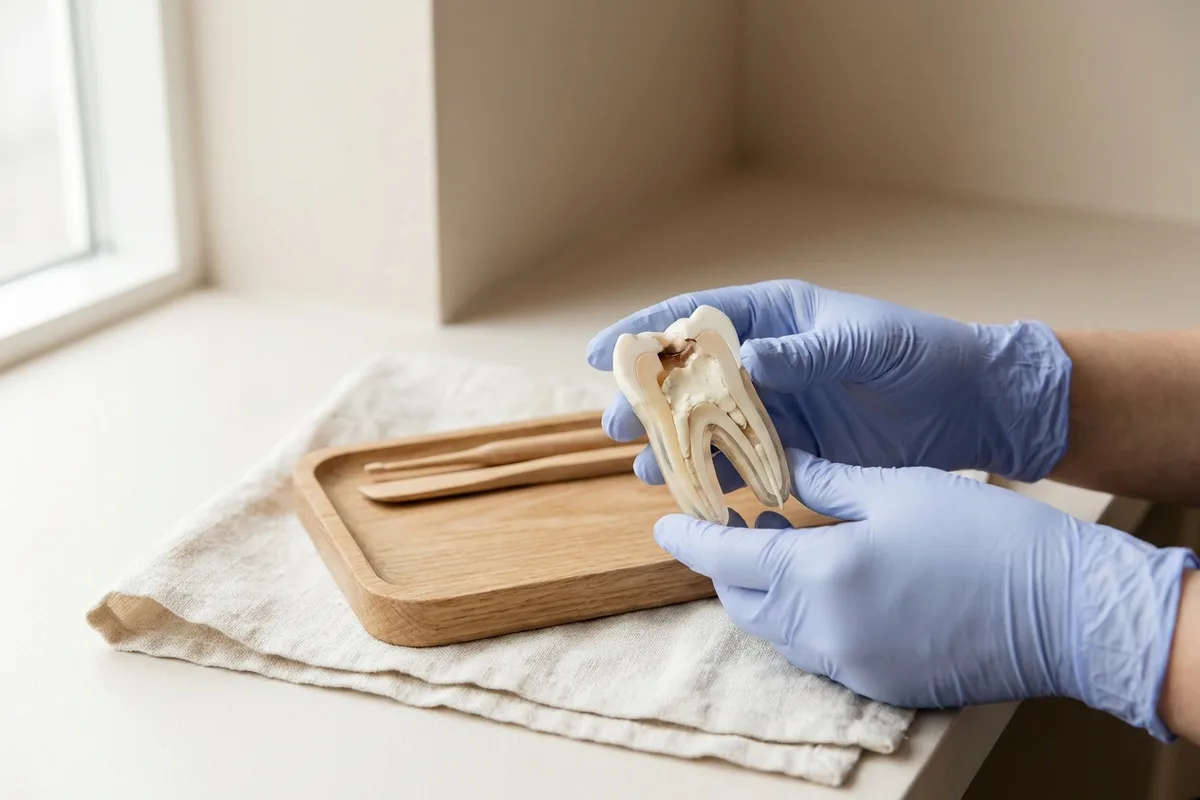
A tooth can darken from changes inside it after injury or root canal treatment. Internal bleaching addresses discoloration within a suitably root-treated tooth. It differs from applying whitening gel only to outer enamel. Before discussing color, the dentist checks whether the tooth is healthy enough for bleaching and whether its existing root treatment and restoration are satisfactory.
Why a Root-Treated Tooth May Darken
Discoloration can relate to previous trauma, changes in the pulp, or materials inside the tooth. Cleaning and ordinary external whitening may not address color from within. The cause needs evaluation because a dark tooth can also have structural or endodontic concerns that should be addressed before cosmetic treatment.
The aim is to improve shade while conserving external tooth structure when that is a reasonable option. A crown or veneer can mask color, but may require more preparation. Bleaching does not repair a crack, resolve a failed root canal, or strengthen a severely weakened tooth. Those problems need their own assessment before cosmetic treatment.
- A root-treated front tooth that differs from neighboring natural teeth.
- Darkening that appears to come from inside the tooth.
- A color concern where external tooth coverage may be avoidable.
Who May Be a Candidate
The tooth needs adequate root canal treatment, an appropriate seal, and enough sound structure for the planned approach. We also consider cracks, decay, and existing restorations. Internal bleaching is not intended as a substitute for root canal care or as a routine treatment for a healthy tooth with a living pulp.
A single dark tooth needs a diagnosis rather than an assumption that it is ready for bleaching. The dentist checks the history of injury, root treatment, and any current symptoms. Some teeth need endodontic review or restoration first. Changes around the root, inadequate remaining structure, or certain defects can make another approach more appropriate.
- Share the date and history of any dental injury.
- Identify current pain instead of assuming the concern is cosmetic.
- Discuss earlier bleaching or repeated repairs to the same tooth.
When to Consider Bleaching
An assessment comes first, particularly if the tooth has pain, swelling, or a history of trauma. Treatment may involve several applications and reviews before the final restoration is placed. The timing is based on the tooth’s condition and shade response, so an exact match or single-visit result cannot be assumed.
Treatment may involve more than one review before the final shade and restoration are settled. Discuss how the tooth will be sealed between visits and when the final filling can be placed. Cosmetic planning may also need to account for surrounding natural teeth. Avoid scheduling on the assumption that every tooth reaches the desired shade in one appointment.

The Evaluation Process
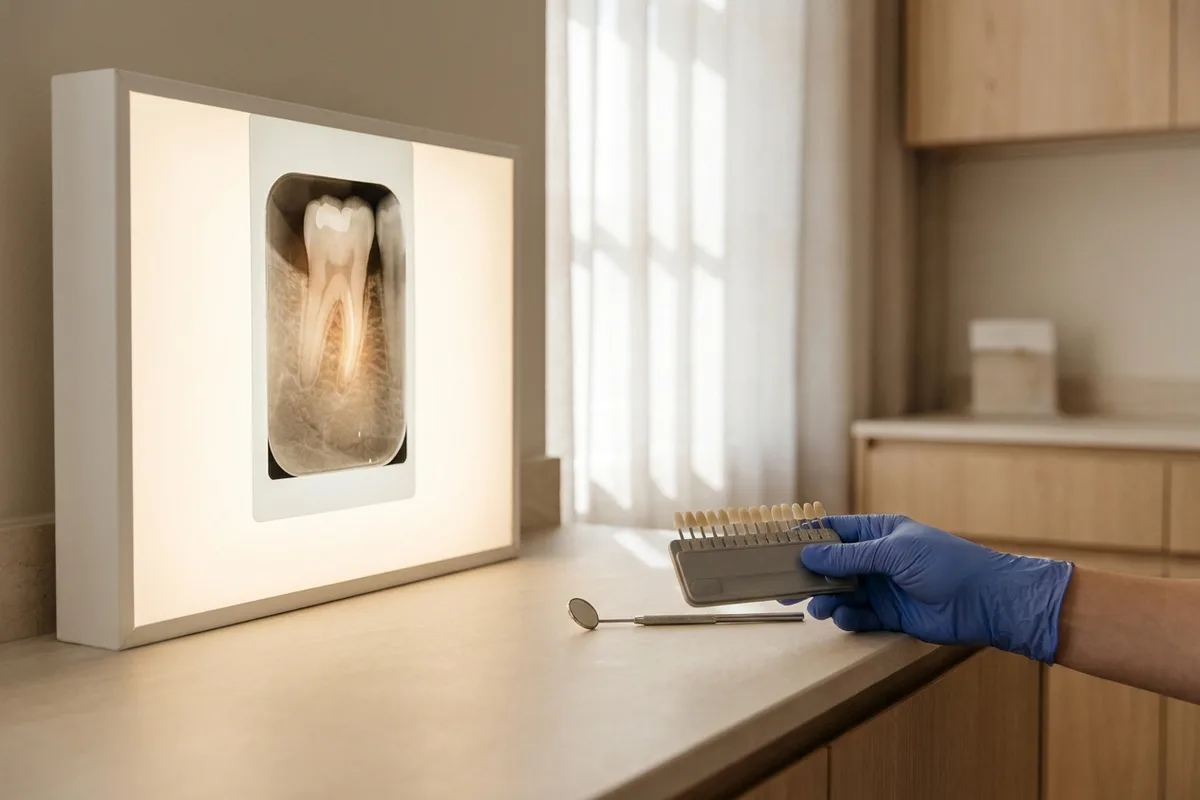
We examine the tooth and nearby gums, review the root canal history, and use appropriate imaging to assess the root and surrounding tissues. We discuss structural stability, the source of discoloration, and risks including cervical root resorption. The findings determine whether bleaching or another approach is appropriate.
Examination and appropriate radiographs help assess the root filling, surrounding tissues, and condition of the crown of the tooth. The dentist records the starting color and discusses the chance of improvement or later darkening. Ask about the risk of external cervical root resorption and whether your history of trauma or previous treatment changes the risk discussion.
Dr. Li reviews the cause of darkening and the tooth as a whole before considering a shade change. Cosmetic goals follow assessment of its condition.
- Review the root-filling seal before selecting a bleaching approach.
- Check the existing access restoration for leakage or structural weakness.
- Record the starting color alongside adjacent untreated teeth.
What Treatment Involves
The dentist accesses the internal chamber and places a protective barrier over the root filling before using whitening material. The tooth is temporarily sealed and reviewed as needed.
Once the whitening stage is complete, a suitable final restoration closes the access. The exact sequence depends on the clinical findings and chosen technique.
For a sealed internal approach, the clinician accesses the inner chamber, protects the root-filling area with an appropriate barrier, and places the selected bleaching material. Temporary sealing and review follow the chosen technique. Other methods require different instructions. This is professional treatment. Do not open a tooth, place household bleach inside it, or improvise a home regimen.
Aftercare and Shade Review
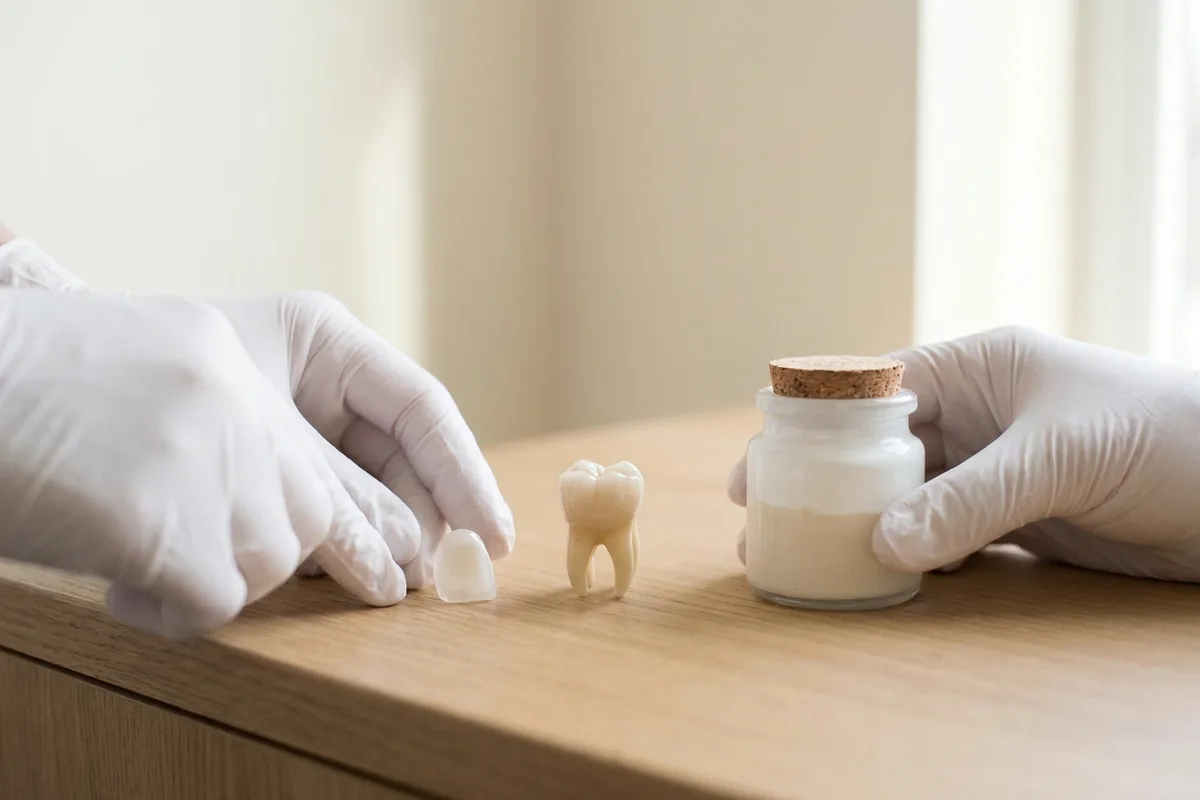
Follow the instructions for the temporary restoration and attend review appointments. Color response varies, and discoloration can return over time.
A restoration or another cosmetic approach may still be needed. Contact us about pain, swelling, a loose temporary filling, or changes around the gumline so the tooth can be checked.
Follow the advice about biting on the tooth while temporary protection is in place. Contact the office if the temporary filling loosens, pain develops, or you notice swelling. The final restoration restores the access seal after the bleaching stage. Later review checks the tooth as well as its shade, because an improved appearance does not replace ongoing clinical assessment.
- Protect a temporary access filling from unnecessary biting pressure.
- Report loss of the temporary seal before the planned review.
- Keep follow-up checks even if the color improvement seems satisfactory.

Your Internal Bleaching Stages
The tooth's health and shade response guide the stages. Temporary sealing and review may be needed before the final access restoration.
- 1
Confirm root-treated tooth suitability
The dentist reviews symptoms, treatment history, tooth structure, and relevant images to assess whether bleaching or another approach is appropriate.
- 2
Protect and treat the internal chamber
For a suitable sealed approach, the clinician protects the root-filling area and applies the selected material with the necessary temporary seal and review instructions.
- 3
Review shade and complete the seal
The clinician checks the response and tooth health before final restoration of the access. Further reviews monitor symptoms and any later shade change.
Services
Other treatments we offer



Make your Nova smile a reality.
Join our family of happy, healthy smiles today and experience the Nova Smile difference!
Questions, answered
About us
Why patients choose Nova Dental Studio
At Nova Dental Studio in Irvine, Dr. Nova Li addresses your immediate concern first. Before broader treatment planning, she assesses joint stability, muscle function, and jaw movement to decide the sequence of care.
Preserve what is healthy
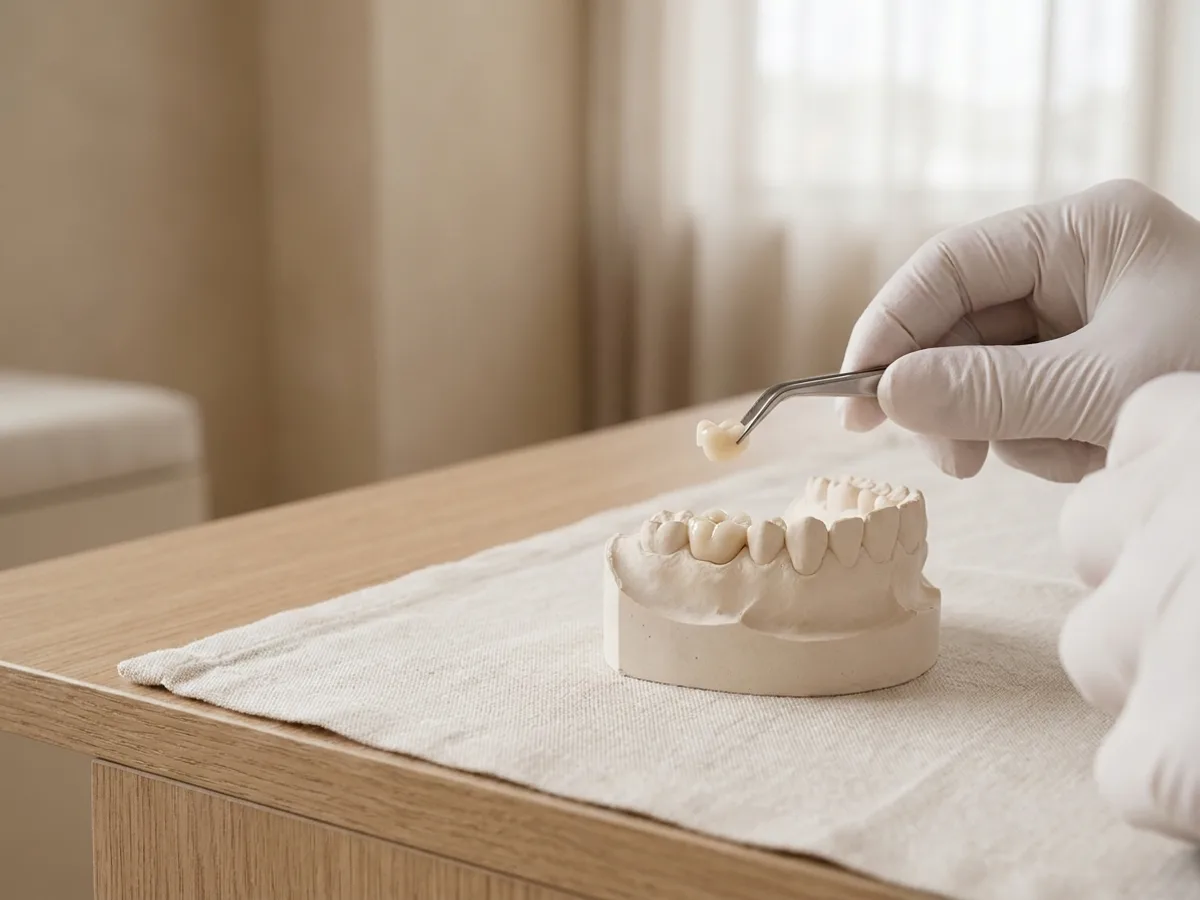
We consider conservative options and the reasons behind damage before recommending how to repair a tooth.
Joint stability first
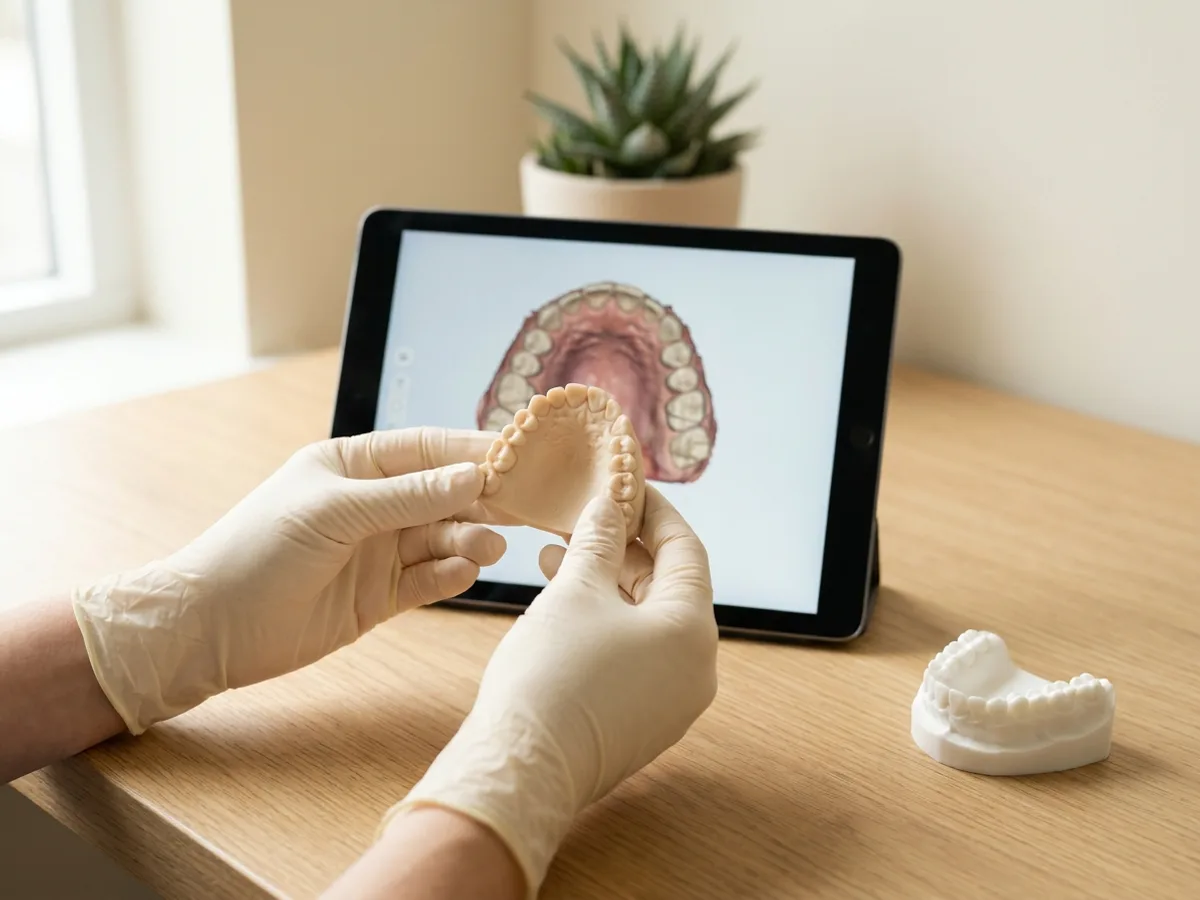
Dr. Li assesses joint stability and jaw movement before broader restorative, cosmetic, or Invisalign planning. Joint concerns that need care guide what comes first.

Start with your concerns
We explain the immediate priority, the wider picture, and the options that fit your goals.
Nova Dental Studio Proudly Holds Active Memberships








Visit us
We're waiting for you in Irvine
Find our office on the third floor right next to the elevators!
113 Waterworks Way Ste. 335
Irvine, CA 92618
- Mon–Fri
- 9:00AM – 5:00PM
- Sat–Sun
- Closed