Service
BOTOX for TMD /
A discussion of muscle-related symptoms, conservative options, and the uncertain evidence for BOTOX in TMD care.
What You Need to Know
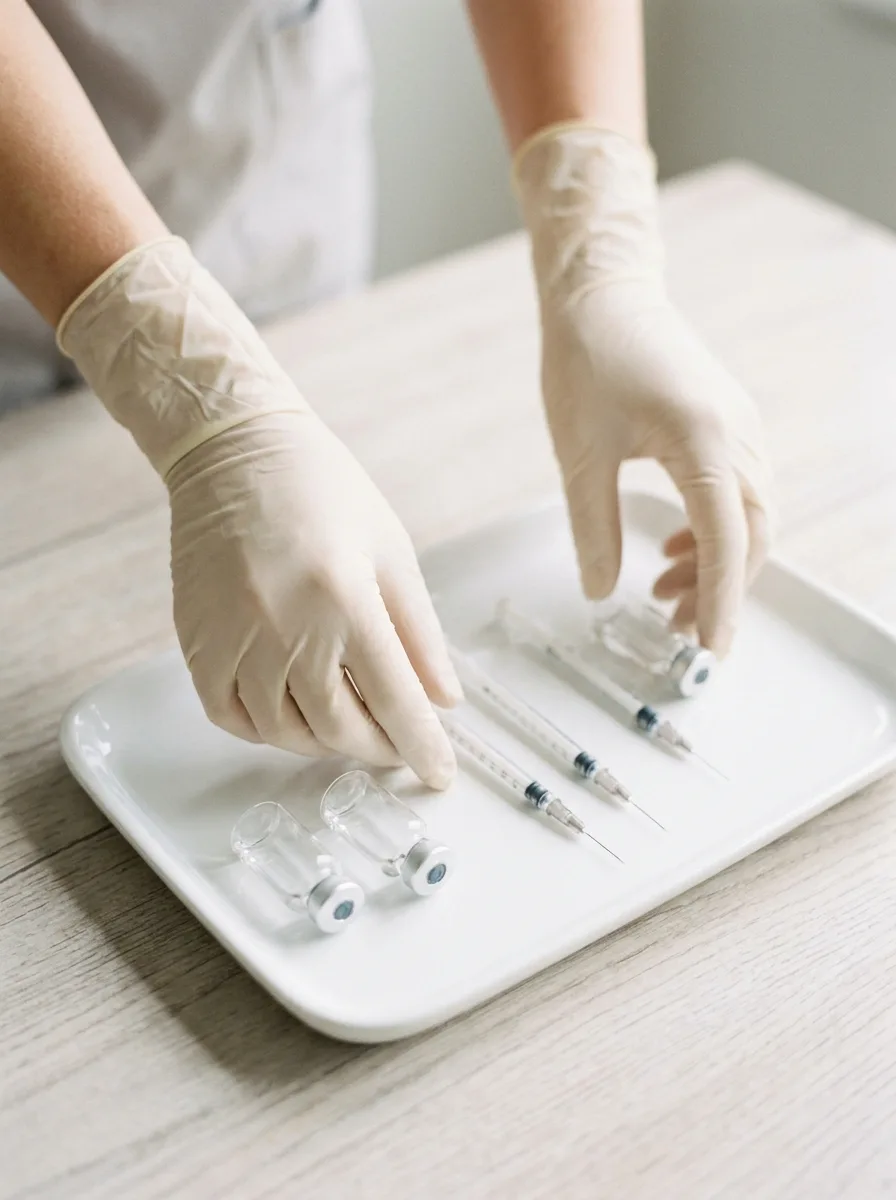
Botulinum toxin may be considered for selected muscle-related jaw concerns after an assessment. Its use for TMD and bruxism is off-label, and evidence of benefit is mixed. It is not a general treatment for every headache, facial pain, or jaw symptom, and other diagnoses may need medical or specialist care.
TMD, bruxism, headache, and migraine are different conditions even when symptoms overlap. Botulinum toxin reduces activity in targeted muscles for a limited period. Its approved chronic migraine use has specific diagnostic and treatment requirements. That approval does not establish that every jaw injection treats migraine or that toxin is an approved treatment for TMD or bruxism.
Why Identifying the Cause Matters
TMD can involve jaw muscles, joints, and other contributing factors. Clenching, tooth wear, headaches, and facial pain do not all share the same cause. A careful diagnosis helps decide whether muscle-directed treatment is reasonable and whether a conservative approach or another clinician’s assessment should come first.
Jaw pain can arise from joints, muscles, teeth, and other causes. Teeth grinding can occur during sleep or while awake, and some people have damage without recognizing the habit. A useful plan identifies the main problem before choosing treatment. Reducing muscle activity does not restore a damaged tooth or resolve every source of headache and facial pain.
- Persistent muscle-related symptoms despite an appropriately reviewed conservative plan.
- Repeated tooth damage that needs protection as well as diagnosis.
- Overlapping headaches that require a distinct medical assessment.
Concerns to Bring to Evaluation
Describe where the discomfort occurs, how long it lasts, and whether chewing or jaw movement changes it. Mention locking, sleep-related symptoms, previous treatments, and medications. New or unusual headaches and unexplained facial pain may require medical evaluation rather than being assumed to result from bruxism.
Describe the location, frequency, and triggers of pain and any tooth damage, jaw locking, or sleep symptoms. Bring a record of earlier treatments and their effects. A sudden severe headache or new neurological symptom needs urgent medical assessment. Do not assume a new headache belongs to an established dental or jaw condition without an appropriate evaluation.
- Record the frequency and triggers of symptoms before consultation.
- List medicines and previous injection products for the clinician.
- Explain chewing weakness or swallowing difficulty that existed before treatment.
When Treatment May Be Considered
Conservative, reversible care is usually considered before invasive or irreversible TMD treatment. If injections are discussed, timing follows the assessment and an explanation of uncertain benefits, temporary effects, and potential harms. Repeat treatment is not automatic and should depend on the response and the ongoing clinical need.
Conservative care and a clear diagnosis generally come before more invasive options. If symptoms persist, the clinician can review whether further medical or orofacial pain assessment is appropriate. A treatment trial should define the intended improvement and follow-up. Avoid repeated injections solely because a certain interval has passed, especially if earlier treatment did not provide a meaningful benefit.

The Evaluation Process
We assess the jaw, muscles, teeth, and history of pain, and consider other possible sources of symptoms. Imaging or referral is arranged when it would help answer a clinical question. We discuss off-label use and alternatives, including whether the concern falls outside dental management.
The clinician reviews muscle and joint findings, teeth, medical history, and medicines. They should explain that TMD and bruxism uses are off-label and that evidence for TMD symptom relief remains uncertain. Ask how response will be assessed and which risks apply to your history. Existing swallowing, breathing, or neuromuscular problems need particular discussion before treatment.
Dr. Li assesses joint stability, muscles, teeth, and movement before discussing options. Joint findings guide what needs attention before broader elective dental work. Motion tracking alone does not establish the cause of pain.
- Distinguish muscle tenderness from tooth pain or joint locking.
- Define a meaningful improvement to assess after any treatment trial.
- Discuss when an orofacial pain or medical referral is appropriate.
Options and Tradeoffs
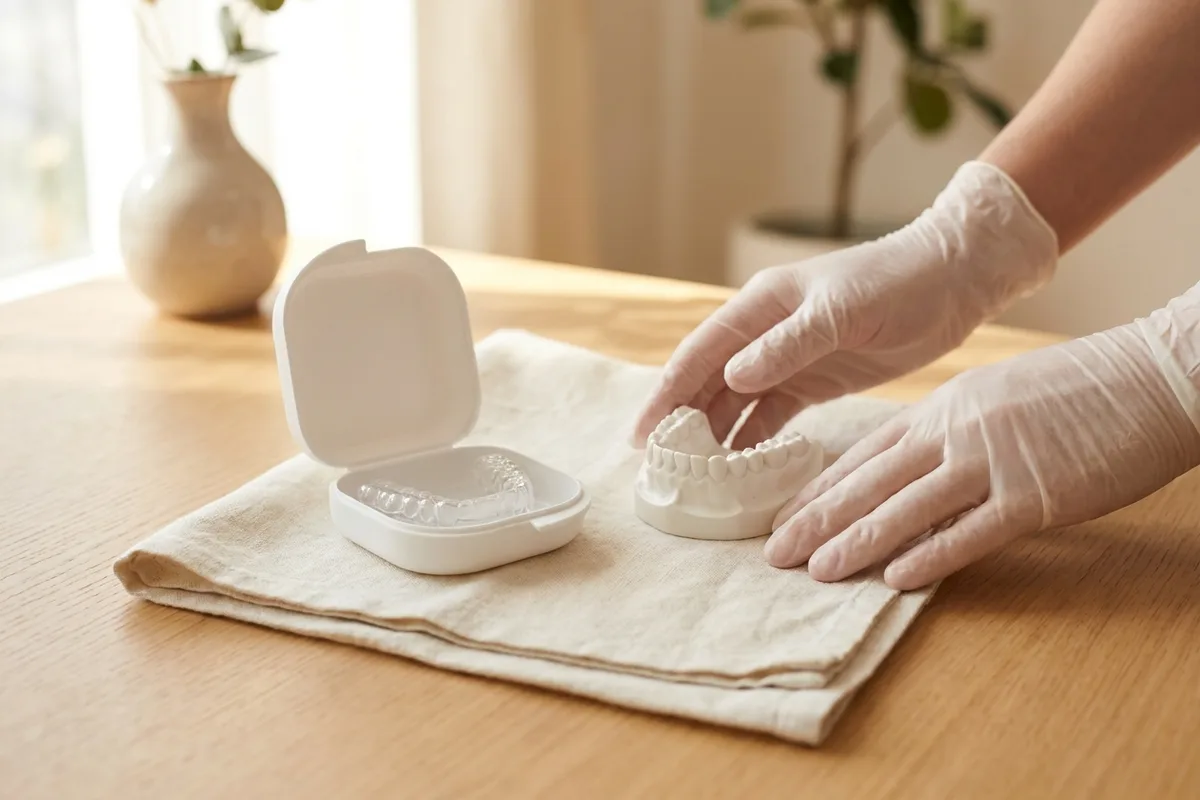
A plan may include education, habit changes, appropriate exercises, or a monitored appliance when indicated. Selected muscle injections are one possible option, with risks that can include chewing weakness and changes in function. Treatment should have a defined goal and review plan rather than a promise to stop grinding or eliminate headaches.
Options can include tooth protection, habit management, physical therapy, and other care selected for the diagnosis. Injections can cause soreness, bruising, chewing weakness, and changes in facial movement. They may not replace a protective appliance or other treatment. Compare the uncertain benefit, cost, need for reassessment, and potential risks before choosing an off-label procedure.
Aftercare and Review
Follow the treating clinician’s instructions and report unexpected weakness, asymmetry, or worsening symptoms. Seek urgent help for swallowing or breathing difficulty.
At follow-up, we review both benefit and adverse effects before considering further care. Persistent symptoms may warrant reassessment of the diagnosis instead of simply repeating injections.
Report unwanted weakness, a change in chewing, or worsening symptoms after treatment. Seek immediate medical care for breathing, swallowing, or speaking difficulty. Keep a symptom record for the planned review so the clinician can compare function and pain with your starting point. Further treatment should follow that assessment rather than a promise of permanent relief.
- Keep a symptom record rather than judging one isolated day.
- Report a new change in chewing strength or facial movement.
- Seek immediate medical care for breathing, swallowing, or speech difficulty.
Assessment and Review for Therapeutic BOTOX
A clear diagnosis and conservative options come first. Off-label treatment, when chosen, needs an individual goal and review rather than automatic repetition.
- 1
Clarify the pain or grinding diagnosis
The clinician reviews symptoms, teeth, jaw findings, medical history, and earlier treatment to distinguish possible causes and appropriate conservative or referral options.
- 2
Discuss and provide a suitable treatment trial
If injections are selected, the clinician explains off-label use, uncertain benefit, and risks before treatment and gives product-specific aftercare instructions.
- 3
Compare response with the agreed goal
Follow-up reviews function, symptoms, and adverse effects against the starting point. Further treatment depends on that assessment rather than a promised lasting cure.
Services
Other treatments we offer
Make your Nova smile a reality.
Join our family of happy, healthy smiles today and experience the Nova Smile difference!
Questions, answered
About us
Why patients choose Nova Dental Studio
At Nova Dental Studio in Irvine, Dr. Nova Li addresses your immediate concern first. Before broader treatment planning, she assesses joint stability, muscle function, and jaw movement to decide the sequence of care.
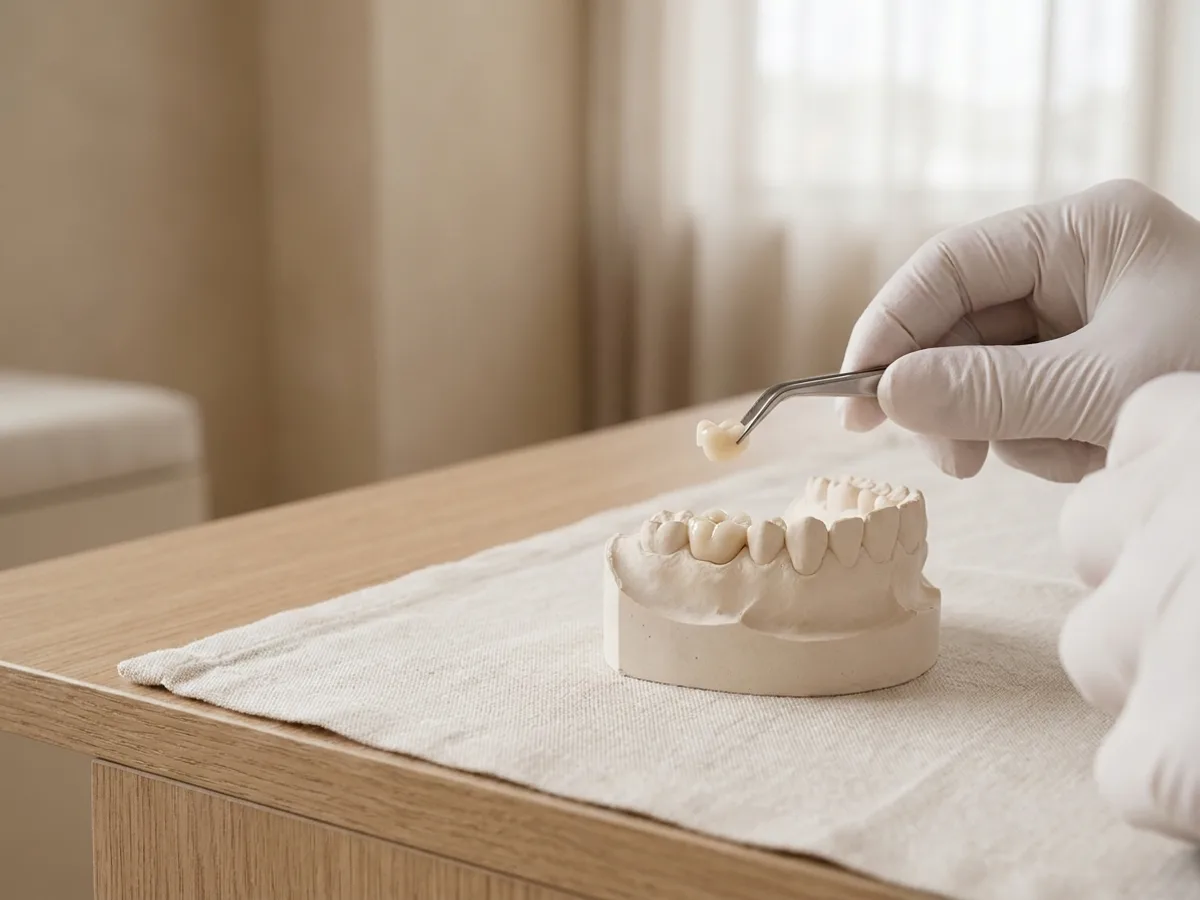
Preserve what is healthy
We consider conservative options and the reasons behind damage before recommending how to repair a tooth.
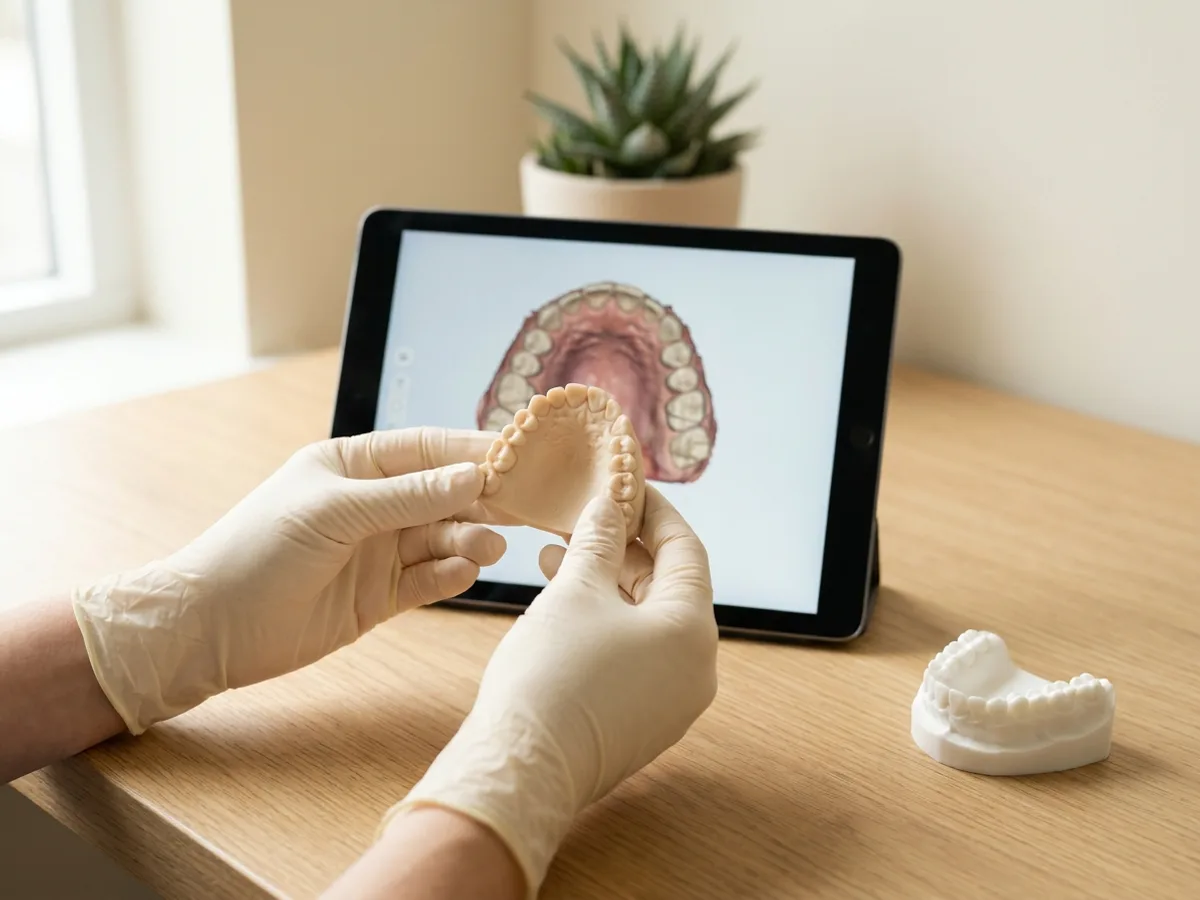
Joint stability first
Dr. Li assesses joint stability and jaw movement before broader restorative, cosmetic, or Invisalign planning. Joint concerns that need care guide what comes first.
Start with your concerns
We explain the immediate priority, the wider picture, and the options that fit your goals.
Nova Dental Studio Proudly Holds Active Memberships





Visit us
We're waiting for you in Irvine
Find our office on the third floor right next to the elevators!
113 Waterworks Way Ste. 335
Irvine, CA 92618
- Mon–Fri
- 9:00AM – 5:00PM
- Sat–Sun
- Closed