
Service
Crowns & Bridges in Irvine, CA
Crown and bridge planning starts with assessment of tooth support, joint stability, and jaw movement. Those findings guide the sequence of broader restorative care.
What You Need to Know
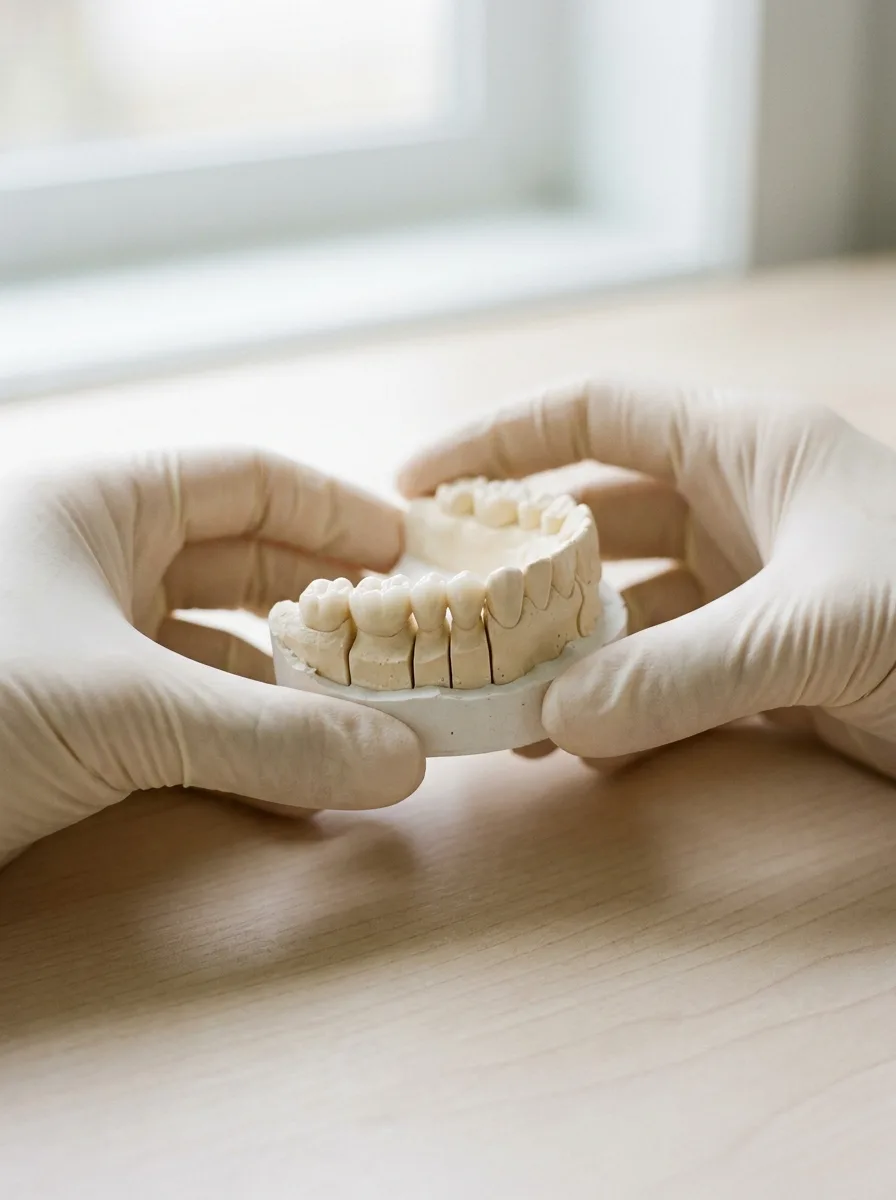
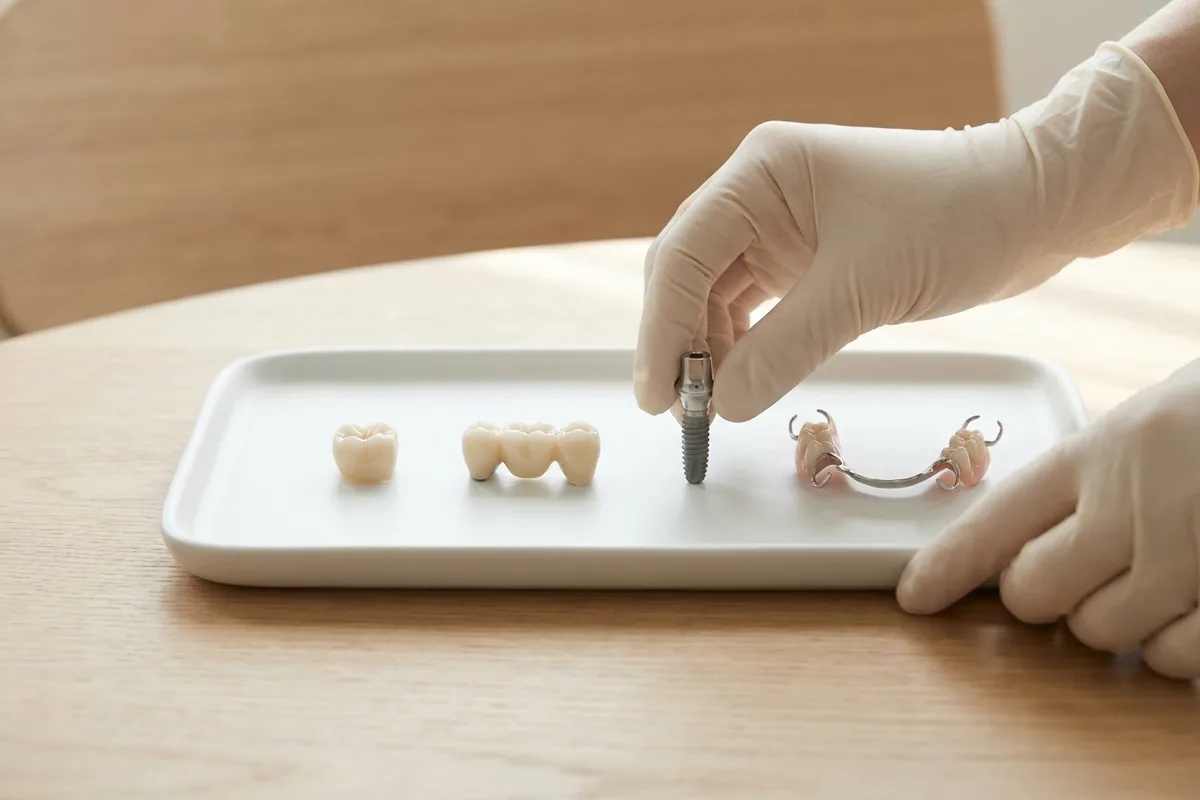
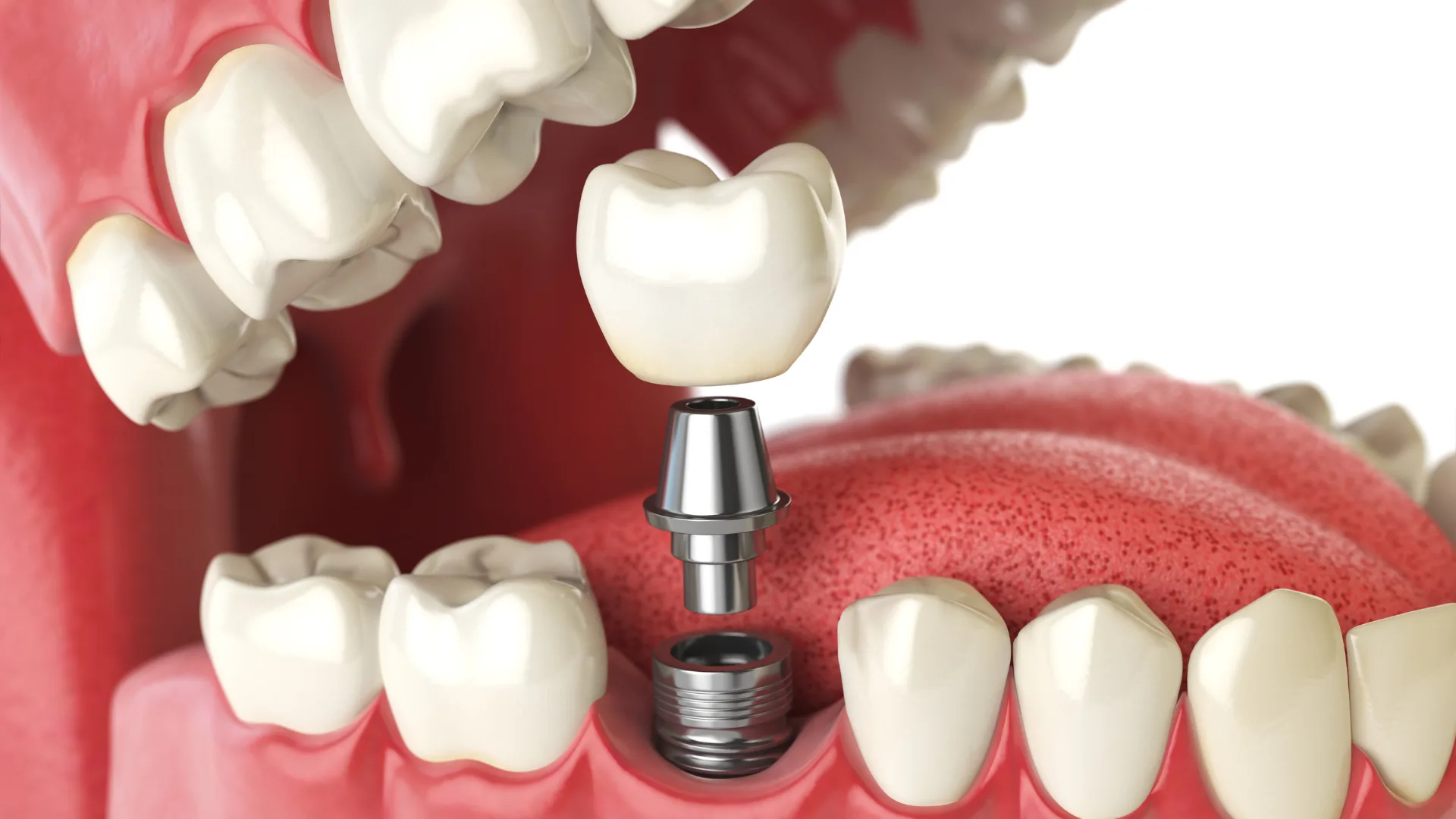
A crown covers and restores a damaged tooth, while a bridge replaces a missing tooth using support from neighboring teeth or implants. These restorations can help with chewing, tooth shape, and appearance. The right design depends on the condition of the supporting teeth and your overall bite.
The replacement needs a shape that works with the opposing teeth and leaves access for cleaning. For a bridge, the supporting units carry forces from the replacement tooth as well as their own contacts. The dentist considers that added demand when designing the restoration. Appearance, support, and cleanability need to work together in the finished plan.
Why a Crown or Bridge May Help
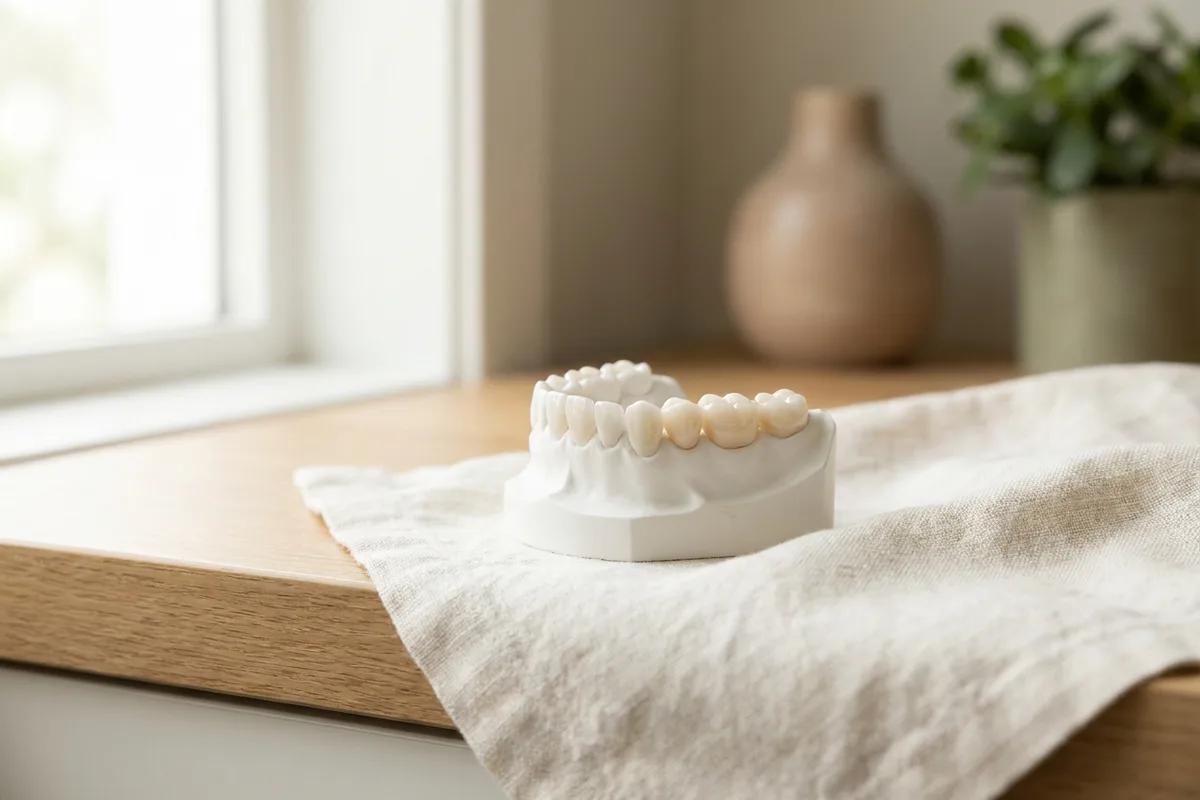
A tooth with extensive damage, a large restoration, or certain fractures may benefit from coverage. A bridge can fill a gap when its supporting teeth or implants are suitable. We assess the whole area so that restoring one tooth does not overlook decay, gum disease, or problems with the bite.
A tooth with extensive decay or a large fracture may need more support than a filling can provide. A missing tooth can also change chewing and leave a space that collects food. Replacement is an individual decision. The health of neighboring teeth and your ability to clean beneath a bridge are important parts of that discussion.
- A weakened tooth with insufficient structure for another filling.
- A gap that affects where you comfortably chew food.
- An older restoration with repeated fractures or failing margins.
Signs That Need Assessment
A broken tooth, repeated filling failure, pain on chewing, or difficulty eating after losing a tooth deserves examination. Not every damaged tooth needs a crown, and not every gap is best treated with a bridge. Symptoms and the amount of healthy tooth structure help guide the recommendation.
Tell the dentist about biting discomfort, a loose restoration, gum bleeding, or a tooth that repeatedly chips. Supporting teeth need enough healthy structure and gum support for the proposed design. Active decay or periodontal disease may need treatment first. A crown cannot make an unrestorable root healthy or remove the need to manage an existing infection.
- Discuss previous root canal treatment on a proposed supporting tooth.
- Explain difficulty cleaning underneath an existing fixed tooth replacement.
- Mention movement or discomfort in a tooth beside the gap.
When to Begin Treatment
Treatment may be planned after addressing active decay, gum problems, or root canal needs. Custom work can involve preparation, a temporary restoration, and a later fitting appointment. A missing tooth replacement should be considered alongside healing, neighboring tooth health, and alternatives rather than rushed for appearance alone.
Your schedule may include preparation, a temporary restoration, and a later fitting appointment. The timing depends on the design and any earlier treatment. Ask how the temporary will protect the tooth and what to do if it moves. Plan cosmetic shade decisions before fabrication, particularly if you also want to whiten your natural teeth.
The Evaluation Process
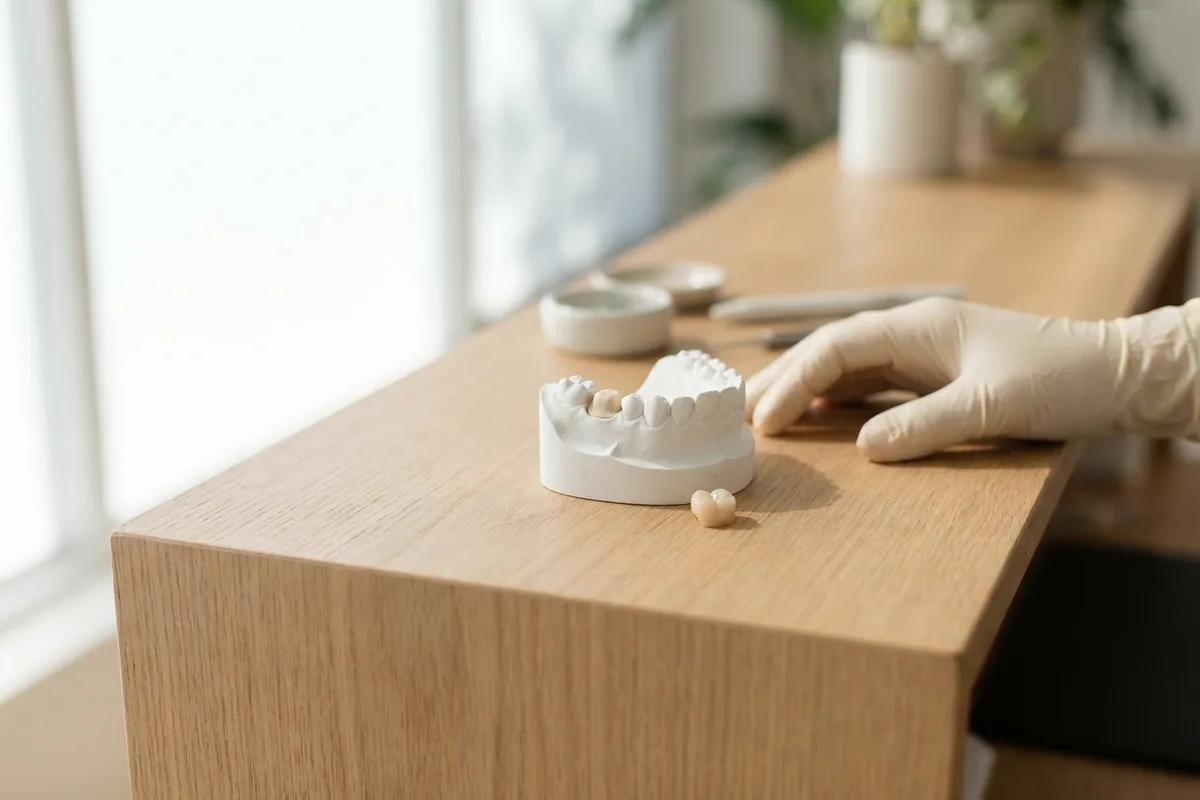
We examine the teeth, gums, and bite and review appropriate images. For a bridge, the strength and condition of its supports are especially important.
We discuss material choices, cleaning access, and likely maintenance. An implant or removable replacement may be preferable in some situations.
Assessment may include tooth vitality tests, selected radiographs, bite records, and a review of existing restorations. For a bridge, the dentist checks each proposed support and the span between them. The plan should explain whether additional tooth preparation is needed and whether an implant, removable appliance, or another option would preserve more healthy structure.
Before broader crown or bridge planning, Dr. Li assesses joint stability, position, and jaw movement. Joint concerns that need attention come before elective changes to the bite. MODJAW records may inform that assessment.
- Assess each bridge support rather than only the missing space.
- Check whether opposing contacts place stress on a vulnerable area.
- Plan a cleaning route beneath the replacement tooth before fitting.
Restoration Options and Placement
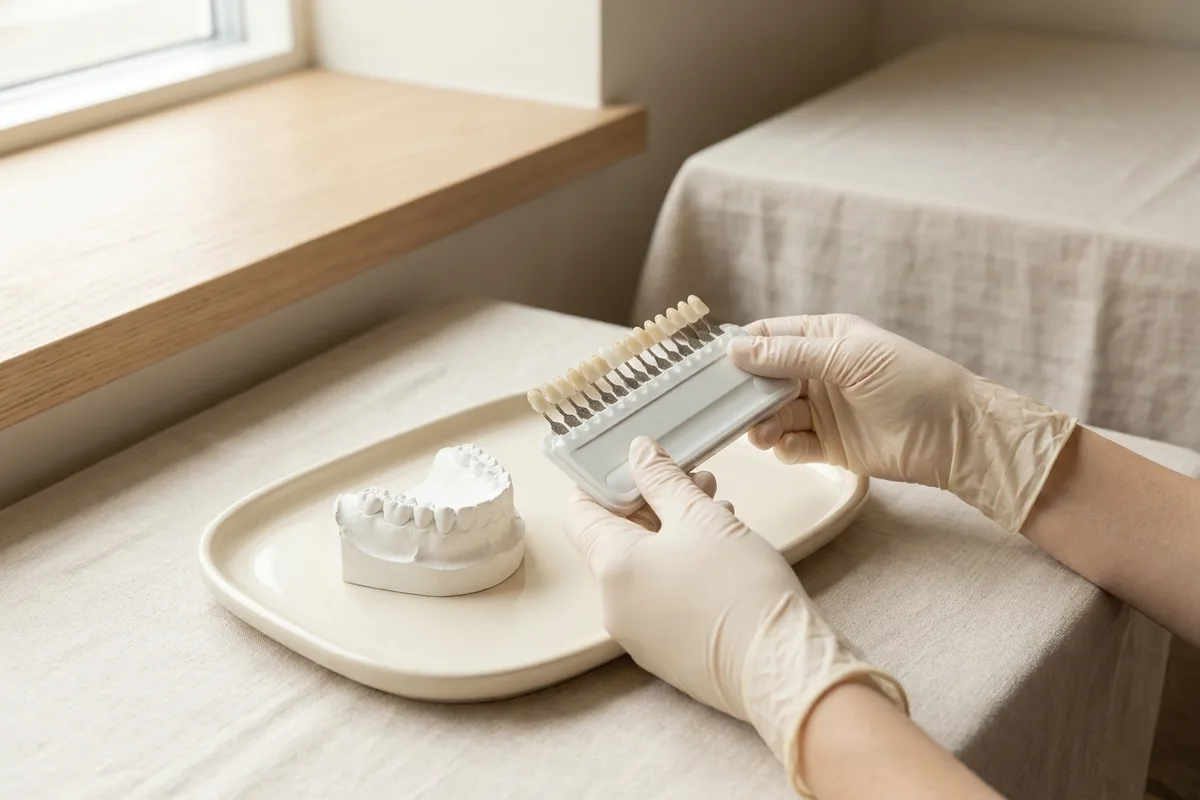
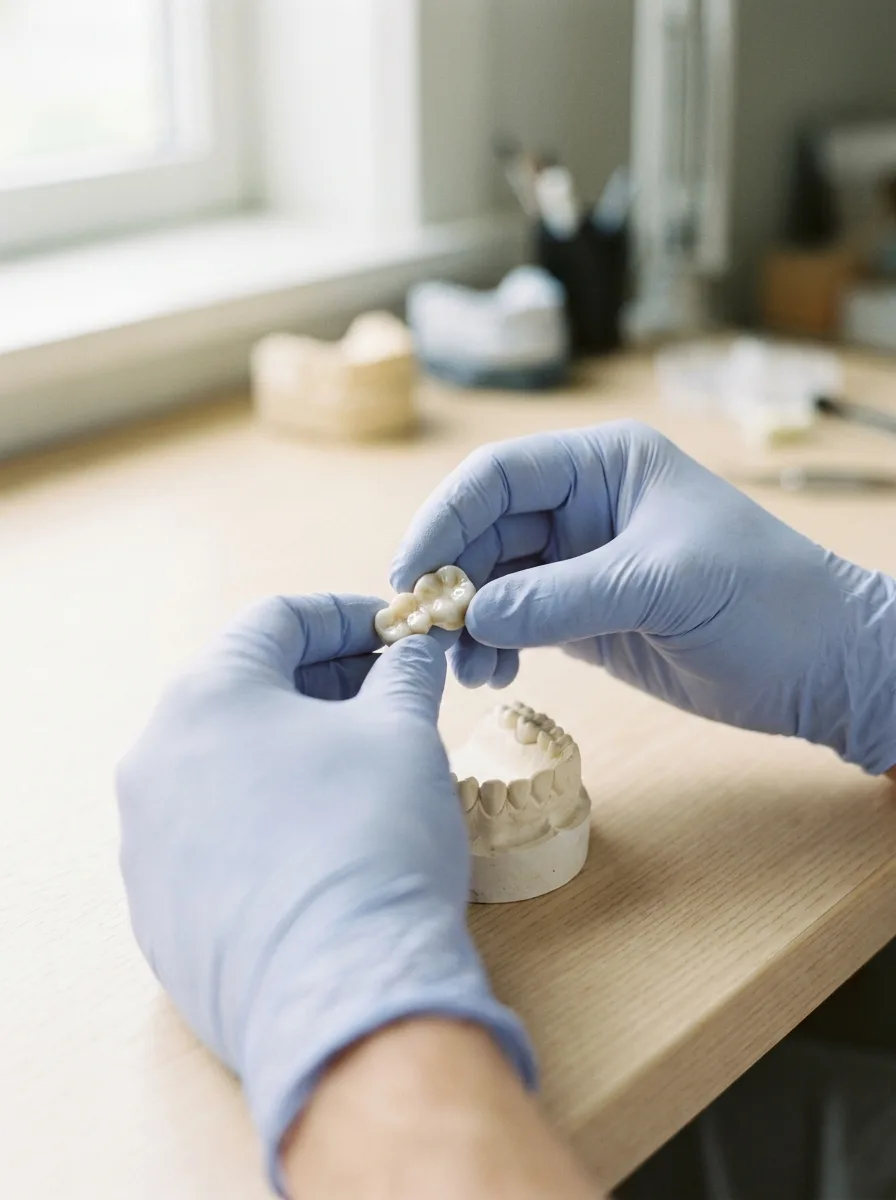
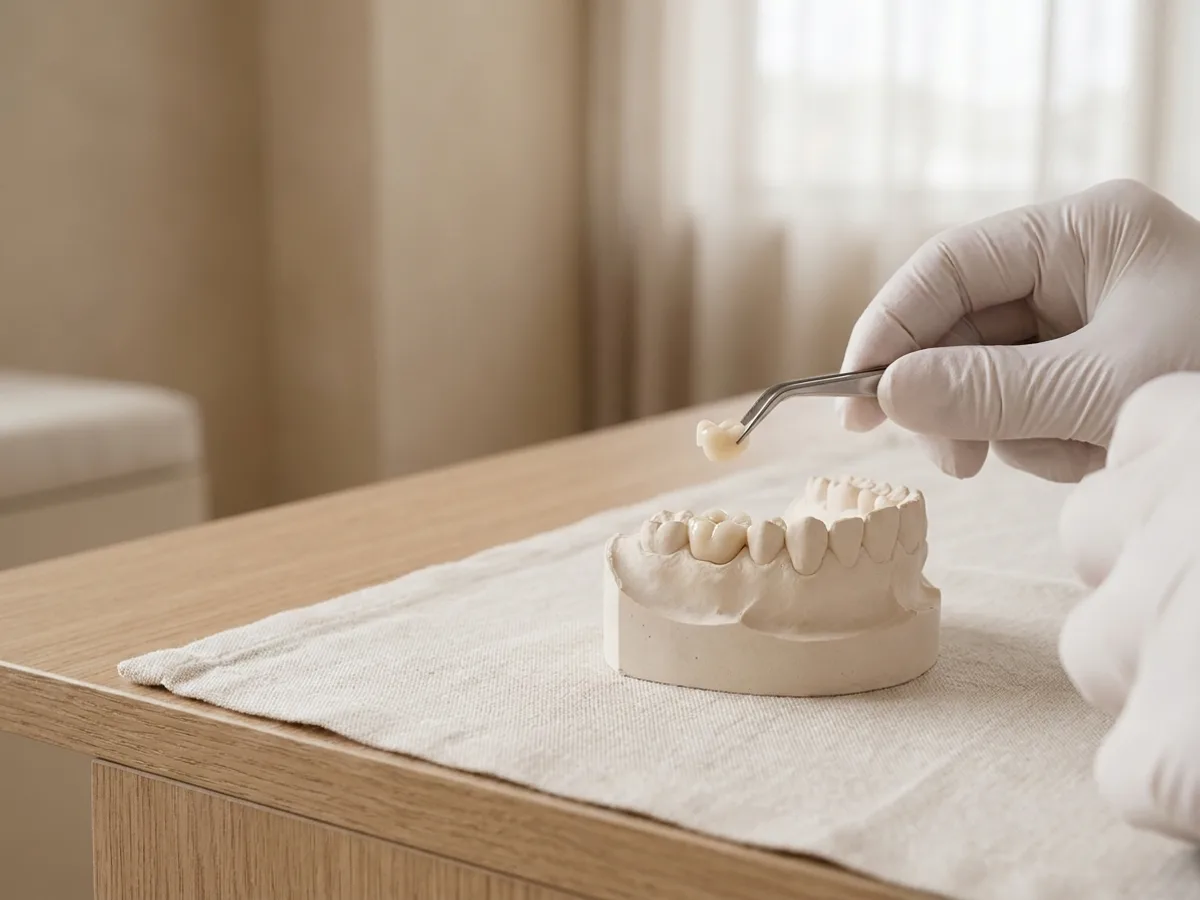
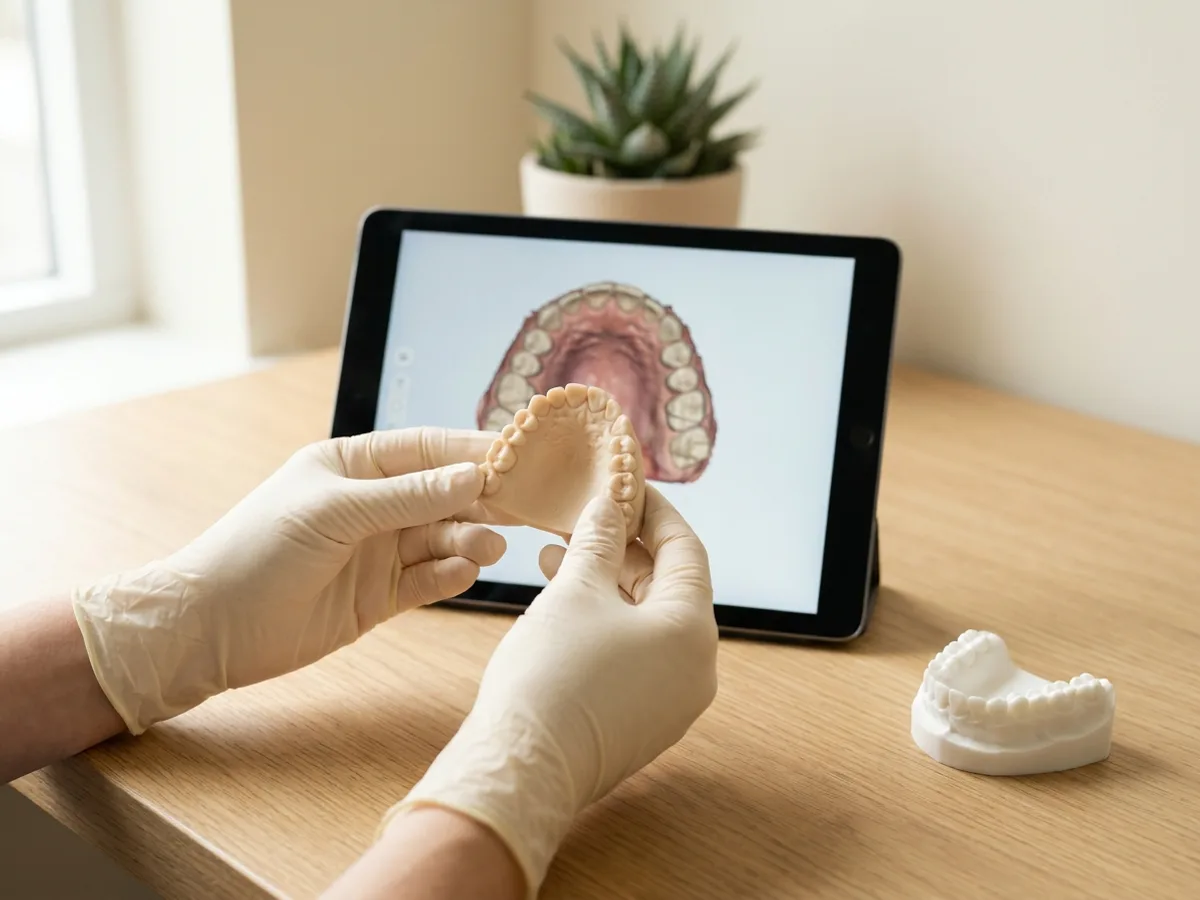
A prepared tooth or implant is recorded with an impression or digital scan. The custom crown or bridge is checked for fit, shade, contacts, and bite before final placement.
Temporary restorations may protect prepared teeth during fabrication. We explain the sequence and how to care for each stage.
The clinician records the prepared teeth and checks the new restoration for fit, appearance, contacts, and bite. You can discuss shape or comfort before final attachment. A bridge needs a cleaning route beneath its replacement tooth. Ask for a demonstration of the appropriate floss aid or interdental brush instead of assuming ordinary floss will reach every surface.
Aftercare and Maintenance
Clean crown margins carefully and use a suitable tool beneath a bridge’s replacement tooth. Restorations do not make supporting teeth immune to decay or gum disease.
Contact us about a loose restoration, persistent discomfort, or a bite that feels high. Regular reviews help detect problems early and assess wear.
Continue cleaning the natural teeth and gumline around the restoration. Crowns and bridges can loosen, chip, or develop decay at their margins. A high bite, persistent tenderness, or food repeatedly catching at the same contact needs review. Keep any detached restoration safe and contact the office. Do not use household glue to reattach it.
- Practise passing the recommended cleaner beneath the bridge span.
- Keep a detached crown safe instead of using household glue.
- Report a bite that feels different after the numbness resolves.

Your Crown or Bridge Stages
Supporting-tooth health and any earlier treatment affect the sequence. Temporary restorations may protect prepared teeth between the main stages.
- 1
Evaluate the supporting teeth
The dentist checks tooth structure, gum support, symptoms, and the proposed replacement space to discuss suitable designs and alternatives.
- 2
Prepare the restoration records
The clinician prepares the selected supports and records their shape and bite. The plan explains fabrication and any temporary protection.
- 3
Fit and maintain the new work
The completed restoration is checked for fit, contacts, appearance, and function. You learn how to clean its margins and any bridge space.
Services
Other treatments we offer
Make your Nova smile a reality.
Join our family of happy, healthy smiles today and experience the Nova Smile difference!
Questions, answered
About us
Why patients choose Nova Dental Studio
At Nova Dental Studio in Irvine, Dr. Nova Li addresses your immediate concern first. Before broader treatment planning, she assesses joint stability, muscle function, and jaw movement to decide the sequence of care.
Preserve what is healthy
We consider conservative options and the reasons behind damage before recommending how to repair a tooth.
Joint stability first
Dr. Li assesses joint stability and jaw movement before broader restorative, cosmetic, or Invisalign planning. Joint concerns that need care guide what comes first.
Start with your concerns
We explain the immediate priority, the wider picture, and the options that fit your goals.
Nova Dental Studio Proudly Holds Active Memberships







Visit us
We're waiting for you in Irvine
Find our office on the third floor right next to the elevators!
113 Waterworks Way Ste. 335
Irvine, CA 92618
- Mon–Fri
- 9:00AM – 5:00PM
- Sat–Sun
- Closed