
Service
Precision Occlusal Splints in Irvine, CA
Appliance planning informed by your examination and, when appropriate, MODJAW jaw movement data.
What You Need to Know
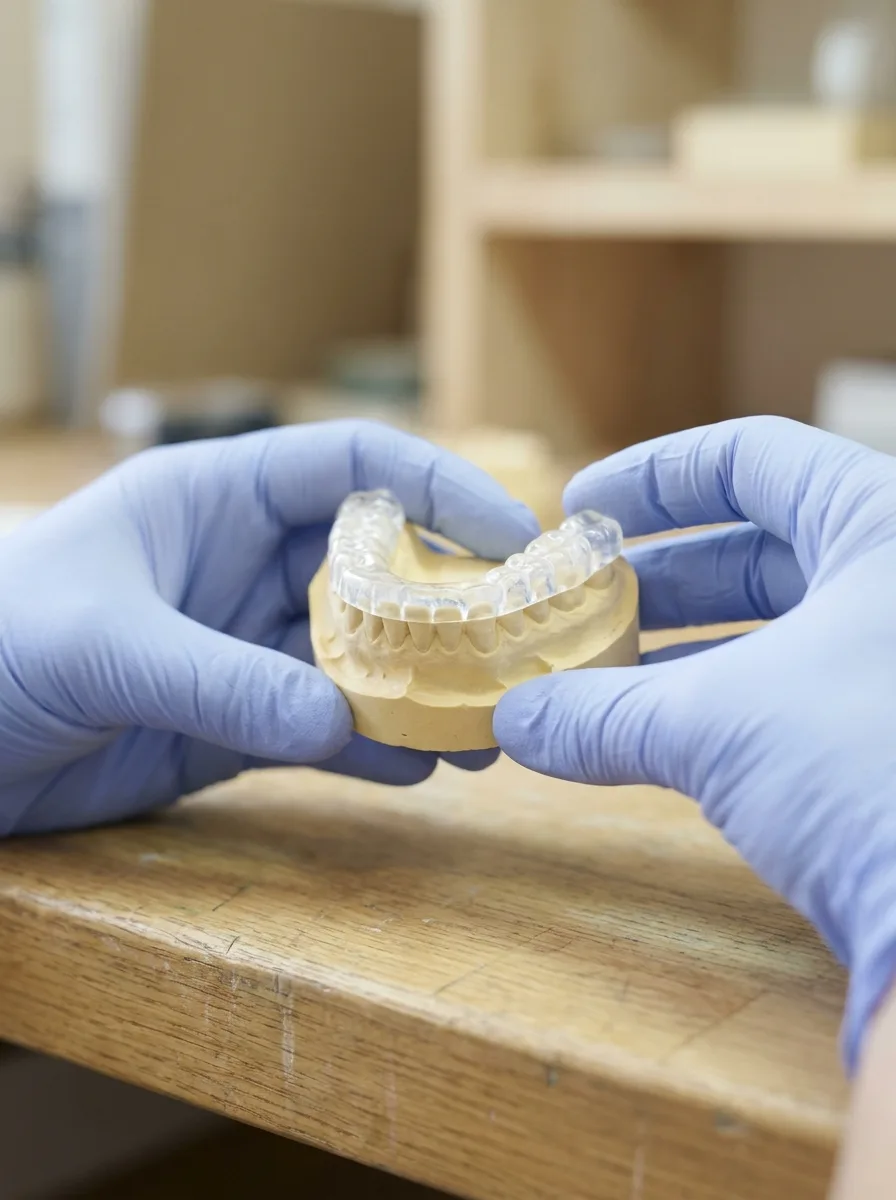
An occlusal splint is a removable appliance fitted over selected teeth. Depending on its design and purpose, it may protect teeth from wear or form part of conservative management for certain jaw concerns. It should not be assumed to cure TMD or stop all clenching and grinding.
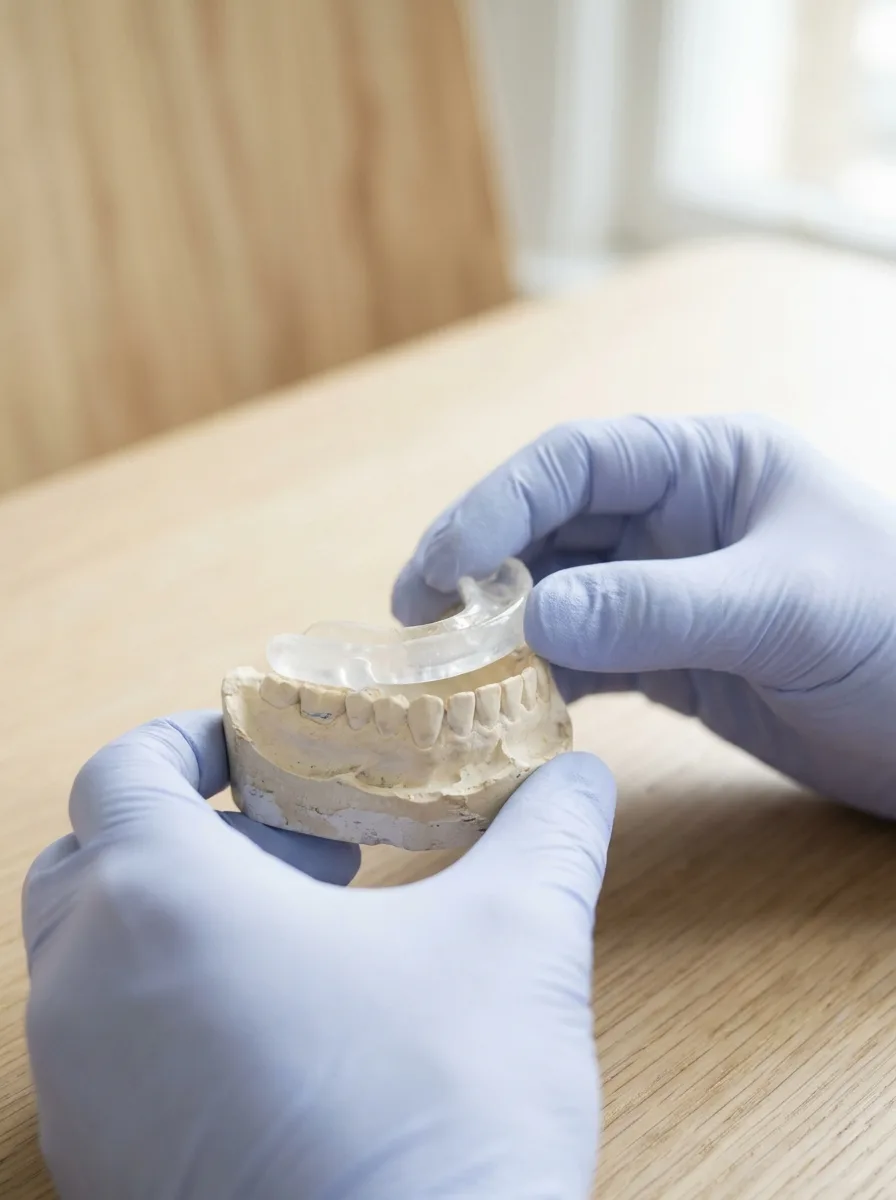
An occlusal splint fits over selected teeth and creates a controlled surface for contact. Depending on its design, the goal may be protection from tooth wear or a monitored attempt at symptom management. Custom manufacture allows the clinician to check fit and contacts. It does not establish that the appliance will cure grinding or every type of jaw pain.
Why a Custom Assessment Matters
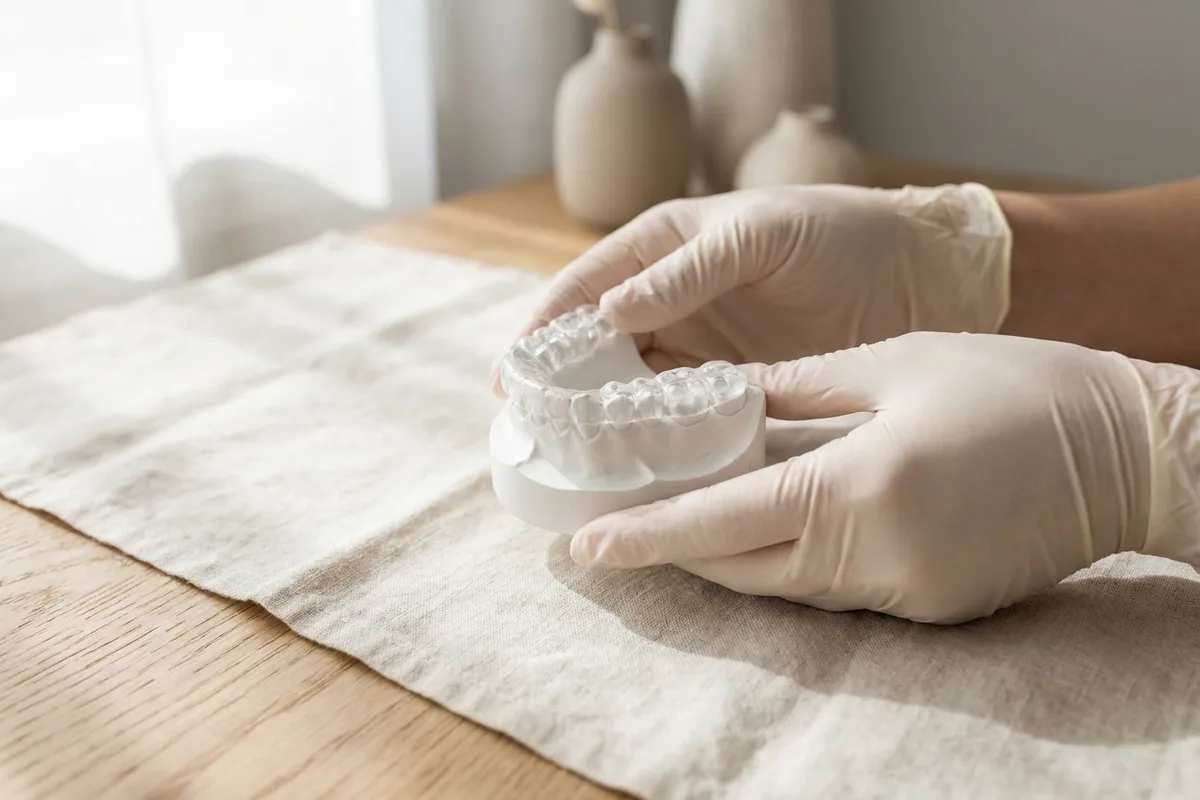
Tooth wear, fractured restorations, and jaw symptoms require an assessment of their causes. A splint can protect surfaces while worn, but tooth protection and pain management are different goals. The appliance design and review plan should match the reason it is prescribed rather than permanently reposition the bite.
The reason for a splint should be specific. Chipped teeth, muscle tenderness, and joint pain do not necessarily have the same cause or need the same appliance. TMD often improves with conservative care, and evidence for pain relief from splints is limited. A plan should distinguish protecting restorations from treating an identified jaw disorder.
- Repeated wear that threatens a particular tooth or restoration.
- A protective appliance that no longer fits after dental treatment.
- A selected symptom-management trial with a clear clinical goal.
Signs to Discuss
Tell us about morning jaw soreness, worn teeth, broken restorations, locking, and any previous appliance that changed your symptoms. Mention snoring or other sleep concerns because some need a separate assessment. Jaw pain can occur without tooth wear, and tooth wear alone does not establish a diagnosis of bruxism.
Tell the dentist about snoring, witnessed breathing pauses, daytime sleepiness, and any current sleep appliance. A general occlusal splint is not a treatment for obstructive sleep apnea. Explain earlier experiences with mouthguards and any persistent bite change. These details can affect whether a splint is appropriate and whether another clinician should assess related symptoms.
- Bring an existing guard so wear patterns can be reviewed.
- Discuss snoring or breathing pauses before choosing a general splint.
- Mention a persistent bite change after previous appliance use.
When a Splint Is Considered
A splint may be recommended after examination when protection or a monitored conservative trial is appropriate. The wear schedule depends on the design and purpose.
Reviews are important to assess fit, comfort, and changes in tooth contact. Long-term use should remain connected to an ongoing clinical need.
The prescribed wear schedule depends on the design and purpose of the appliance. More wear is not necessarily better. Ask when the fit will be checked and what outcome the trial aims to measure. If symptoms or your bite change, contact the office before extending use. Do not use an old or distorted appliance without a review.
The Evaluation Process
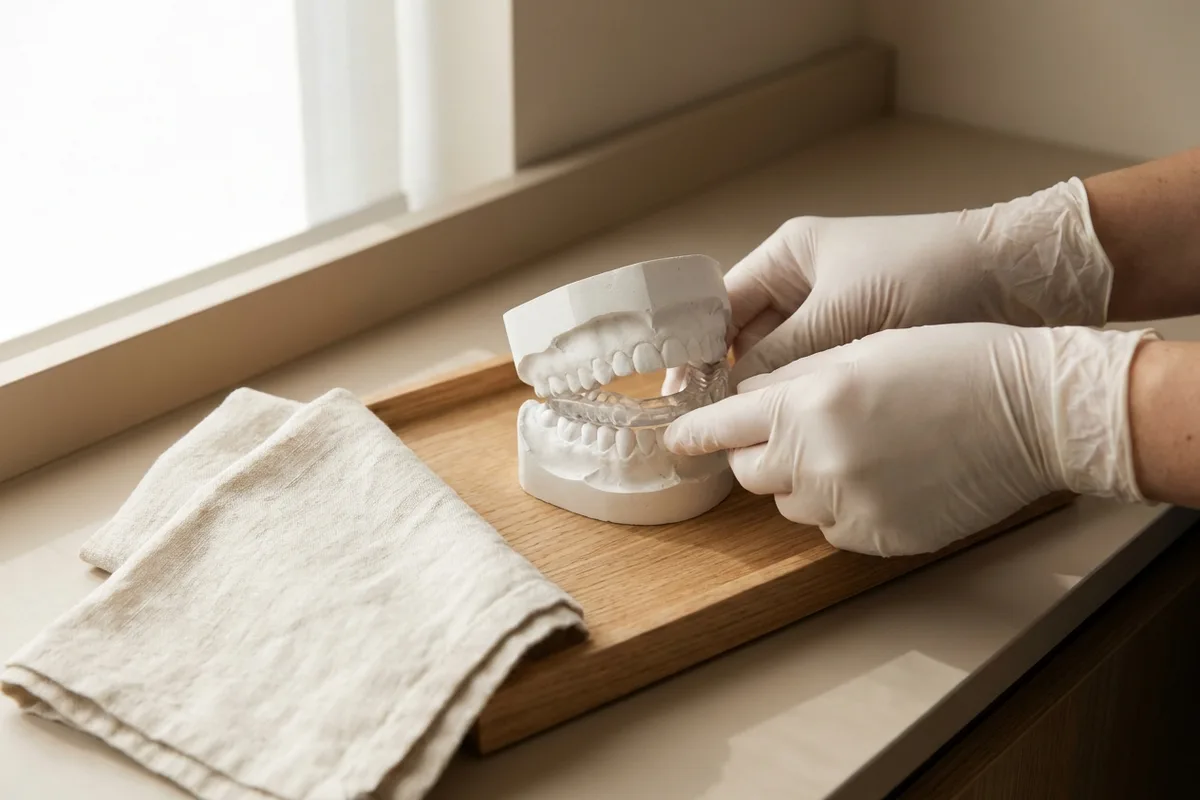
We review your history and examine the teeth, bite, jaw movement, and supporting tissues. Digital scans and jaw-motion information, including MODJAW where appropriate, can inform appliance planning. Measurements support the assessment but do not by themselves prove the source of pain or guarantee a response to treatment.
Assessment includes the teeth and restorations, jaw movement, tenderness, and the history of pain or damage. Impressions or scans provide construction records. Additional motion records can support planning in selected cases, but do not by themselves prove the cause of pain. The dentist should explain how each record contributes to the particular design recommended for you.
Dr. Li assesses joint stability, position, muscles, and movement before designing the appliance. Those findings also guide what needs attention before broader elective restorative or cosmetic work. Comfort and function are reviewed after fitting.
- Check whether the proposed design protects the vulnerable tooth contacts.
- Assess retention without relying on a generic appliance shape.
- Define the review interval and the outcome being monitored.
Appliance Options and Fitting
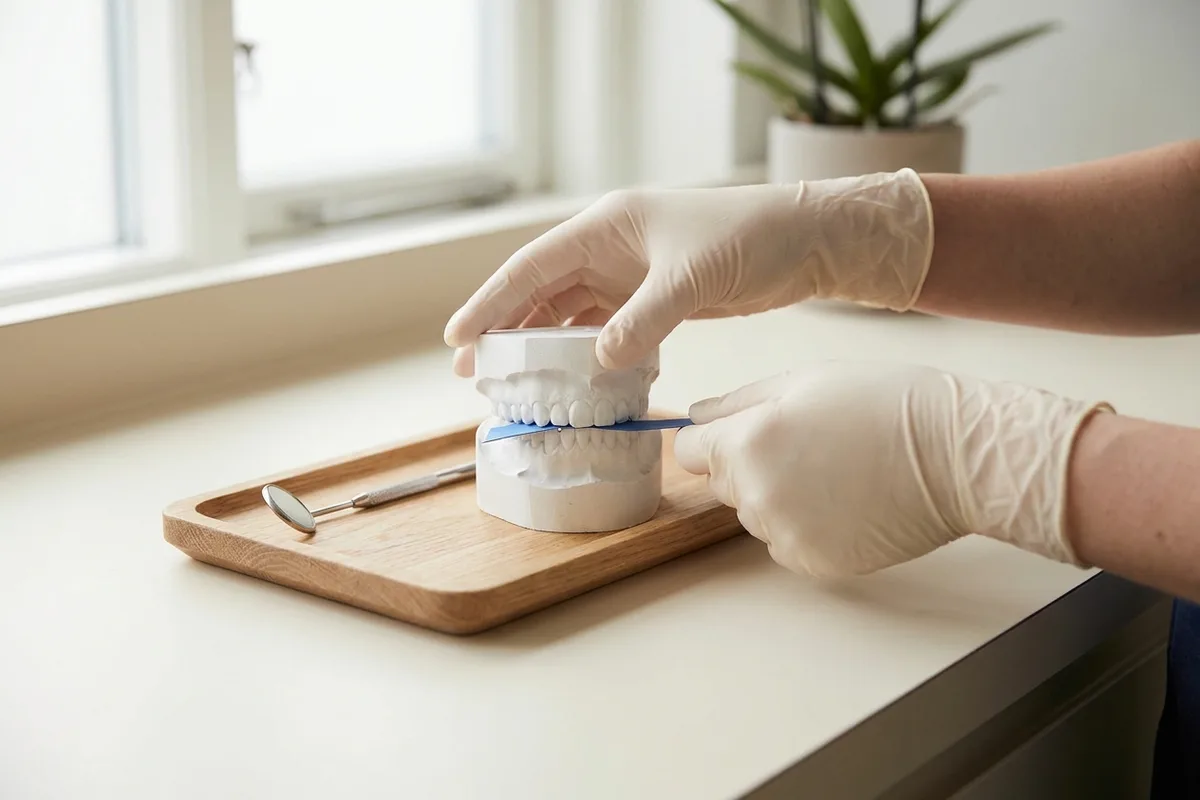
Different splint designs serve different purposes. We explain why a particular design is being considered, check its fit and contacts, and provide instructions for wearing and cleaning it.
Other conservative measures may be discussed alongside the appliance. Avoid altering or adjusting the splint yourself.
At fitting, the clinician checks retention, comfort, and contacts between the appliance and opposing teeth. A store-bought guard may not offer the same opportunity for adjustment, but a custom fit still needs monitoring. Alternatives can include behavioral changes, selected exercises, physical therapy, or medical care. The appliance should not be intended to permanently change the bite for TMD management.
Aftercare and Monitoring
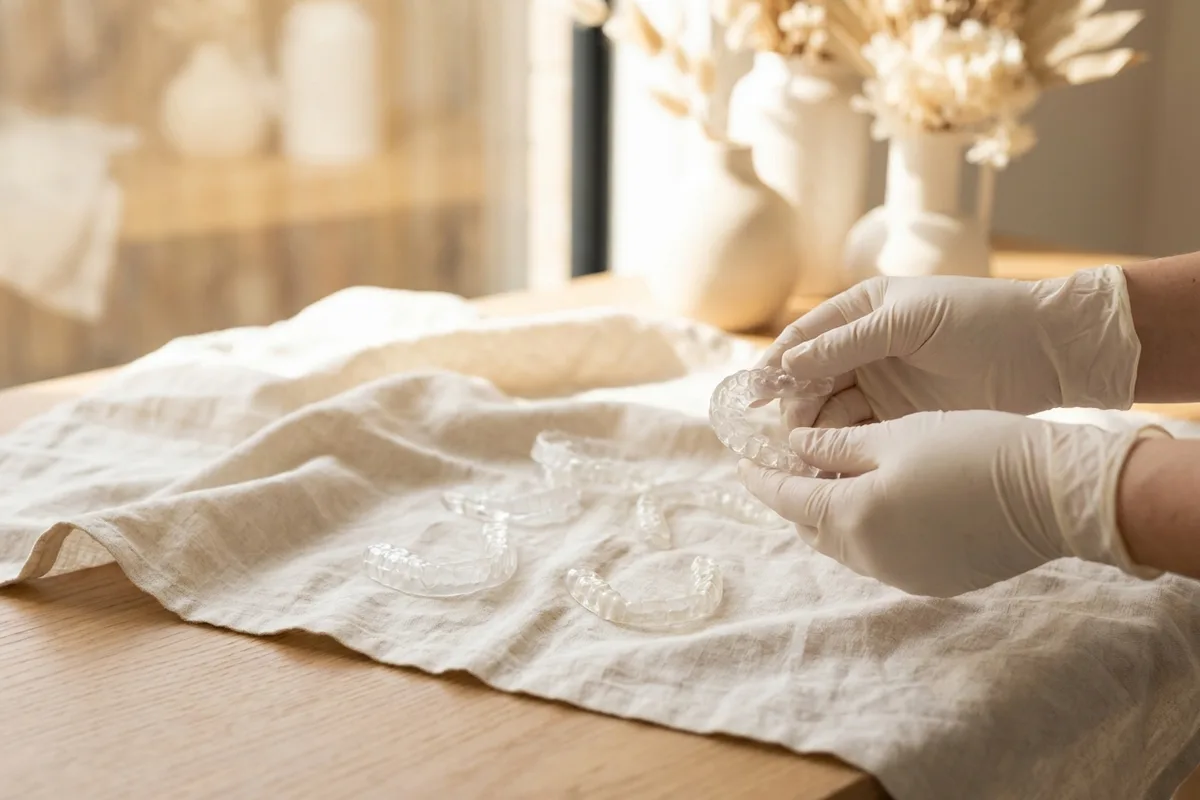
Clean and store the appliance as instructed and bring it to review appointments. Contact us if it becomes loose, damaged, or uncomfortable.
If pain increases or your bite changes, stop wear and seek advice. A successful plan requires monitoring and may need adjustment or another approach if symptoms continue.
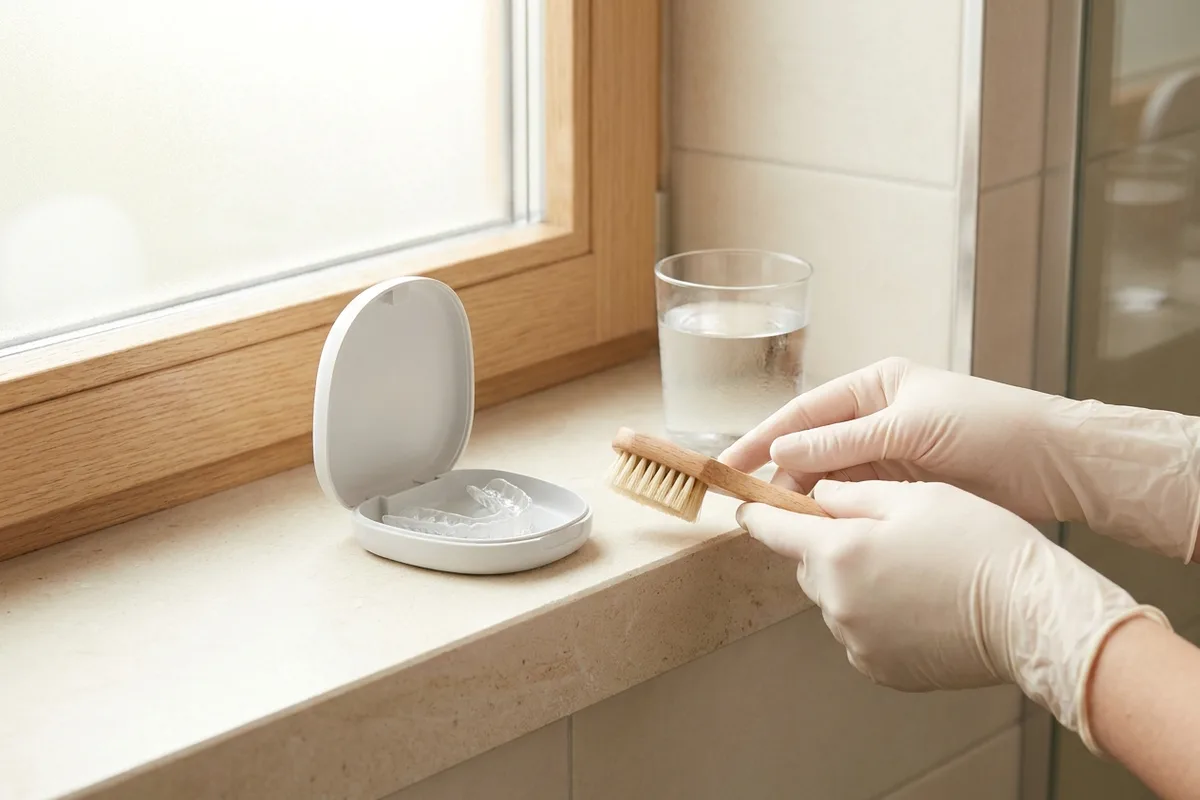
Use the recommended cleaning method and avoid heat that can alter the fit. Store the splint safely and bring it to examinations. Cracks, wear, or poor retention need review. Stop use and contact the dentist if it causes pain or a persistent change in your bite. Do not reshape, trim, or repair the appliance yourself.
- Keep the splint away from heat that could distort it.
- Bring cracks or worn contact areas to the dentist's attention.
- Stop and seek advice if wear causes pain or persistent bite changes.
Your Occlusal Splint Stages
A custom appliance requires fitting and monitored use. Review determines whether its protective or symptom-management purpose is being met safely.
- 1
Identify the splint's specific purpose
The dentist assesses symptoms, teeth, restorations, and relevant sleep history to discuss protection or an appropriate conservative trial and its limits.
- 2
Record, fabricate, and fit the appliance
Records guide construction, and the clinician checks retention and contacts at fitting. You receive a design-specific wear, cleaning, and storage plan.
- 3
Monitor fit and clinical response
Reviews check wear, comfort, tooth contacts, and symptoms. New pain or persistent bite changes require reassessment rather than continued unsupervised use.
Services
Other treatments we offer
Make your Nova smile a reality.
Join our family of happy, healthy smiles today and experience the Nova Smile difference!
Questions, answered
About us
Why patients choose Nova Dental Studio
At Nova Dental Studio in Irvine, Dr. Nova Li addresses your immediate concern first. Before broader treatment planning, she assesses joint stability, muscle function, and jaw movement to decide the sequence of care.
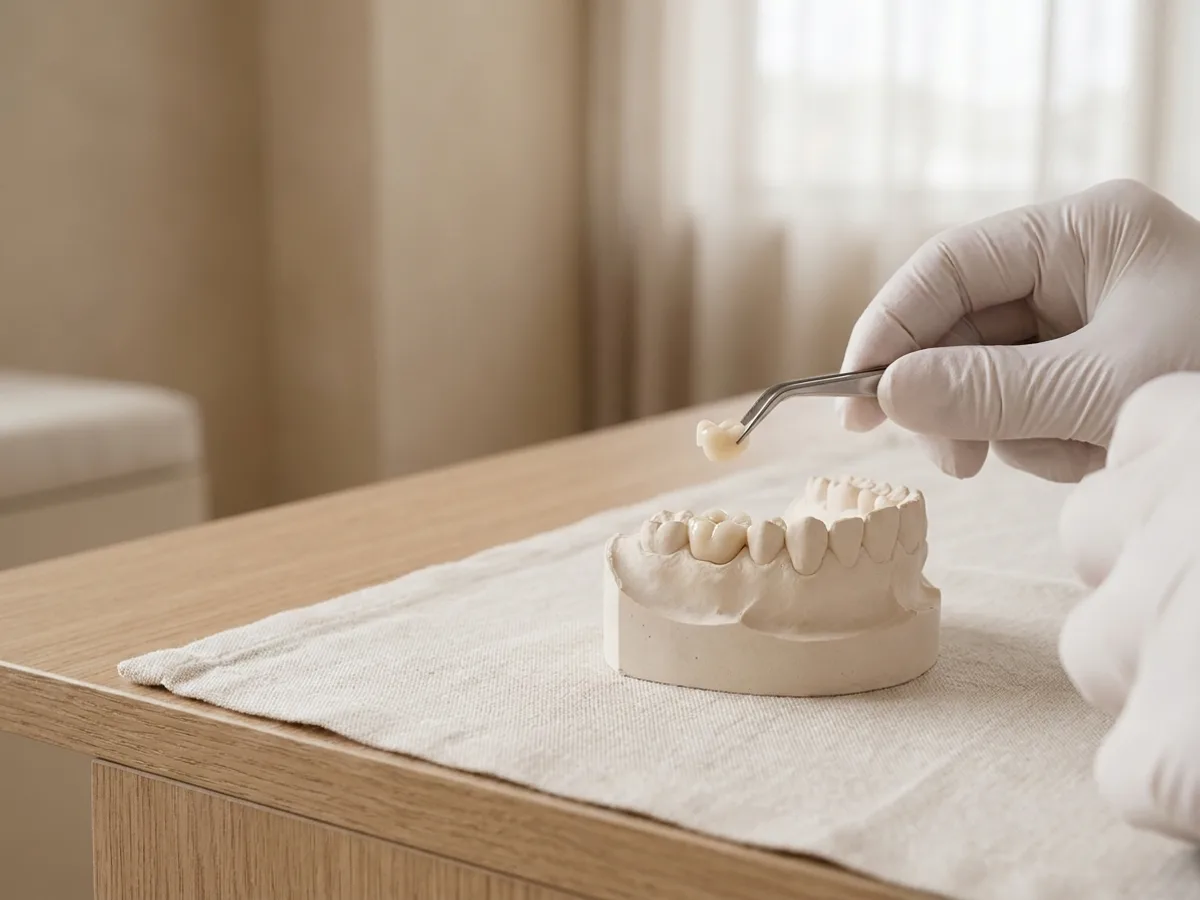
Preserve what is healthy
We consider conservative options and the reasons behind damage before recommending how to repair a tooth.
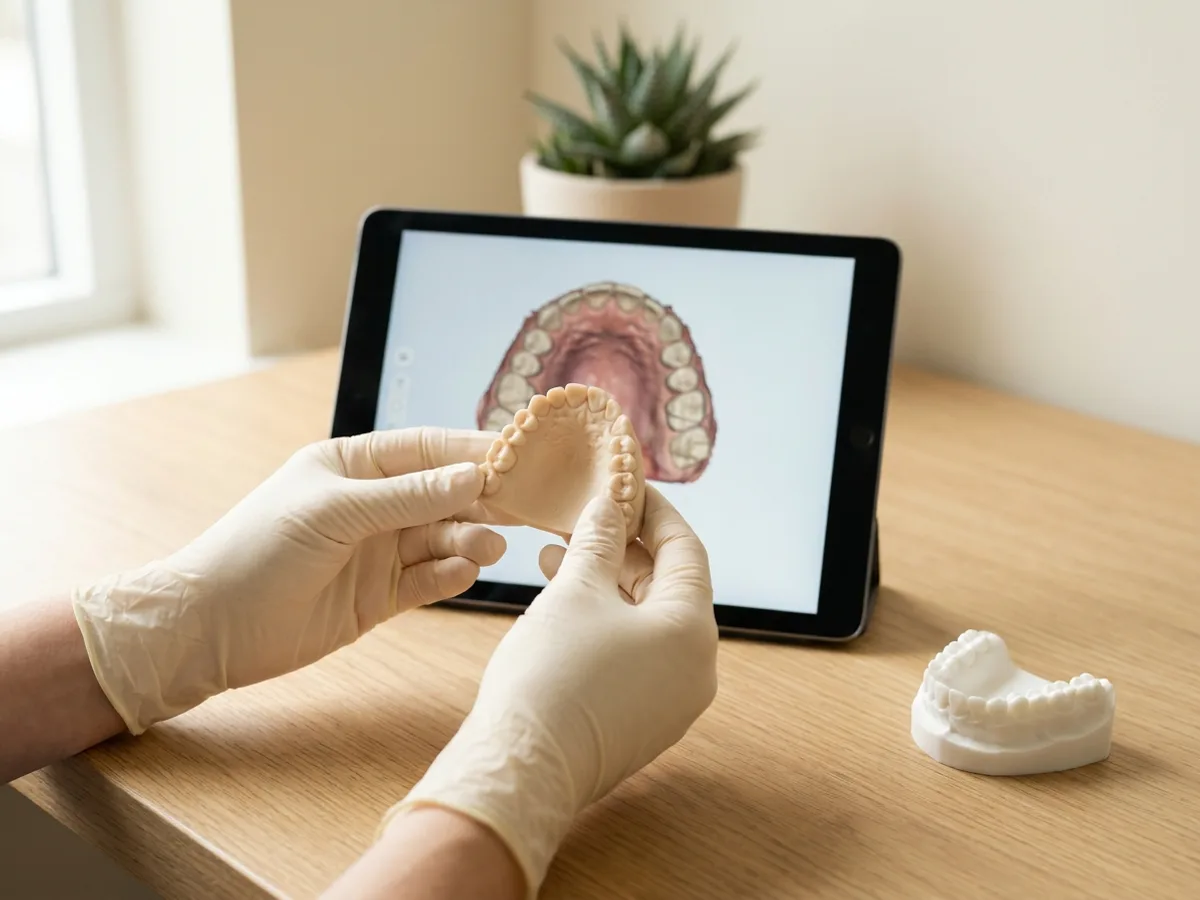
Joint stability first
Dr. Li assesses joint stability and jaw movement before broader restorative, cosmetic, or Invisalign planning. Joint concerns that need care guide what comes first.
Start with your concerns
We explain the immediate priority, the wider picture, and the options that fit your goals.
Nova Dental Studio Proudly Holds Active Memberships







Visit us
We're waiting for you in Irvine
Find our office on the third floor right next to the elevators!
113 Waterworks Way Ste. 335
Irvine, CA 92618
- Mon–Fri
- 9:00AM – 5:00PM
- Sat–Sun
- Closed