Service
Facial-Dento Analysis in Irvine, CA
Assessment of your smile in relation to your face, lips, teeth, and bite to inform a personal treatment plan.
What You Need to Know
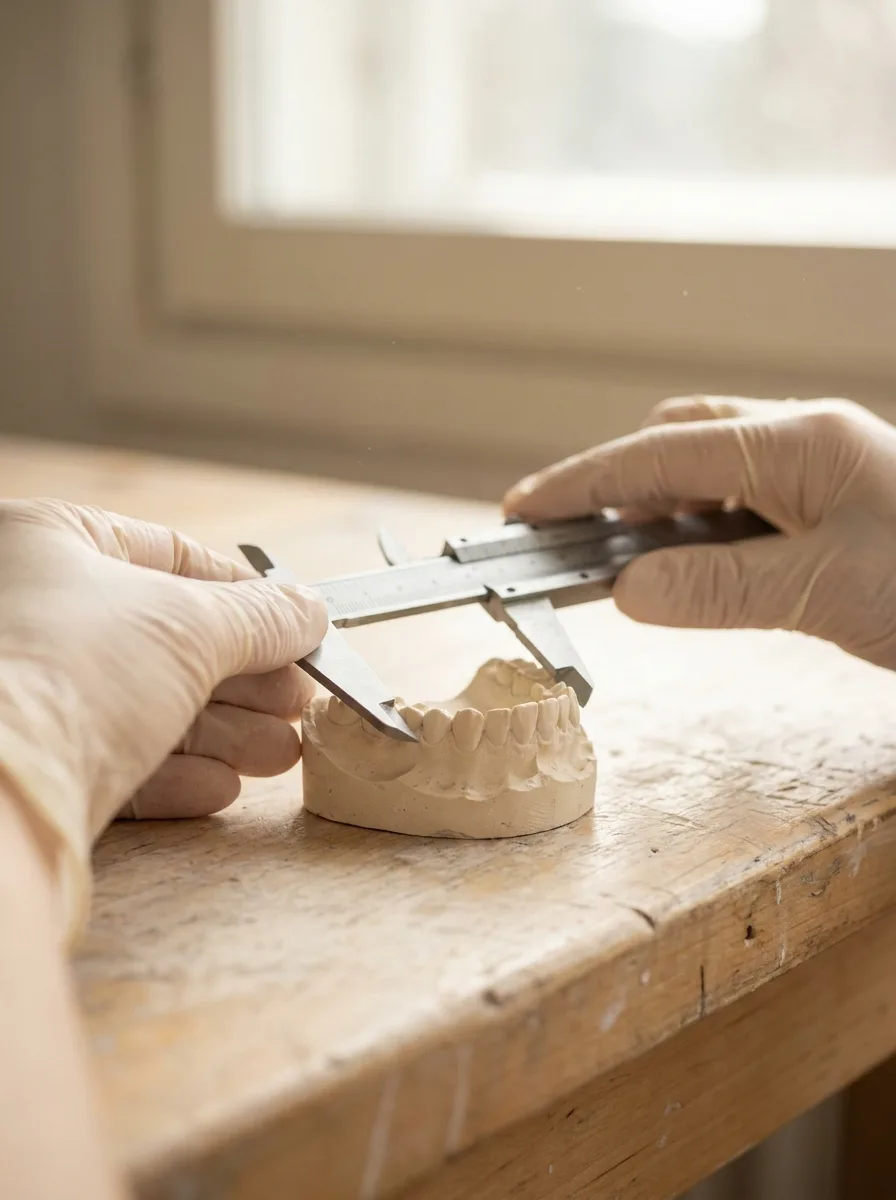
Facial-dento analysis examines how teeth, gums, lips, and facial proportions relate to the smile. It supports planning for cosmetic and restorative care. The assessment considers both appearance and function, helping us discuss changes in the context of your own features rather than focusing only on individual teeth.
Facial-dento analysis considers how teeth and gums appear within the lips and face. Tooth display changes when you rest, speak, and smile, so a static view gives only part of the picture. The assessment supports dental planning. It does not establish that one facial proportion is ideal for every person or that a cosmetic procedure is necessary.

Why the Whole Face Matters
Tooth length, gum display, lip movement, and the smile line can influence how a restoration or cosmetic change looks. Assessing these relationships may help coordinate treatment choices. Facial analysis complements dental examination; visual proportions alone cannot diagnose the cause of jaw pain or establish the health of a tooth.
An uneven smile can relate to tooth shape, gum levels, tooth position, lip movement, or facial asymmetry. These causes do not all respond to the same treatment. Looking at their relationship can help avoid selecting a veneer, gum procedure, or injection before the main contributor is understood. Some concerns may need another clinician's assessment.
- Different tooth display at rest compared with a full smile.
- An asymmetry that may involve more than tooth shape alone.
- A restorative plan where lip position affects the proposed tooth display.
Concerns to Discuss
You may want to explore uneven tooth display, a gummy smile, worn edges, or how existing restorations fit your face. Describe what you notice at rest, in photos, and while smiling. We also ask about chewing and jaw symptoms so functional concerns are not overlooked during cosmetic planning.
Tell the dentist which feature concerns you and whether it is new or longstanding. Explain any change after dental treatment, injury, or orthodontics. Include functional concerns such as discomfort or difficulty chewing. The analysis should consider oral health and your preferences together, rather than promising that changing tooth proportions will resolve unrelated jaw or facial symptoms.
- Describe whether the appearance concern is recent or longstanding.
- Share earlier photographs if they help explain a noticeable change.
- Mention changes after injury, orthodontics, or previous restorative work.
When Analysis Is Considered
It can be useful before a smile makeover, veneers, gum contouring, or complex rehabilitation. Planning comes before irreversible changes, and additional assessment may be needed if the concern relates to tooth position, skeletal proportions, or muscle activity. Not every cosmetic concern requires a procedure.
This assessment can be useful before a smile makeover, restoration of front teeth, or another change that affects tooth display. It belongs early enough for the findings to influence your choices. Existing inflammation, unstable gums, or unfinished orthodontic movement may need attention before final measurements guide irreversible preparation or definitive restoration design.
The Evaluation Process
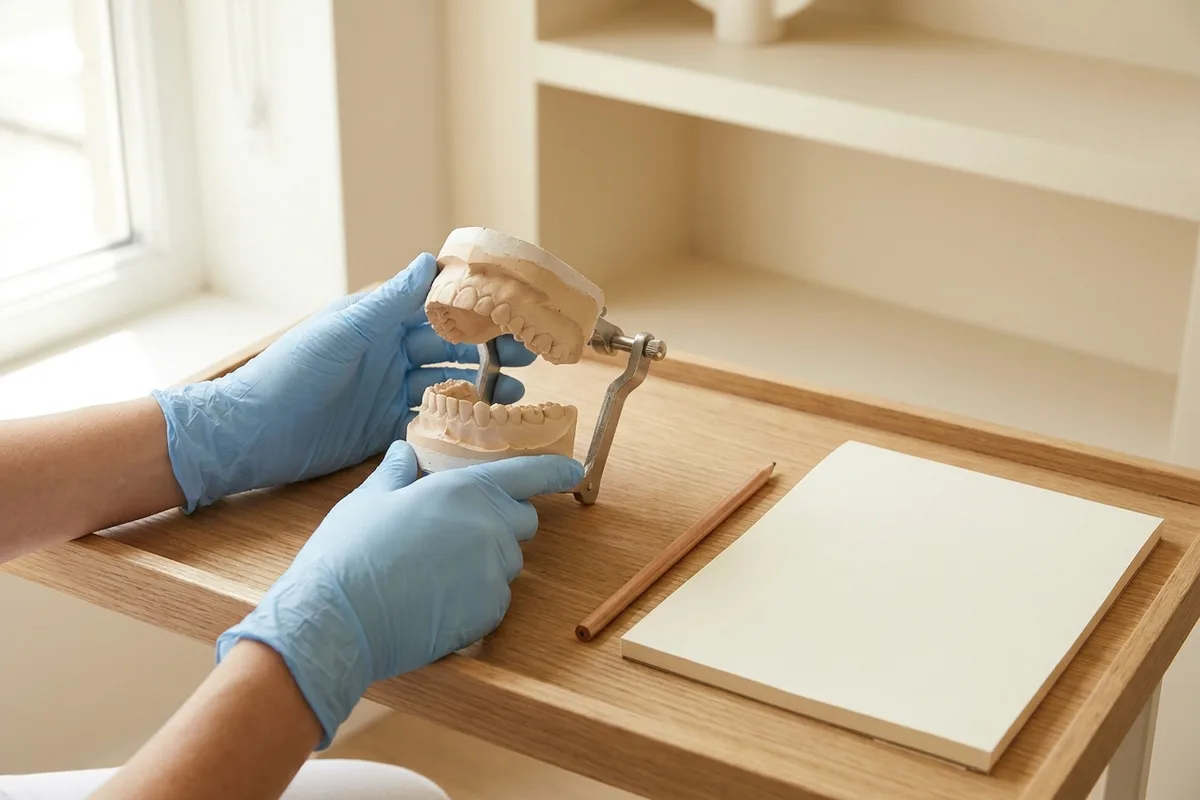
We examine the teeth, bite, gums, and lip movement, and use photographs or scans when helpful. The assessment may include tooth display at rest and during smiling. Health history and oral examination remain essential, and we discuss when orthodontic, periodontal, or other specialist input would add useful information.
Records may include facial and dental photographs, smile views, scans or impressions, and bite observations. The clinician compares these findings with your goals and the condition of the teeth and gums. Additional imaging should answer a clinical question. A digital record is a planning tool rather than proof that the final appearance or function is guaranteed.
Facial proportions are one part of the assessment. Dr. Li also evaluates jaw-joint stability, muscles, and movement before planning broader smile changes. Joint concerns that need care guide the order of treatment.
- Compare relaxed, speaking, and smiling views rather than one pose.
- Distinguish gum levels from lip movement or tooth position.
- Explain which observation would change the proposed dental procedure.
Planning Options
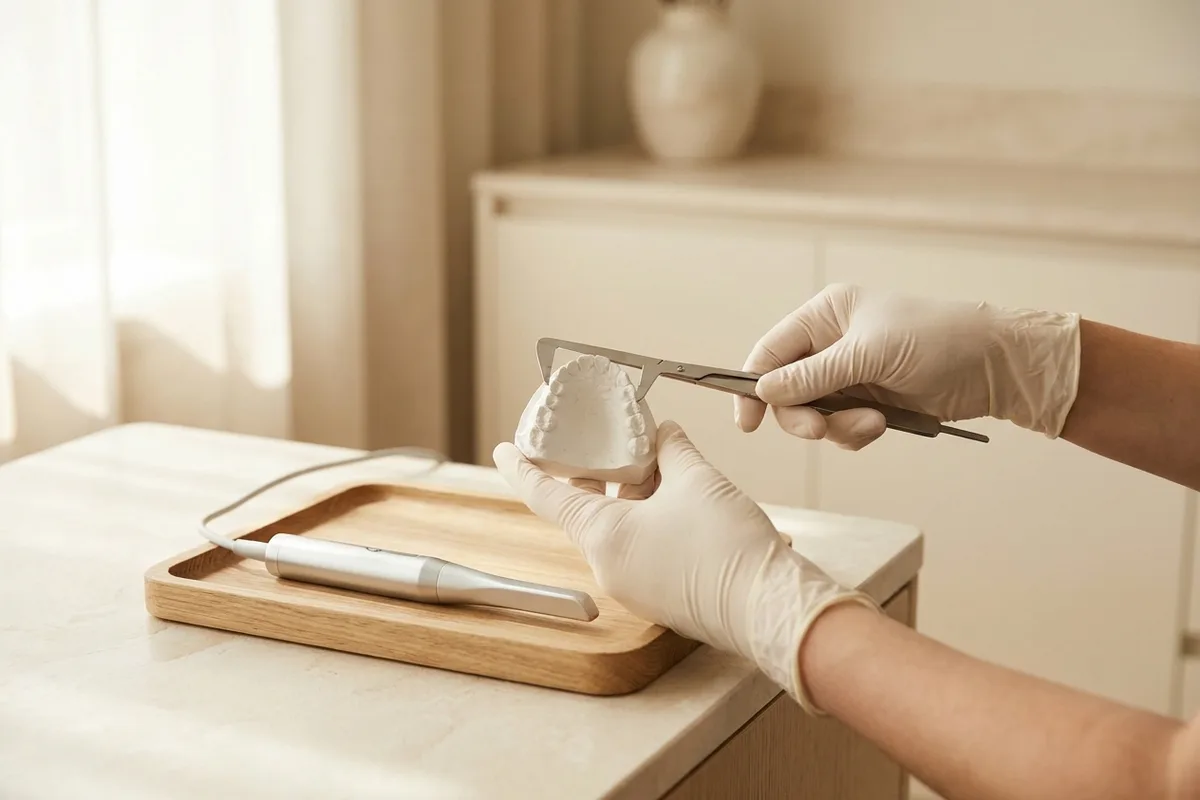
The findings can inform whitening, bonding, alignment, restorative care, or selected gum treatment. A digital design or trial may support the discussion. We explain what each option can change and its limitations, including whether the issue arises from teeth, gums, lips, or structures a dental procedure will not alter.
Recommendations can range from monitoring to conservative cosmetic care, orthodontics, gum treatment, or restorative work. The cause of the concern determines which options deserve consideration. Ask what each proposed change would alter and what it would leave unchanged. The dentist should explain the limits of dental treatment and when a referral may be more appropriate.
After the Assessment
You should understand the observations, the choices available, and whether any further evaluation is needed. There is generally no recovery from the analysis itself.
If you choose treatment, aftercare follows that procedure. You can take time to review proposed changes and ask questions before committing to irreversible work.
After the assessment, review the findings and options before deciding on a procedure. You can ask how a proposed design will be tested or discussed before commitment. If treatment proceeds, further records may be needed as tissues or tooth positions change. Follow-up should assess the actual clinical result rather than relying only on an earlier planning image.
- Review the findings before committing to a cosmetic change.
- Ask whether another clinician should assess a non-dental contributor.
- Repeat relevant records when earlier treatment changes tissue or tooth position.

Your Facial-Dento Assessment Stages
The assessment relates dental findings to your concerns. Its recommendations may include monitoring, conservative dental care, or an appropriate referral.
- 1
Describe the appearance and function concern
You explain the feature you want assessed and any relevant history. The dentist considers tooth display, symptoms, and earlier dental changes.
- 2
Record relationships during movement
Suitable photographs, dental records, and observations of speech or smiling help examine how teeth, gums, and lips relate to the concern.
- 3
Discuss causes and appropriate options
The clinician explains which dental changes may help, their limits, and whether another type of assessment belongs before a treatment decision.
Services
Other treatments we offer

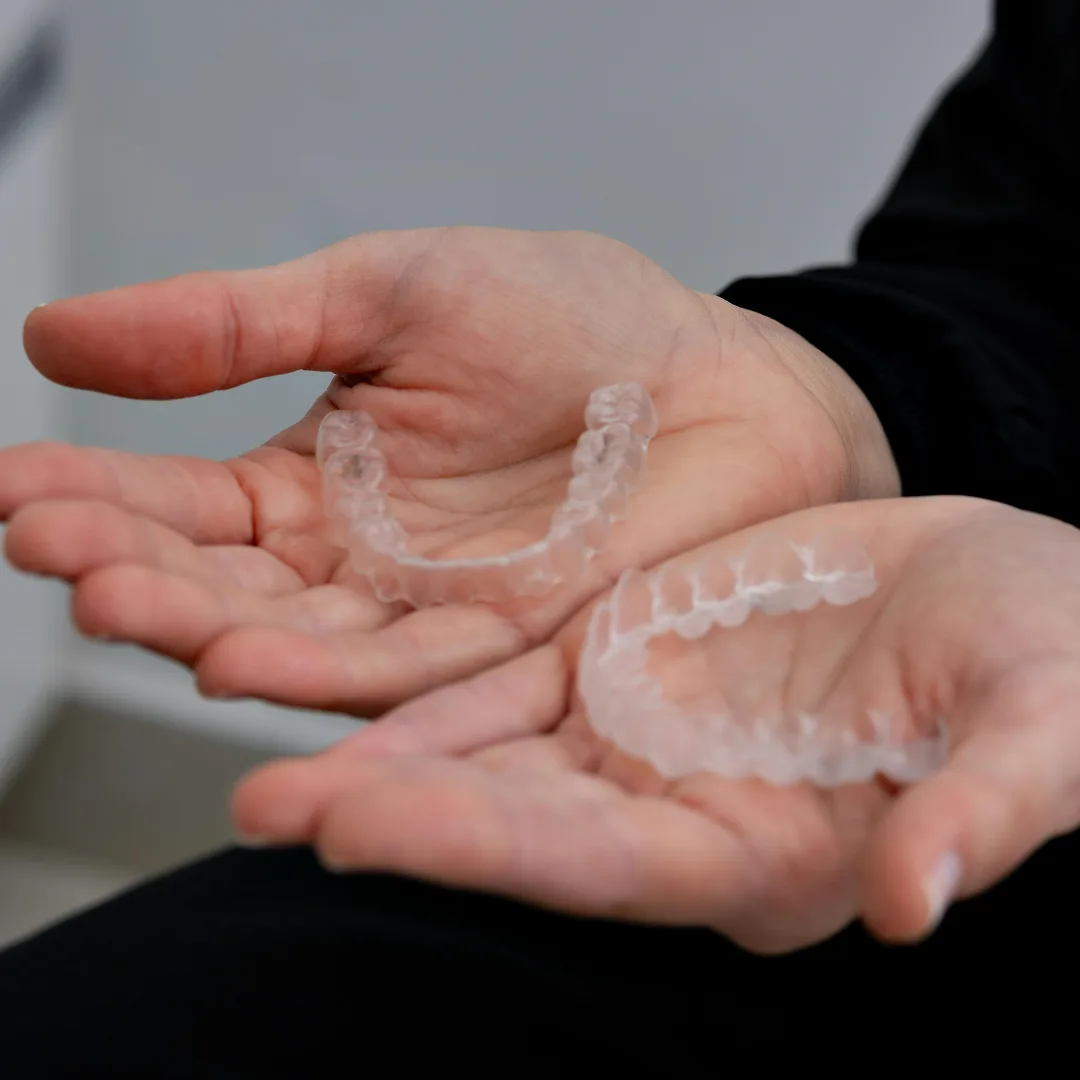
Make your Nova smile a reality.
Join our family of happy, healthy smiles today and experience the Nova Smile difference!
Questions, answered
About us
Why patients choose Nova Dental Studio
At Nova Dental Studio in Irvine, Dr. Nova Li addresses your immediate concern first. Before broader treatment planning, she assesses joint stability, muscle function, and jaw movement to decide the sequence of care.
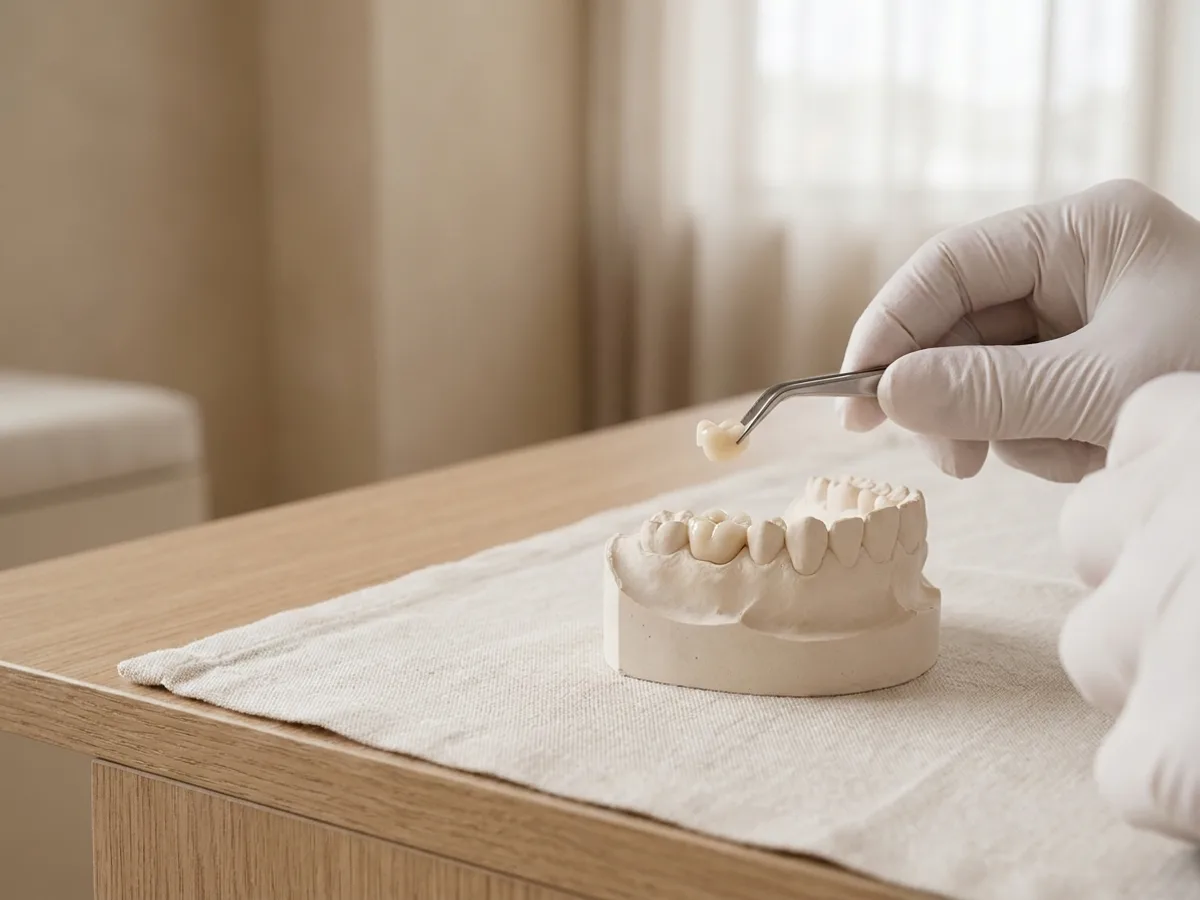
Preserve what is healthy
We consider conservative options and the reasons behind damage before recommending how to repair a tooth.
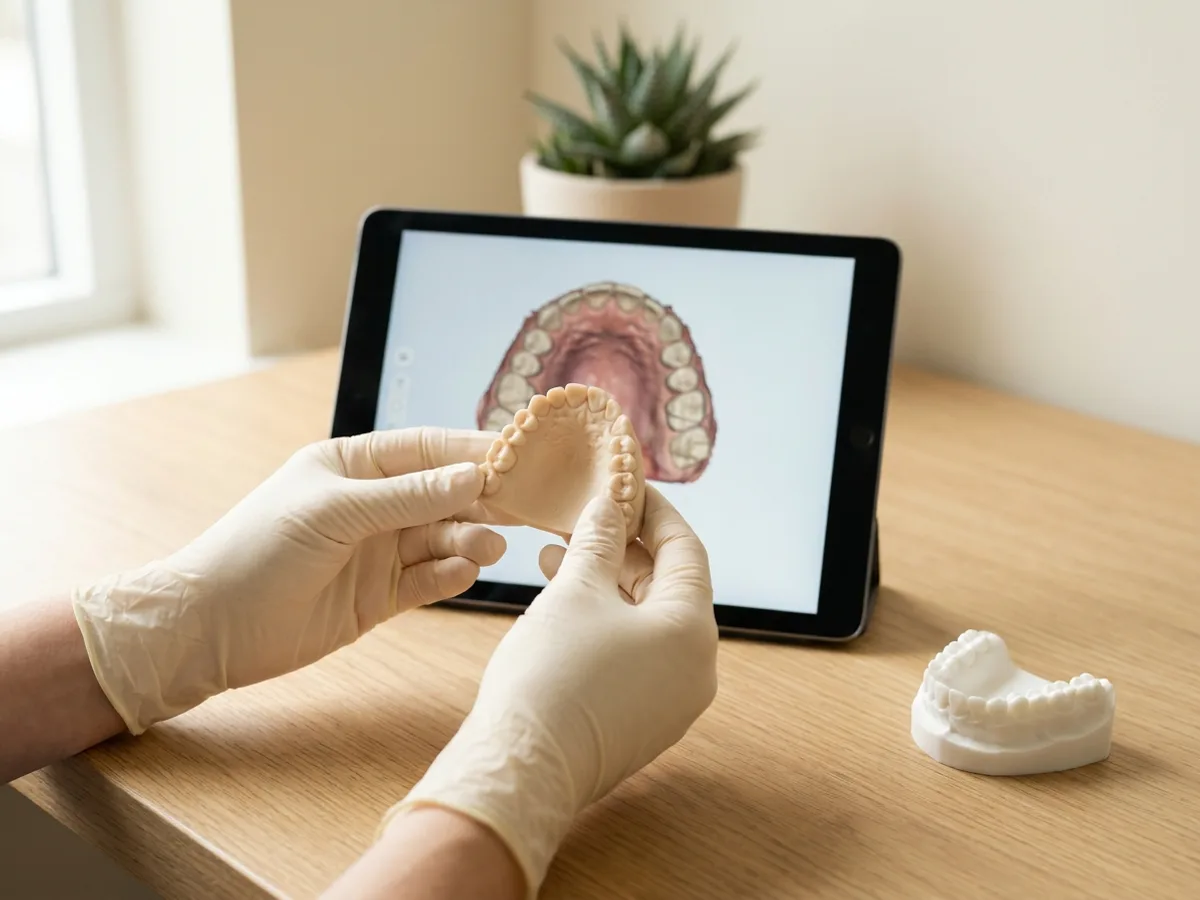
Joint stability first
Dr. Li assesses joint stability and jaw movement before broader restorative, cosmetic, or Invisalign planning. Joint concerns that need care guide what comes first.
Start with your concerns
We explain the immediate priority, the wider picture, and the options that fit your goals.
Nova Dental Studio Proudly Holds Active Memberships






Visit us
We're waiting for you in Irvine
Find our office on the third floor right next to the elevators!
113 Waterworks Way Ste. 335
Irvine, CA 92618
- Mon–Fri
- 9:00AM – 5:00PM
- Sat–Sun
- Closed