Service
Gum Contouring in Irvine, CA
Gum-shape planning that considers inflammation, tooth position, lip movement, and supporting tissues.
What You Need to Know
Gum contouring reshapes selected gum tissue to change the outline around teeth. It may help when tissue covers more of a tooth than desired or the gumline is uneven. Suitability depends on gum health, tooth structure, and supporting bone; not every gummy smile can be corrected by removing soft tissue.
Gum contouring changes selected areas of the gum margin. In some cases, the concern involves excess tissue alone. In others, the relationship between gum and supporting bone affects which procedure is appropriate. Cosmetic reshaping and crown lengthening are not interchangeable labels for every case. The clinician needs to assess the tissues before proposing how much can safely change.
Why Gum Display Varies
The appearance of the gumline can relate to tissue levels, tooth position, lip movement, or skeletal proportions. Identifying the cause helps choose a treatment that fits the concern. Some situations need periodontal crown lengthening or orthodontic assessment rather than a simple cosmetic reshaping procedure.
A gummy or uneven smile can also reflect lip movement, tooth position, wear, or jaw anatomy. Removing gum tissue will not correct every cause. The aim is a result that respects tooth support and allows cleaning, as well as meeting an aesthetic goal. An explanation of the cause helps you compare contouring with other approaches.
- Uneven gum margins that alter the visible tooth proportions.
- Excess tissue around a selected tooth requiring anatomical assessment.
- A restorative margin plan that needs periodontal input first.
Who May Be a Candidate
We assess healthy tissue, inflammation, the amount of visible tooth, and the relationship between gums and bone. Active gum disease needs attention before elective contouring.
Tell us about medications and healing concerns. Removing too much tissue can create recession or sensitivity, so a conservative plan matters.
The dentist checks for inflammation, gum thickness, recession, and the amount of healthy tissue around the teeth. Active gum disease should be managed before elective reshaping. Some patients need periodontal or orthodontic assessment instead. Tell the clinician about bleeding, medication, previous gum surgery, and any sensitivity, because these findings can affect both suitability and recovery planning.
- Describe gum changes after medicine changes or earlier dental care.
- Mention recession or root sensitivity beside the proposed treatment area.
- Discuss whether lip movement contributes more than excess tissue.
When to Plan Treatment
Planning may be coordinated with veneers, crowns, or a broader smile design. The tissues may need time to heal before final restorations or an appearance review. Timing depends on the extent and type of procedure, and the final gum contour is assessed after healing rather than promised on the treatment day.
If crowns or veneers are part of the plan, the gum position may need time to stabilize before final records and fabrication. The sequence depends on the procedure and tissue response. Ask when appearance and margins can be judged reliably. Planning around an event should allow for healing rather than assume the early postoperative shape is final.
The Evaluation Process
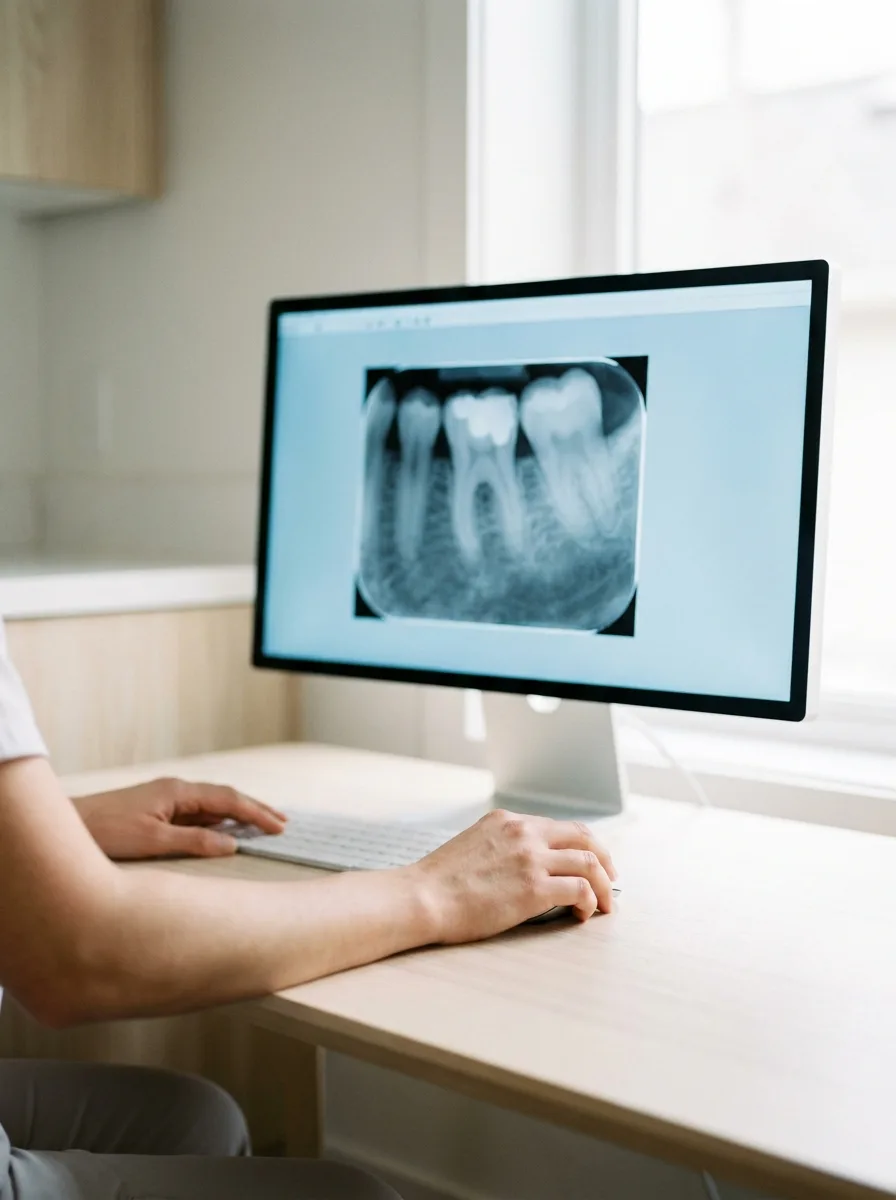
We examine the gums, measure relevant tissue relationships, and consider the supporting bone and tooth proportions. Photographs, imaging, or specialist input may be useful. We explain whether soft-tissue contouring is appropriate, whether a different procedure is required, or whether leaving the area untreated is the better choice.
Assessment can include gum measurements, photographs, and selected imaging or other checks of supporting anatomy. The dentist considers the gum-to-bone relationship and how much tooth is visible. A proposed outline helps discussion, but it cannot guarantee tissue response. Ask whether only soft tissue is involved, whether bone treatment is needed, and whether referral is recommended.
Dr. Li considers why the gumline looks uneven and how the lips move when you smile. When contouring forms part of broader smile planning, joint stability and movement are assessed before elective dental changes.
- Assess gum levels in relation to the supporting bone.
- Check whether inflammation is changing the apparent tissue outline.
- Clarify whether specialist crown-lengthening assessment is needed before reshaping.
Contour Options and Treatment
Nova Dental Studio uses a diode laser for suitable soft-tissue procedures, but the method follows the clinical findings. Local anesthesia may be used.
Cases that require bone changes or more extensive periodontal care need a different approach. We discuss the planned amount of tissue adjustment and its limitations before proceeding.
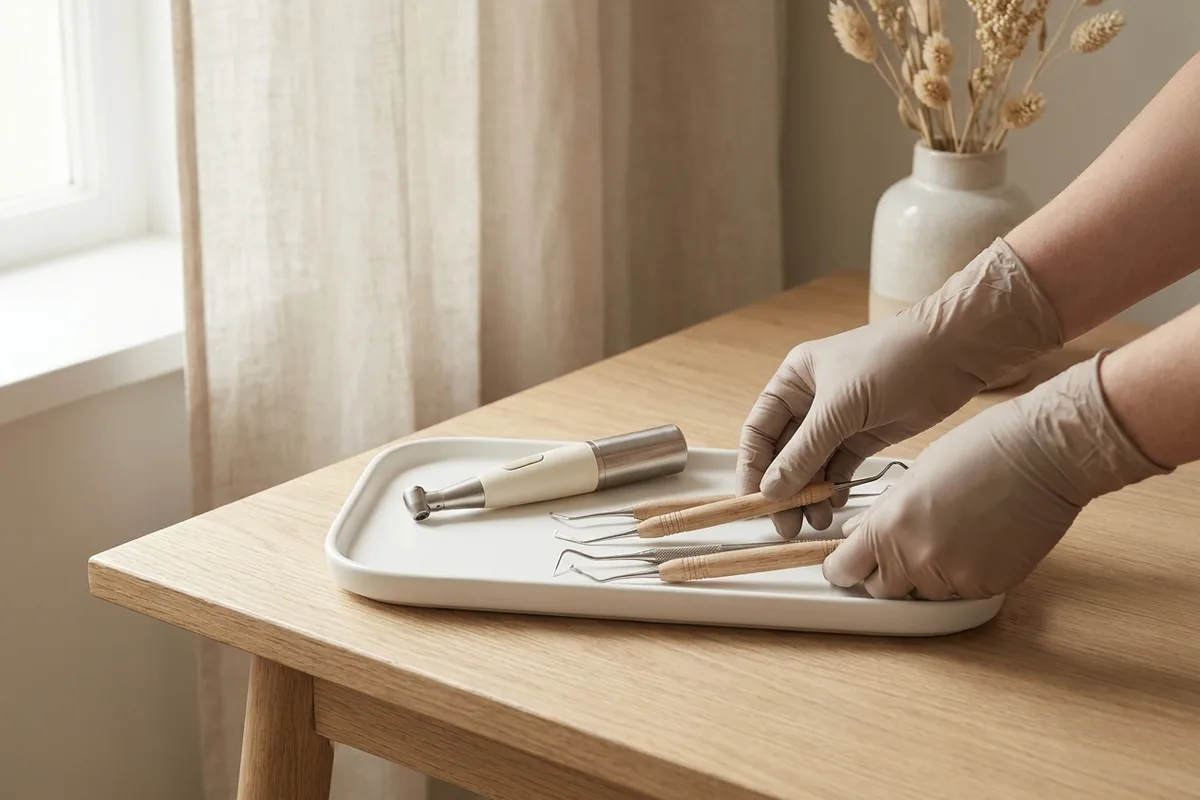
Treatment may use different instruments according to the tissues and proposed change. The method does not remove the need for anesthesia, diagnosis, or appropriate case selection. Alternatives can include no procedure, orthodontic movement, restorative changes, or treatment directed at another cause of gum display. Compare their risks, permanence, and maintenance requirements before choosing elective surgery.
Recovery and Maintenance
Follow instructions for cleaning, food, and comfort while the tissues heal. Tenderness and changes in the gum appearance can occur during recovery.
Attend follow-up to assess healing and symmetry, and report worsening pain, swelling, or persistent bleeding. Daily oral hygiene remains important to maintain the surrounding gum health.
Protect the area and follow the instructions about cleaning, food, and follow-up. Do not scrub or probe healing tissue. Contact the office for bleeding that does not settle, increasing swelling, or worsening pain. The long-term gumline depends on tissue behavior and the underlying cause. Continued examination and plaque control remain necessary after the cosmetic change.
- Use the advised gentle cleaning method around the healing margin.
- Ask when final restorative records can reflect a stable gumline.
- Report worsening swelling or bleeding that does not settle.

Your Gum Contouring Stages
The gum-to-bone relationship and any restorative plan affect treatment. Tissue healing and stability can require review before final cosmetic decisions.
- 1
Assess the cause of gum display
The dentist reviews tissue health, tooth position, lip movement, and supporting anatomy to explain whether contouring or another approach fits the concern.
- 2
Carry out the agreed tissue treatment
The clinician provides appropriate comfort care and reshapes the selected tissue according to the plan. More extensive periodontal needs may require a different procedure or referral.
- 3
Review healing and tissue stability
Follow-up checks the healing margin and ongoing cleaning. Any later restoration planning reflects the tissues' response rather than assuming the early outline is final.
Services
Other treatments we offer
Make your Nova smile a reality.
Join our family of happy, healthy smiles today and experience the Nova Smile difference!
Questions, answered
About us
Why patients choose Nova Dental Studio
At Nova Dental Studio in Irvine, Dr. Nova Li addresses your immediate concern first. Before broader treatment planning, she assesses joint stability, muscle function, and jaw movement to decide the sequence of care.
Preserve what is healthy
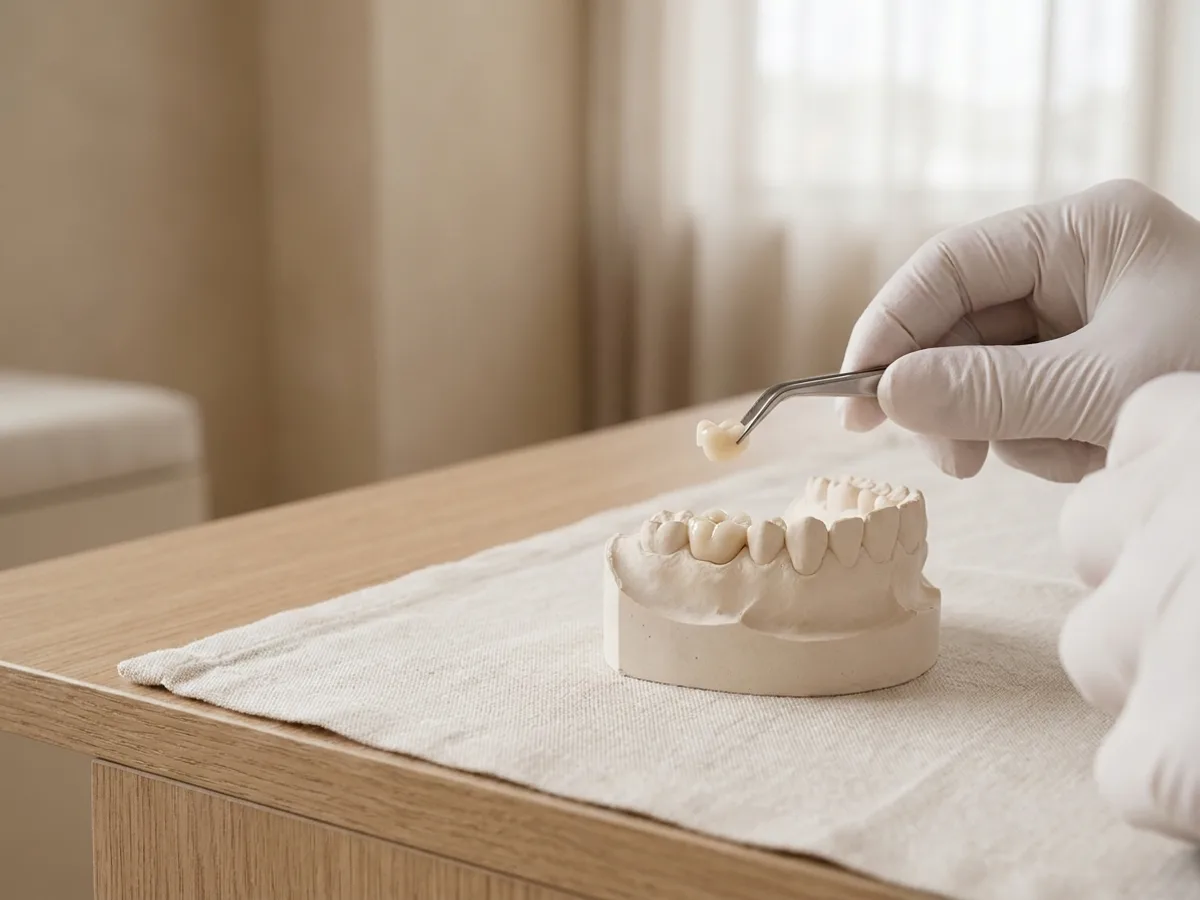
We consider conservative options and the reasons behind damage before recommending how to repair a tooth.
Joint stability first
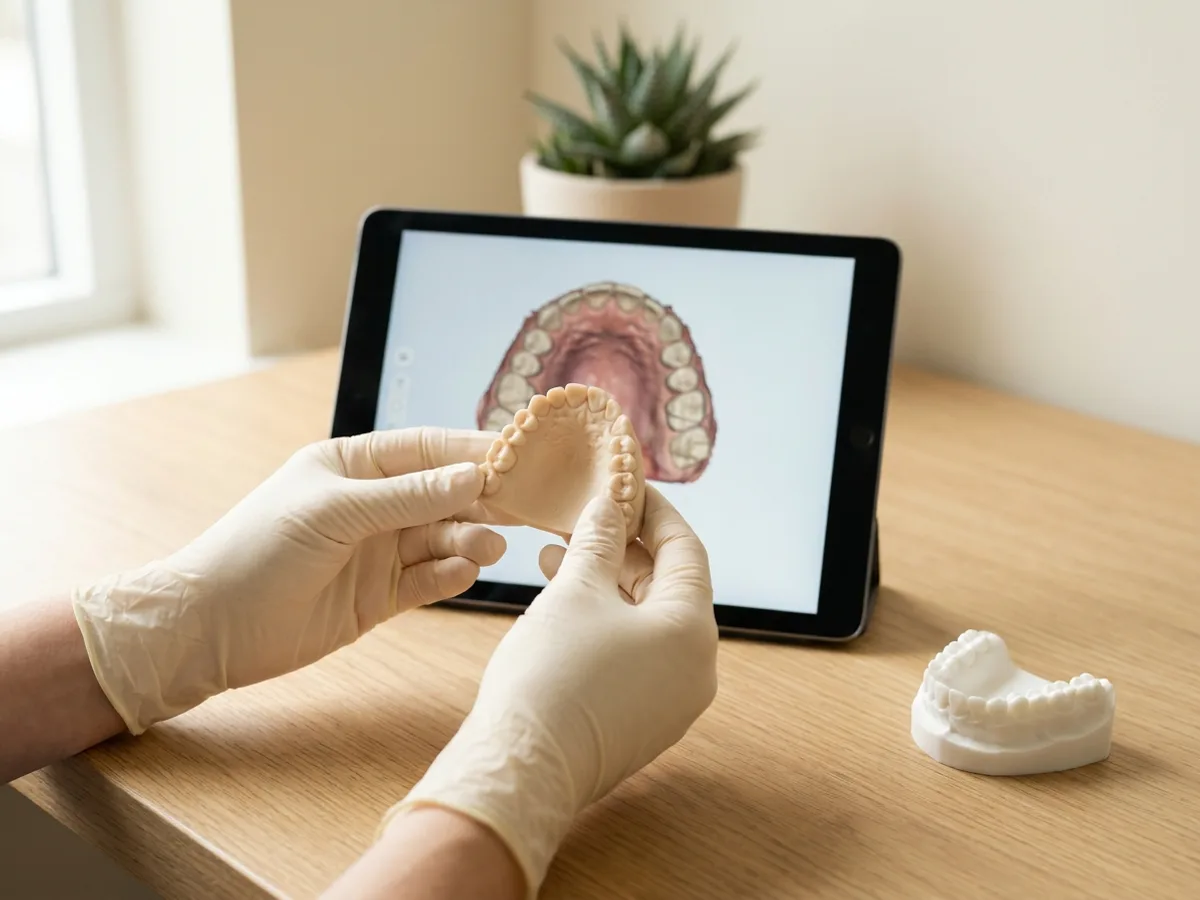
Dr. Li assesses joint stability and jaw movement before broader restorative, cosmetic, or Invisalign planning. Joint concerns that need care guide what comes first.
Start with your concerns
We explain the immediate priority, the wider picture, and the options that fit your goals.
Nova Dental Studio Proudly Holds Active Memberships




Visit us
We're waiting for you in Irvine
Find our office on the third floor right next to the elevators!
113 Waterworks Way Ste. 335
Irvine, CA 92618
- Mon–Fri
- 9:00AM – 5:00PM
- Sat–Sun
- Closed