Service
Sealants in Irvine, CA
Protection for suitable tooth grooves, selected around your cavity risk and the condition of each tooth.
What You Need to Know
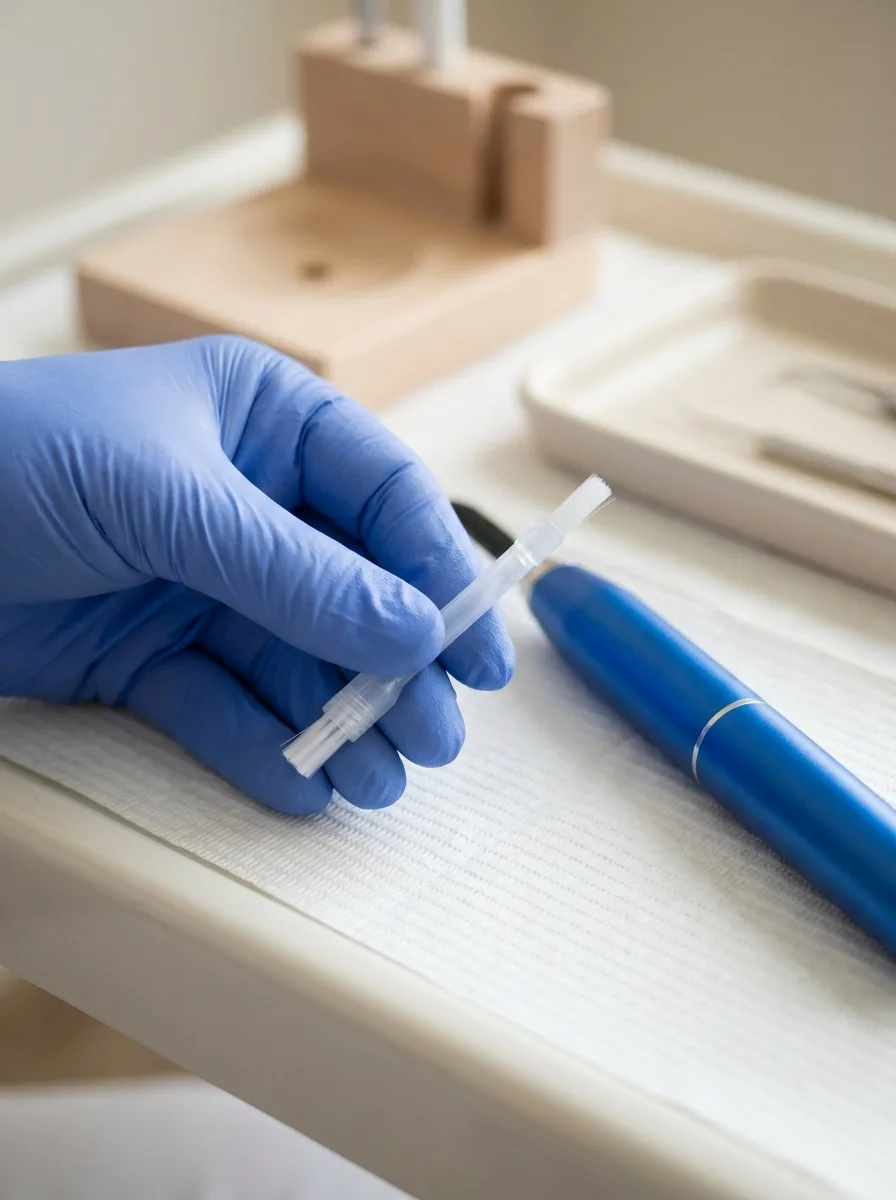
Dental sealants are thin protective coatings placed in the grooves of chewing surfaces, usually on back teeth. They create a barrier in areas where food and plaque can collect. Sealants are preventive care and work alongside fluoride toothpaste, cleaning between teeth, and regular dental examinations.
The chewing surfaces of back teeth have pits and narrow grooves that can retain plaque. A sealant flows into suitable grooves and forms a barrier after it hardens. It protects a specific surface rather than the entire tooth. The smooth sides and spaces between teeth still depend on daily cleaning and other appropriate preventive care.
Why Tooth Grooves Need Protection
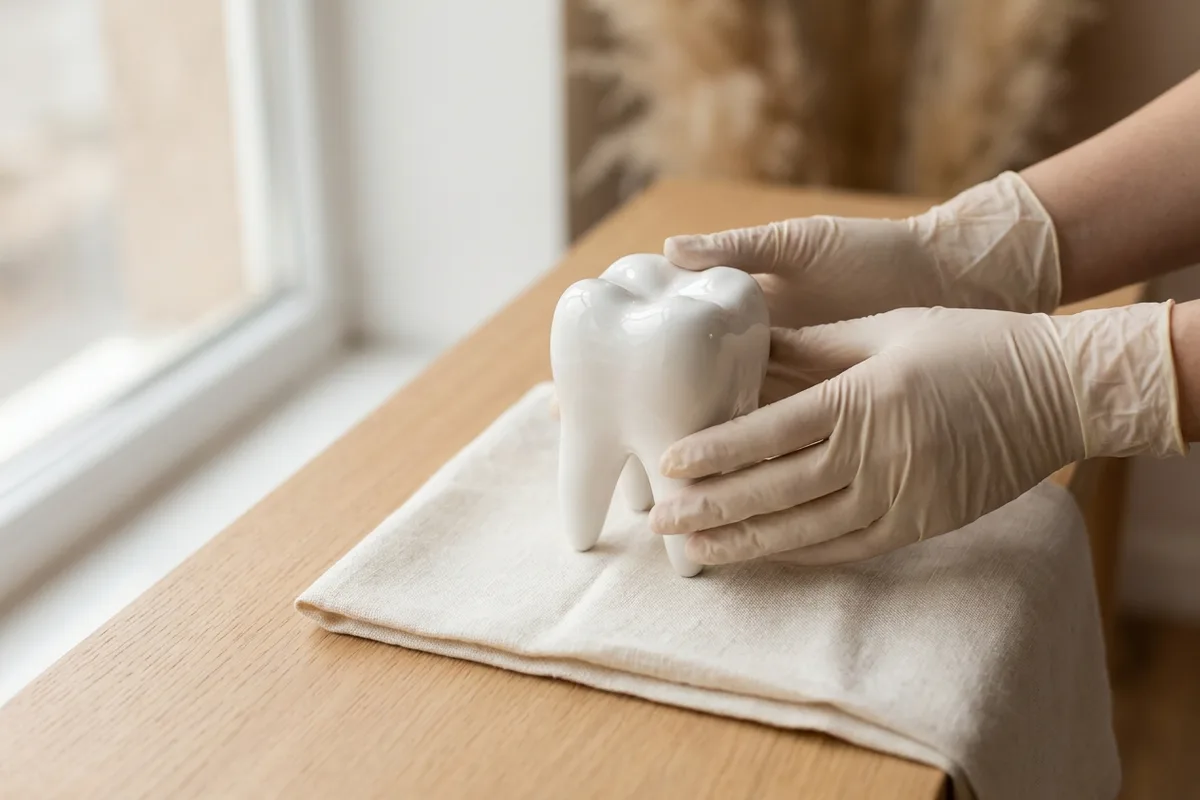
Some molars have deep pits and grooves that a toothbrush has difficulty reaching. Those surfaces can be vulnerable to decay even with a good home routine. Covering suitable grooves makes them easier to protect, especially when a newly erupted permanent tooth is difficult for a child to clean thoroughly.
Deep grooves can be difficult to clean even with careful brushing. Newly erupted molars deserve attention because their chewing surfaces are exposed to food and plaque for the first time. A sealant can reduce risk at a vulnerable site, but does not make the tooth immune to decay or remove the need for regular examination.
- New back teeth with grooves that retain food debris.
- Narrow chewing-surface pits that a toothbrush cannot reach effectively.
- A cavity history that makes additional groove protection worth discussing.
Who May Benefit from Sealants
Children and teenagers commonly receive sealants on permanent molars, but adults with susceptible grooves may benefit too. We consider previous cavities, tooth shape, and current hygiene. A tooth with an established cavity may need a filling instead; the decision depends on the examination rather than age alone.
The dentist considers the shape of the grooves, your cavity history, and whether the tooth can be kept dry during placement. Children and selected adults can benefit. A broken surface or a cavity that already needs restoration requires a different assessment. Not every dark groove is decay, so appearance alone does not decide the treatment.
- Identify which molars have fully emerged above the gum.
- Discuss whether saliva control is practical around the chosen tooth.
- Ask whether an existing surface defect needs restoration instead.
When to Consider Sealants
Permanent molars are often assessed for sealants after they erupt enough to be cleaned and kept dry during placement. Your dentist can also review unsealed teeth at later visits. Existing sealants need periodic checks because wear or partial loss can leave a groove exposed again.
A partly erupted tooth may be difficult to isolate from saliva. The dentist may recommend review or a different preventive approach until placement conditions improve. Sealants can fit into a broader prevention plan rather than requiring every tooth to be treated together. Ask which surfaces need protection now and which can be monitored.

The Evaluation Process
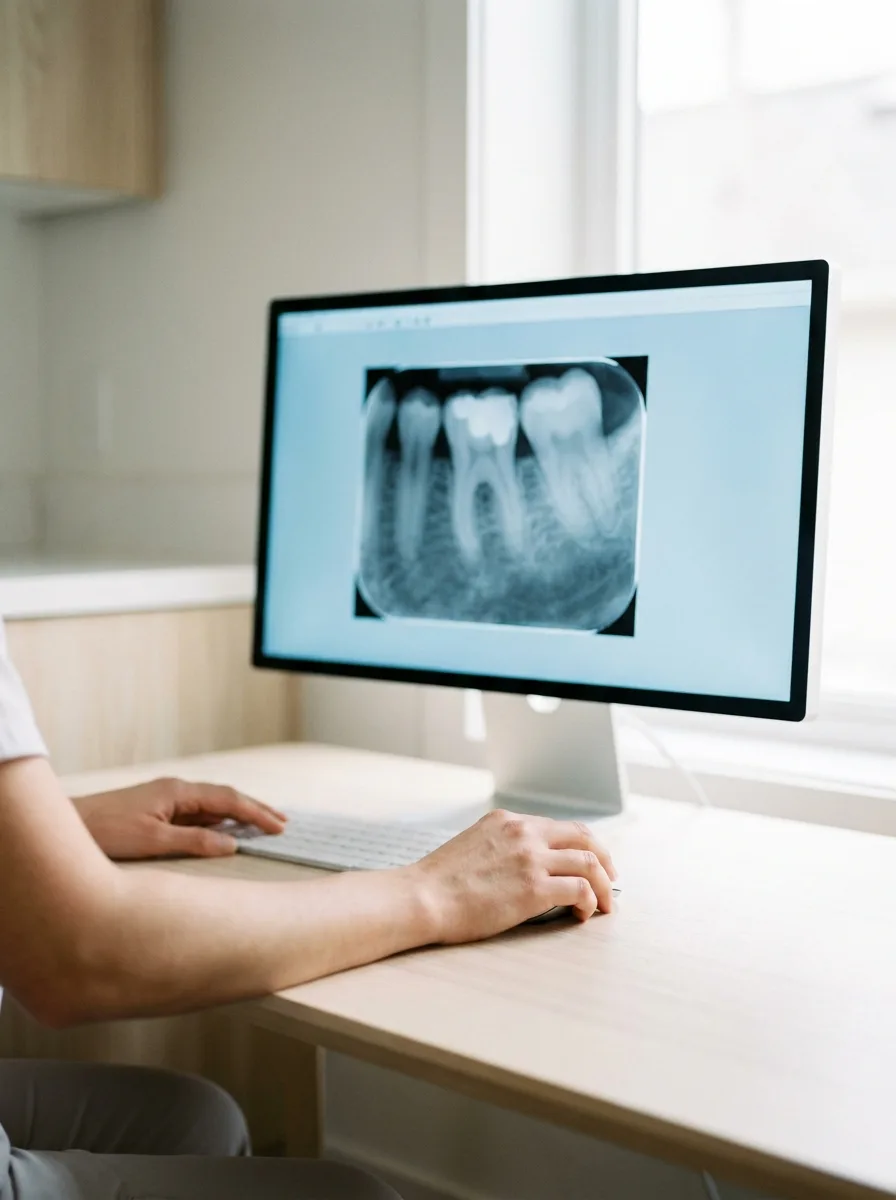
We examine the tooth surface for decay, assess the depth of its grooves, and consider your overall cavity risk. Imaging may be useful when a concern extends beyond the visible surface. The evaluation determines whether sealing, monitoring, or restorative treatment is the most appropriate approach for that tooth.
Assessment includes cleaning the surface enough to inspect it, checking for an existing cavity, and considering imaging when needed. The dentist explains whether the aim is prevention or management of a selected early lesion. Sealants do not repair a large hole or replace a filling where the tooth has lost supporting structure.
Dr. Li considers why a particular tooth is at risk, including groove shape and access for cleaning. The decision forms part of your wider prevention plan.
- Check the grooves after removing plaque and trapped debris.
- Distinguish harmless staining from a lesion needing another approach.
- Assess whether the chosen surface can remain dry during placement.
What Placement Involves
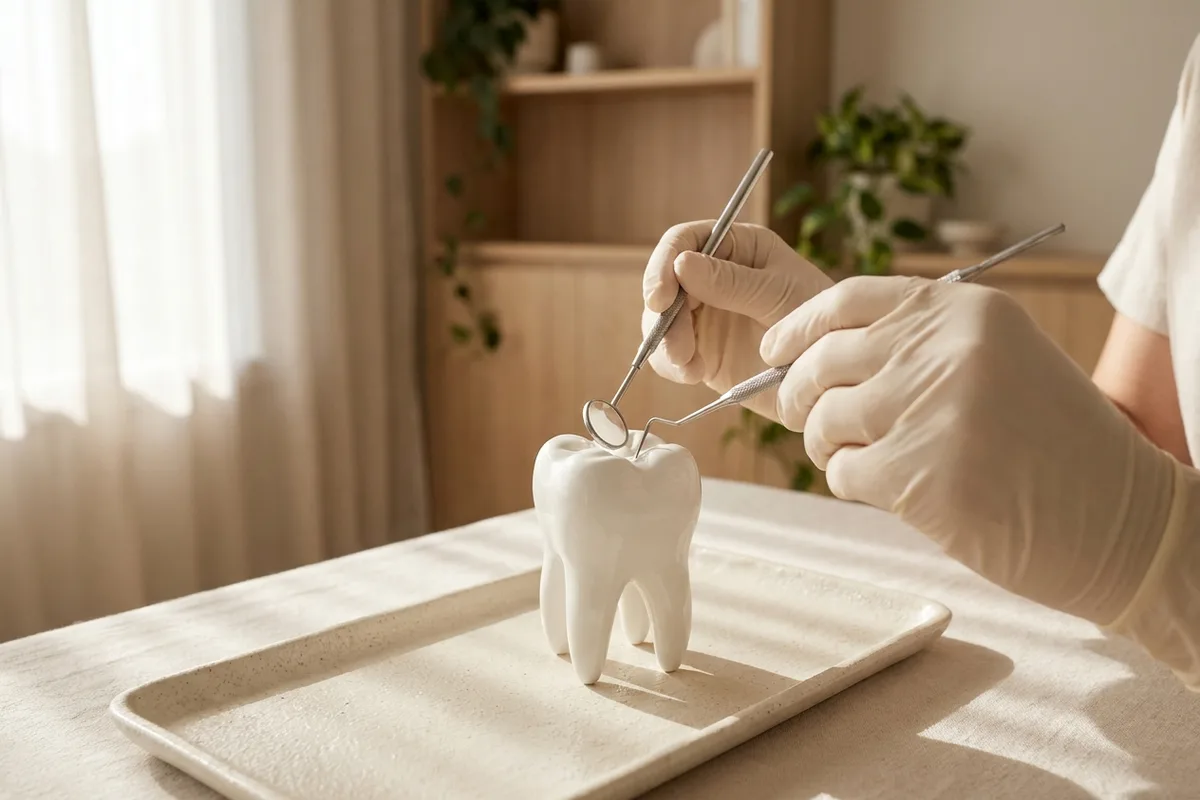
The tooth is cleaned and prepared, then the sealant material is applied to the grooves and allowed to set, often with a curing light. Placement usually does not require drilling or an anesthetic. We check coverage and the bite so the sealed surface is comfortable during chewing.
Placement generally involves cleaning, drying, preparing the enamel surface, and applying the sealant material. Many materials harden with a dental light. The clinician checks coverage and the way the teeth meet afterward. Keeping moisture away during placement helps the material bond. A tooth that feels unusually high when you bite should be checked.

Caring for Sealed Teeth
Brush and clean between teeth as usual; a sealant does not protect every tooth surface or eliminate cavity risk. Attend examinations so we can check for wear and repair or replace sealants when needed. Contact us if the bite feels different or a sealed tooth becomes sensitive.
Sealants can wear or lose part of their coverage over time. At review, the dentist checks whether the protected grooves remain sealed and whether repair or replacement is needed. Continue fluoride toothpaste and cleaning between teeth. Report a rough area or a change in your bite, especially if it follows a recent sealant appointment.
- Tell the dentist if a sealed tooth feels high.
- Ask whether a worn area needs repair at review.
- Keep cleaning between teeth, beyond the sealant's protected surface.

Sealant Assessment and Placement
Each tooth is assessed separately. Eruption, moisture control, or an existing cavity can change the proposed timing or treatment.
- 1
Inspect the tooth grooves
The dentist checks the selected chewing surfaces and cavity risk to decide whether sealants or another preventive or restorative approach is suitable.
- 2
Prepare and seal the surface
The clinician cleans, isolates, and prepares the tooth before applying and hardening the selected sealant material. Coverage and bite are checked.
- 3
Review the protective coating
Later examinations check retention and wear. A damaged or missing area may need repair while ordinary cleaning and fluoride care continue.
Services
Other treatments we offer
Make your Nova smile a reality.
Join our family of happy, healthy smiles today and experience the Nova Smile difference!
Questions, answered
About us
Why patients choose Nova Dental Studio
At Nova Dental Studio in Irvine, Dr. Nova Li addresses your immediate concern first. Before broader treatment planning, she assesses joint stability, muscle function, and jaw movement to decide the sequence of care.
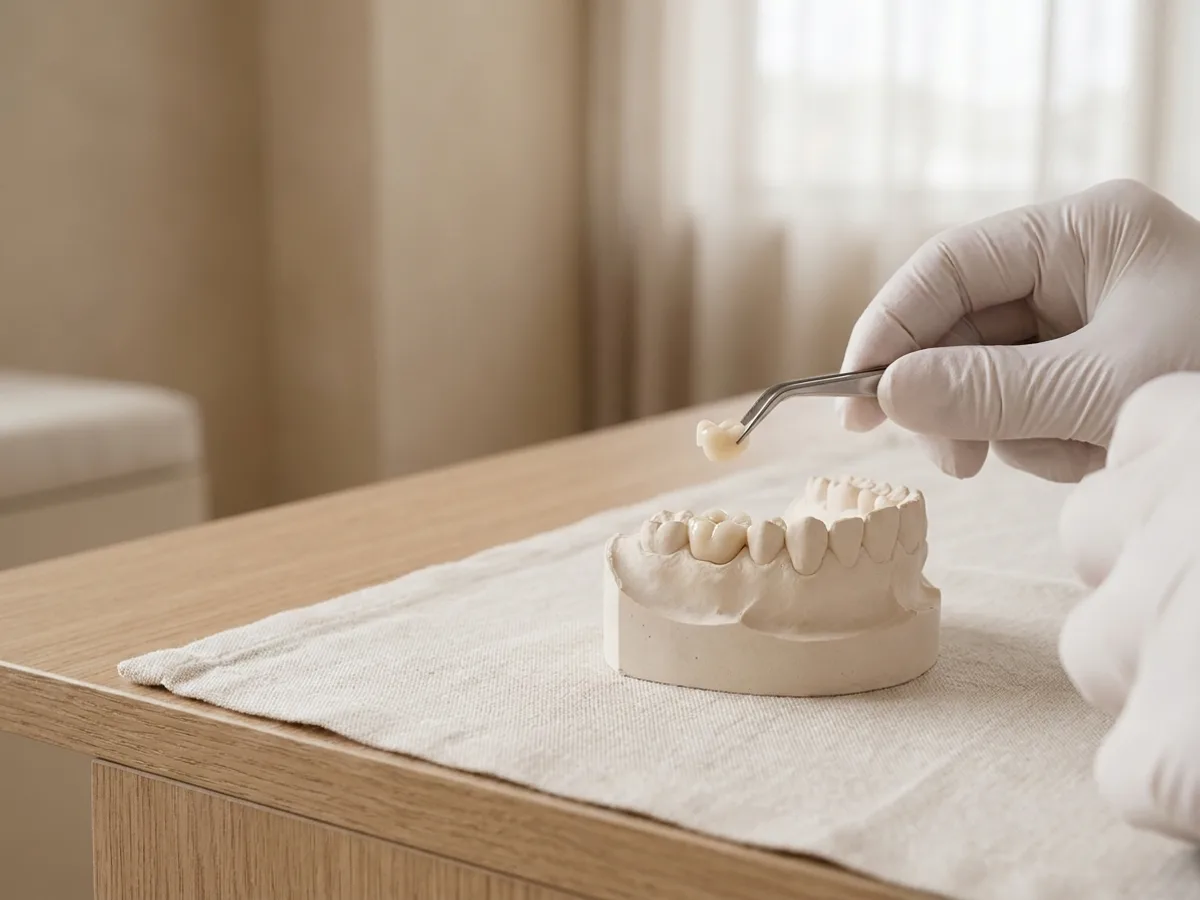
Preserve what is healthy
We consider conservative options and the reasons behind damage before recommending how to repair a tooth.
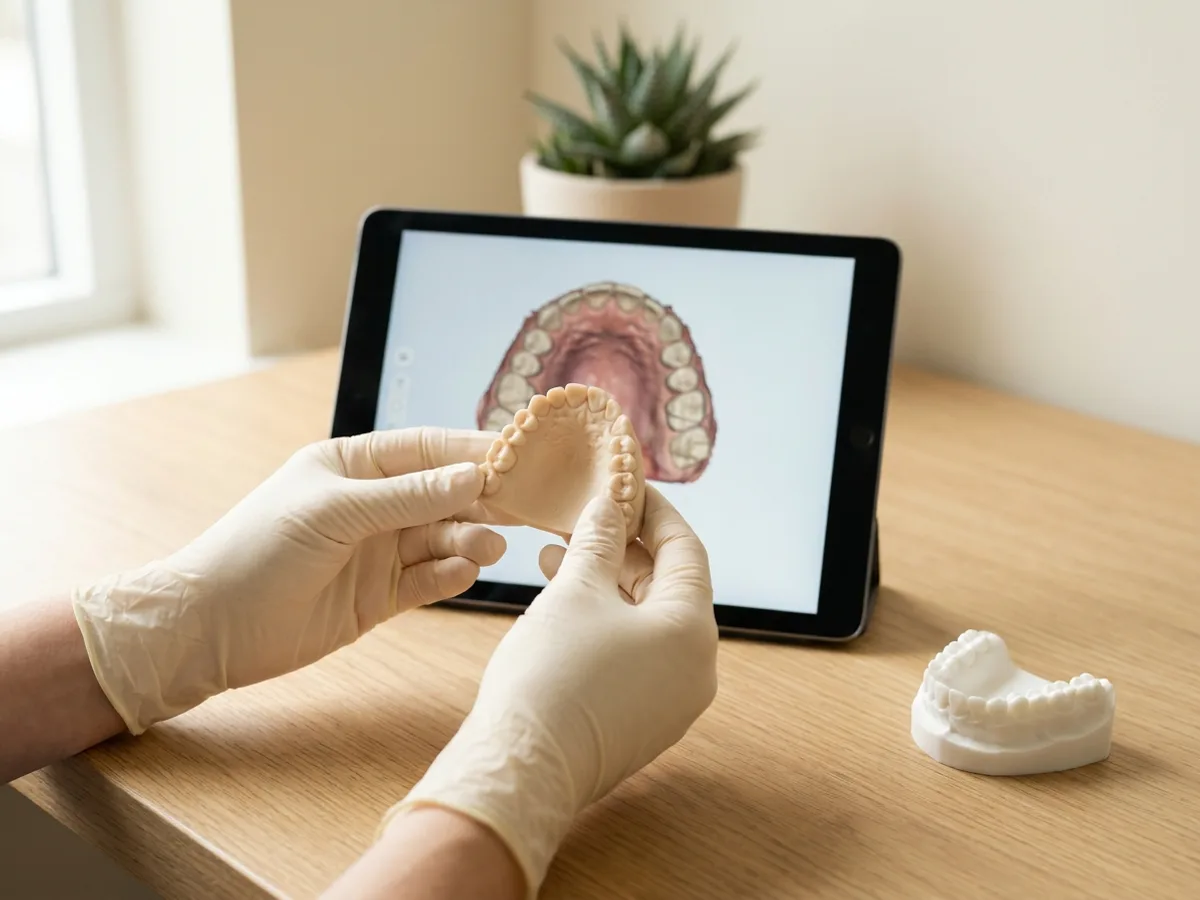
Joint stability first
Dr. Li assesses joint stability and jaw movement before broader restorative, cosmetic, or Invisalign planning. Joint concerns that need care guide what comes first.
Start with your concerns
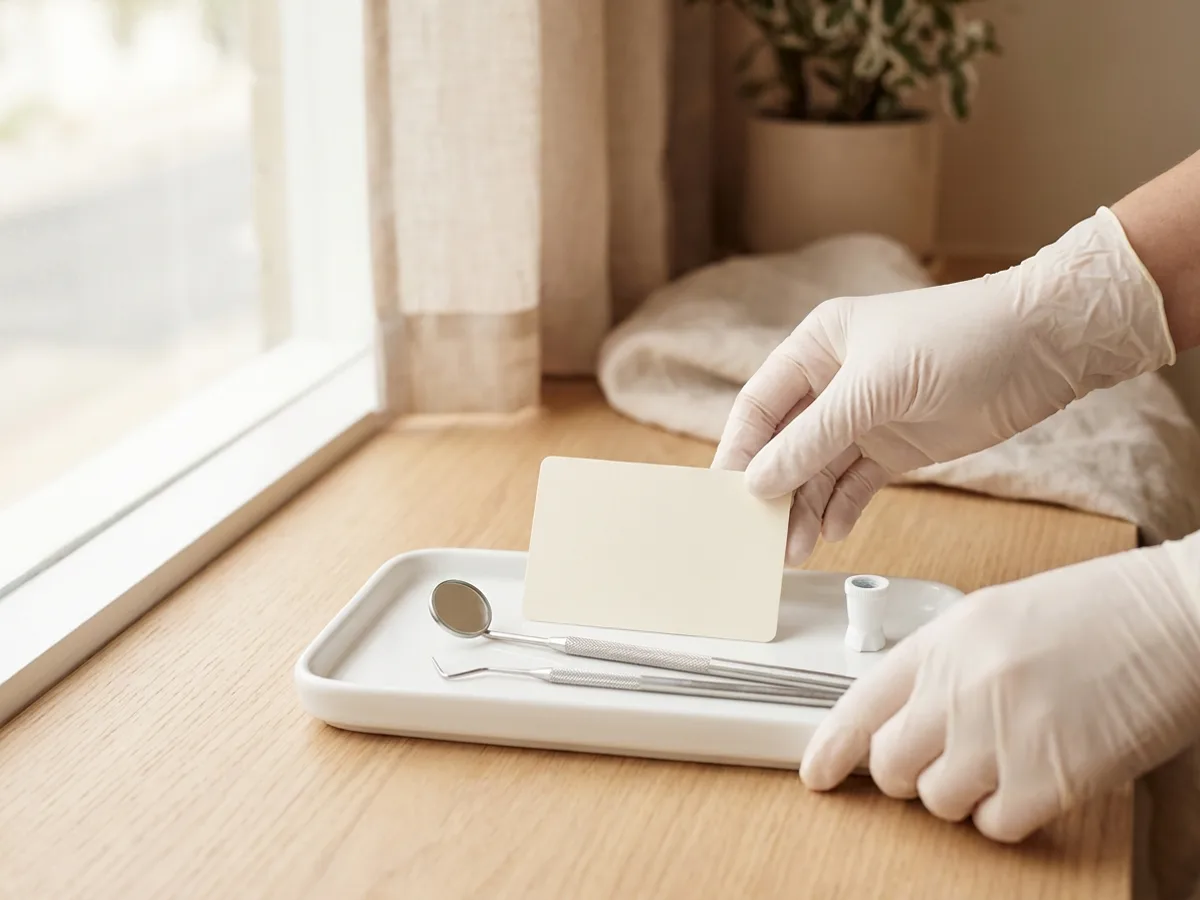
We explain the immediate priority, the wider picture, and the options that fit your goals.
Nova Dental Studio Proudly Holds Active Memberships




Visit us
We're waiting for you in Irvine
Find our office on the third floor right next to the elevators!
113 Waterworks Way Ste. 335
Irvine, CA 92618
- Mon–Fri
- 9:00AM – 5:00PM
- Sat–Sun
- Closed