Service
Extraction and Site Preservation/
Removal of a tooth that cannot be retained, with discussion of healing and future replacement where appropriate.
What You Need to Know
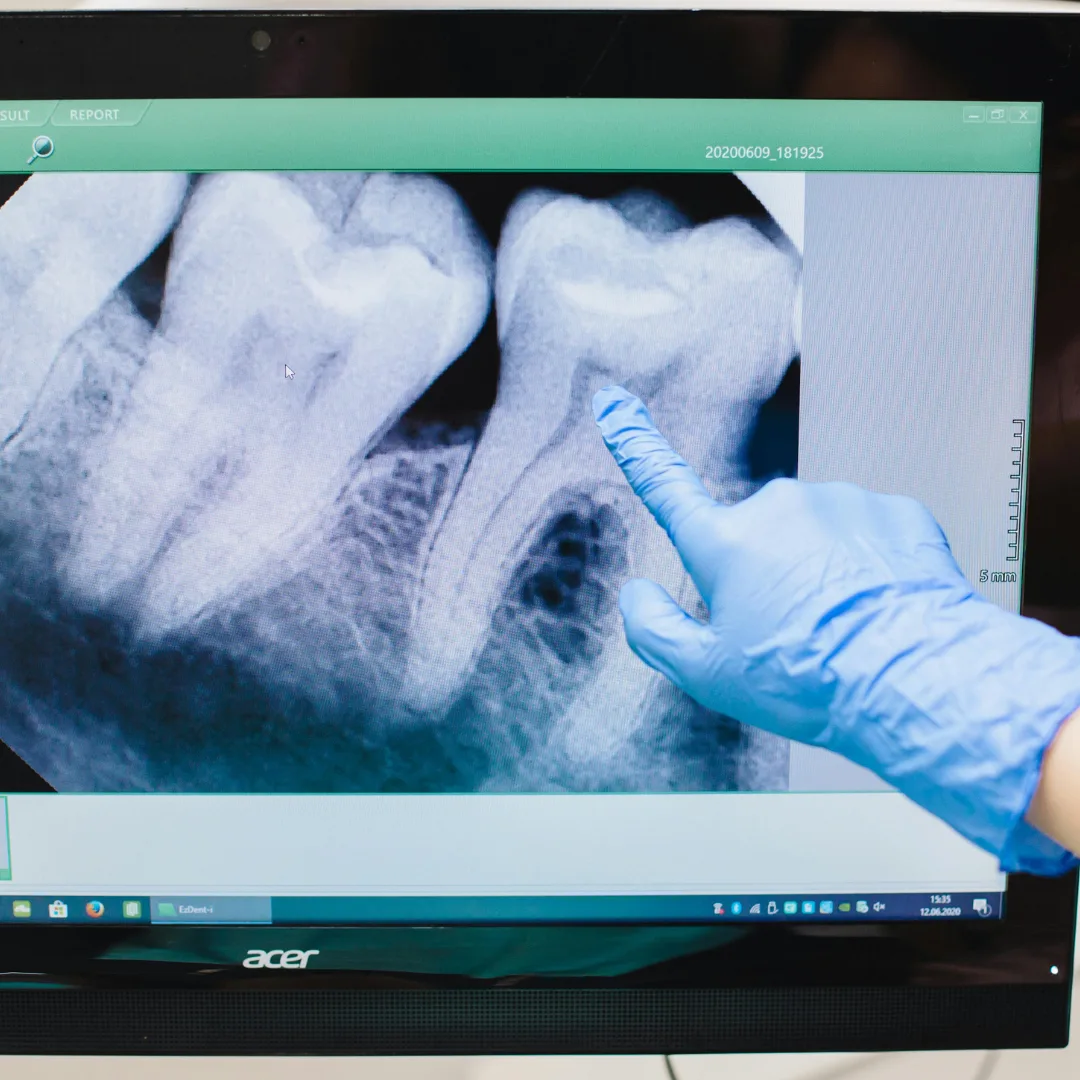
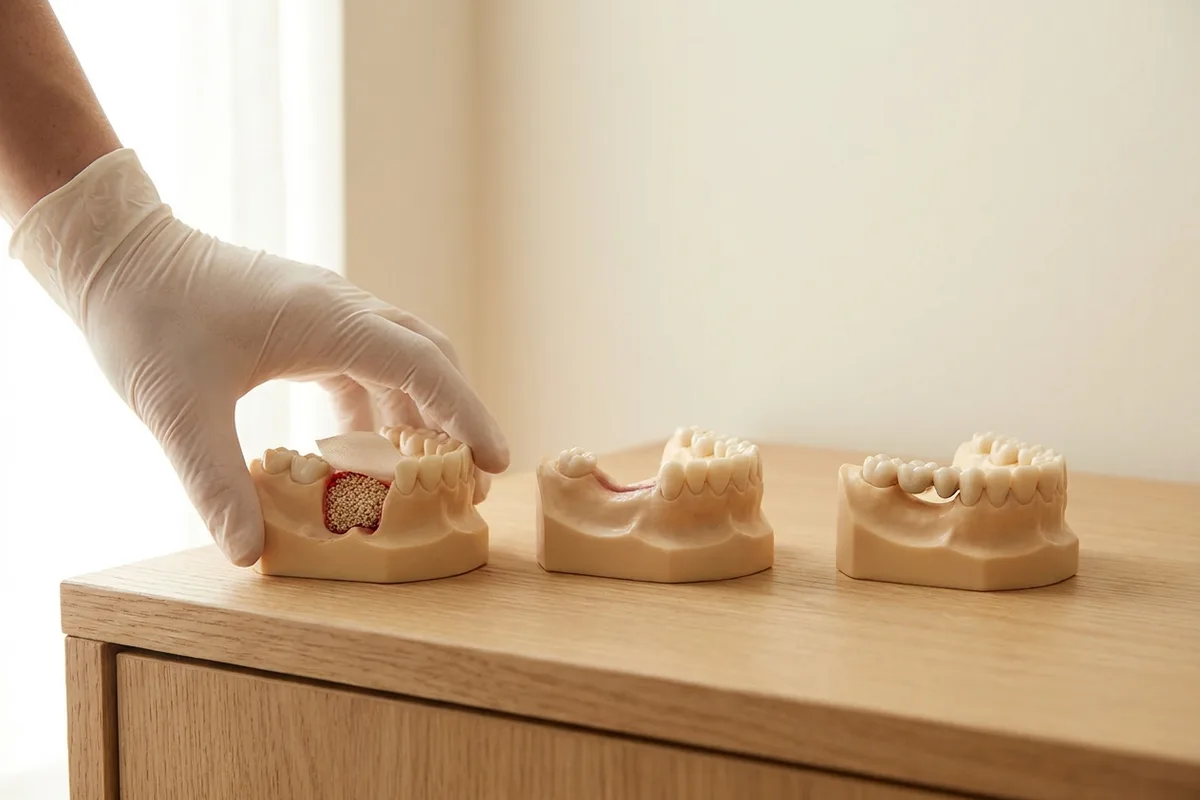
Site preservation is considered when a tooth is removed and future replacement depends on the shape and volume of the supporting tissues. Bone graft material may be placed in the extraction socket in selected cases. Augmentation can also address existing deficiencies, but neither approach guarantees that later implant treatment will be possible.
After a tooth is removed, its socket and the surrounding ridge change as they heal. Site preservation places suitable graft material in a selected extraction site to help maintain ridge form. Augmentation can address an existing deficiency. These procedures support later planning, but cannot guarantee that the site will need no further grafting before an implant.

Why the Extraction Site Matters
Bone and gum contours can change after tooth loss. Those changes may affect an implant, bridge design, or the appearance of a replacement tooth. Thinking about the site before extraction allows us to discuss ways to support future treatment and whether preservation adds value to your particular plan.
The shape of the ridge can affect replacement choices, appearance, and the position of a future restoration. Planning before extraction helps identify what may be useful while the socket is accessible. Preservation is not necessary for every removed tooth. The benefit depends on the site, its remaining walls, and whether or how you plan to replace the tooth.
- A future replacement whose position depends on the ridge shape.
- An extraction site with limited or damaged supporting walls.
- A visible gap where tissue contours affect later restorative planning.
Who May Benefit
Patients considering an implant or facing a compromised extraction site may need an assessment for preservation or grafting. Infection, damaged socket walls, medical history, and smoking can influence suitability and healing. Some sites do not require grafting, and others need more extensive treatment than a socket preservation procedure.
Suitability depends on infection, available bone and soft tissue, medical history, and factors that affect healing. Smoking and some medicines can influence the discussion. Tell the dentist about all prescribed and nonprescribed products. Do not stop medication yourself. A damaged site or complex anatomy may need specialist assessment and a staged approach rather than immediate graft placement.
- Discuss whether you actually want an implant or another replacement.
- Share earlier problems with surgical wounds or healing tissues.
- Ask how a temporary tooth would avoid pressure on the graft.
When to Discuss Preservation
Discuss replacement goals before the extraction when possible, because some preservation decisions are made at that appointment. An already healed site can still be assessed for augmentation. Healing and any later implant placement are staged according to the clinical findings rather than a guaranteed number of weeks.
Discuss replacement goals before the extraction if possible. The team can explain whether a temporary tooth is appropriate and how it will avoid pressure on the healing area. Bone maturation takes longer than the initial closure of the gum. The later review determines readiness for another procedure, so a comfortable-looking surface does not establish that the site is fully ready.
The Evaluation Process
We evaluate the tooth, surrounding bone and gums, and the proposed replacement. Imaging may be needed to understand the site and nearby anatomy.
We review graft material choices, expected stages, and health factors that could affect healing. The plan also considers alternatives if an implant is unsuitable.
The dentist checks whether the tooth can be retained, the shape of its roots, the surrounding support, and nearby anatomy. Imaging is selected for those questions. If preservation is recommended, ask about the graft source, any membrane, and how the site will be protected. Understanding these materials and their purpose forms part of your consent discussion.
Dr. Li also considers how the missing tooth may affect the wider treatment plan. Immediate care and any later replacement are discussed as separate decisions.
- Assess the remaining socket walls and neighboring root anatomy.
- Identify the proposed graft source and purpose of any membrane.
- Clarify which healing findings determine the next treatment decision.
Treatment Approaches
An extraction may be followed by graft placement and a protective membrane in an appropriate site. Other defects can require a separate augmentation procedure.
The technique depends on the tissues that remain and the treatment goal. We explain what is planned, including temporary replacement options where relevant.
The extraction and graft plan may involve cleaning the socket, placing a selected graft, and protecting it with a membrane or sutures. Some patients need later augmentation instead. Alternatives include allowing the socket to heal without a graft or choosing a different replacement. Your clinician explains which options fit the findings and how each affects later care.
Recovery and Later Review
Follow the instructions for protecting the socket, cleaning, food, activity, and comfort. Avoid disturbing the site and attend healing reviews.
Contact us about worsening pain, swelling, or bleeding that does not settle as instructed. The healed tissues must be reassessed before committing to the final tooth replacement plan.
Protect the site from pressure and follow instructions about food, cleaning, and any temporary appliance. Do not pick at graft particles or pull at sutures. Contact the office about persistent bleeding, increasing swelling, fever, or worsening pain. Trouble breathing or swallowing requires emergency medical care. Follow-up remains important even when early healing feels comfortable.
- Ask whether your temporary replacement needs adjustment during healing.
- Avoid disturbing visible graft material or pulling at sutures.
- Keep the site review even when the gum surface looks closed.

Extraction and Preservation Stages
The approach depends on the socket and replacement goals. Surface healing and later bone readiness are separate clinical milestones.
- 1
Plan removal and future replacement
The dentist reviews whether the tooth can be retained and explains extraction, replacement choices, and any reason to preserve or augment the site.
- 2
Remove the tooth and protect the site
The clinician carries out the agreed procedure and places graft or protective materials when indicated, with instructions for the wound and any temporary replacement.
- 3
Review healing before further treatment
Follow-up checks the site and whether additional assessment or healing is needed before an implant or another definitive replacement can proceed.
Services
Other treatments we offer
Make your Nova smile a reality.
Join our family of happy, healthy smiles today and experience the Nova Smile difference!
Questions, answered
About us
Why patients choose Nova Dental Studio
At Nova Dental Studio in Irvine, Dr. Nova Li addresses your immediate concern first. Before broader treatment planning, she assesses joint stability, muscle function, and jaw movement to decide the sequence of care.
Preserve what is healthy
We consider conservative options and the reasons behind damage before recommending how to repair a tooth.
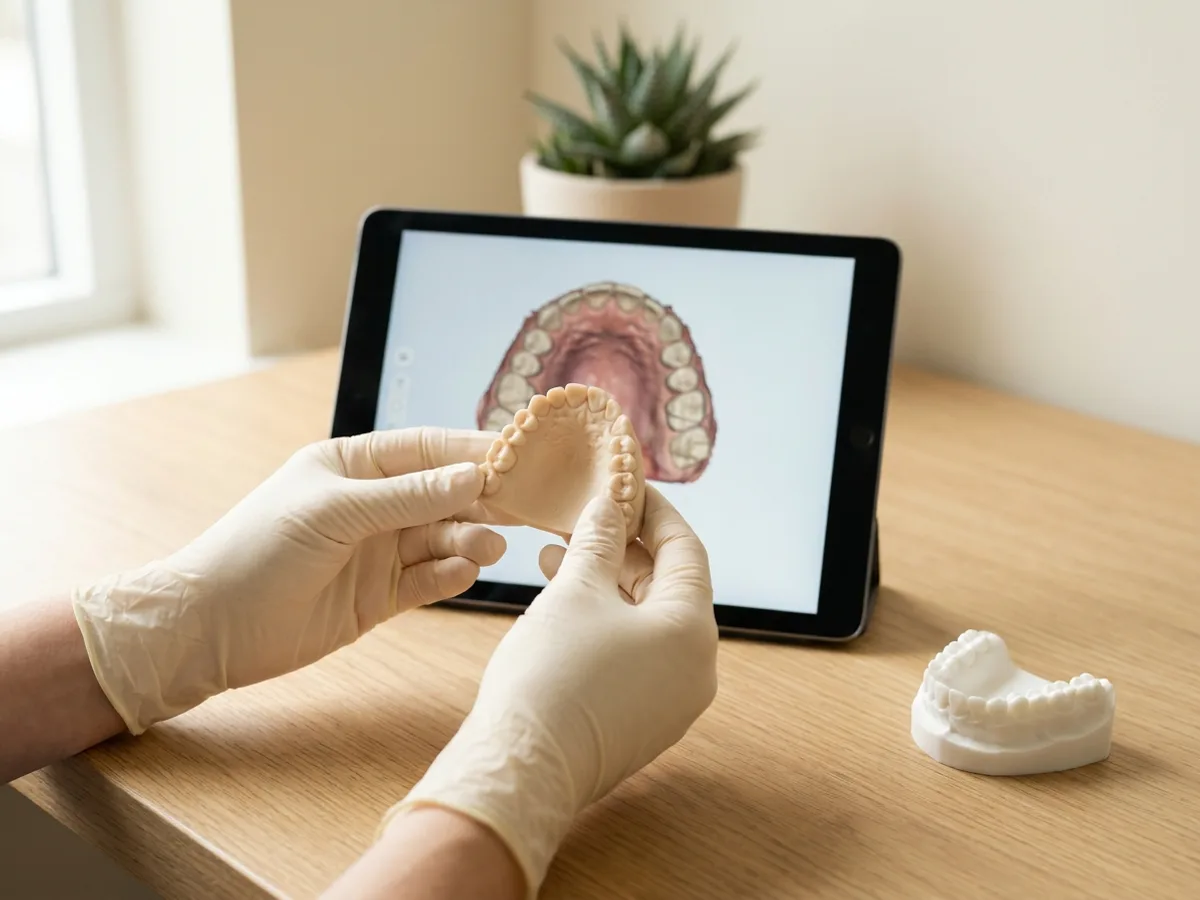
Joint stability first
Dr. Li assesses joint stability and jaw movement before broader restorative, cosmetic, or Invisalign planning. Joint concerns that need care guide what comes first.
Start with your concerns
We explain the immediate priority, the wider picture, and the options that fit your goals.
Nova Dental Studio Proudly Holds Active Memberships




Visit us
We're waiting for you in Irvine
Find our office on the third floor right next to the elevators!
113 Waterworks Way Ste. 335
Irvine, CA 92618
- Mon–Fri
- 9:00AM – 5:00PM
- Sat–Sun
- Closed