Service
Nova Smile Design in Irvine, CA
Smile design starts with your preferences and an assessment of jaw-joint stability and movement. Joint findings guide the sequence before elective changes to tooth shape or position.
What You Need to Know
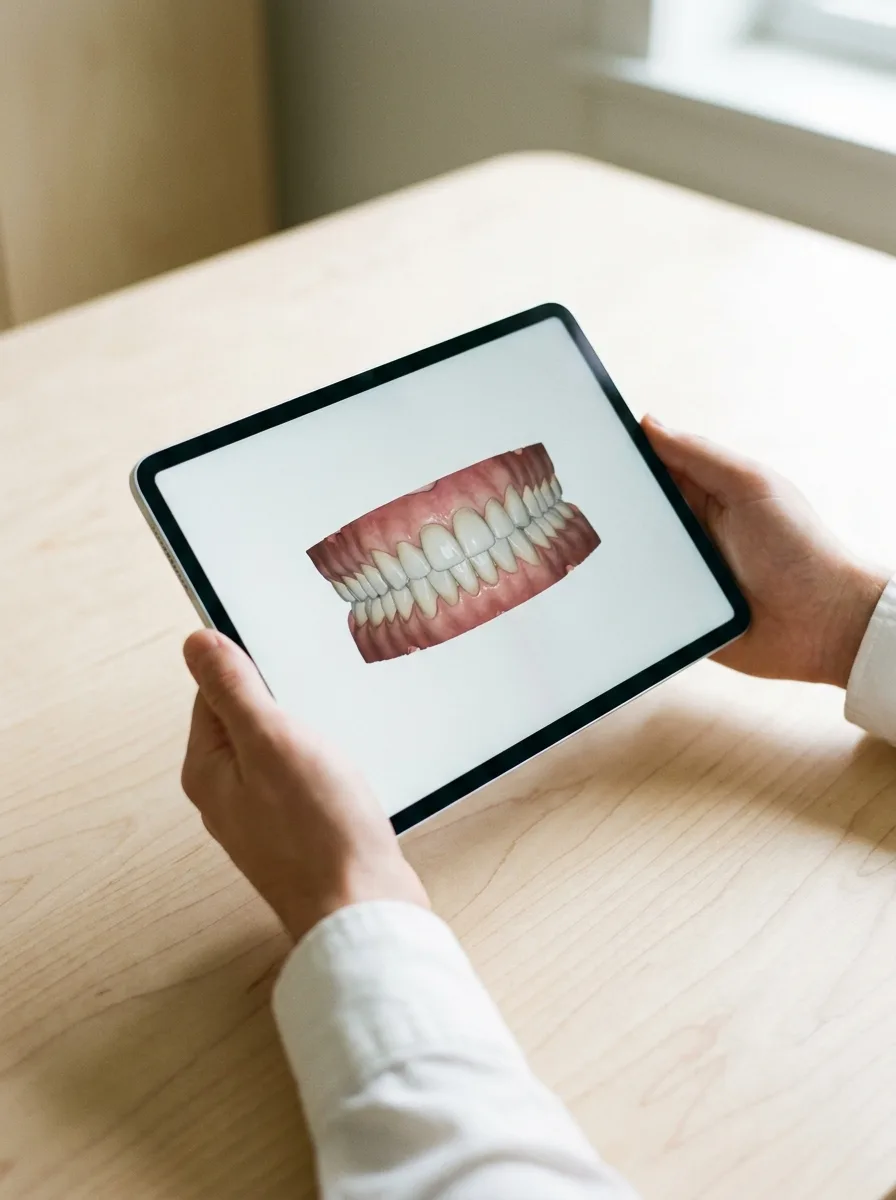
Smile design is a planning process that considers tooth shape, proportions, color, and the relationship of your smile to your face. It helps organize cosmetic decisions before treatment. A digital design or trial smile is a communication tool, not a separate procedure that automatically changes the teeth.
A useful design identifies specific decisions, such as which edges to change, how a proposed shape affects tooth display, and whether existing restorations need consideration. You can review those decisions before committing to a procedure. The process should make the reasons for each change clear, rather than offer an image without explaining how the proposed result could be achieved.
Why Planning Your Smile Matters
Changing a single tooth can affect the appearance of the teeth beside it. Looking at the full smile helps coordinate symmetry, gum display, and the bite. Planning also gives you time to compare conservative options and understand when a desired cosmetic change would require irreversible tooth preparation.
A tooth that appears too short may relate to its shape, wear, position, or the amount of gum covering it. A gap can have several causes as well. Planning helps distinguish these situations before selecting a cosmetic procedure. Otherwise, changing the visible surface could leave the underlying concern unresolved or require more tooth preparation than necessary.
- Several proposed procedures that depend on a shared final shade.
- An uncertainty about how much tooth shape should change.
- Existing restorations that need consideration before a new cosmetic plan.
Goals to Bring to Your Visit
Describe the details you would like to change, such as short-looking teeth, uneven edges, or a smile that feels unbalanced. Share your preferences for a natural appearance and any concerns about treatment. Your own facial features and oral health guide the design, rather than an identical template applied to everyone.
Describe the features you want to retain as well as those you want to change. Photographs can help explain a preference, but another person's tooth proportions may not suit your face or bite. Mention sensitivity, grinding, and previous restorations. These details affect the available choices even when your main reason for consultation is appearance.
- Bring examples of preferences without expecting an identical copied smile.
- Identify natural features that the plan should deliberately preserve.
- Explain which proposed changes would matter most in daily life.
When Smile Design Is Useful
Design can be helpful before veneers, bonding, a smile makeover, or complex restorative work. It may also show that alignment or whitening should come first. The planning stage should allow time for discussion and revision before you commit to the clinical steps needed to achieve the proposed changes.
Planning usually precedes irreversible procedures and should allow time to ask questions. Gum health, planned whitening, orthodontic movement, or replacement of old restorations can affect the sequence. Ask when the design can be reviewed and what changes remain possible at each stage. A useful plan identifies decision points before preparation or final fabrication makes changes more difficult.
The Evaluation Process
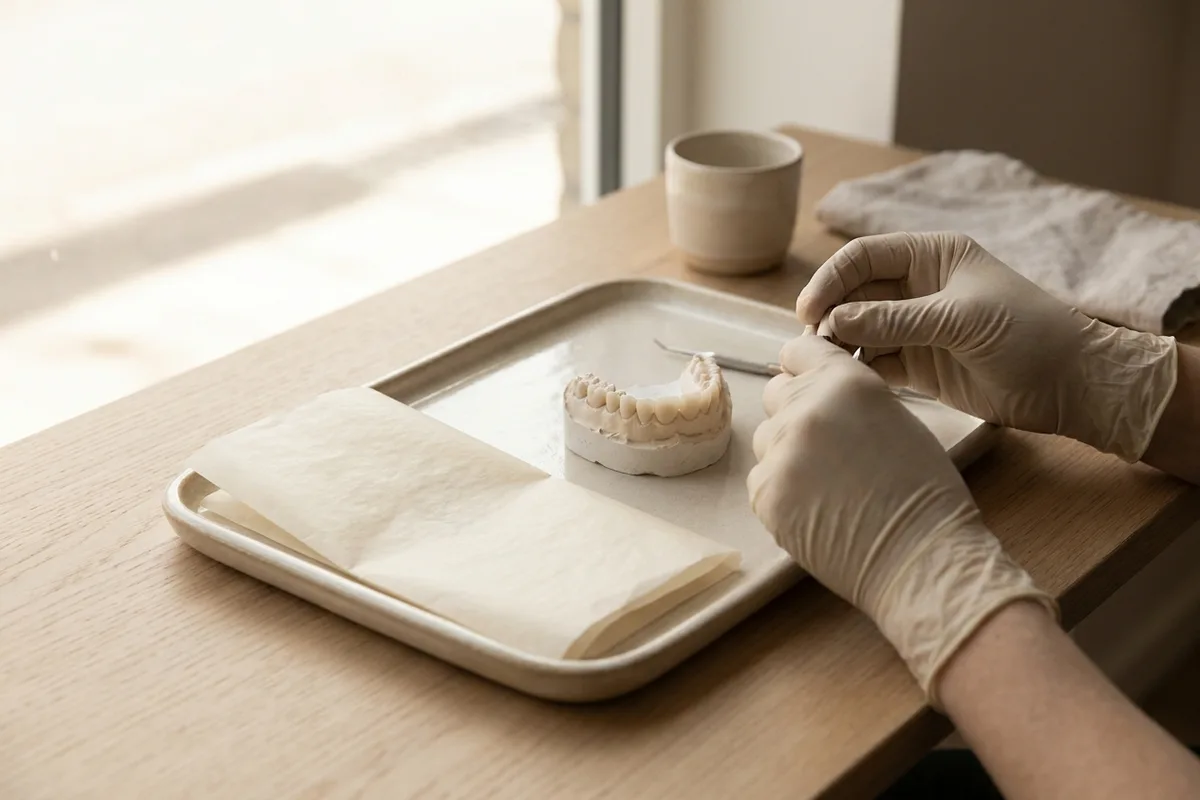
We assess teeth, gums, the bite, and how the smile appears at rest and during movement. Photographs and scans can help record these relationships. Any decay, gum disease, or structural concern is evaluated separately because a pleasing visual design still needs a healthy and functional foundation.
The dentist may use photographs, scans or impressions, and bite records, with imaging for specific clinical questions. The assessment considers teeth in speech and smiling as well as at rest. Ask how your goals relate to the findings. A proposed image or trial form supports communication, but cannot establish how healing or every final material will look in advance.
Dr. Li starts smile-design planning with joint stability and jaw movement. If a joint concern needs care, that step comes before elective changes to tooth shape or position. MODJAW records may support the assessment.
- Compare the design with speech and smile photographs.
- Check whether existing gum inflammation would distort final design records.
- Discuss a reversible trial when it could clarify a decision.
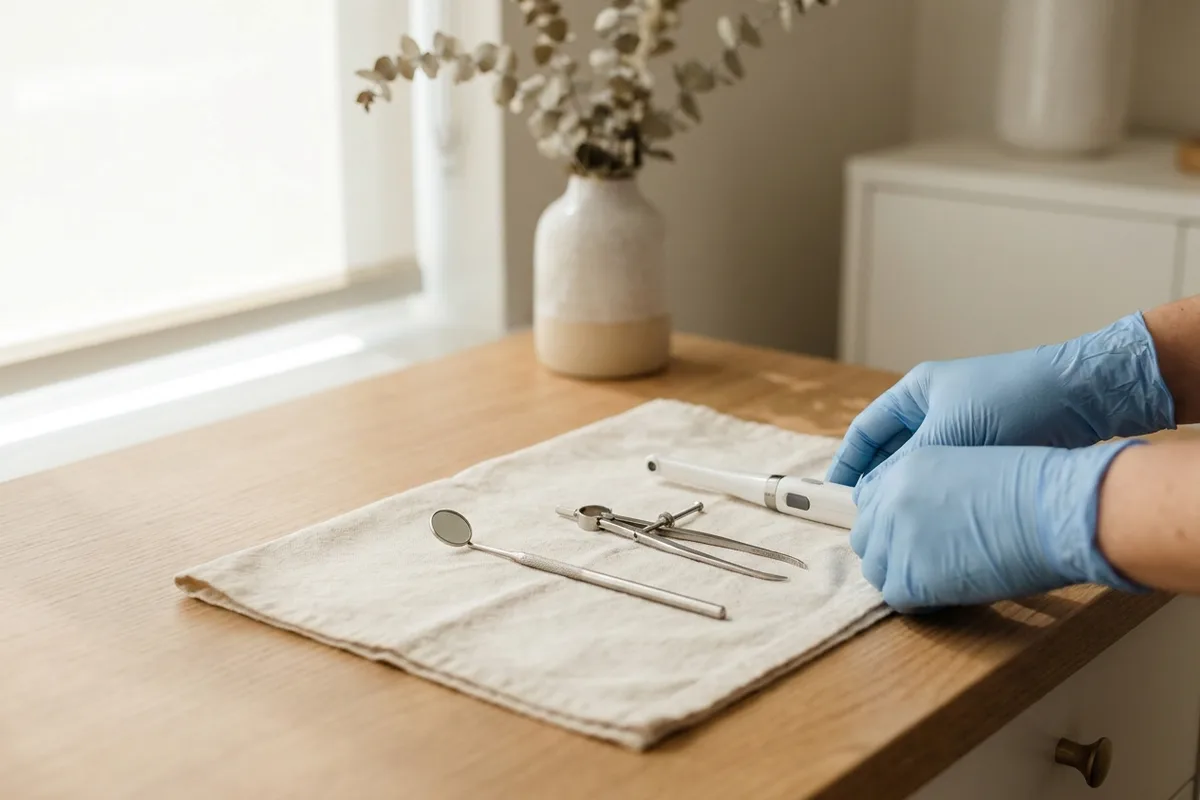
Design and Treatment Options
A digital proposal or trial smile can help you review tooth proportions and discuss preferences. The eventual plan may use whitening, aligners, bonding, veneers, or restorations. We explain which features of a preview are illustrative and how biological limits, materials, and the bite affect the final outcome.
A design can lead to no treatment, a small conservative adjustment, or a staged combination of procedures. Whitening, bonding, orthodontics, veneers, and restorative care have different biological and maintenance costs. Compare those options rather than treating the preview as a commitment to one package. You can request changes and review alternatives before choosing a treatment plan.
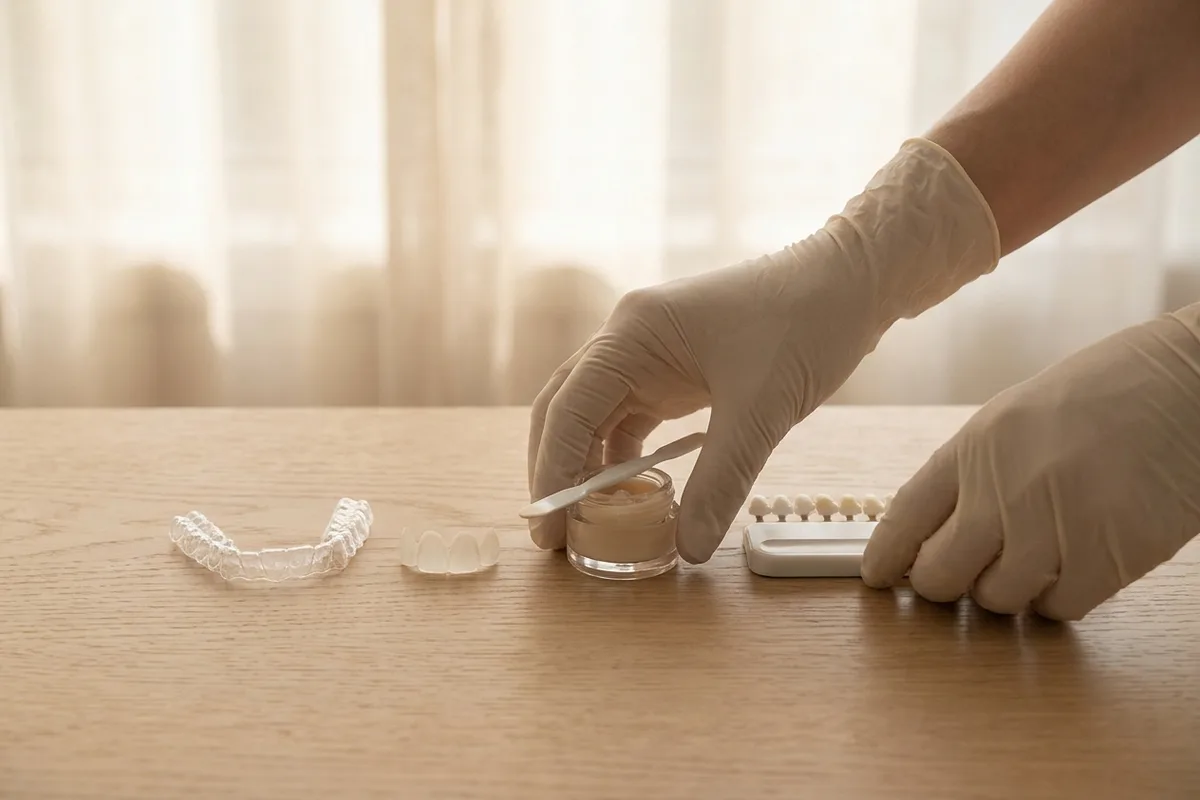
From Design to Ongoing Care
Planning itself usually has no recovery period; aftercare depends on the treatments you choose. Keep a record of agreed goals and ask about maintenance before proceeding.
Final restorations and tooth position need reviews over time. A design supports shared decisions, but it cannot guarantee an exact appearance or permanent result.
Keep a clear record of the agreed goals, selected procedures, and follow-up needs. If your priorities change before treatment, tell the team so the plan can be reviewed. Maintenance depends on the actual work completed, not on the design appointment itself. Retainers, restoration care, prevention, or shade reviews may apply to different parts of the final plan.
- Keep the agreed priorities alongside the selected treatment proposal.
- Request review if your preferences change before irreversible preparation.
- Ask which design decisions need reassessment after earlier treatment stages.
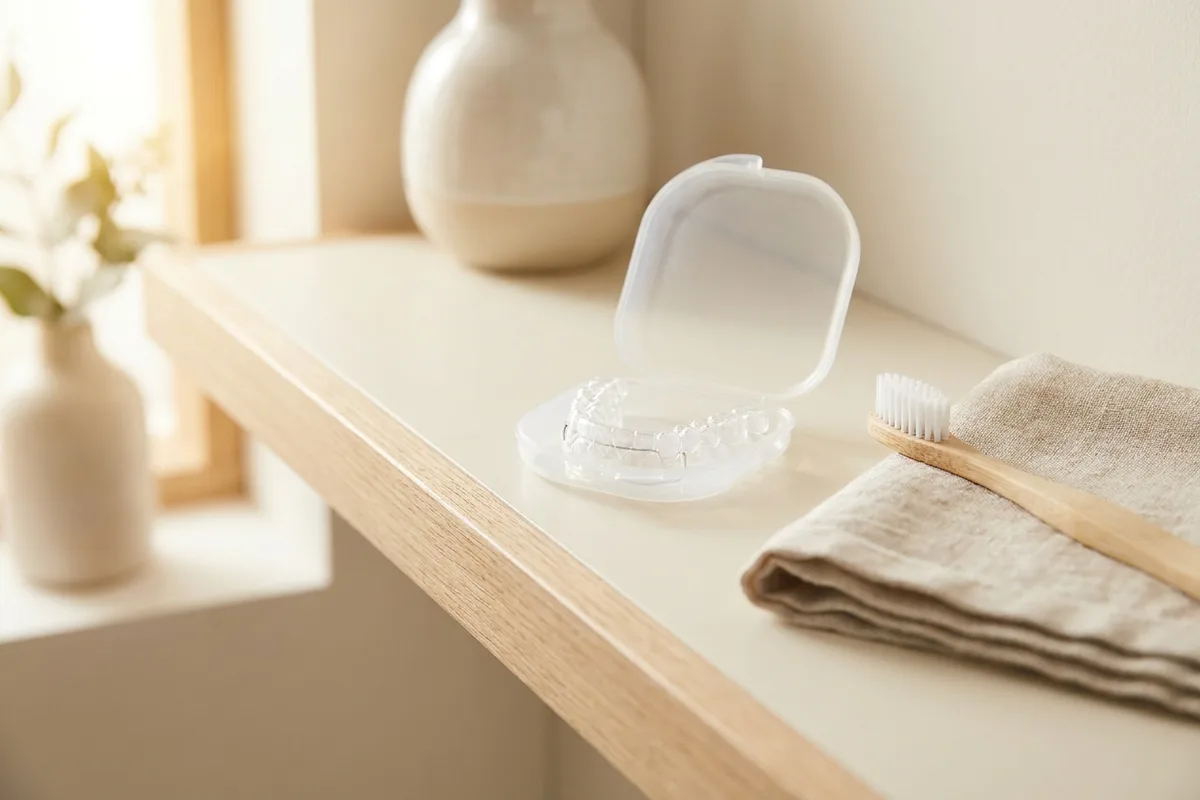
Your Smile Design Planning Stages
The planning stages support decisions rather than promise a final appearance. Further records or trials can be considered before individual procedures begin.
- 1
Record goals and starting findings
You discuss the changes you want to explore while the dentist records the teeth, gums, facial relationships, and functional concerns relevant to planning.
- 2
Compare proposed shapes and choices
The clinician uses suitable records or trial methods to explain possible changes, their limits, and the procedures that would be needed.
- 3
Agree on a practical treatment plan
You review alternatives and priorities before selecting any care. The plan identifies decision points, sequence, and the maintenance implications of chosen procedures.
Services
Other treatments we offer

Make your Nova smile a reality.
Join our family of happy, healthy smiles today and experience the Nova Smile difference!
Questions, answered
About us
Why patients choose Nova Dental Studio
At Nova Dental Studio in Irvine, Dr. Nova Li addresses your immediate concern first. Before broader treatment planning, she assesses joint stability, muscle function, and jaw movement to decide the sequence of care.
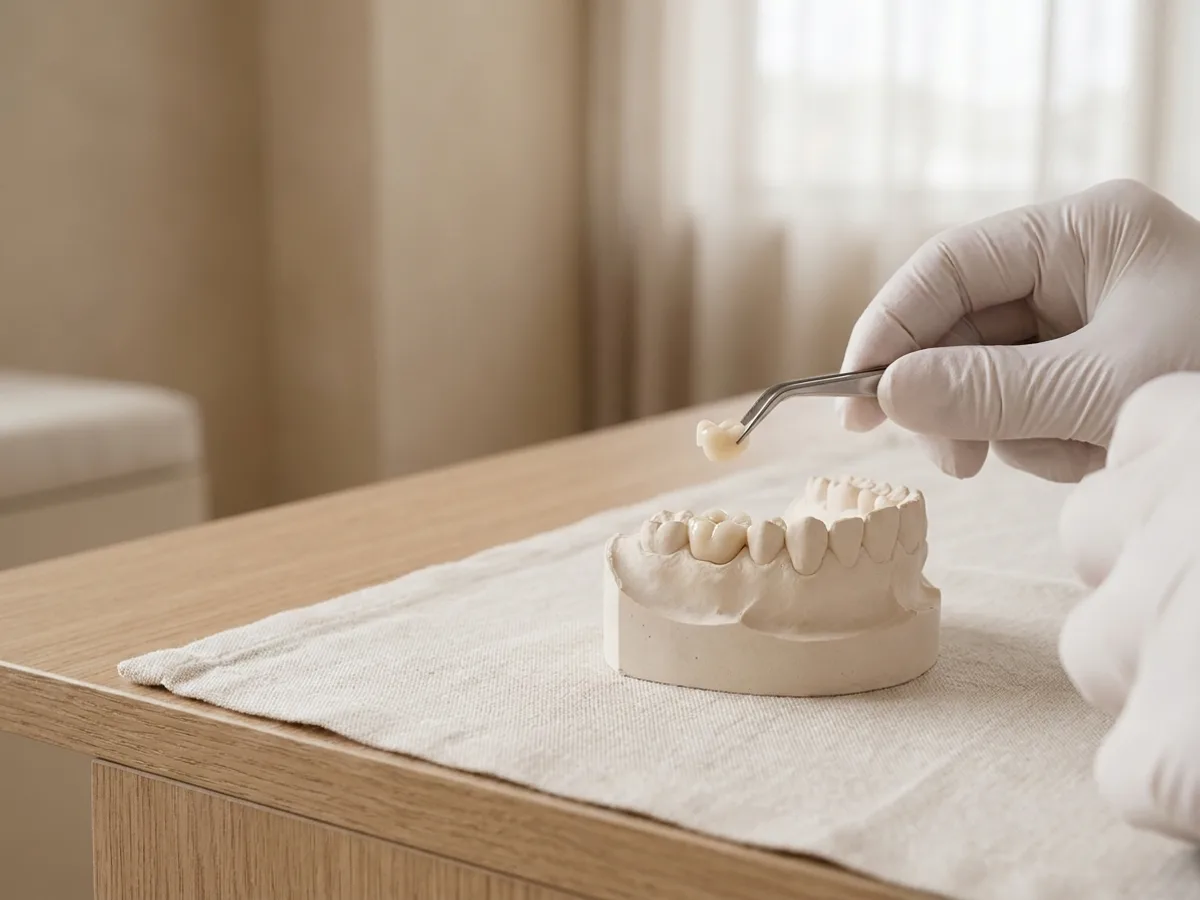
Preserve what is healthy
We consider conservative options and the reasons behind damage before recommending how to repair a tooth.
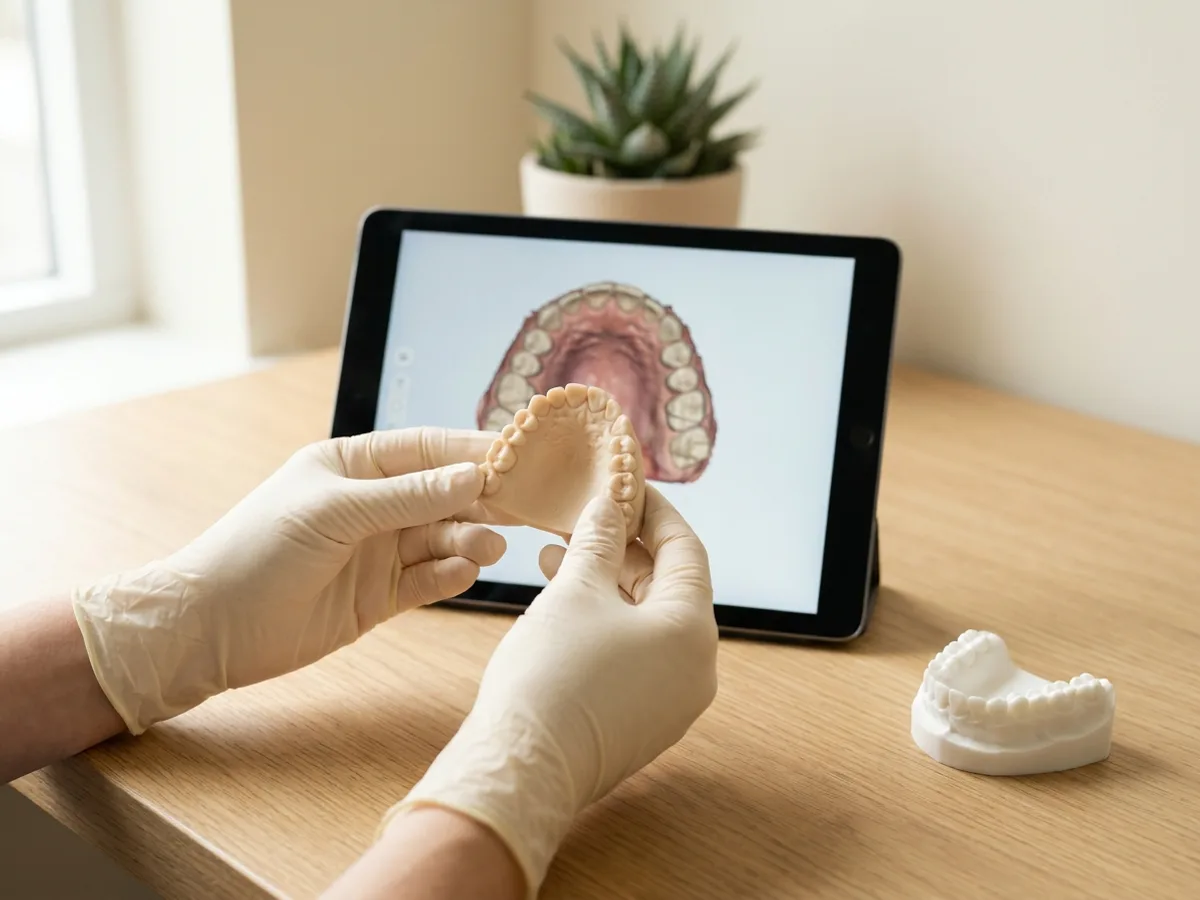
Joint stability first
Dr. Li assesses joint stability and jaw movement before broader restorative, cosmetic, or Invisalign planning. Joint concerns that need care guide what comes first.
Start with your concerns
We explain the immediate priority, the wider picture, and the options that fit your goals.
Nova Dental Studio Proudly Holds Active Memberships





Visit us
We're waiting for you in Irvine
Find our office on the third floor right next to the elevators!
113 Waterworks Way Ste. 335
Irvine, CA 92618
- Mon–Fri
- 9:00AM – 5:00PM
- Sat–Sun
- Closed