Service
Nova Smile Makeover in Irvine, CA
A smile makeover brings your goals and oral function into one plan. Dr. Li assesses joint stability and movement before sequencing elective cosmetic changes.
What You Need to Know
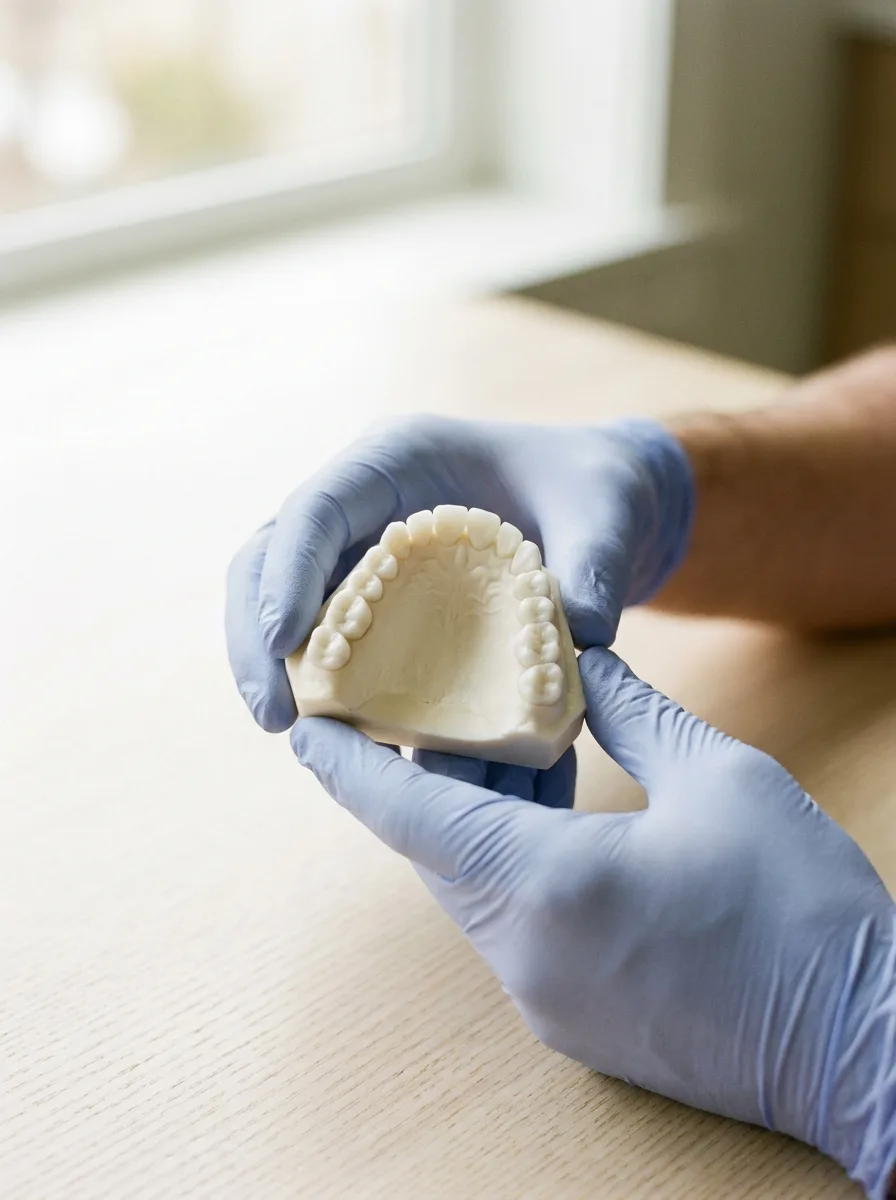
A smile makeover combines selected cosmetic treatments to address the changes you want in your smile. It may include whitening, bonding, veneers, aligners, or restorative work. The plan should start with healthy teeth and gums and preserve suitable tooth structure rather than assume everyone needs a complete cosmetic rebuild.
Your priorities can be ranked before any procedure is selected. You might want to improve one dark tooth, preserve a familiar feature, or make a small change to visible edges. The dentist can then explain which goals overlap and which need separate care. This discussion helps establish the amount of treatment that actually suits your wishes.

Why a Combined Plan May Help
Color, tooth shape, spacing, and gum display can affect each other. Planning them together helps avoid choosing a treatment that solves one concern while creating another. For example, whitening and alignment may need to happen before a final restoration is designed and shade-matched.
Different concerns may need different solutions. Whitening can change suitable natural tooth color, orthodontics moves teeth, and bonding or veneers changes selected surfaces. Mixing these procedures without a plan can lead to avoidable replacement work or a shade mismatch. Discussing the sequence helps preserve healthy structure and keeps optional aesthetic changes separate from necessary disease treatment.
- Several appearance concerns that require different kinds of treatment.
- A shade change that affects the match of planned restorations.
- Worn or uneven edges that need functional assessment alongside appearance.
Goals to Discuss
Bring specific concerns such as chipped edges, uneven color, small gaps, or dissatisfaction with existing dental work. Photos can help explain your preferences, but another person’s smile is not a blueprint for your mouth. We discuss what is achievable with your teeth, bite, facial features, and maintenance expectations.
Bring examples of what you like, but also explain what feels wrong in your own smile. Tooth display, uneven edges, spacing, and the visibility of gums can have different causes. Tell the dentist about grinding, sensitivity, or difficulty chewing. A realistic plan considers these functional issues instead of selecting restorations from a photograph alone.
- Identify features you want to retain in your existing smile.
- Rank the most important change before discussing optional procedures.
- Describe biting discomfort before focusing only on photographs.
Timing Your Makeover
A makeover may be completed in stages, especially if orthodontic movement, healing, or replacement of dental work is involved. Active disease is addressed first.
Discuss events and practical constraints early, but allow the clinical sequence to guide timing. Some improvements can be conservative and gradual rather than part of one large procedure.
The plan may begin with prevention, gum care, or repairs before cosmetic work. Orthodontic movement and healing can extend the sequence. Ask which stages are necessary, what can be deferred, and whether temporary changes allow further discussion. Event dates can guide planning, but should not require rushed irreversible treatment or a promised result before tissues are ready.
The Evaluation Process
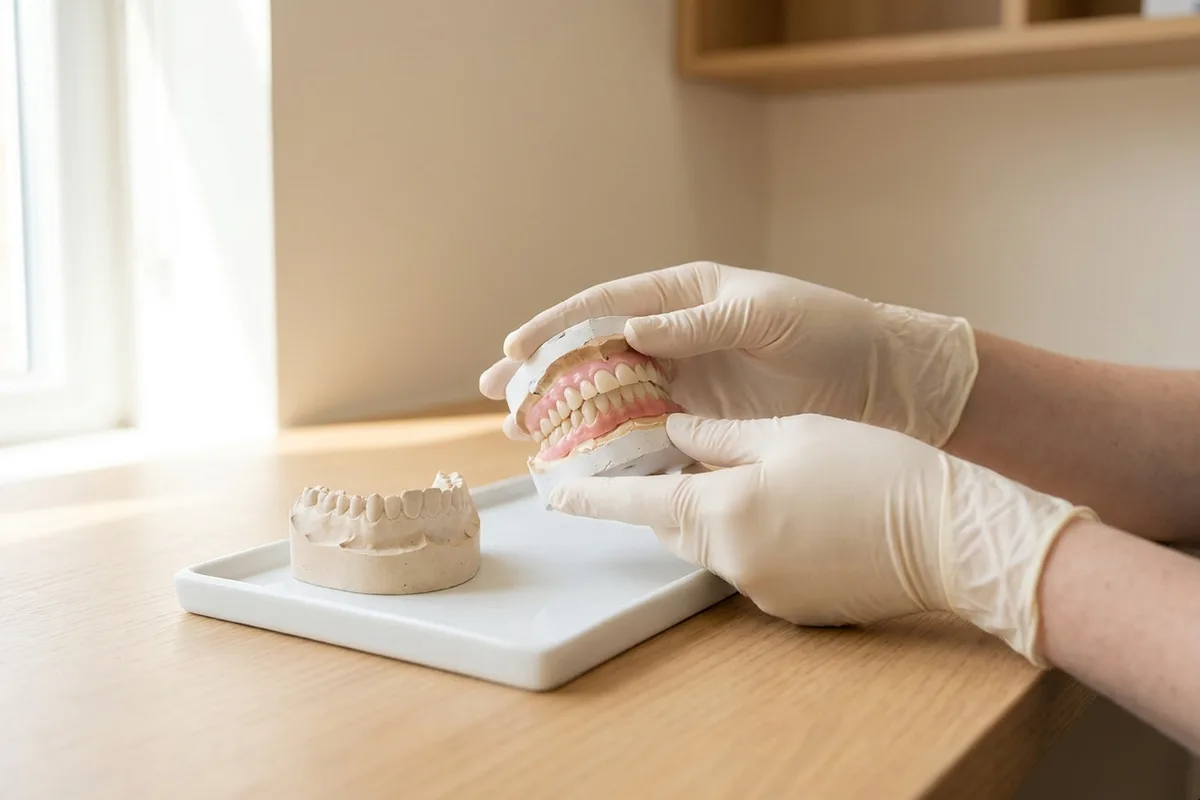
We assess the teeth, gums, bite, existing restorations, and the relationship of your smile to your face. Photographs, scans, and smile design can support discussion. A trial smile may help preview proposed shapes, but it does not guarantee the exact final appearance or eliminate the need for clinical judgment.
Assessment can include photographs, scans, shade records, and bite checks, with other imaging when clinically indicated. The dentist considers facial proportions alongside individual teeth. A visual preview helps you discuss preferences, but it cannot guarantee the final appearance. Ask how the proposal preserves healthy enamel and how any existing crowns or fillings affect the design.
Before combining cosmetic treatments, Dr. Li assesses joint stability, position, muscle function, and movement. Joint concerns that need attention come first in the sequence, before elective changes to the teeth or bite.
- Check whether gum treatment needs to precede cosmetic records.
- Compare one conservative change with a broader combined plan.
- Review how proposed tooth edges may affect speech and contact.

Treatment Options and Tradeoffs
Whitening changes suitable natural tooth color; bonding and veneers can change shape; aligners move teeth; and restorations repair damaged areas. These choices differ in tooth preparation, reversibility, cost, and future maintenance. We compare combinations and explain the most conservative options that could meet your goals.
Compare a conservative single change with a broader combination of procedures. Options differ in permanence, repairability, cost, and maintenance. For example, direct bonding may be repairable but can stain or chip, while veneers can require irreversible preparation. You should understand each proposed procedure and its alternatives before agreeing to the combined plan.
Caring for Your New Smile
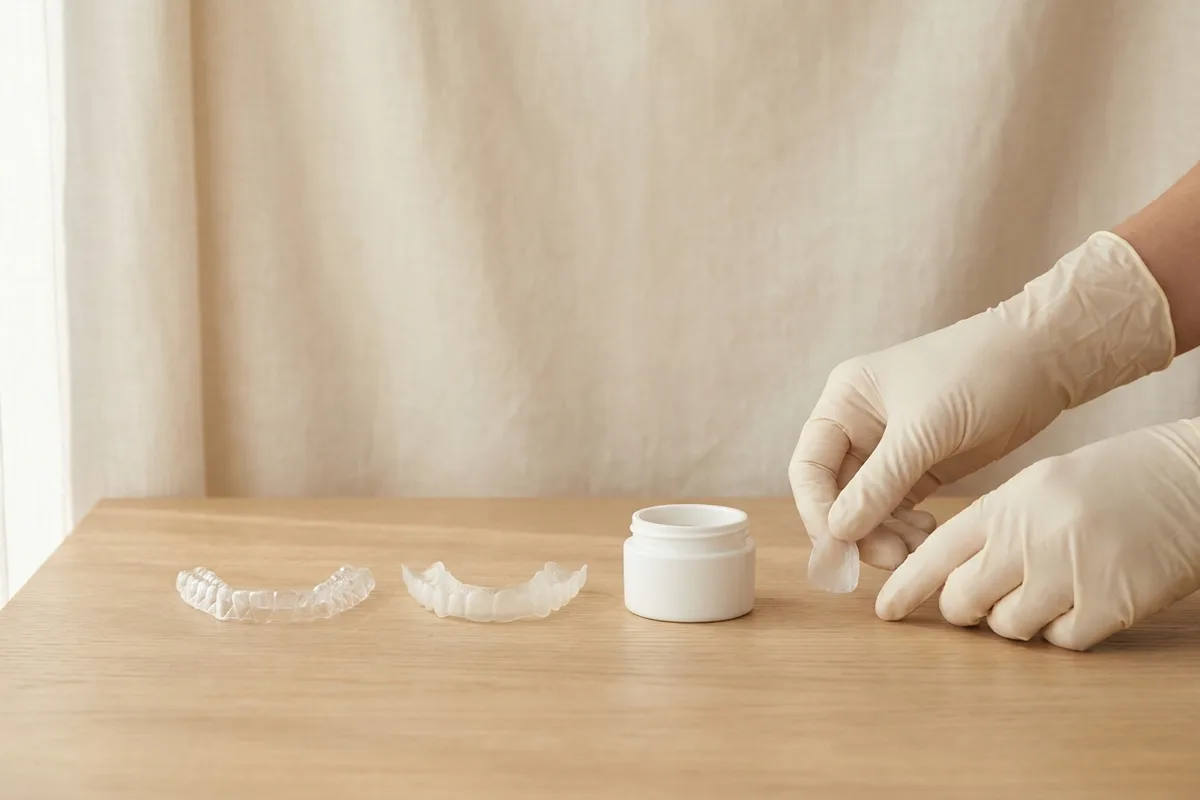
Follow the instructions for each treatment and keep regular examinations and cleanings. Retainers or protective appliances may be recommended when appropriate.
Cosmetic dental work can stain, wear, or need repair over time. Report persistent sensitivity, a high bite, or a loose restoration instead of waiting for the next routine visit.
Maintenance follows the actual treatments selected. Restorations still need daily cleaning, and natural teeth can still develop decay. Whitening touch-ups, retainer wear, restoration repairs, or protective appliances may be relevant for different patients. Keep regular reviews and report changes early. A makeover is not a substitute for ongoing prevention or a guarantee that no future dental work will be needed.
- Keep maintenance advice matched to the procedures actually completed.
- Bring the prescribed retainer or protective appliance to review.
- Report a restoration edge that becomes difficult to clean.
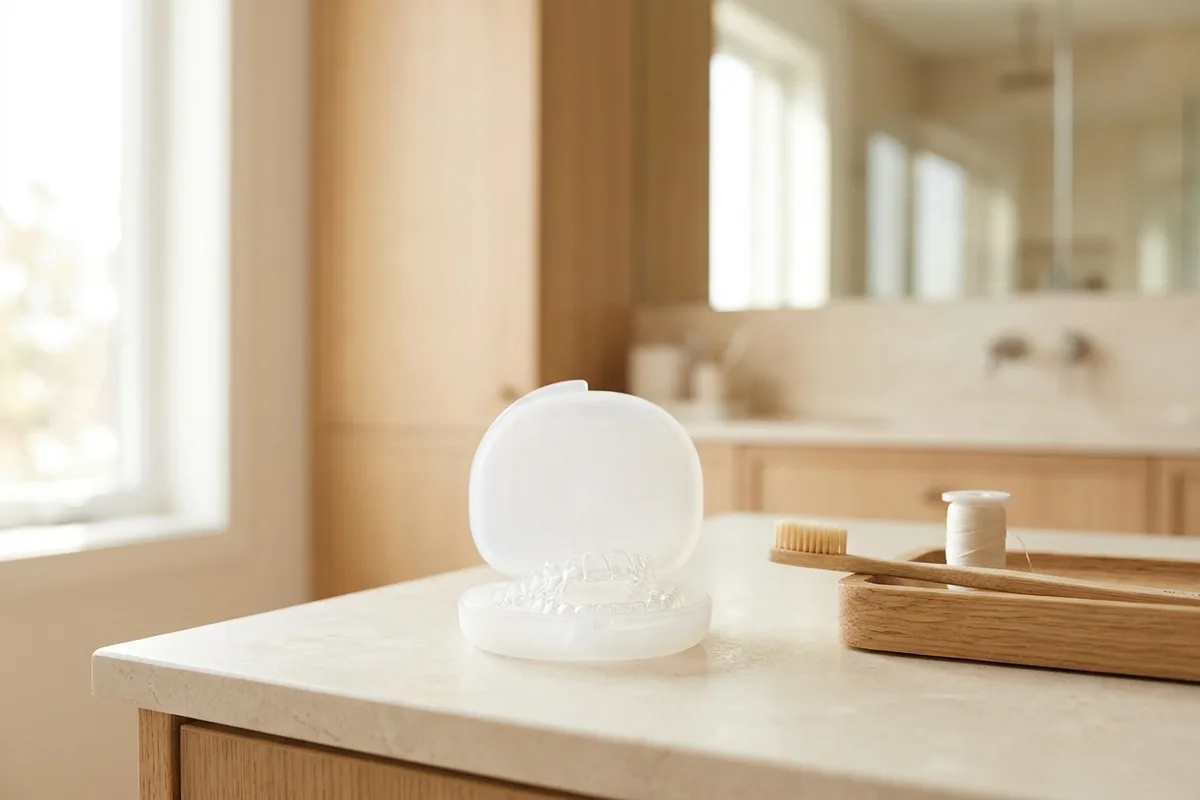
Your Smile Makeover Stages
A combined plan can include separate preventive, orthodontic, restorative, or cosmetic stages. Your findings and preferences determine which stages are appropriate.
- 1
Define the changes you want
You discuss appearance and functional concerns while the dentist checks oral health and identifies which goals may need different treatment approaches.
- 2
Review designs and staged choices
The plan compares conservative options, previews where useful, treatment sequence, and maintenance before you agree to individual procedures.
- 3
Complete and maintain the selected care
The team reviews the result of each stage and the completed smile, then explains the cleaning, retention, or restorative follow-up that applies.
Services
Other treatments we offer

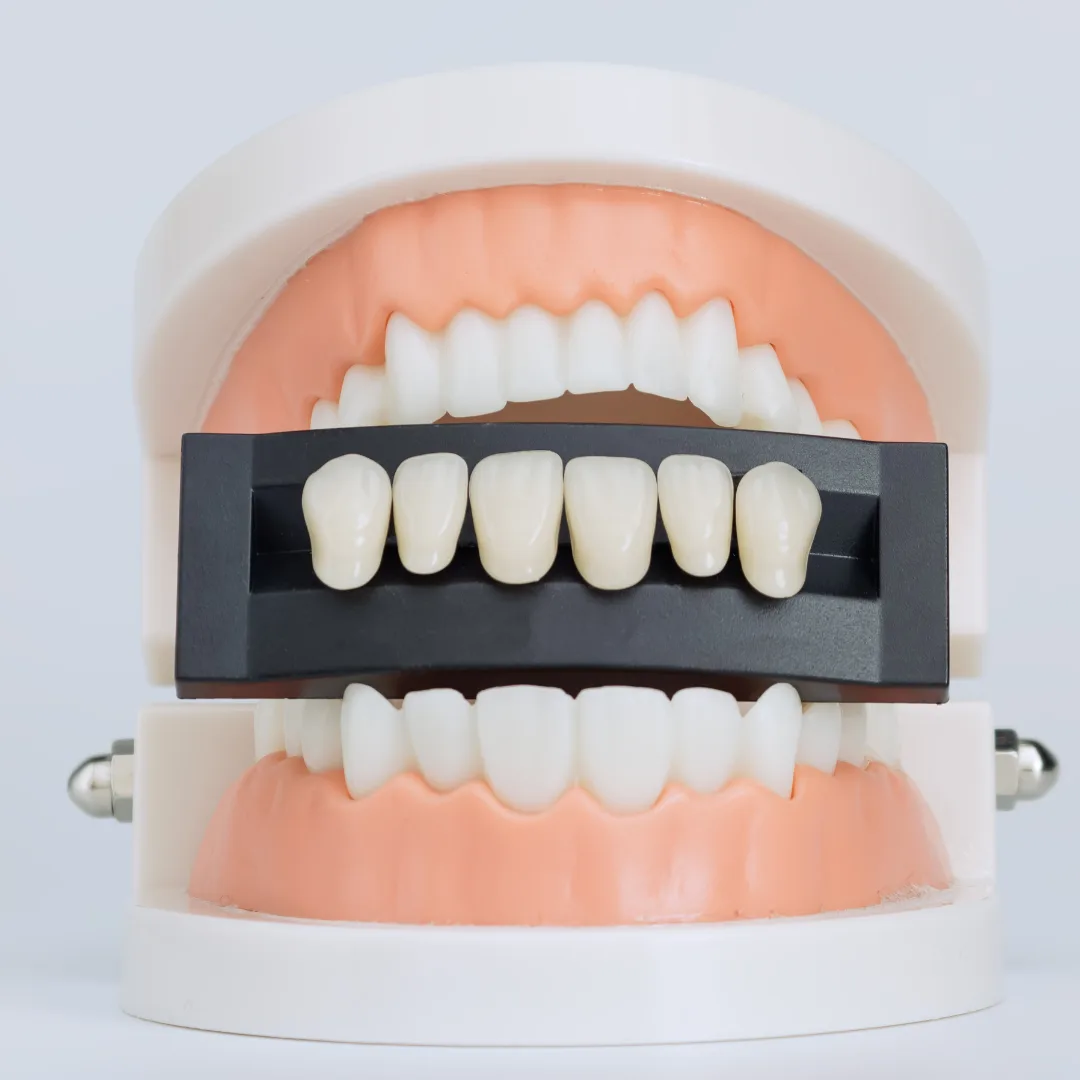
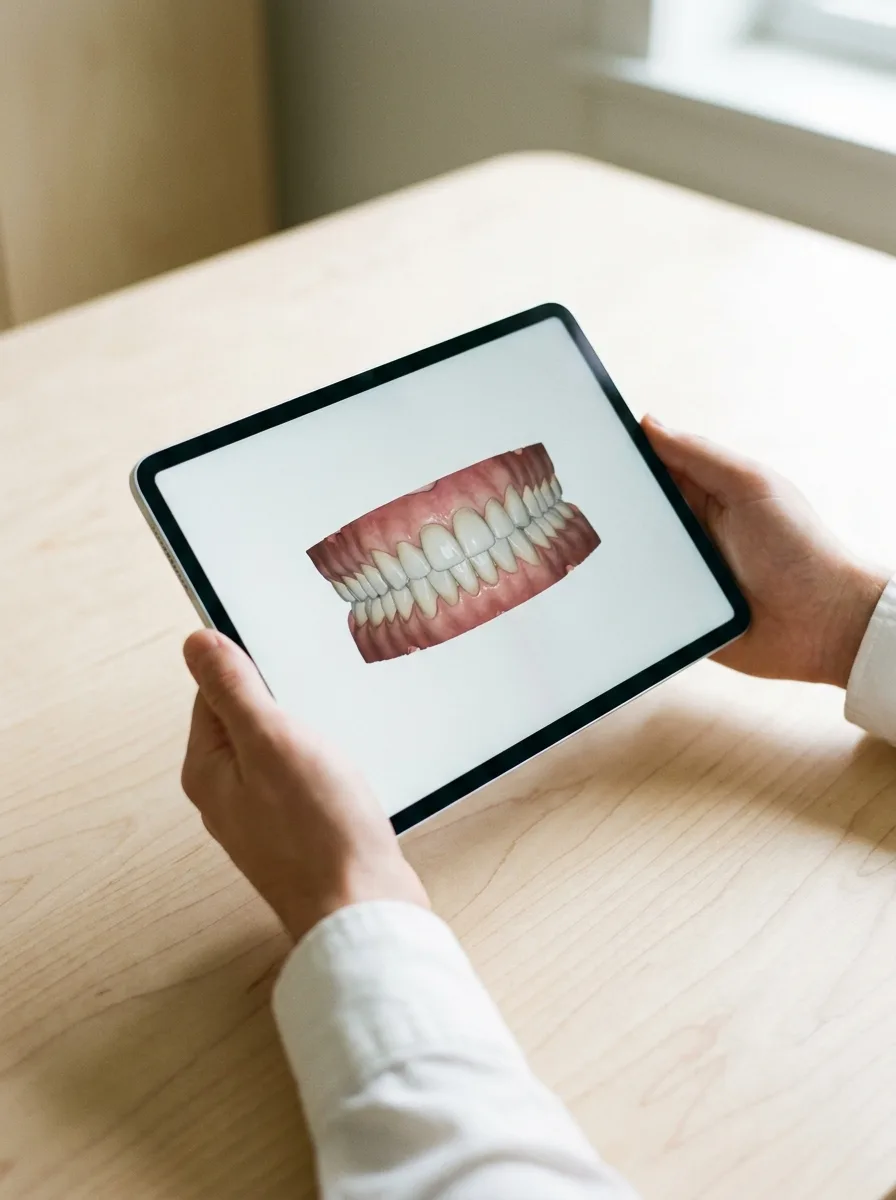
Make your Nova smile a reality.
Join our family of happy, healthy smiles today and experience the Nova Smile difference!
Questions, answered
About us
Why patients choose Nova Dental Studio
At Nova Dental Studio in Irvine, Dr. Nova Li addresses your immediate concern first. Before broader treatment planning, she assesses joint stability, muscle function, and jaw movement to decide the sequence of care.
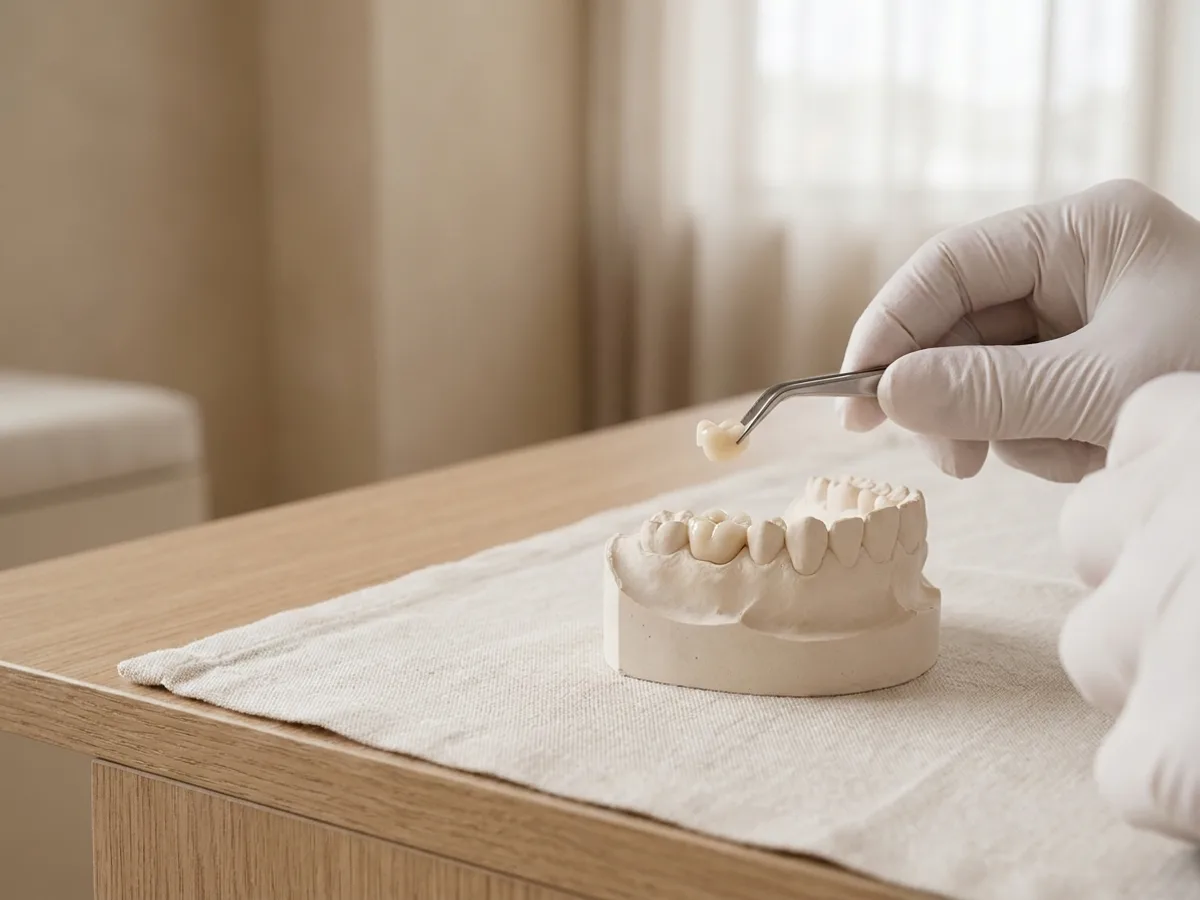
Preserve what is healthy
We consider conservative options and the reasons behind damage before recommending how to repair a tooth.
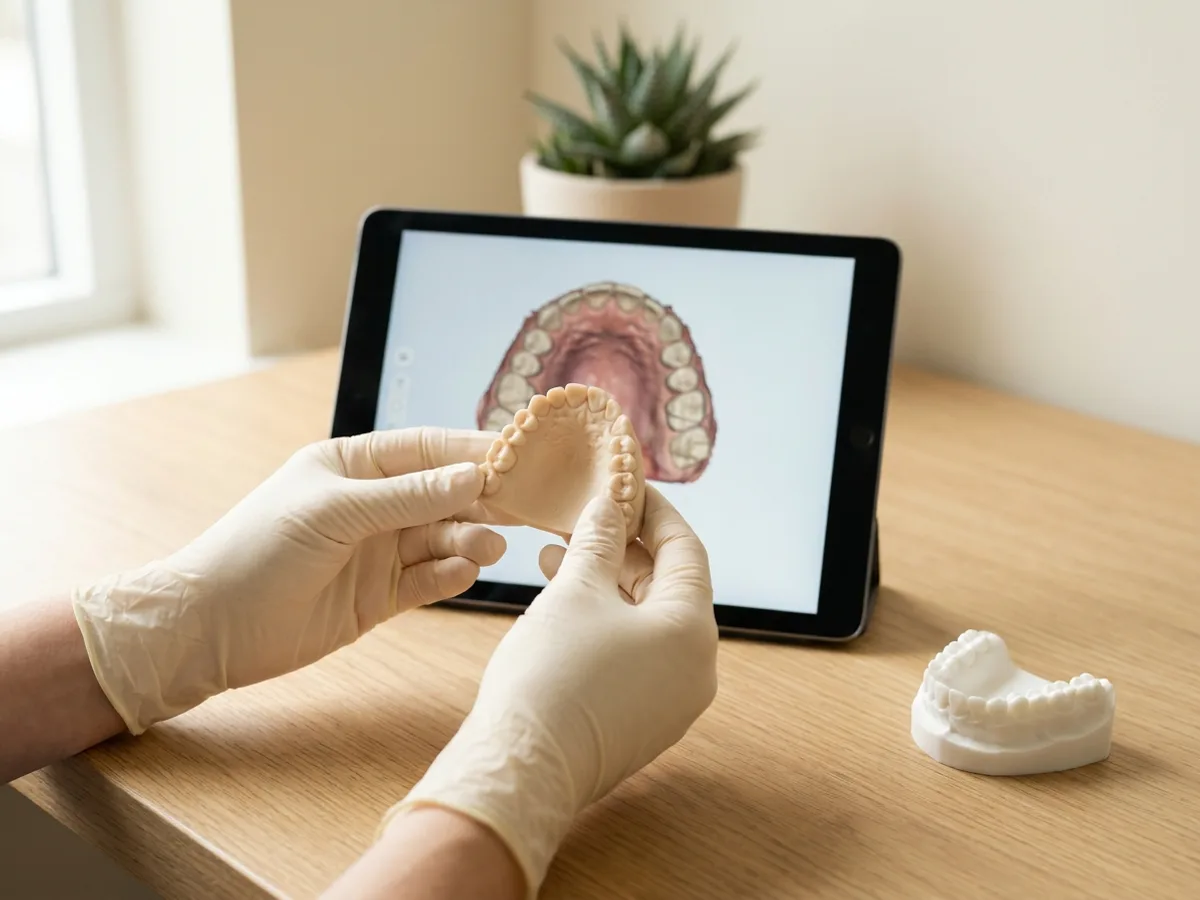
Joint stability first
Dr. Li assesses joint stability and jaw movement before broader restorative, cosmetic, or Invisalign planning. Joint concerns that need care guide what comes first.
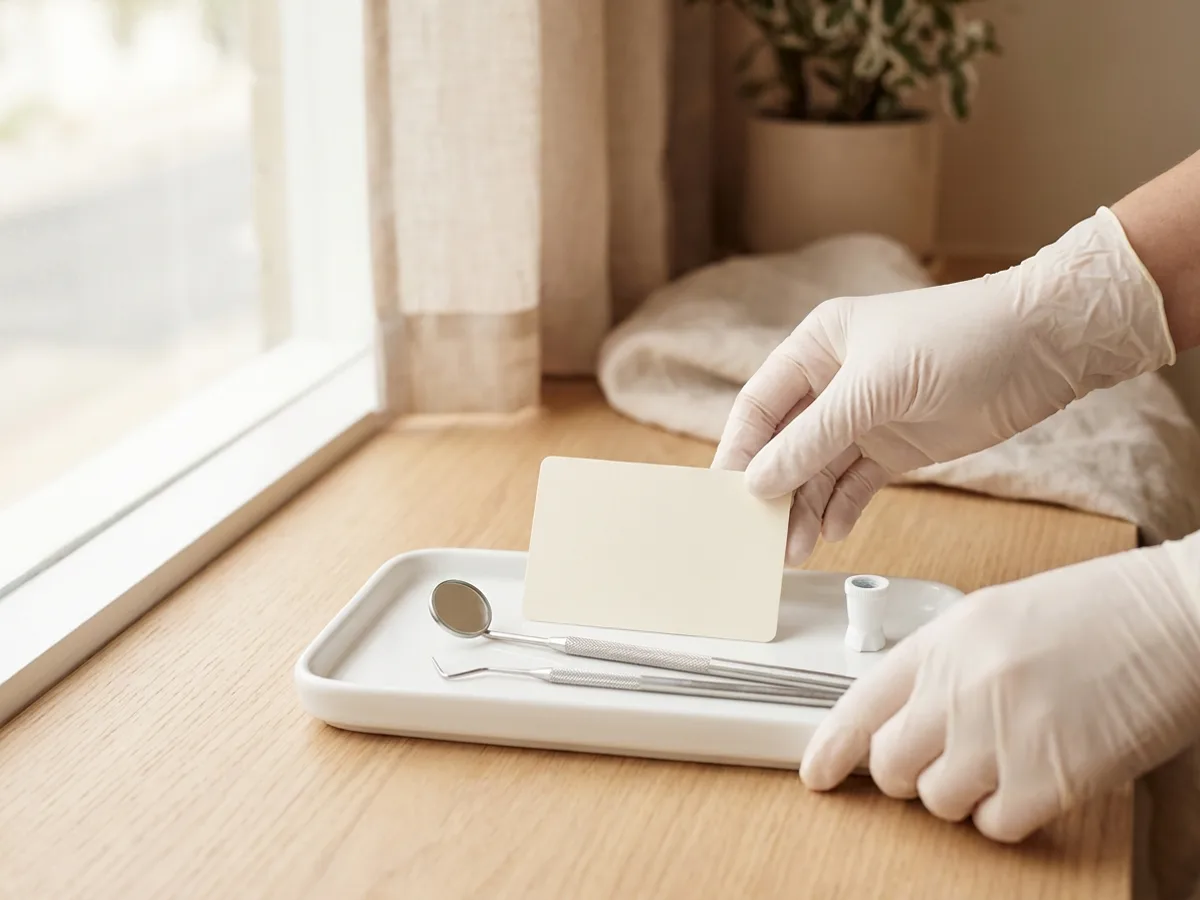
Start with your concerns
We explain the immediate priority, the wider picture, and the options that fit your goals.
Nova Dental Studio Proudly Holds Active Memberships



Visit us
We're waiting for you in Irvine
Find our office on the third floor right next to the elevators!
113 Waterworks Way Ste. 335
Irvine, CA 92618
- Mon–Fri
- 9:00AM – 5:00PM
- Sat–Sun
- Closed