
Service
Examinations in Irvine, CA
A review of your concerns, teeth, gums, bite, and jaw movement to understand what needs attention and why.
What You Need to Know
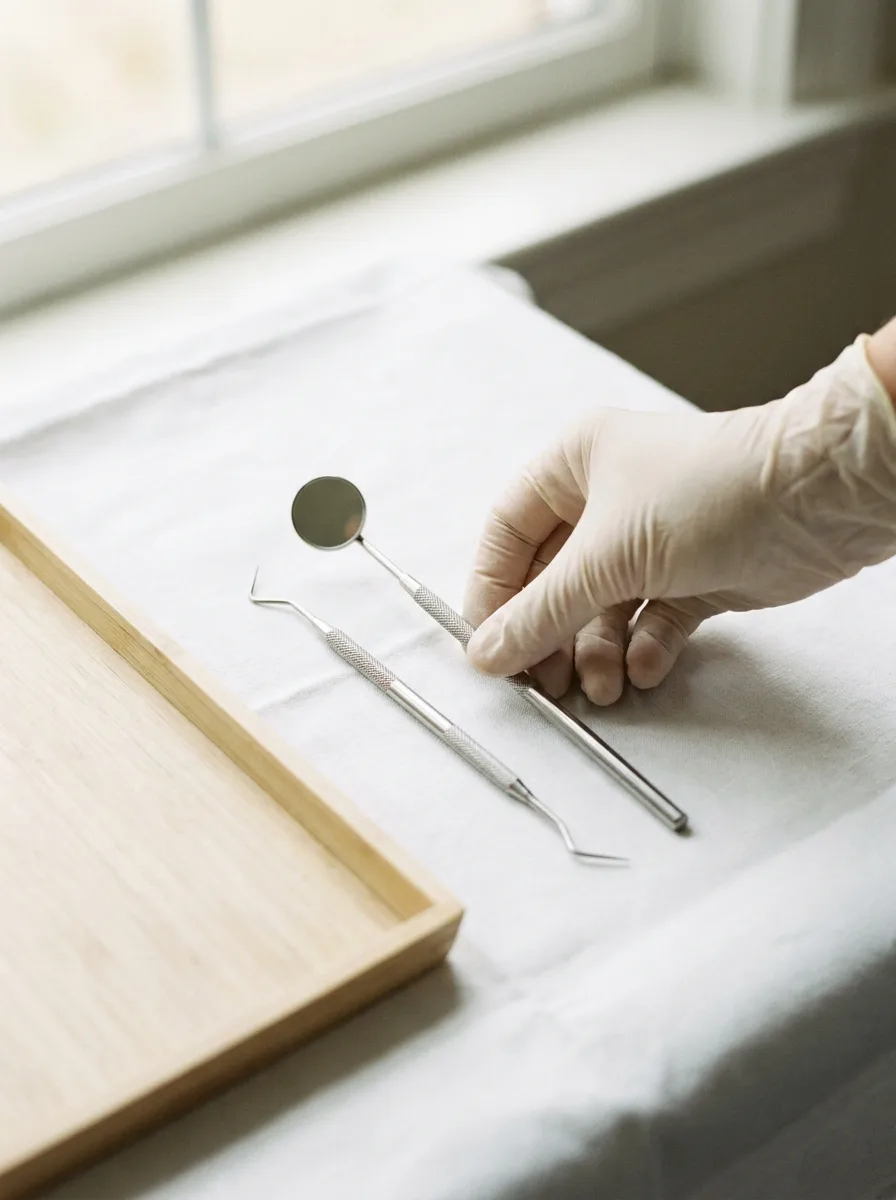
A dental examination assesses the teeth, gums, bite, and soft tissues of the mouth. It helps identify current problems and changes that may need monitoring. At Nova Dental Studio, we also discuss your concerns and priorities so that recommendations connect oral health with what matters to you.
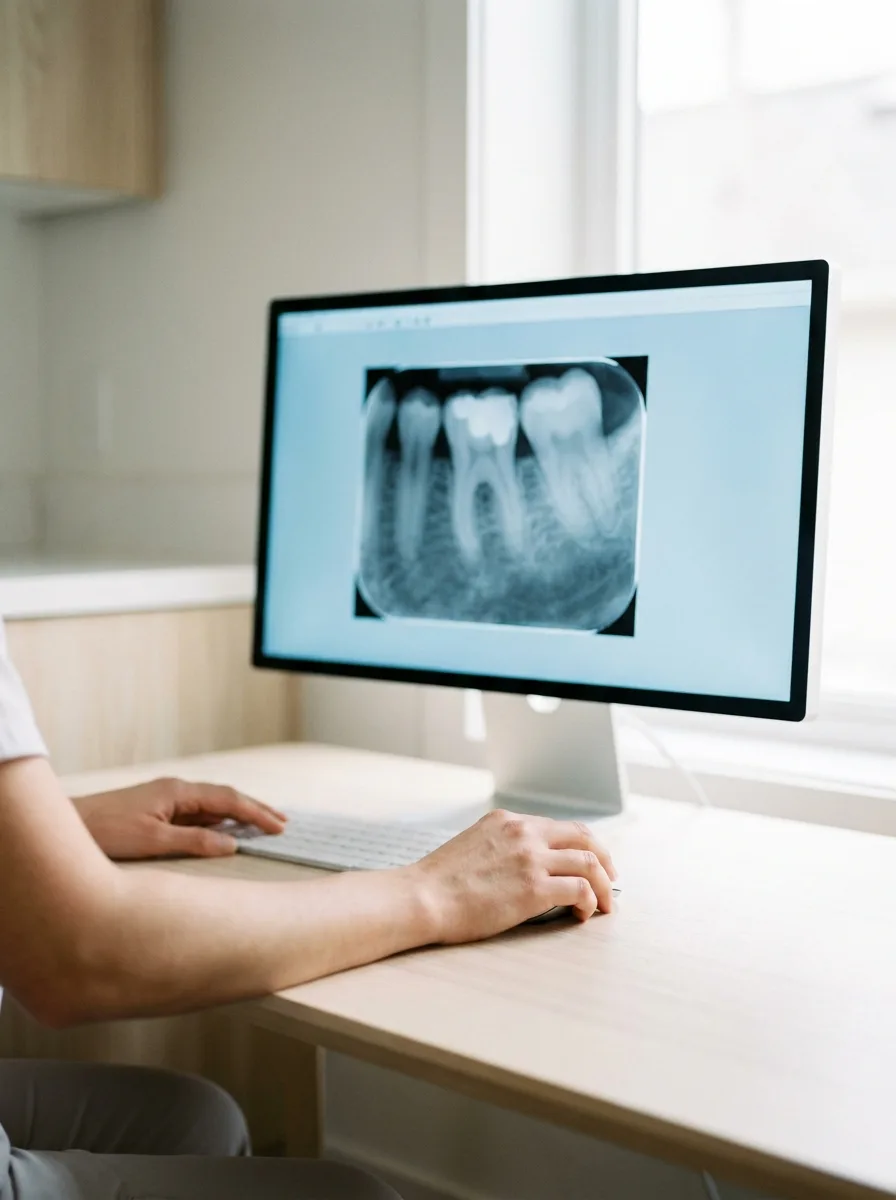
An examination gathers information about the whole mouth, rather than checking only the tooth that hurts. Teeth, restorations, gums, soft tissues, and the way your teeth meet can each contribute to a problem. Symptoms and earlier records provide context. A photograph or an X-ray adds information when a particular finding needs a closer look.

Why Examinations Matter
Decay, gum disease, damaged restorations, and tooth wear can develop before you notice pain. An examination provides a chance to find these issues and consider appropriate next steps. It is also a useful starting point before whitening, aligners, veneers, or other treatment that depends on healthy teeth and gums.
Some changes develop before they cause pain. A weakened filling edge, an early cavity, or progressive gum inflammation may be easier to manage when the dentist understands its extent. Examination does not mean every finding needs immediate treatment. It provides a basis for prevention, monitoring, or care, with a reason for each recommendation.
- A contact that repeatedly traps food after a restoration.
- An old filling edge that feels newly rough or sharp.
- Changes in the way your teeth meet during chewing.
Symptoms to Bring Up
Mention sensitivity, bleeding gums, a broken tooth, jaw discomfort, or a change in how your teeth meet. Tell us about any sore or patch in your mouth that is not healing. Describing when symptoms began and what triggers them can help us decide which areas need closer evaluation.
Describe when a symptom started, whether it comes and goes, and what triggers it. Cold sensitivity, pain on biting, food trapping, or a sore area can have different causes. Mention a mouth ulcer or patch that does not heal. A clear history helps the dentist select useful checks instead of relying on appearance alone.
- Bring previous treatment notes when you transfer between practices.
- Describe whether temperature discomfort stops quickly or lingers afterward.
- Mention a sore patch that repeatedly returns or persists.
When to Book an Examination
Routine recall intervals vary with your dental history and risk factors. A new symptom should not wait for the next scheduled checkup. If you are a new patient or have not attended recently, bring previous records when available and allow time to discuss your health history and goals.
Regular review intervals depend on your oral health and risk. A new problem can justify a separate visit between routine examinations. If you have recent records from another dentist, ask about transferring them. Previous radiographs and treatment notes can help the team understand existing work and avoid repeating useful information without a clinical reason.
The Evaluation Process
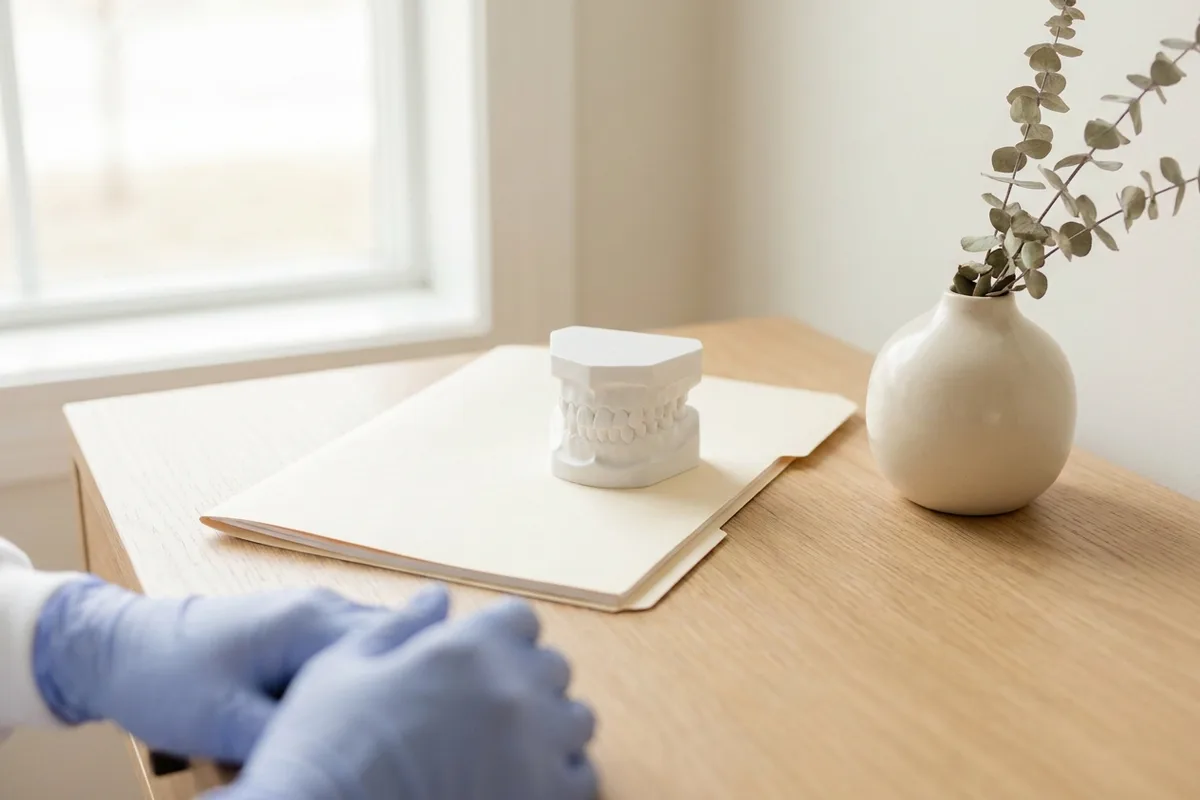
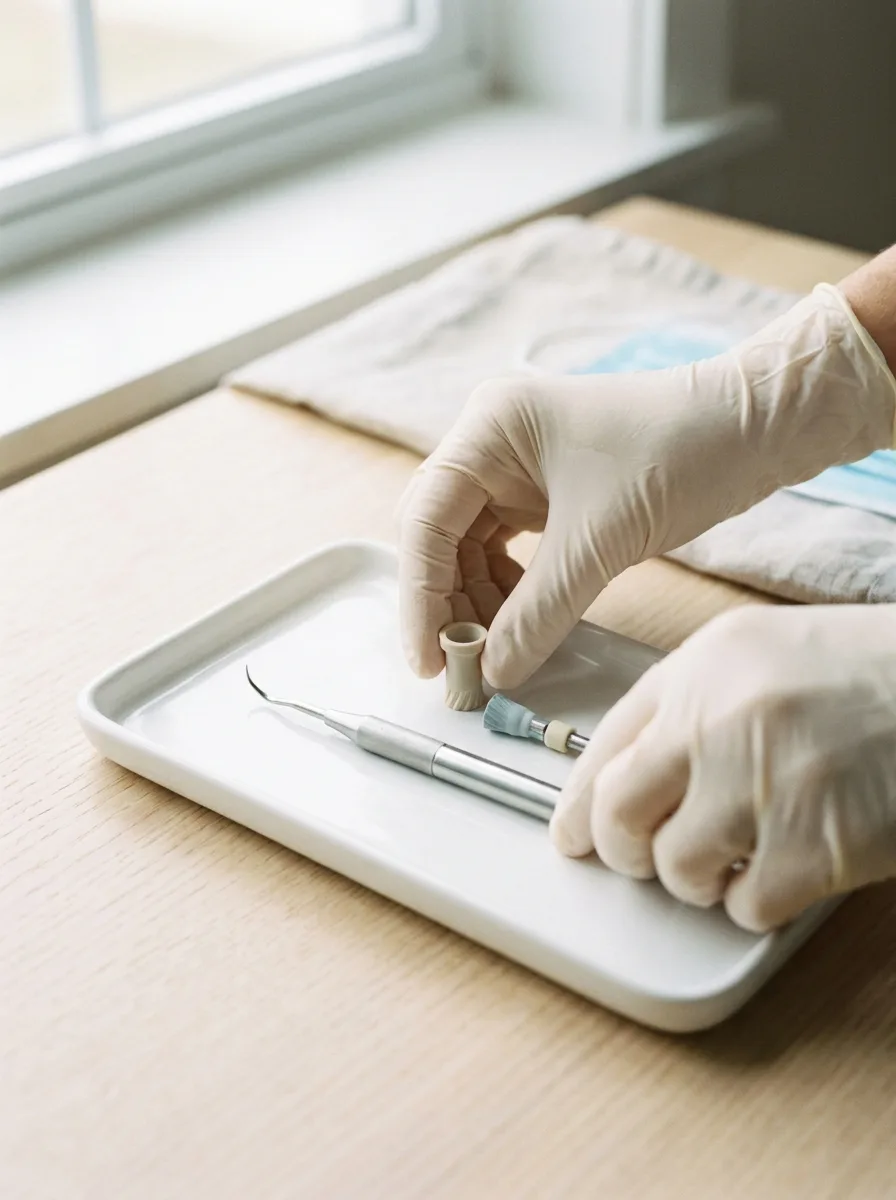
We review medications, medical conditions, and past dental treatment before examining your mouth. The assessment may include gum measurements, checking existing restorations, evaluating the bite, and examining oral tissues. Imaging is selected when clinically useful; an examination does not mean every patient needs the same X-rays at every visit.
The dentist may check individual teeth for tenderness, assess restoration margins, and measure gum support. Soft-tissue examination includes areas beyond the visible front teeth. Imaging is selected to answer questions that examination alone cannot resolve. If a finding remains uncertain, further observation, additional assessment, or referral may be more appropriate than an immediate definitive procedure.
Dr. Li considers the teeth, joints, muscles, and jaw movement together. MODJAW motion tracking may add information when a particular planning question calls for it.
- Check supporting gum tissues around heavily restored back teeth.
- Compare suspicious areas with earlier photographs or radiographic records.
- Separate the cause of pain from incidental cosmetic findings.
Understanding Your Options
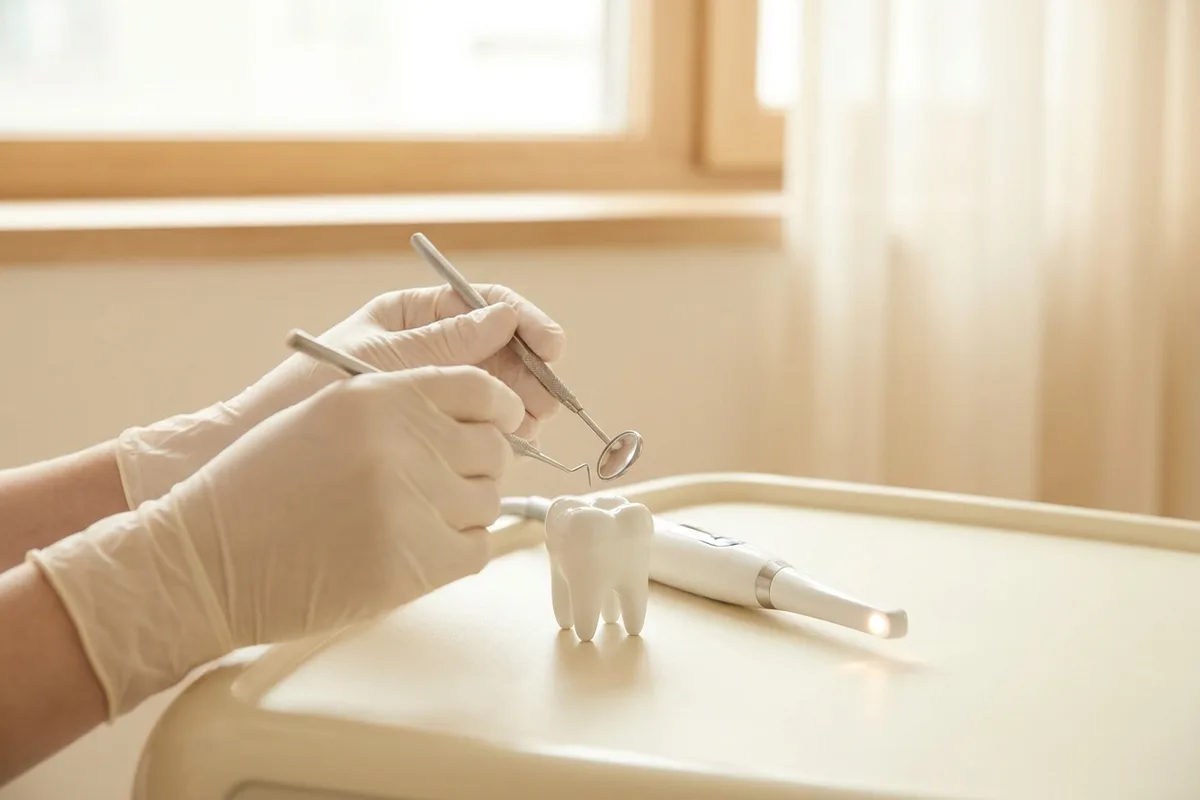
After the examination, we explain what needs treatment, what can be monitored, and which choices are elective. You can discuss alternatives, likely appointment stages, and maintenance needs before deciding. If a concern needs additional testing or specialist input, that becomes part of the plan rather than an assumed diagnosis.
Ask which findings need treatment soon, which can be monitored, and what may happen without treatment. Different options can preserve different amounts of tooth structure and involve different maintenance needs. Your plan should separate disease management from optional changes in appearance. You can discuss costs and sequence before you choose how to proceed.
After Your Examination
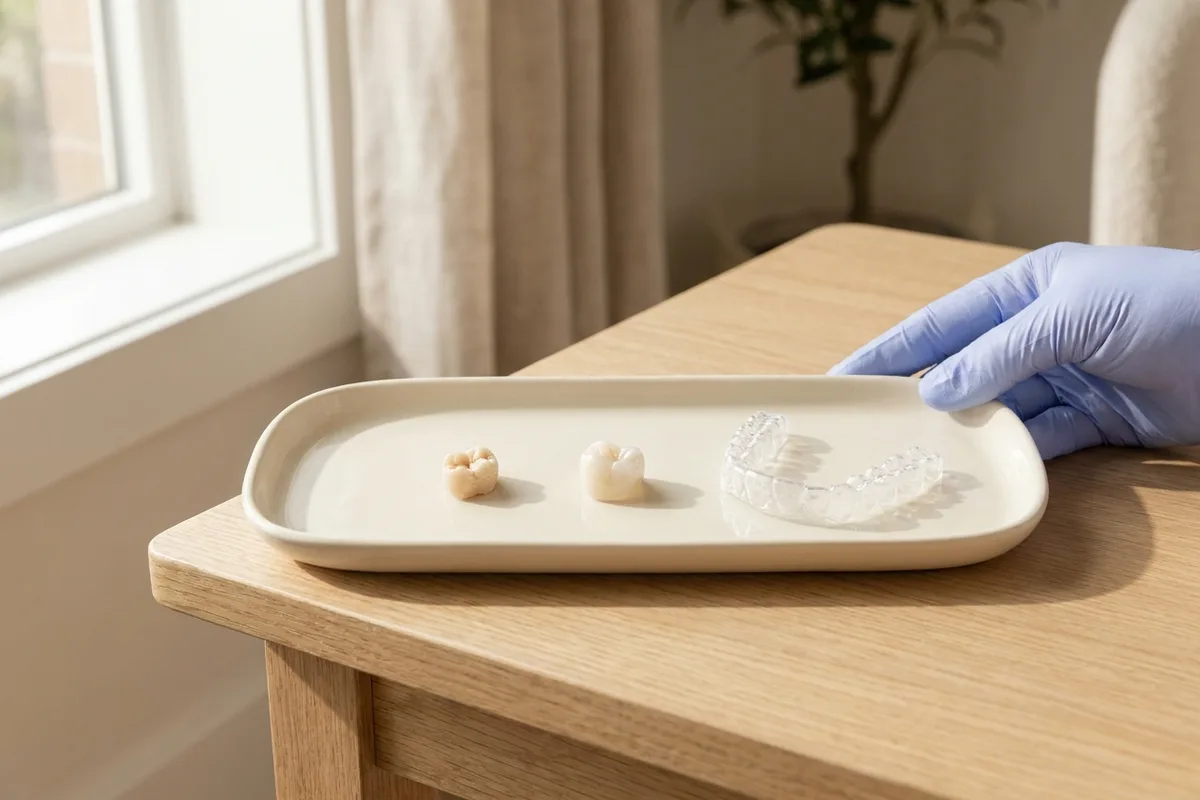
You should leave with a clearer understanding of your oral health and next steps. Keep recommended follow-up appointments and contact us if symptoms change.
Daily brushing and cleaning between teeth remain important even when no treatment is needed. Your future recall schedule can change as your health and risk change.
Keep the review recommendations and let the office know if a monitored area changes. Improved brushing, interdental cleaning, or fluoride use may form part of the plan even when no procedure is needed. A follow-up visit lets the dentist compare findings over time and check whether the preventive approach remains suitable for you.
- Keep a note of symptoms in any monitored tooth.
- Ask which findings need prompt care and which need review.
- Contact the office if a previously stable symptom changes.

Your Dental Examination
The examination establishes findings and priorities. Additional tests or a separate discussion may be appropriate before a treatment decision.
- 1
Describe changes and concerns
You discuss symptoms, medical updates, existing dental work, and the goals you want the dentist to consider during the examination.
- 2
Examine teeth and tissues
The dentist checks the mouth and selects further tests or imaging when they answer a specific clinical question.
- 3
Review findings and priorities
You discuss prevention, monitoring, treatment, or referral. The plan identifies which concerns need attention and when they should be reviewed.
Services
Other treatments we offer
Make your Nova smile a reality.
Join our family of happy, healthy smiles today and experience the Nova Smile difference!
Questions, answered
About us
Why patients choose Nova Dental Studio
At Nova Dental Studio in Irvine, Dr. Nova Li addresses your immediate concern first. Before broader treatment planning, she assesses joint stability, muscle function, and jaw movement to decide the sequence of care.
Preserve what is healthy
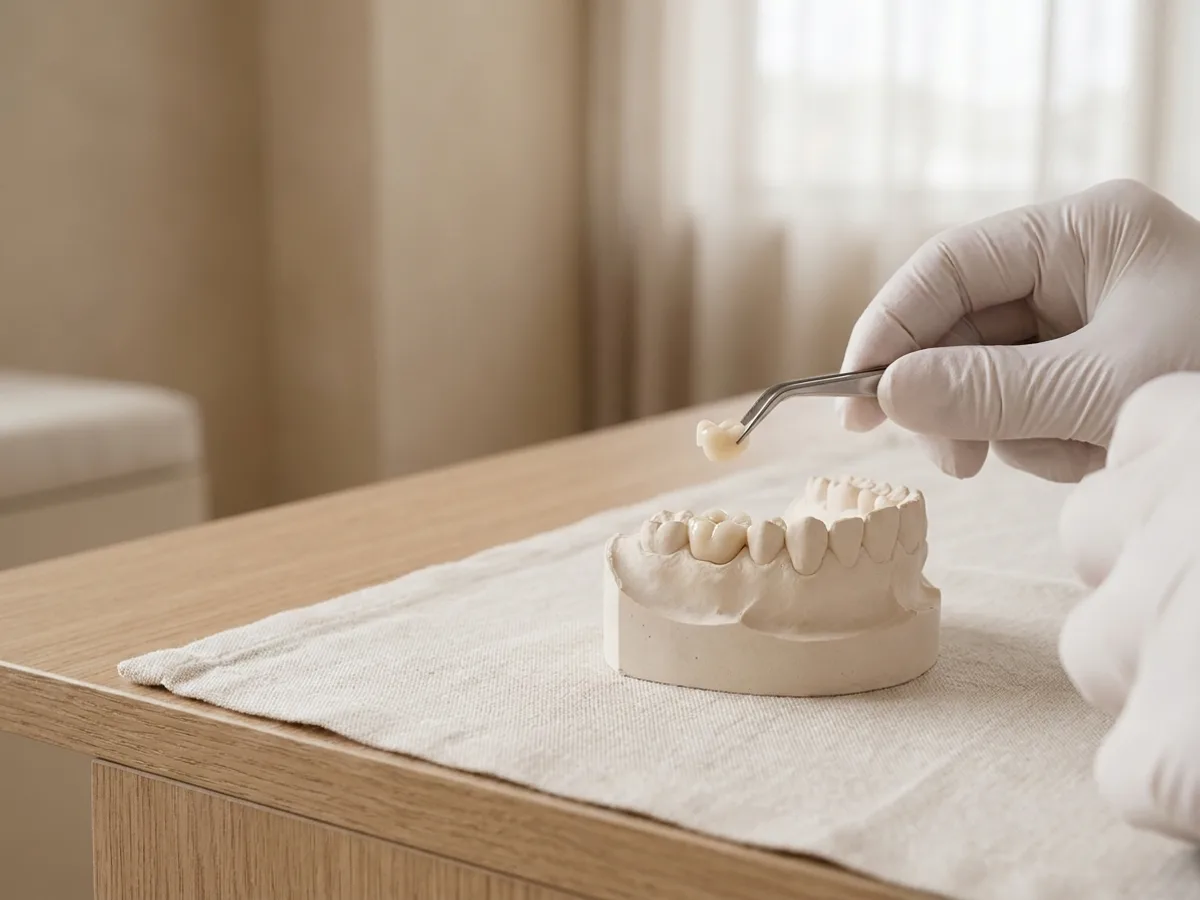
We consider conservative options and the reasons behind damage before recommending how to repair a tooth.
Joint stability first
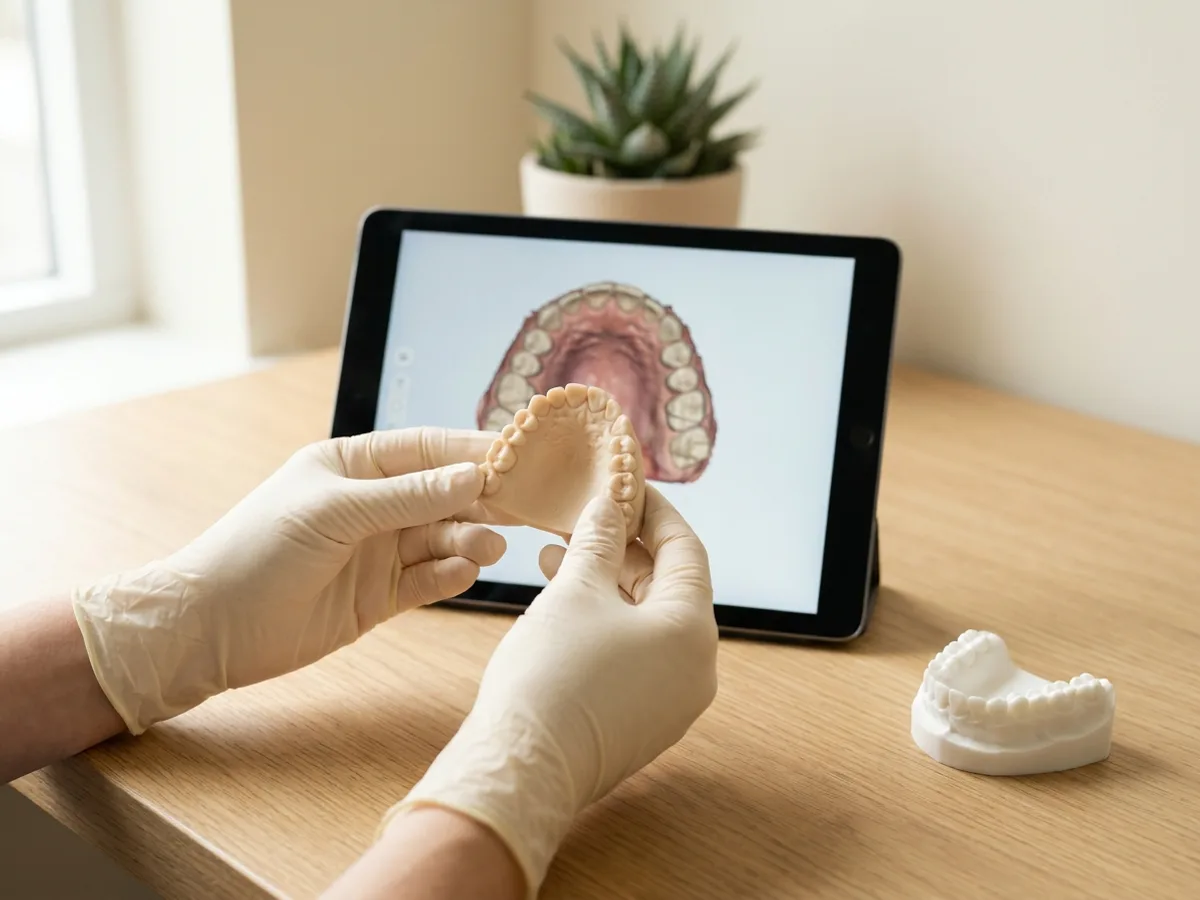
Dr. Li assesses joint stability and jaw movement before broader restorative, cosmetic, or Invisalign planning. Joint concerns that need care guide what comes first.
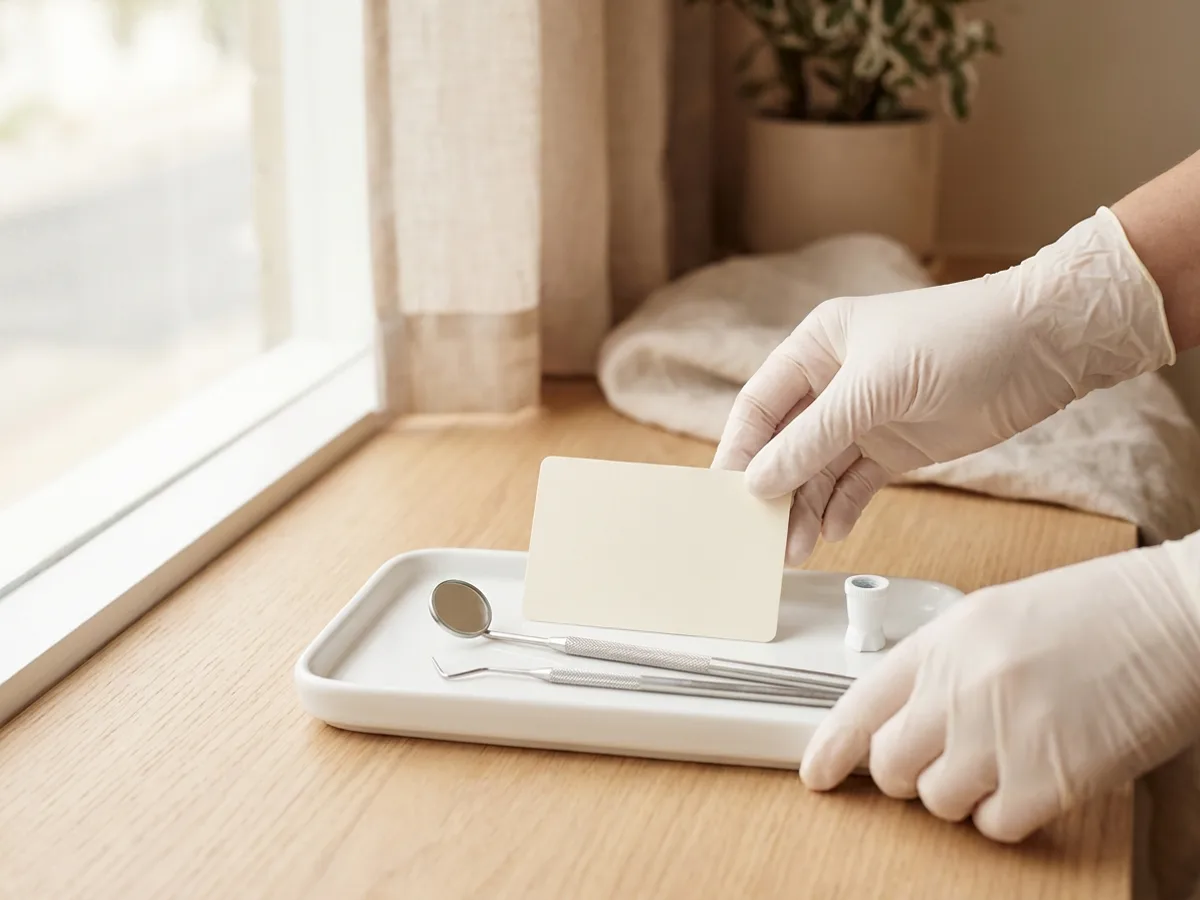
Start with your concerns
We explain the immediate priority, the wider picture, and the options that fit your goals.
Nova Dental Studio Proudly Holds Active Memberships







Visit us
We're waiting for you in Irvine
Find our office on the third floor right next to the elevators!
113 Waterworks Way Ste. 335
Irvine, CA 92618
- Mon–Fri
- 9:00AM – 5:00PM
- Sat–Sun
- Closed