
Service
Invisalign in Irvine, CA
Before planning tooth movement with Invisalign, Dr. Li assesses jaw-joint stability, position, and movement. Those findings guide what needs attention before aligner care.
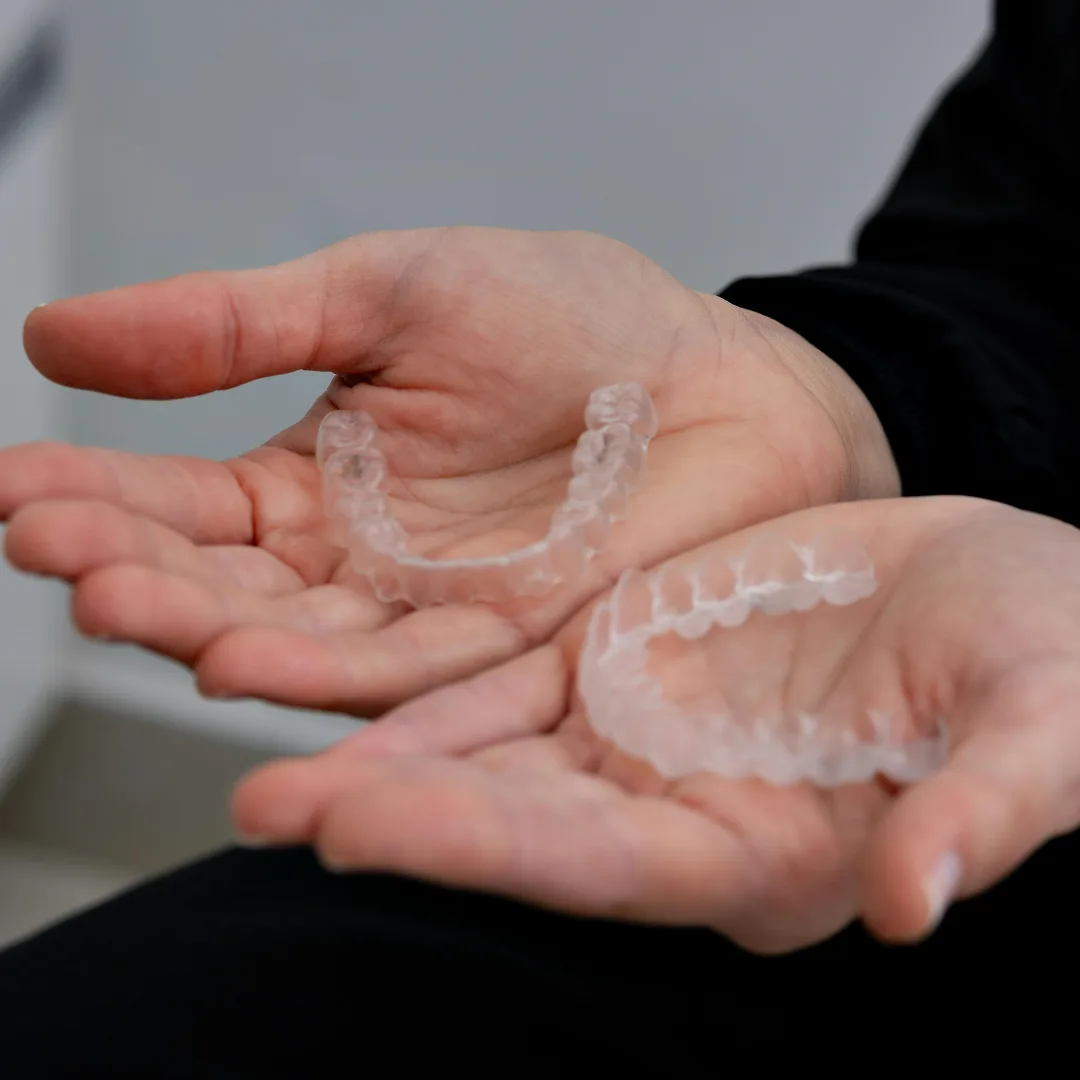
What You Need to Know
Invisalign uses a series of custom clear aligners to move teeth gradually. The trays are removable for eating and oral hygiene but need consistent wear to work as planned. Digital scans help create a treatment plan; results depend on your clinical needs, response, and following the wear instructions.
Tooth movement depends on the response of the tissues around the roots, not just the fit of a plastic tray. The planned changes must account for available support and the way the upper and lower teeth meet. This is why records and progress reviews matter, even when the visible change appears to involve only a small gap.
Why Alignment May Be Considered
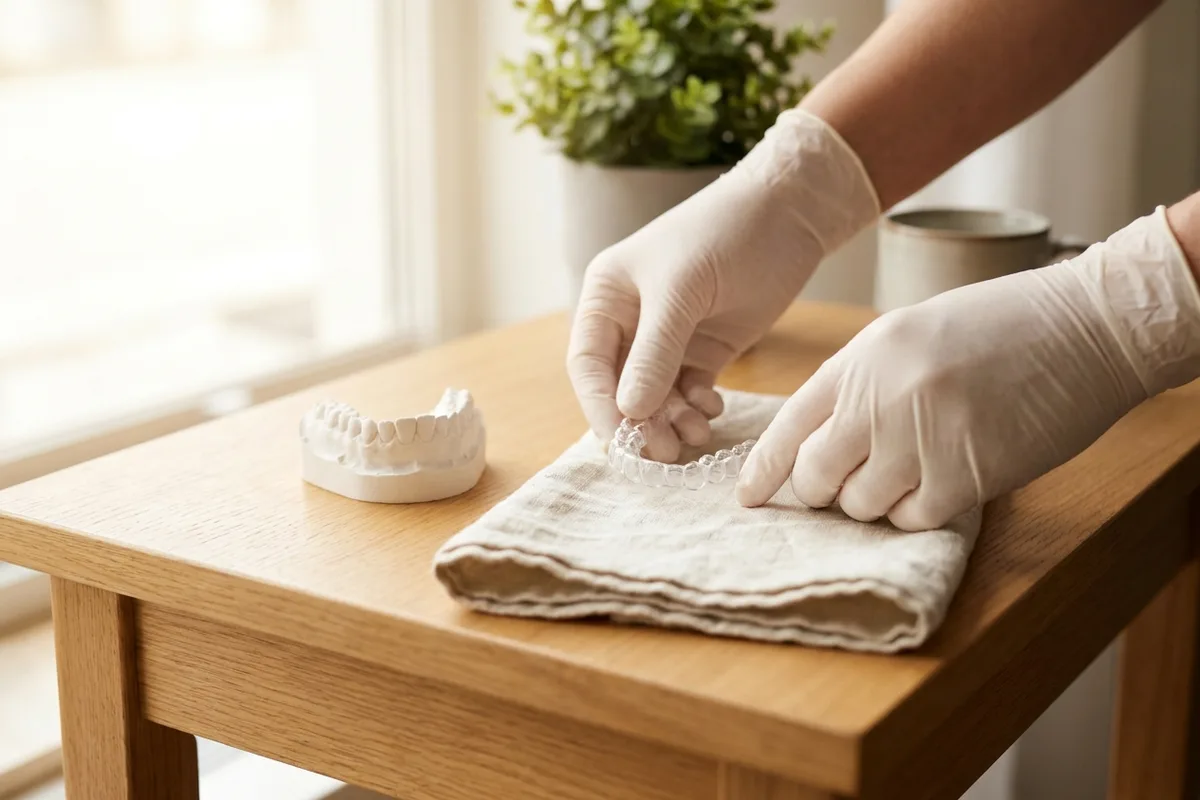
Crowding, gaps, and certain bite relationships may be suitable for aligner treatment. Moving teeth can also form part of planning before restorative work. Invisalign is not the best option for every movement or bite problem, so an examination is needed to compare aligners, braces, or specialist care.
Crowding, gaps, and selected bite problems can make cleaning or appearance a concern. Alignment may help some of these issues, but does not repair decay or replace a missing tooth. Some movements are more complex than others. The dentist explains whether aligners, fixed braces, another approach, or specialist assessment best fits the problem you want to address.
- Crowded contacts that complicate access for daily interdental cleaning.
- Spaces that have changed after earlier orthodontic treatment.
- Selected bite concerns that need assessment beyond front-tooth appearance.
Who May Be a Candidate
Candidates need healthy supporting tissues and the ability to follow the wear and cleaning routine. Let us know about gum disease, previous orthodontics, jaw symptoms, or restorations.
Some cases require attachments, additional techniques, or a different approach. Age alone does not determine whether aligners are suitable.
Healthy gums and adequate tooth support matter before movement begins. The team also considers existing crowns, implants, impacted teeth, and any earlier orthodontic treatment. Implants do not move like natural teeth. Tell the dentist about loose teeth or gum disease, and explain whether you can follow the daily wear and cleaning requirements consistently.
- Explain any history of gum disease or loose teeth.
- Identify implants or other restorations that affect movement planning.
- Discuss whether meals and work allow the prescribed wear routine.
Timing and Daily Commitment
Treatment duration depends on the movements needed and how your teeth respond. Aligners are commonly worn for 20–22 hours daily, with your clinician setting the schedule.
Changes and review visits follow your plan. Allow time for possible refinements, and discuss retainers before assuming the final tray completes all care.
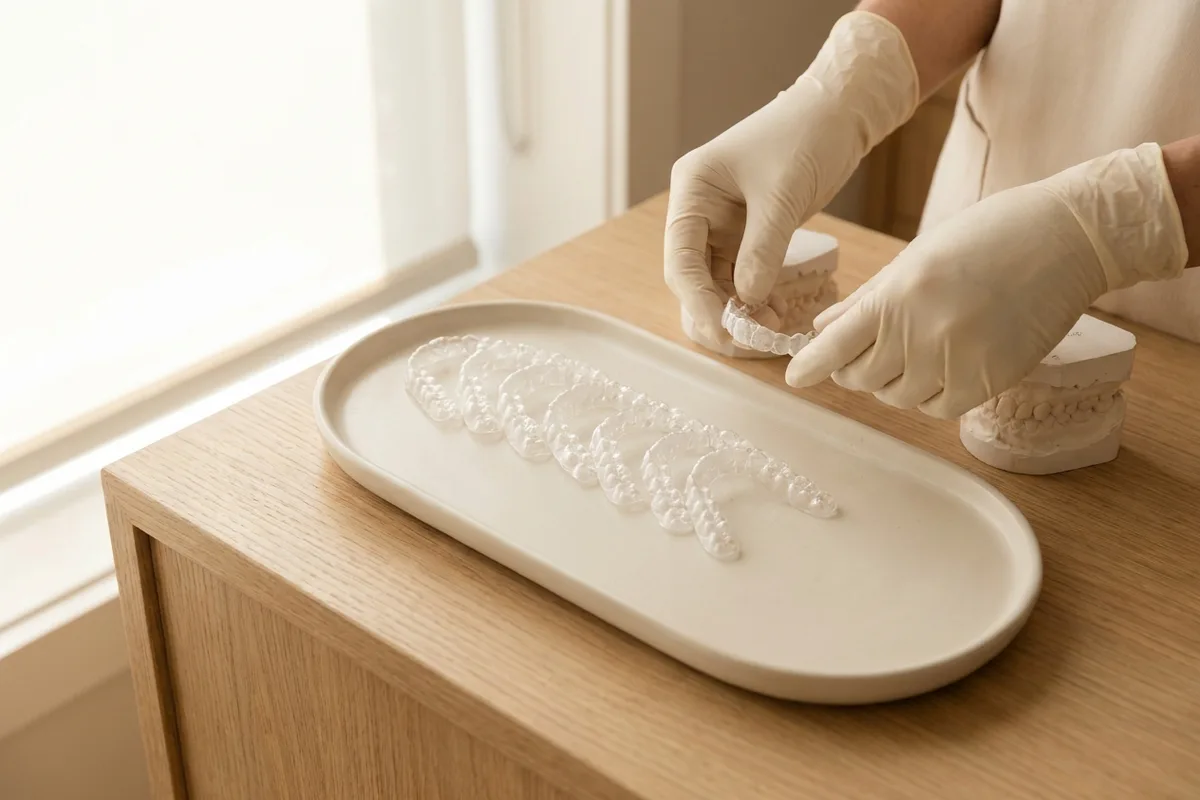
Daily wear and the tray-change schedule are prescribed for your individual plan. Remove the aligners for meals and clean the teeth before putting them back as instructed. Lost wear time can affect progress. If a tray no longer fits, contact the team rather than skipping ahead or forcing a later tray into place to catch up.
The Evaluation Process
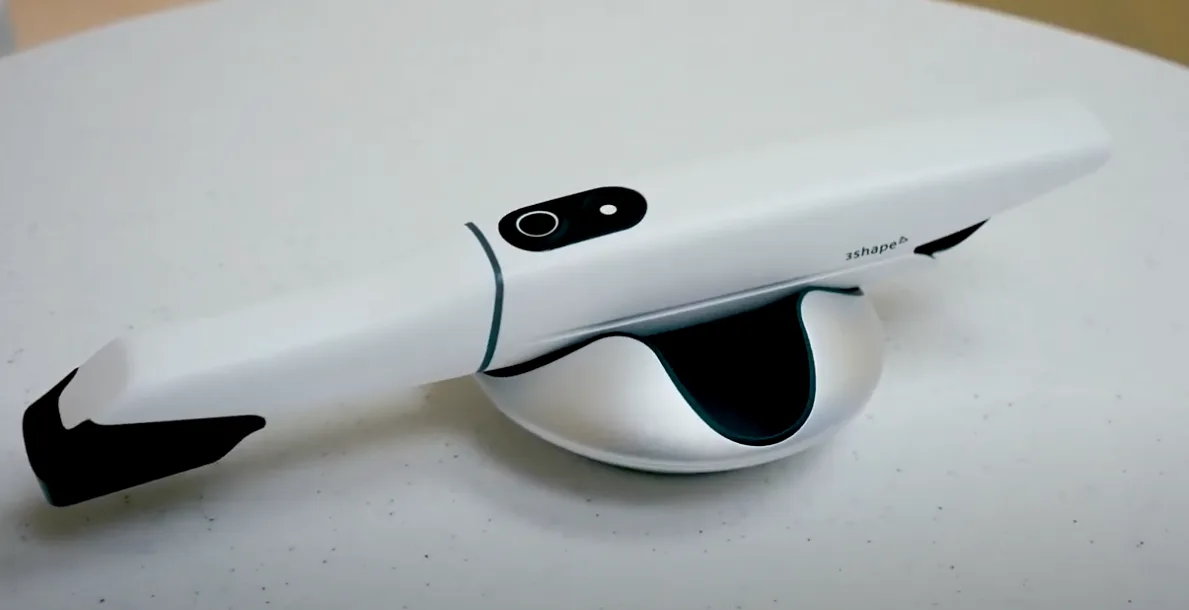
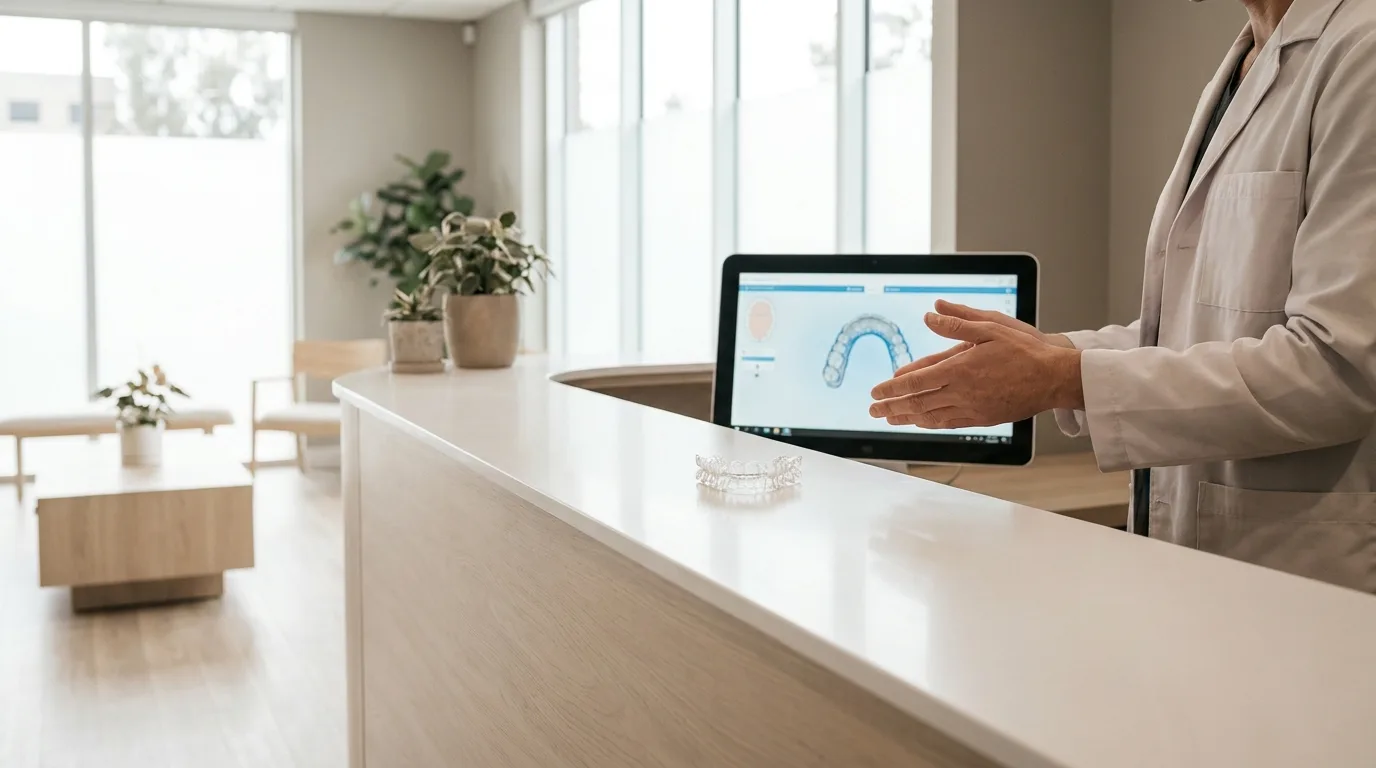
We examine the teeth, gums, and bite and collect scans, photographs, and appropriate images. The digital plan helps explain proposed movement and limitations. Nova Dental Studio discusses the smile goals and alternatives with you before treatment, including whether other dental care is needed first.
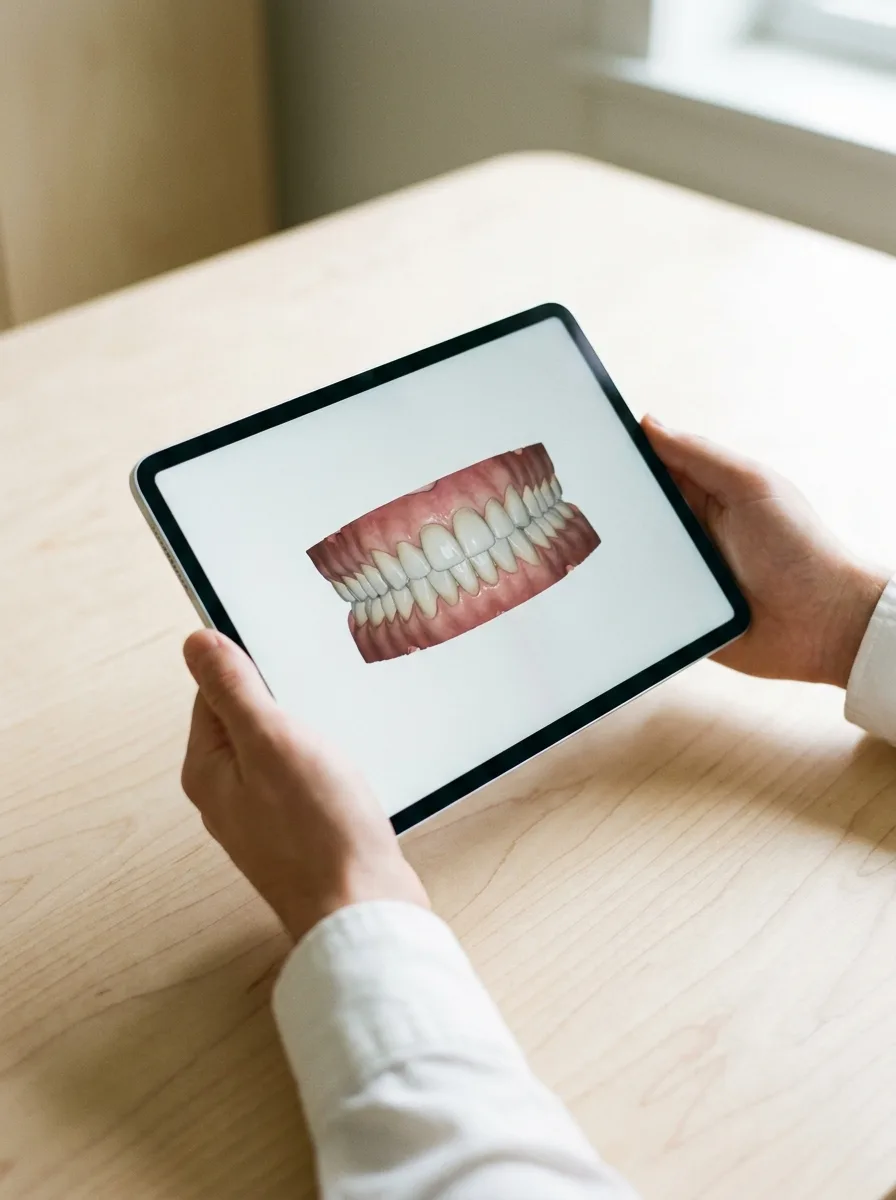
Records may include photographs, scans or impressions, and appropriate radiographs. The dentist checks gum support, tooth positions, and how the arches meet. Ask which movements are planned, whether attachments or small enamel adjustments are proposed, and what their purpose is. A treatment simulation supports planning, but cannot guarantee that every tooth will follow the animation exactly.
Before planning tooth movement, Dr. Li assesses joint stability, joint position, and jaw movement. If a joint concern needs care, that step comes first. Aligners are not presented as a treatment for TMD.
- Review proposed root movement as well as visible tooth alignment.
- Ask why an attachment or enamel adjustment is proposed.
- Check how progress will be judged if a tray stops fitting.
What Treatment Involves
You wear a sequence of aligners and change them as directed. Small tooth-colored attachments or other steps may be needed to achieve certain movements.
Reviews check fit, oral health, and progress; the plan can be adjusted if teeth do not track as expected. Remove aligners for meals and follow cleaning instructions.
Some plans use bonded attachments, elastics, or additional aligner sets to guide movement. Review visits check fit, tissue health, and progress. Changes to the plan may be necessary if a tooth does not move as expected. Discuss the alternatives and retention requirements before starting, including whether a different appliance would better address a complex bite concern.
Aftercare and Retainers
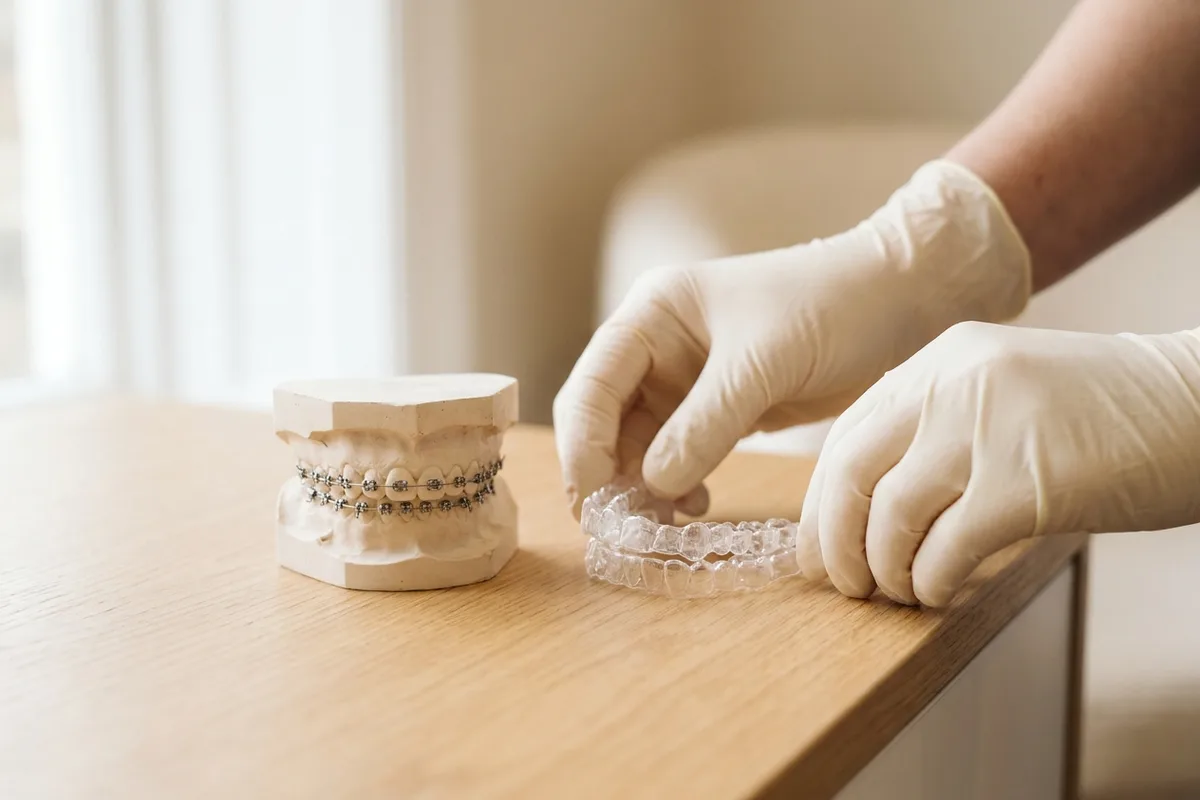
Temporary pressure can occur with a new tray, but significant pain, persistent rubbing, or poor fit should be reported. After active treatment, retainers help limit tooth movement and need ongoing use as prescribed. Keep daily oral hygiene and review appointments so the result and supporting tissues can be maintained.
Clean the aligners with the advised method and avoid heat that can distort them. Store removed trays safely and report a lost or cracked tray. Retainers help maintain tooth positions after active treatment. Follow the prescribed retainer schedule and bring a loose, damaged, or poorly fitting retainer for assessment rather than waiting for visible movement to occur.
- Store removed aligners in their case rather than loose tissues.
- Contact the team before jumping ahead after a lost tray.
- Bring a retainer that becomes tight or damaged for assessment.

Your Invisalign Treatment Stages
Tooth movement and daily adherence affect progress. Additional records, aligner sets, or retention adjustments may be needed as treatment develops.
- 1
Assess alignment and tissue support
The dentist reviews teeth, gums, bite, and appropriate records to discuss whether aligners or another orthodontic approach suits the intended movement.
- 2
Follow the supervised aligner sequence
You use the prescribed trays and any supporting attachments or elastics. Reviews check fit, oral health, and whether the planned movement is progressing.
- 3
Plan retention after active movement
The clinician reviews the achieved positions and explains the retainer plan. Continued monitoring helps identify fit problems or unwanted movement early.
Services
Other treatments we offer

Get Your Free Consultation
A smile design PROMO for teeth Exam/Xray/dental-facial analysis with smile design
Questions, answered
About us
Why patients choose Nova Dental Studio
At Nova Dental Studio in Irvine, Dr. Nova Li addresses your immediate concern first. Before broader treatment planning, she assesses joint stability, muscle function, and jaw movement to decide the sequence of care.
Preserve what is healthy
We consider conservative options and the reasons behind damage before recommending how to repair a tooth.
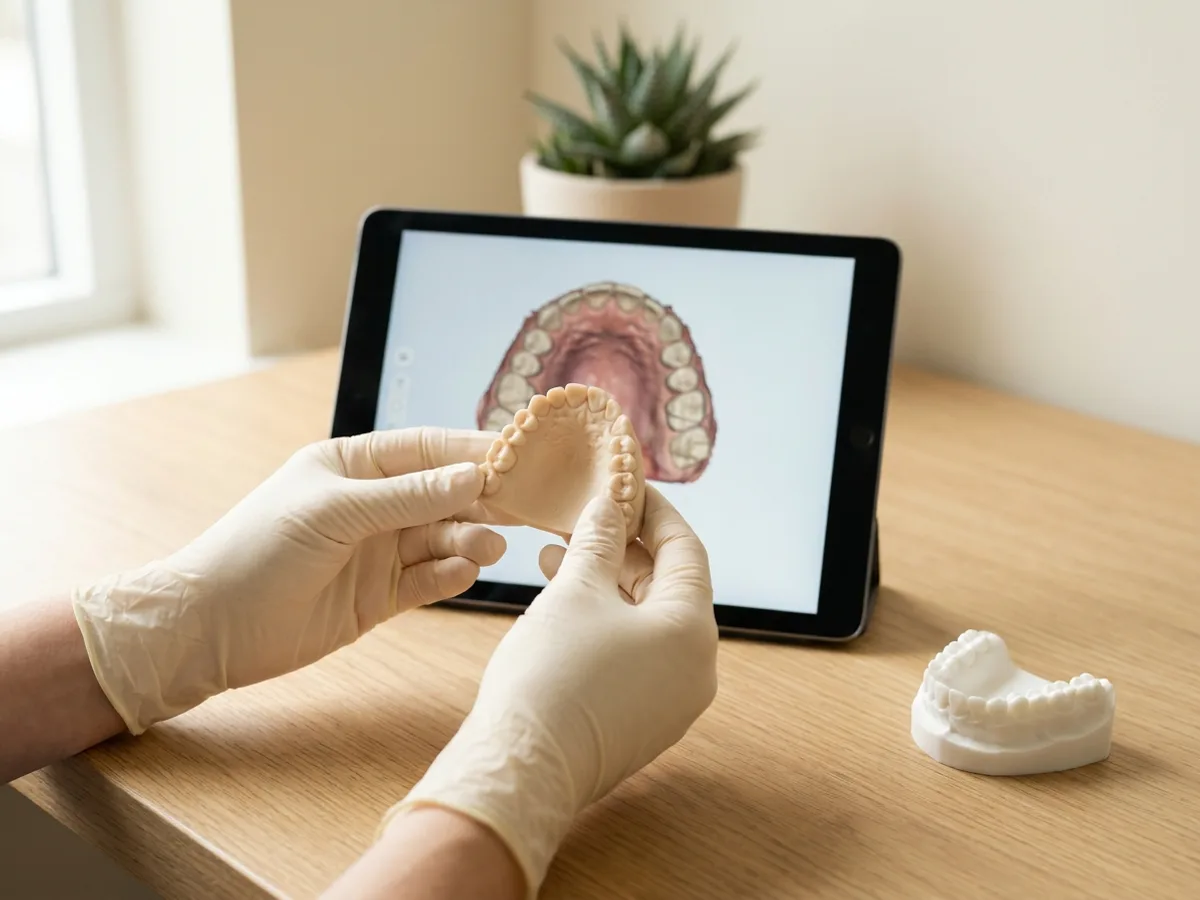
Joint stability first
Dr. Li assesses joint stability and jaw movement before broader restorative, cosmetic, or Invisalign planning. Joint concerns that need care guide what comes first.
Start with your concerns
We explain the immediate priority, the wider picture, and the options that fit your goals.
Nova Dental Studio Proudly Holds Active Memberships








Visit us
We're waiting for you in Irvine
Find our office on the third floor right next to the elevators!
113 Waterworks Way Ste. 335
Irvine, CA 92618
- Mon–Fri
- 9:00AM – 5:00PM
- Sat–Sun
- Closed