
Service
Deprogrammer to Relieve TMJ Symptoms in Irvine, CA
Assessment of jaw symptoms before considering a monitored, reversible appliance approach.
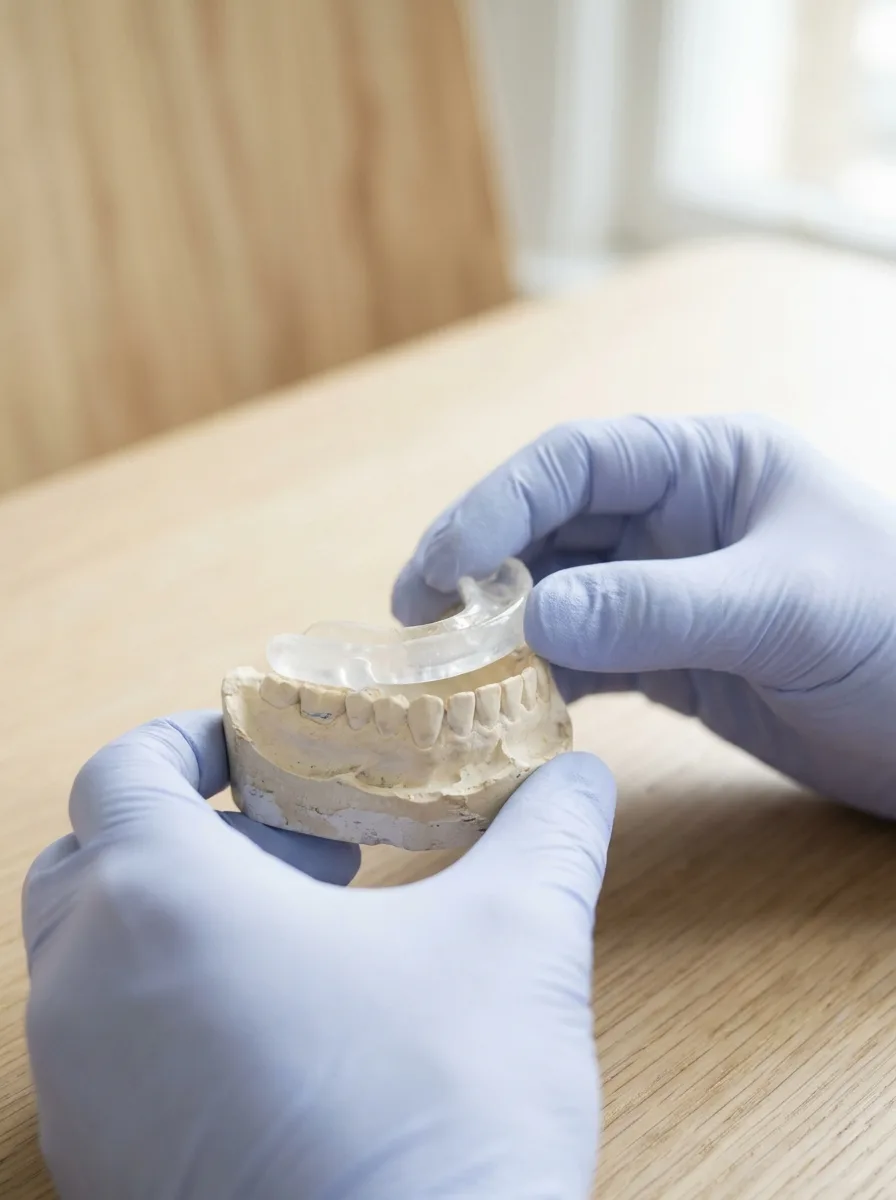
What You Need to Know
A deprogrammer is a selected appliance used for short-term assessment or management of some jaw and bite-related concerns. It can alter tooth contact while worn and help the clinician gather information. Jaw disorders have multiple possible causes, so the appliance is not a guaranteed cure or a substitute for diagnosis.
A deprogrammer temporarily changes tooth contact for a defined clinical purpose. It is a removable appliance, and its design and wear schedule differ from those of a general protective guard. It may assist selected assessments, but it cannot by itself establish the cause of every jaw symptom or prove that permanent bite alteration is necessary.
Why a Careful Assessment Matters
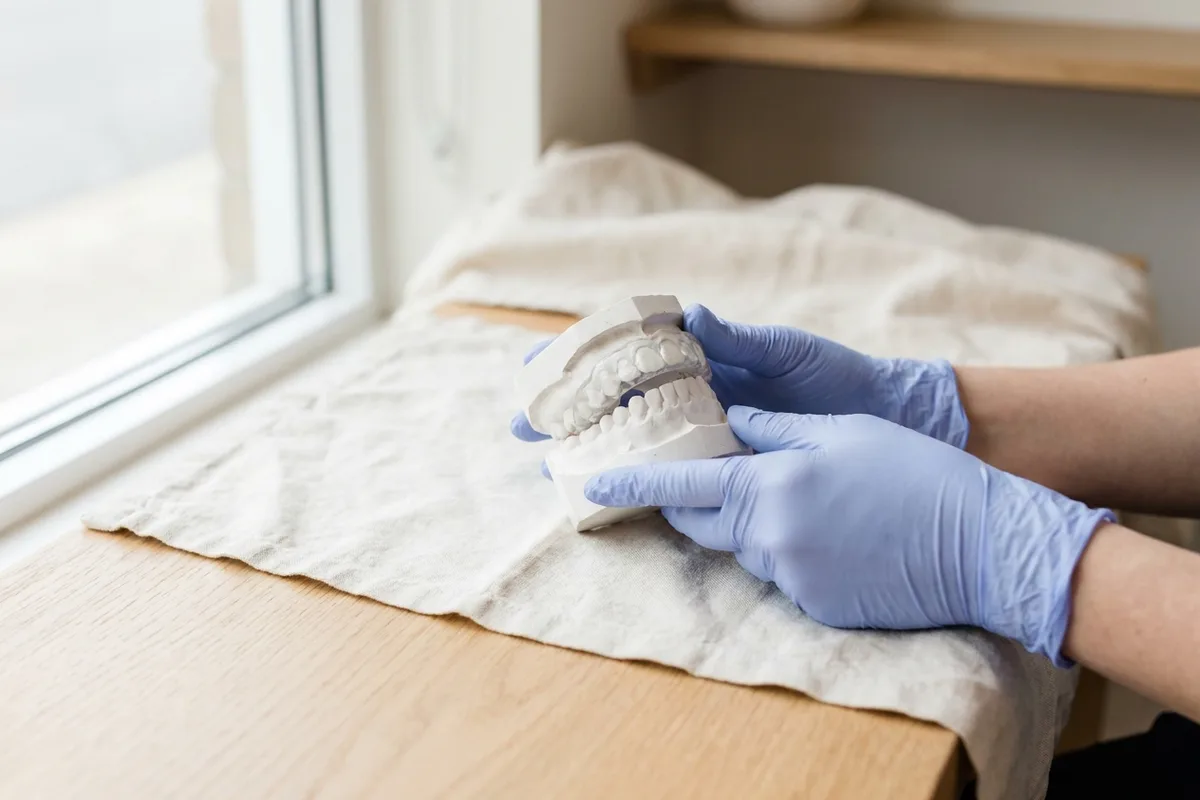
Jaw pain, muscle tenderness, and tooth wear can have different explanations. A bite finding does not prove the source of a temporomandibular disorder. We consider the pattern of symptoms and conservative options first, with the aim of understanding the concern before recommending an appliance or any irreversible change.
Jaw pain can involve muscles, joints, teeth, or other conditions. TMD describes a group of disorders, not one single diagnosis. A painless click often does not need treatment. Assessment should focus on pain, movement, and function and consider other explanations before attributing symptoms to a particular bite position or recommending an appliance.
- A clinician-defined assessment question about temporary tooth contacts.
- A previous appliance response that needs a more careful review.
- A planning concern where further information may change the recommendations.
Symptoms to Discuss
Tell us about pain while chewing, jaw locking, changes in opening, tooth sensitivity, and when symptoms occur. Clicking without pain does not automatically require treatment.
A history of trauma, headaches, sleep problems, or previous appliances can be useful. Persistent or unusual symptoms may need additional medical or specialist assessment.
Describe where pain occurs, whether the jaw locks, and which activities aggravate it. Mention headaches, injuries, sleep concerns, and any previous appliance treatment. A toothache or another medical condition can resemble a jaw problem. A clinician may recommend another assessment if the symptoms do not fit the proposed dental use of a deprogrammer.
- Explain any persistent bite change after an earlier appliance.
- Describe locking or pain rather than reporting joint sounds alone.
- Discuss sleep symptoms that may require assessment beyond dental contacts.
When a Deprogrammer Is Considered
The appliance may be appropriate for a defined period when it helps answer a clinical question or supports a conservative plan. Wear instructions and review timing are specific to the patient. It should not be used indefinitely without monitoring or treated as a reason to permanently change the bite.
If an appliance is recommended, ask for its specific purpose, wear limits, review date, and signs that mean you should stop. Short-term assessment use does not automatically justify prolonged wear. Do not extend the schedule or use another person's device. The next decision should depend on measured findings and your response rather than simply completing a preset period.
The Evaluation Process
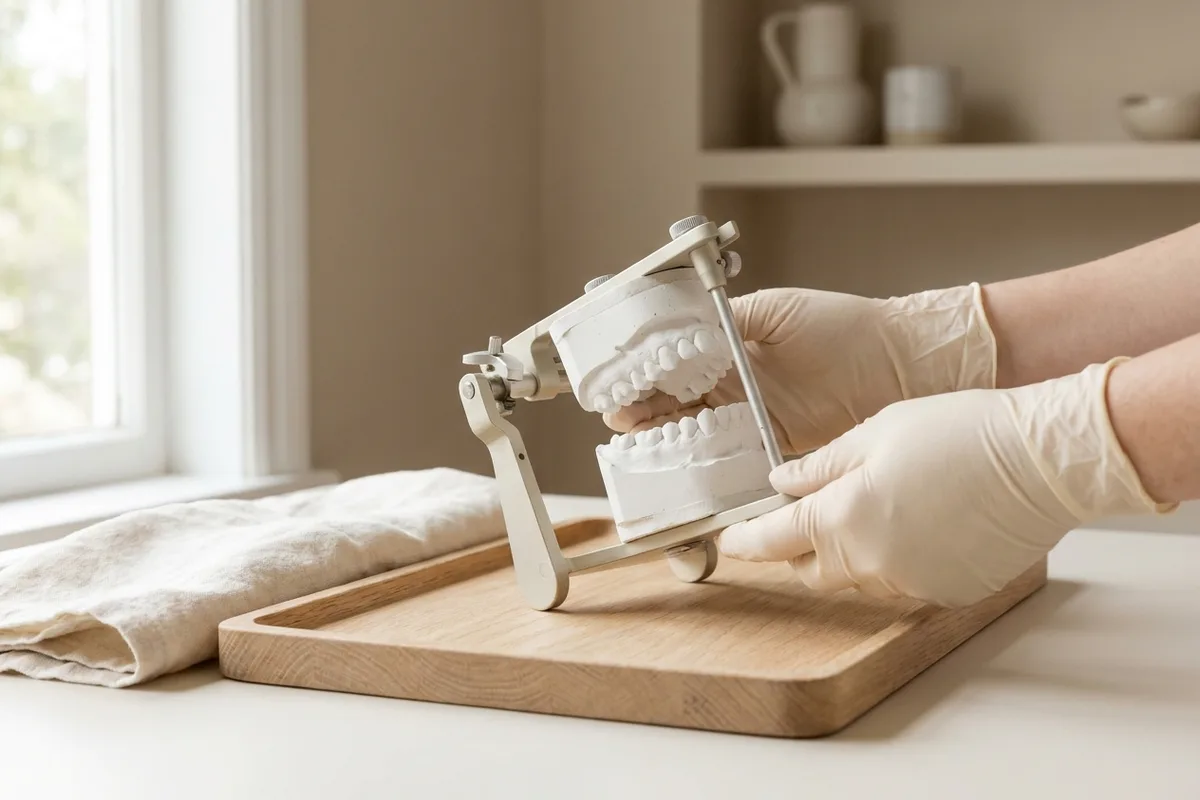
We review medical and dental history, examine jaw movement, assess muscles and tooth contacts, and consider imaging or referral when indicated. We explain what we hope to learn from appliance use. The findings help distinguish a monitored trial from treatment that would not address the likely cause of symptoms.
The dentist reviews the teeth, jaw movement, tenderness, and symptom history. Scans or other records may assist appliance construction, while additional imaging is selected when indicated. No single recording establishes every TMD diagnosis. Ask which finding the appliance is intended to clarify and how that information will change the treatment options discussed with you.
The assessment considers joint stability, position, muscles, and movement before discussing a deprogrammer or broader restorative care. Dr. Li uses these findings to decide what needs attention first. MODJAW records support the clinical assessment.
- Define what information the appliance trial is intended to provide.
- Record starting symptoms so later changes can be compared.
- Ask what findings would lead to referral rather than more wear.
Appliance and Conservative Options
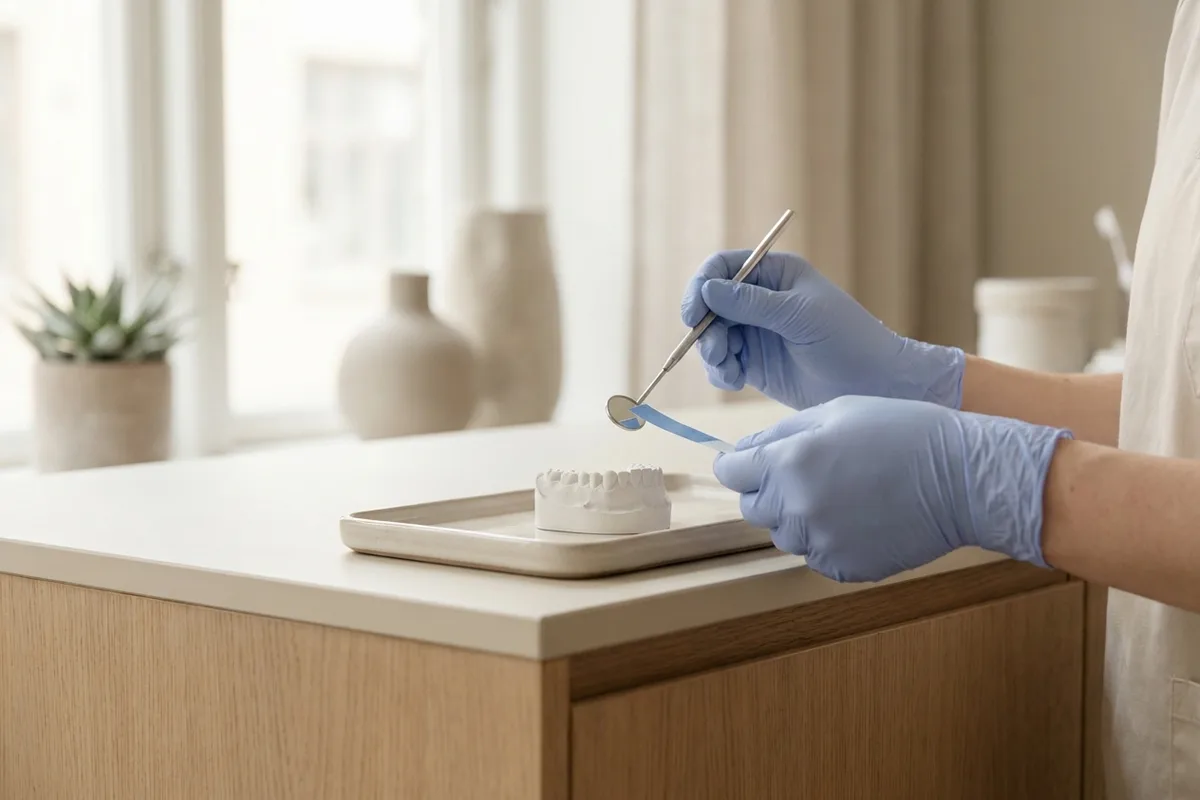
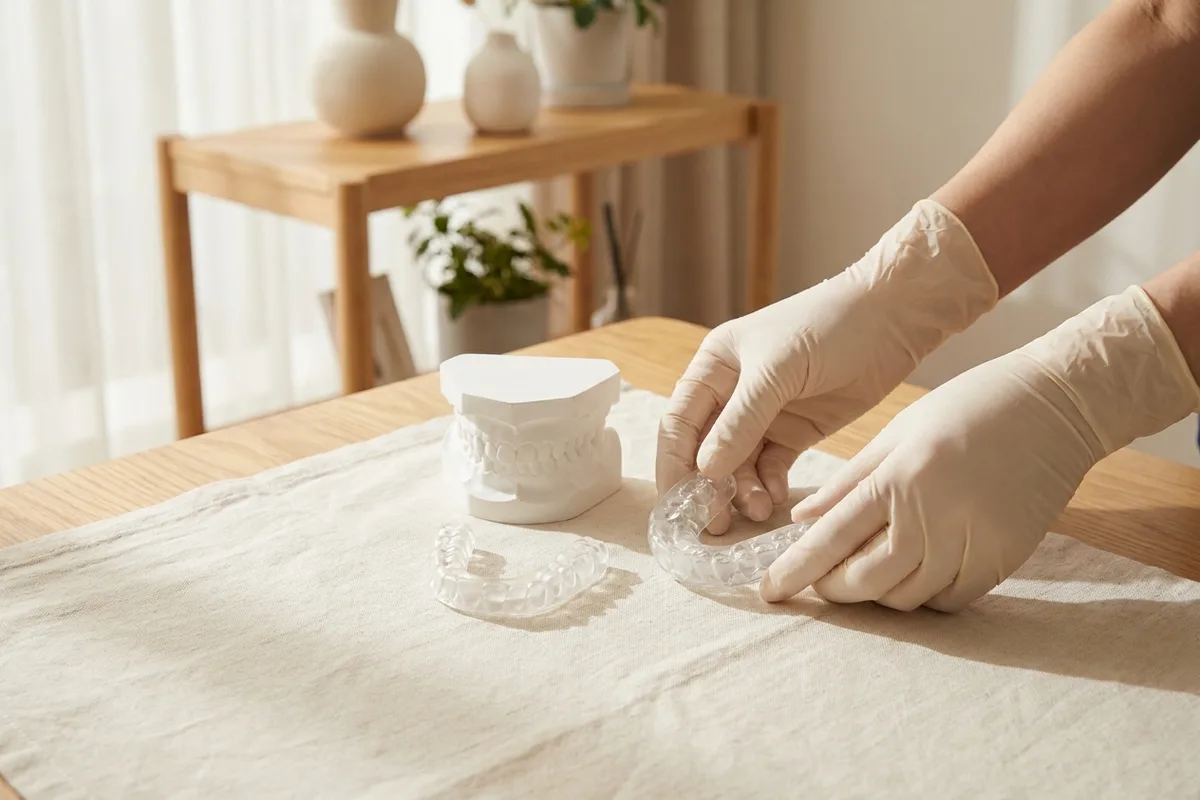
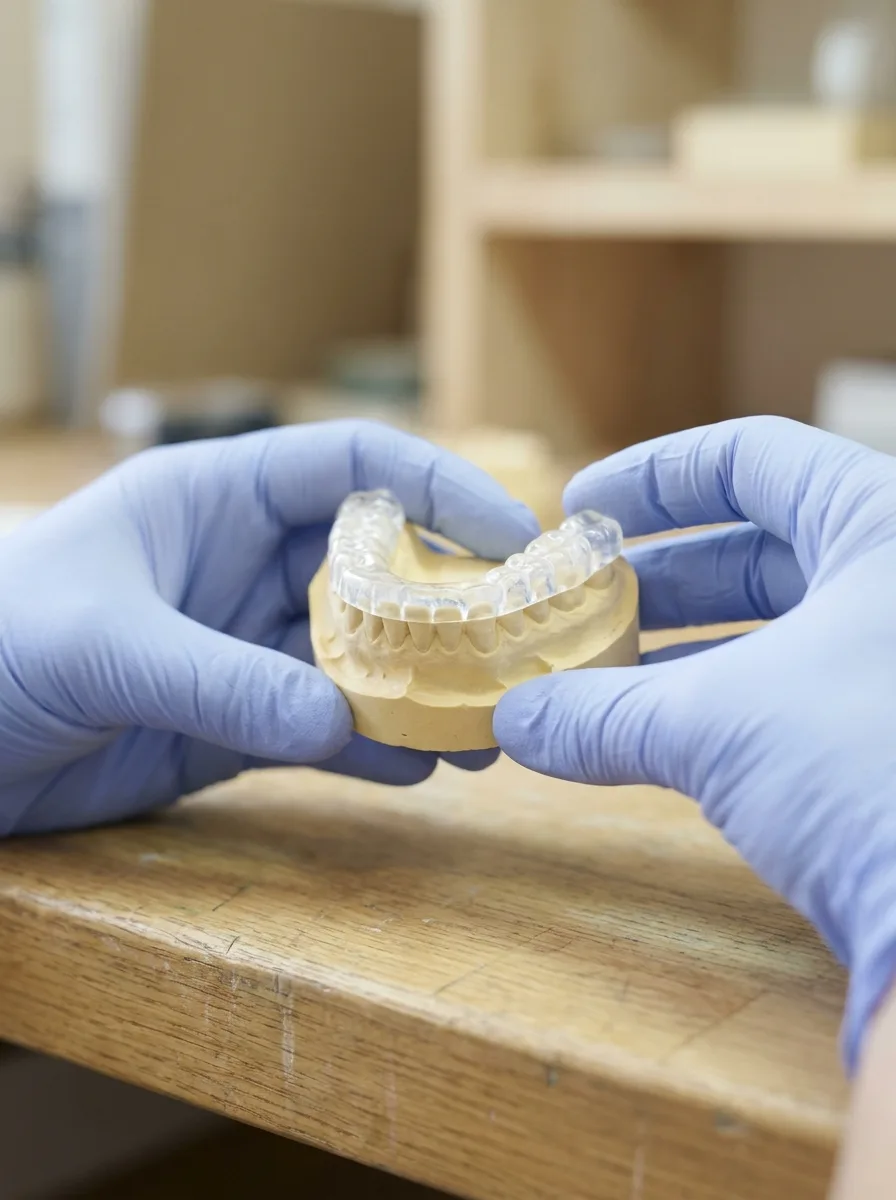
A fitted deprogrammer may be considered alongside education, habit changes, exercises, or other reversible approaches. The choice depends on the diagnosis and goals of care. We check fit and provide instructions, including what symptoms should prompt stopping wear and contacting the practice.
Conservative options can include education, habit changes, selected exercises or physical therapy, and appropriate medical support. A protective splint serves a different purpose from a diagnostic deprogrammer. Treatments intended to permanently change the teeth or bite are not a routine consequence of appliance use. Discuss the evidence and consider a specialist opinion before major irreversible decisions.
Aftercare and Reassessment
Use the appliance only as directed and keep it clean. Attend reviews so we can assess symptoms, fit, and any changes in tooth contact.
If pain increases or the bite changes, stop using it and contact us. Further care should follow the reassessment rather than an assumption that appliance use confirms a single cause.
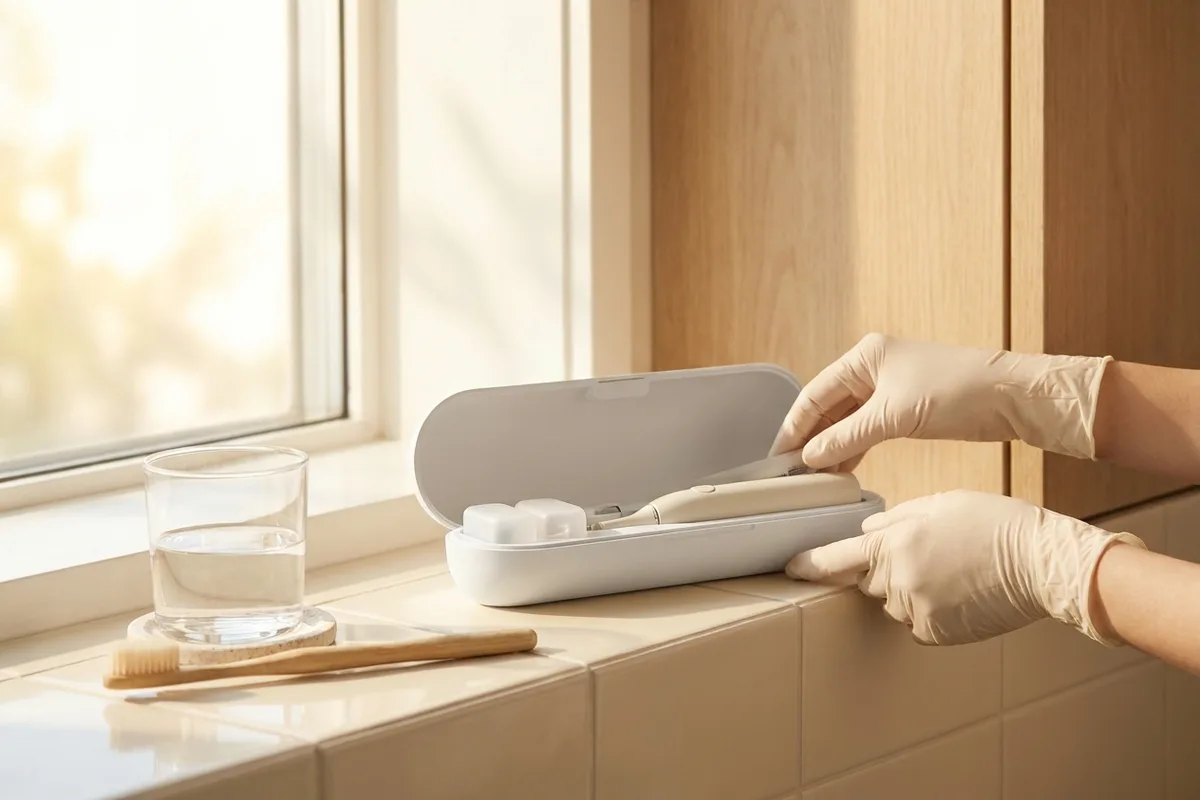
Clean and store the device as instructed, and bring it to review. Stop using it and contact the dentist if pain increases or your teeth meet differently in a persistent way. Do not adjust the appliance yourself. Follow-up should check its fit, symptoms, and whether continued use remains appropriate, rather than assuming discomfort means the appliance is working.
- Keep the prescribed wear limit with the appliance instructions.
- Bring the device to review without trimming its contact surface.
- Report pain or a persistent change in how teeth meet.
Your Deprogrammer Assessment Stages
The appliance serves a defined assessment purpose. Its trial length and further use depend on the prescribed design, symptoms, and review findings.
- 1
Define the assessment question
The dentist reviews jaw symptoms, tooth contacts, and relevant history to explain what a temporary appliance trial could clarify and its limitations.
- 2
Fit and explain the trial appliance
If appropriate, the clinician checks fit and gives a specific wear and cleaning plan, including reasons to stop and contact the office.
- 3
Reassess symptoms and next choices
The dentist compares your response with the starting findings and decides whether to stop, adjust, or seek another assessment before recommending further care.
Services
Other treatments we offer
Make your Nova smile a reality.
Join our family of happy, healthy smiles today and experience the Nova Smile difference!
Questions, answered
About us
Why patients choose Nova Dental Studio
At Nova Dental Studio in Irvine, Dr. Nova Li addresses your immediate concern first. Before broader treatment planning, she assesses joint stability, muscle function, and jaw movement to decide the sequence of care.
Preserve what is healthy
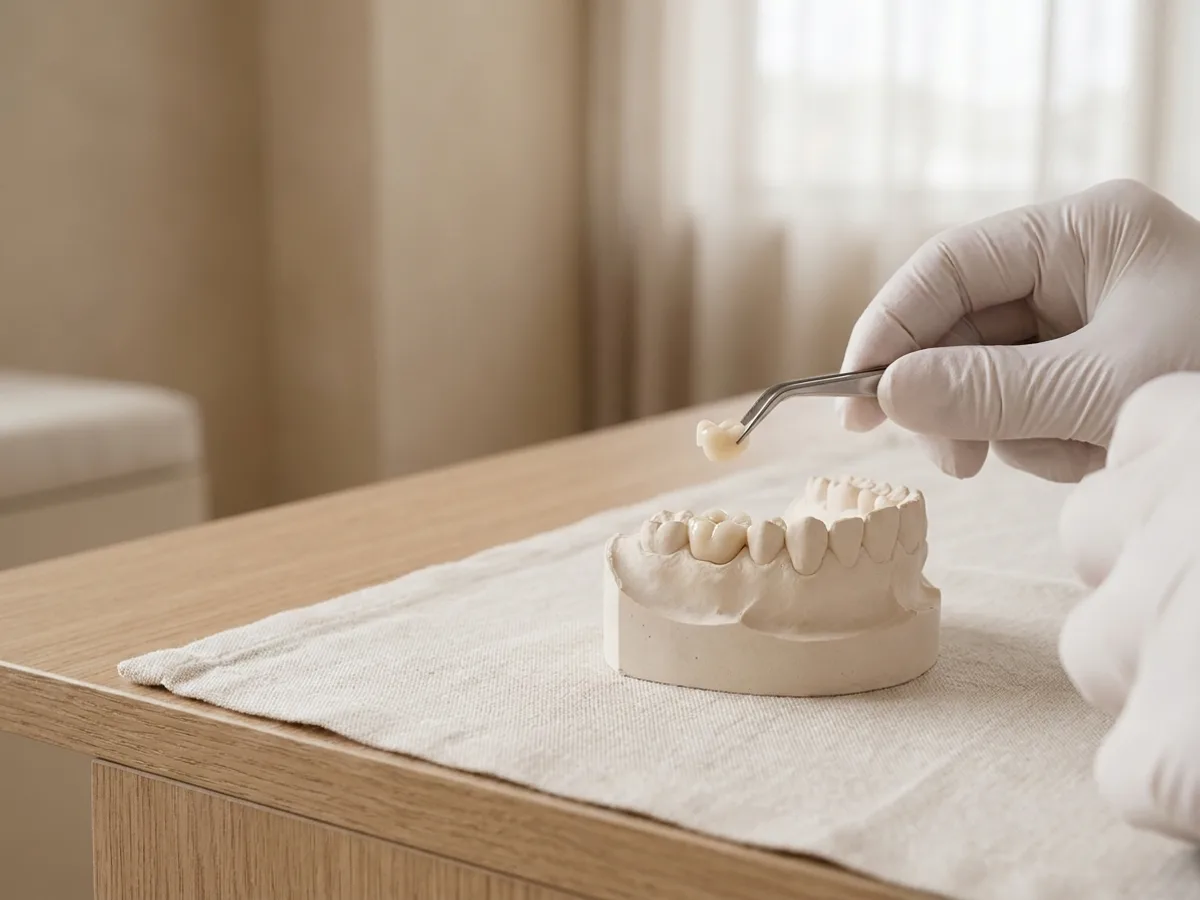
We consider conservative options and the reasons behind damage before recommending how to repair a tooth.
Joint stability first
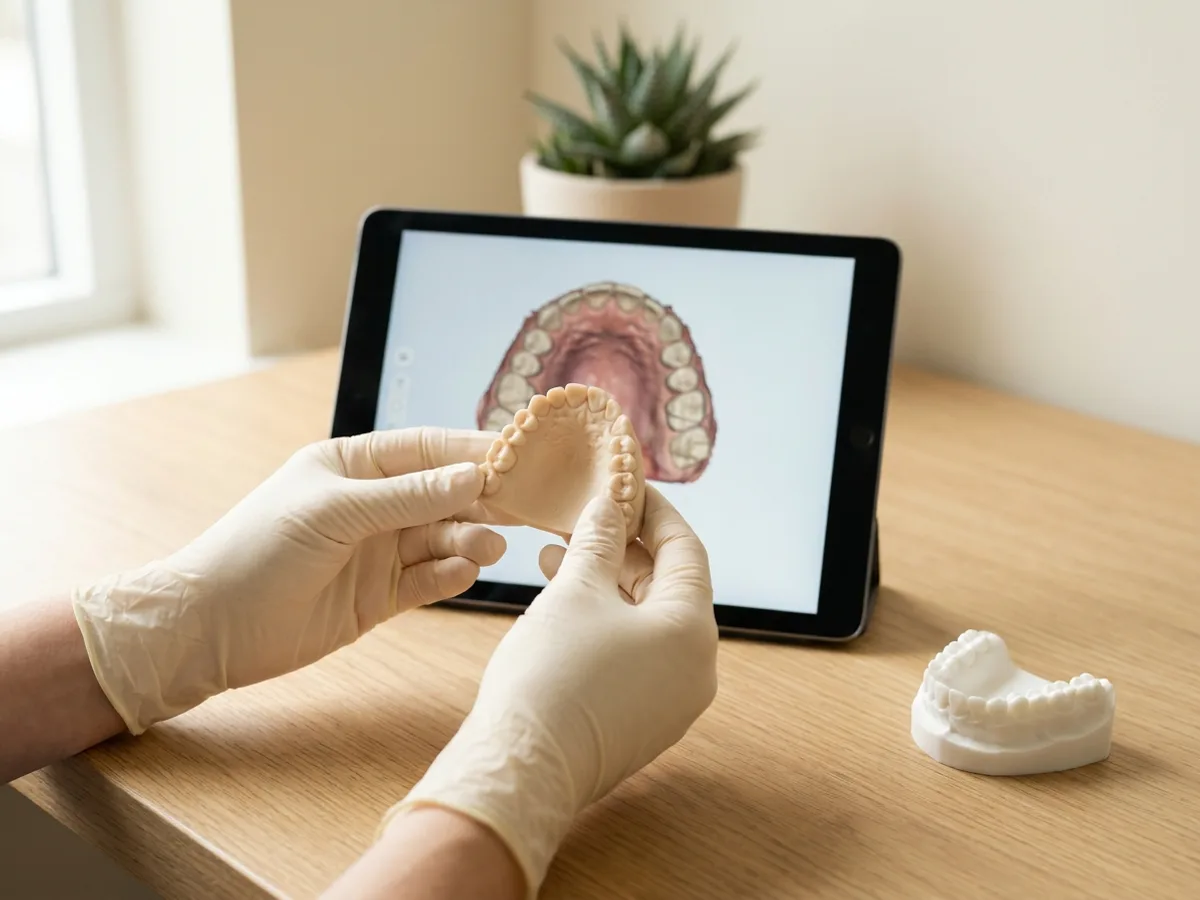
Dr. Li assesses joint stability and jaw movement before broader restorative, cosmetic, or Invisalign planning. Joint concerns that need care guide what comes first.
Start with your concerns
We explain the immediate priority, the wider picture, and the options that fit your goals.
Nova Dental Studio Proudly Holds Active Memberships








Visit us
We're waiting for you in Irvine
Find our office on the third floor right next to the elevators!
113 Waterworks Way Ste. 335
Irvine, CA 92618
- Mon–Fri
- 9:00AM – 5:00PM
- Sat–Sun
- Closed