Service
Full Mouth Rehabilitation in Irvine, CA
Full mouth rehabilitation starts with an assessment of joint stability, position, and jaw movement. Dr. Li uses those findings to sequence care for worn, damaged, or missing teeth.
What You Need to Know
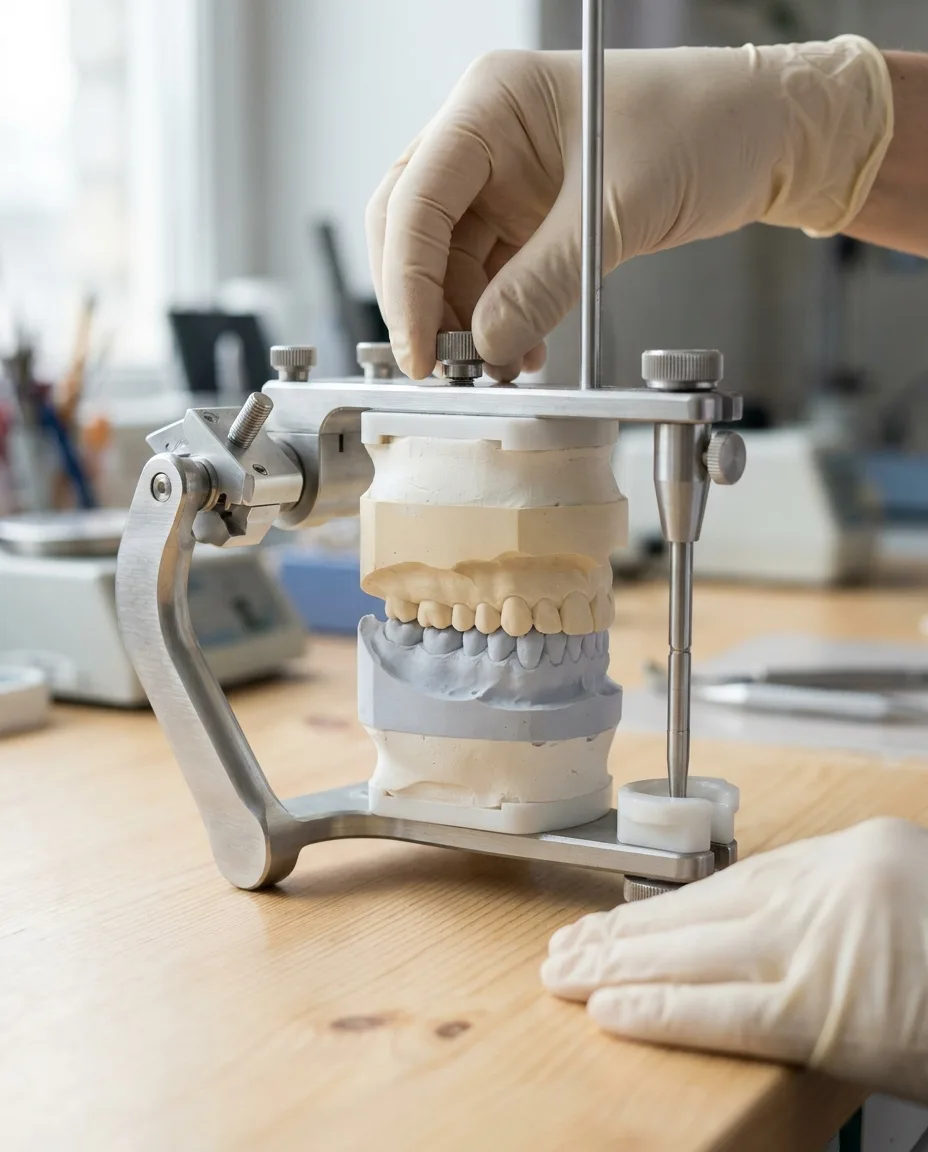
Full mouth rehabilitation coordinates several treatments when multiple teeth, missing teeth, or bite problems need attention together. It may combine restorative, periodontal, orthodontic, and replacement care. The aim is a workable plan for oral health, chewing, and appearance, rather than one procedure offered to everyone.
A useful plan gives each tooth a role and a prognosis. Some teeth may need simple repair, others may support a replacement, and some may not be maintainable. The dentist also considers whether you can clean and use the proposed work. These decisions establish a foundation before choosing the appearance of the final restorations.
Why a Coordinated Plan May Help
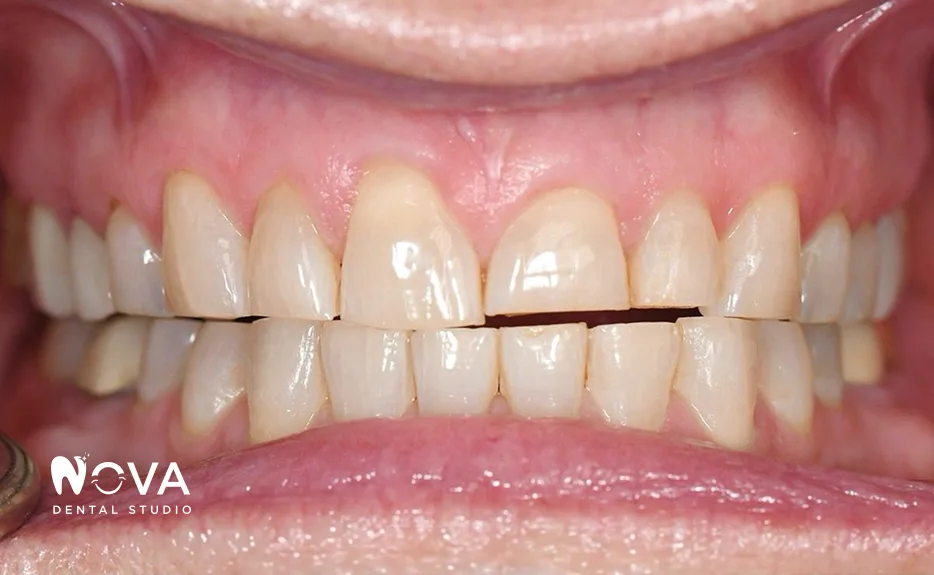
Widespread decay, worn teeth, repeated fractures, or several missing teeth can create connected problems. Repairing each tooth in isolation may overlook how the bite and supporting tissues work together. Planning the whole mouth allows urgent needs, long-term function, and cosmetic priorities to be considered in a deliberate sequence.
Treating one tooth without considering the rest of the mouth can leave unresolved problems with space, support, or cleaning. A coordinated plan sets priorities and explains how one stage affects the next. It does not mean every tooth needs a crown. Preserving healthy structure and choosing maintainable restorations remain important even when several procedures are necessary.
- Repeated breakage across several teeth with different repair histories.
- Missing teeth that complicate the support of remaining restorations.
- Several urgent and elective concerns needing a clear priority order.
Concerns to Bring to Consultation
Tell us about difficulty chewing, broken dental work, sensitivity, jaw symptoms, and the changes you would like in your smile. Bring records of previous treatment when available. A rehabilitation assessment distinguishes dental damage from other sources of discomfort; rebuilding teeth is not automatically a treatment for every jaw pain condition.
Discuss difficulty chewing, repeated breakage, discomfort, missing teeth, and the changes you want in appearance. Bring earlier dental records when possible. Some concerns may have causes outside the teeth, including certain jaw or facial pain conditions. Extensive restorative treatment should not be presented as a guaranteed cure for TMD or every type of headache.
- Explain which foods or daily tasks your teeth currently limit.
- Bring records of earlier extensive restorative or orthodontic treatment.
- Identify the outcomes you value most before comparing larger plans.
Timing and Treatment Stages
Care usually begins with controlling active disease and addressing urgent needs. Later stages may include temporary restorations, healing periods, and final work.
The schedule depends on the procedures selected and your health. A phased approach can help you understand decisions and commitments before progressing to the next stage.
Urgent disease control can come before final cosmetic choices. Gum treatment, extractions, healing, and orthodontic stages may influence the schedule. Temporary restorations may help assess comfort and function before definitive work. Ask what you will be able to eat at each stage, how the temporary work needs care, and what findings could change the sequence.
The Evaluation Process
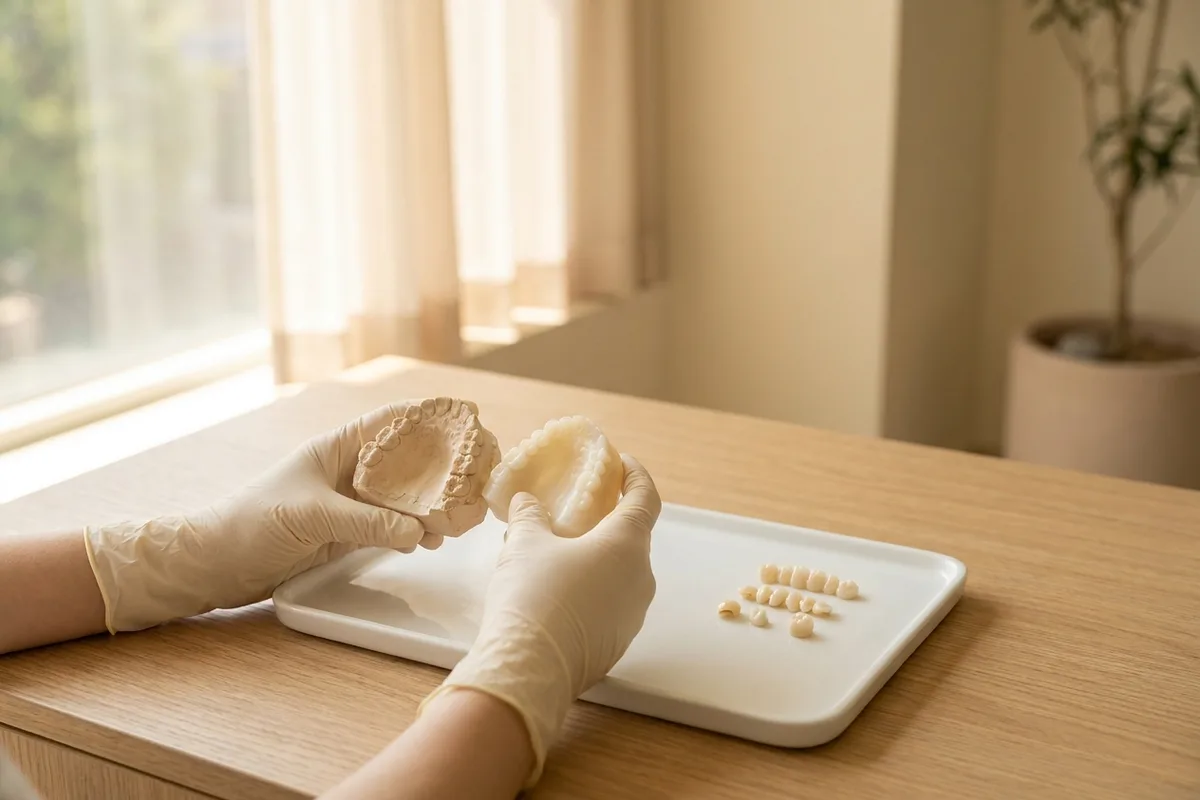
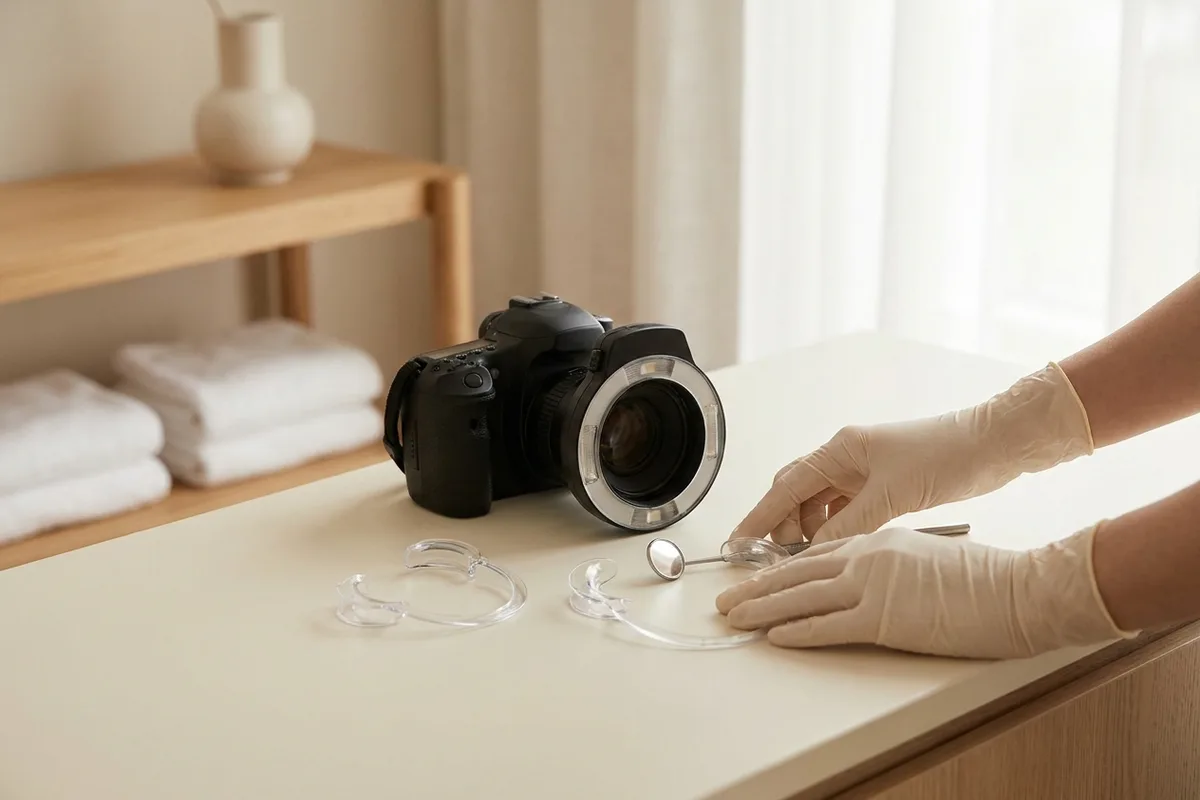
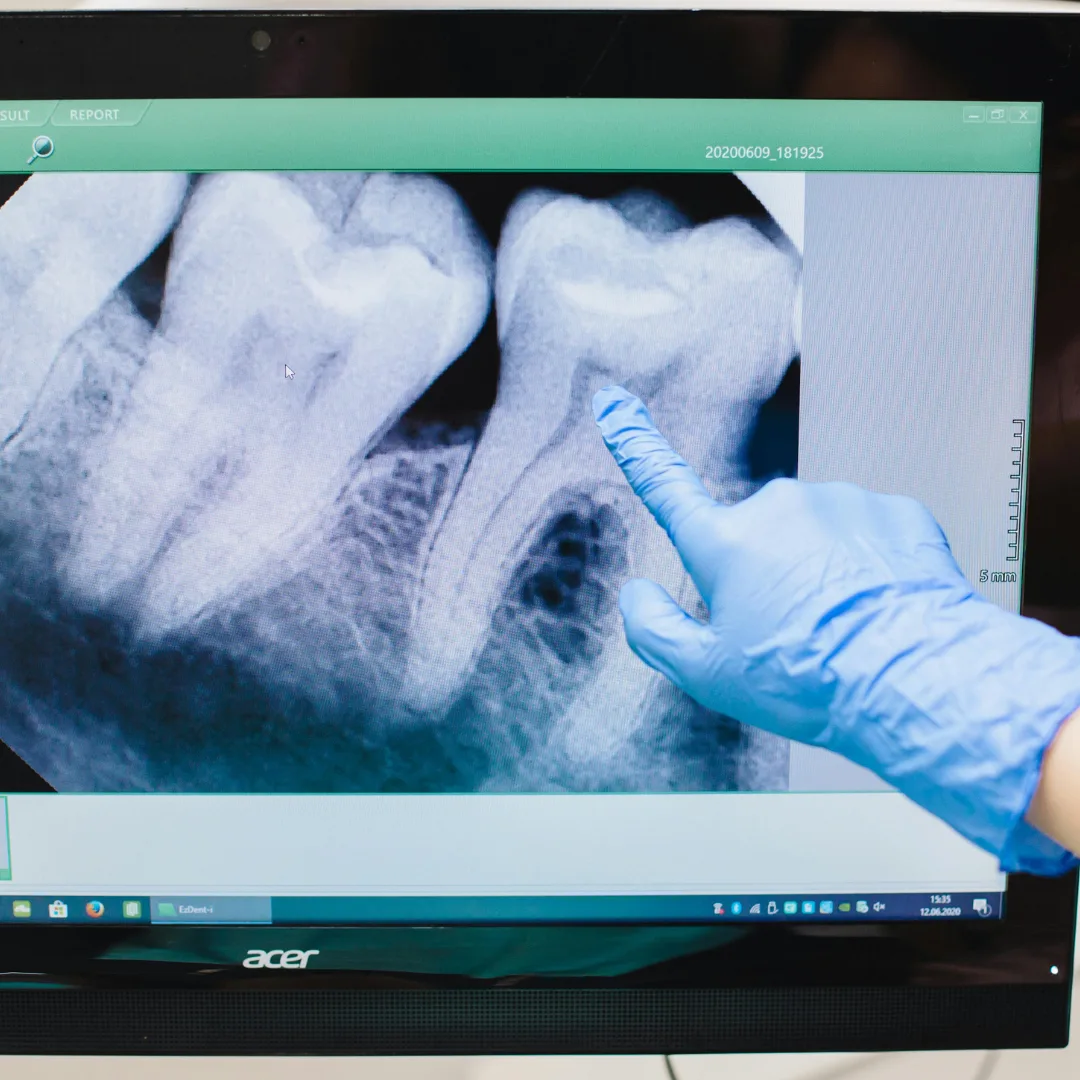
We assess the teeth, gums, supporting bone, bite, and facial proportions, and review your medical history. Photographs, scans, and appropriate imaging support planning. Facial-dento analysis and trial designs can help discuss appearance and function, while further testing or specialist input is arranged when a concern needs it.
Assessment considers each tooth's prognosis, gum support, bite, available space, and your ability to maintain the proposed work. Selected imaging, scans, photographs, and other records support planning. The dentist should explain which findings justify each proposed procedure. A second opinion can help with major irreversible decisions, especially when several reasonable approaches are available.
Joint stability is a starting point for Dr. Li’s rehabilitation planning. She assesses joint position, muscles, and movement before sequencing restorative changes. Joint concerns that need care come before elective restorative work.
- Assign a prognosis and planned role to each supporting tooth.
- Check whether proposed replacements leave practical access for daily cleaning.
- Discuss what temporary stages will test before definitive restorations.
Rehabilitation Options
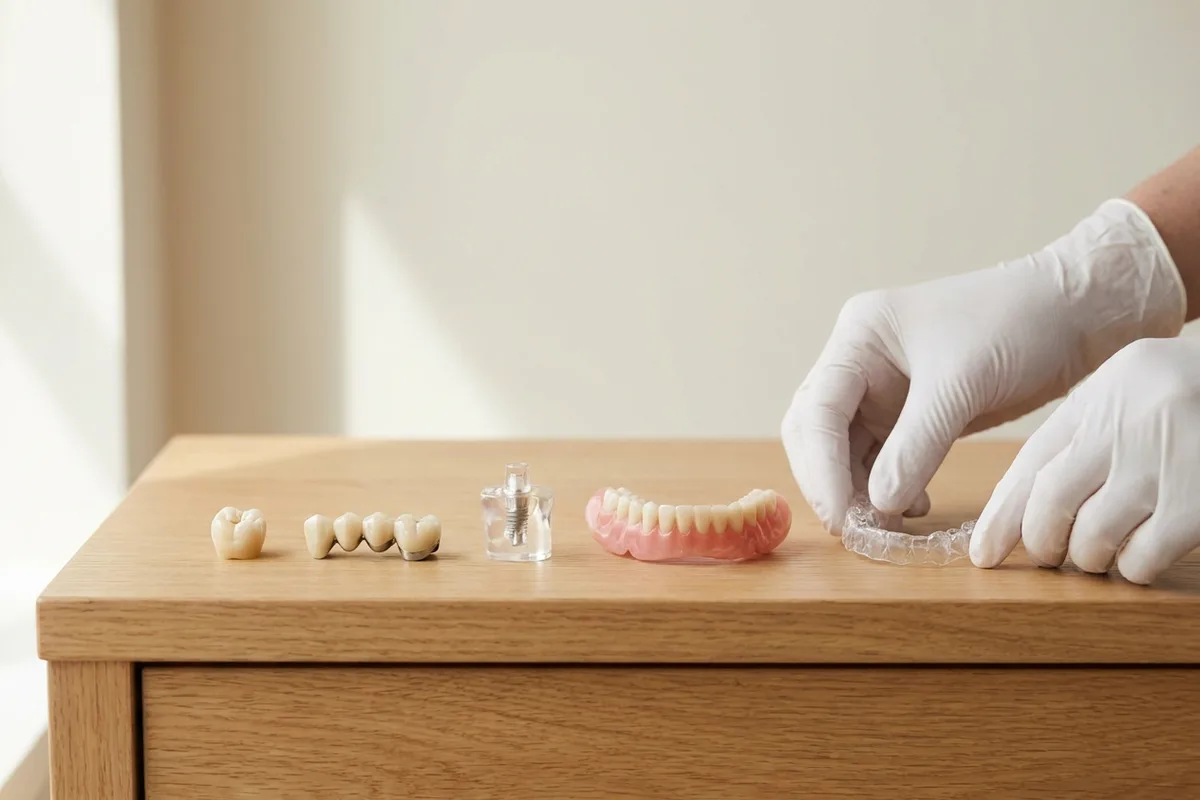
A plan may use fillings, inlays or onlays, crowns, bridges, implants, dentures, or orthodontic treatment in different combinations. Full-arch implant designs are an option only for suitable cases. We compare alternatives and preservation of healthy teeth, and explain provisional work, expected maintenance, and what each stage is intended to achieve.
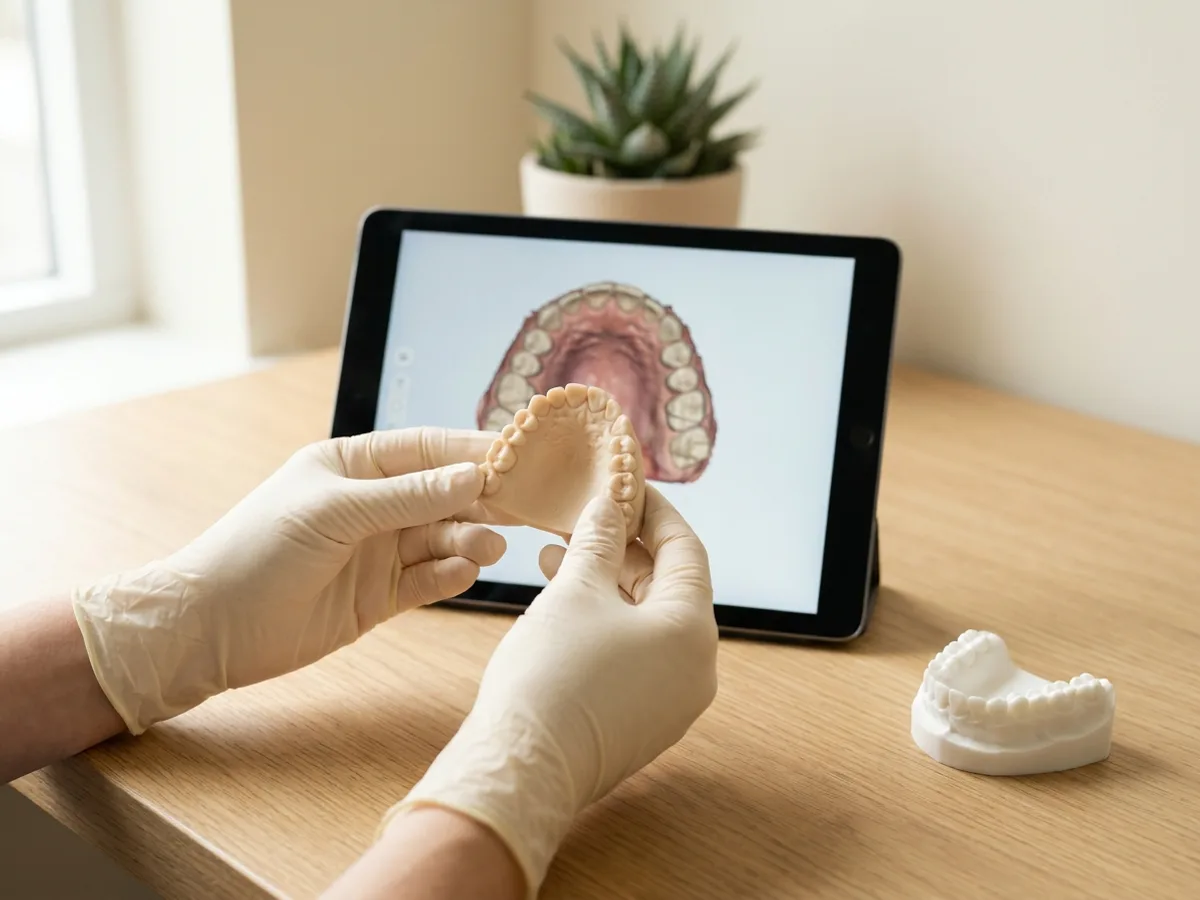
A plan may combine direct repairs, crowns, bridges, removable replacements, implants, or orthodontic care. These options differ in tooth preparation, surgery, cost, and maintenance. You can discuss phased care and which goals are essential or optional. A visual preview can support communication, but cannot guarantee healing, comfort, or the exact appearance of the final result.
Recovery and Ongoing Care
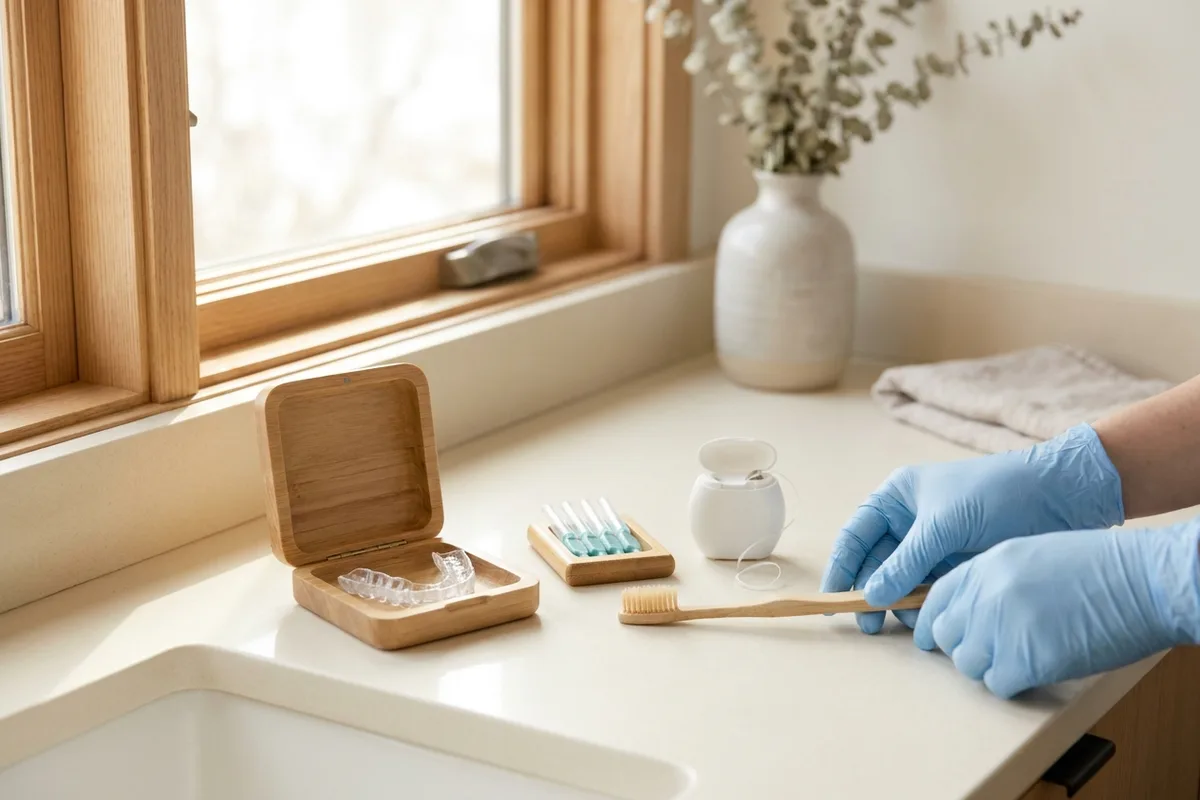
Aftercare follows the individual procedures in your plan, with reviews to check healing, comfort, and how the teeth meet. New restorations require daily cleaning and regular maintenance.
Contact us about a high bite, loosening, or persistent pain. Long-term reviews help manage wear and protect the work rather than assuming rehabilitation is permanent without care.
Maintenance depends on every component in the completed plan. Natural teeth, implant attachments, bridge spaces, and removable appliances need different cleaning methods. Follow-up also checks how the restorations meet and whether a protective appliance is appropriate. Report fractures, looseness, persistent pain, or new difficulty cleaning. Long-term success requires ongoing review rather than ending at the last fitting appointment.
- Keep instructions for each type of restoration or appliance separately.
- Report a temporary repair that breaks before the next stage.
- Ask which components need professional maintenance beyond ordinary examinations.
Your Coordinated Rehabilitation Stages
The stages can include multiple procedures and healing periods. Progress depends on disease control, tissue response, and the suitability of the next restoration.
- 1
Establish priorities across the mouth
The dentist reviews each tooth, supporting tissues, function, and your goals to distinguish urgent care from later restorative or cosmetic decisions.
- 2
Stabilize and stage the planned care
The agreed sequence addresses disease, necessary healing, and temporary or definitive work. Changes in findings may require review of the plan.
- 3
Review function and long-term maintenance
Completed restorations are assessed together for comfort and use. Your maintenance plan covers their different cleaning, repair, and protective needs.
Services
Other treatments we offer
Get Your Free Consultation
A smile design PROMO for teeth Exam/Xray/dental-facial analysis with smile design

Questions, answered
About us
Why patients choose Nova Dental Studio
At Nova Dental Studio in Irvine, Dr. Nova Li addresses your immediate concern first. Before broader treatment planning, she assesses joint stability, muscle function, and jaw movement to decide the sequence of care.
Preserve what is healthy
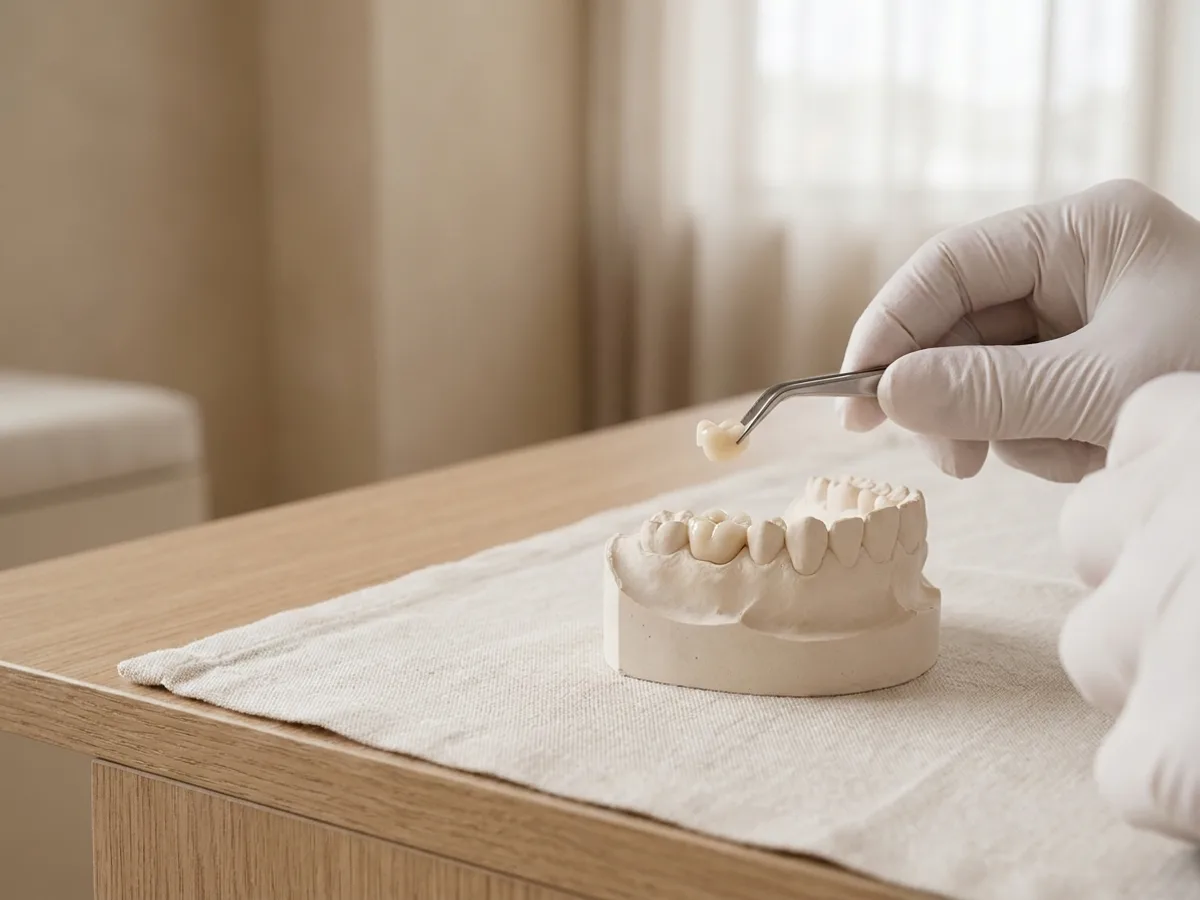
We consider conservative options and the reasons behind damage before recommending how to repair a tooth.
Joint stability first
Dr. Li assesses joint stability and jaw movement before broader restorative, cosmetic, or Invisalign planning. Joint concerns that need care guide what comes first.
Start with your concerns
We explain the immediate priority, the wider picture, and the options that fit your goals.
Nova Dental Studio Proudly Holds Active Memberships






Visit us
We're waiting for you in Irvine
Find our office on the third floor right next to the elevators!
113 Waterworks Way Ste. 335
Irvine, CA 92618
- Mon–Fri
- 9:00AM – 5:00PM
- Sat–Sun
- Closed