Service
BOTOX for Establishing Proper Lip/
An individual discussion of lip movement, dental aesthetics, alternatives, and the limits of cosmetic BOTOX treatment.
What You Need to Know
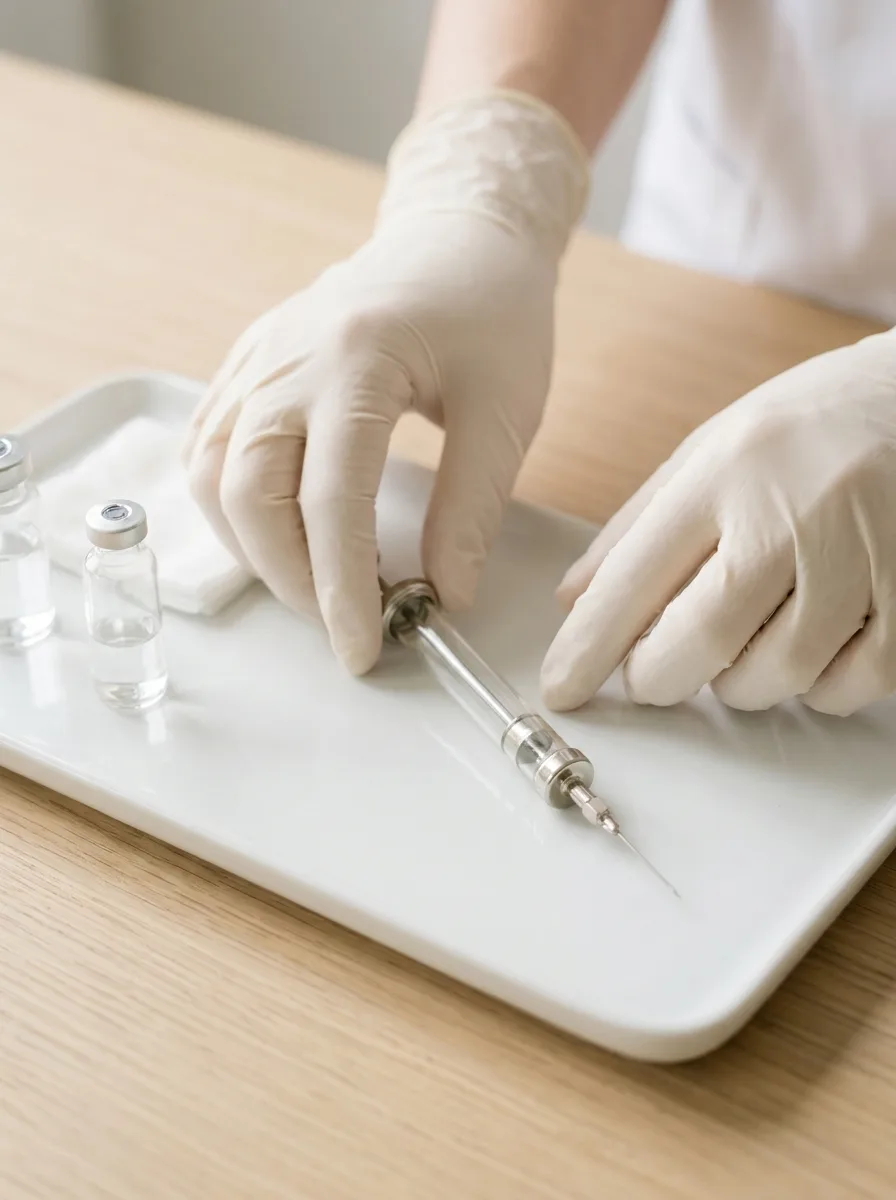
Botulinum toxin temporarily reduces activity in selected muscles. In dental aesthetics, it may be considered for certain concerns involving lip movement or smile display after assessment.
It does not add lip volume or change tooth shape. Some uses around the lip and smile are off-label and require a discussion of alternatives and risks.
Botulinum toxin changes activity in selected muscles for a limited time. It does not add lip volume or change the position of the teeth or jaw. A smile-line concern can involve several structures, so a muscle-focused treatment only fits some situations. A consultation should identify the specific movement being considered and the limitations of altering it.

Why the Cause of Smile Display Matters
A smile with prominent gum display can relate to lip movement, tooth position, gum contours, or skeletal proportions. Muscle-directed treatment only addresses selected muscular causes. Understanding the source of the concern helps avoid choosing injections for a problem that would be better assessed through periodontal, orthodontic, or other care.
Gum display can reflect lip movement, gum tissue, tooth position, or jaw relationships. Lines around the mouth can also have causes beyond muscle activity. These distinctions matter because an injection may not address the main concern. Dental, periodontal, orthodontic, or medical assessment can help identify an alternative when the cause lies elsewhere.
- A smile concern that appears mainly during particular lip movements.
- Gum display that needs its underlying cause identified first.
- A proposed cosmetic change that must preserve comfortable lip function.
Who May Be Considered
Assessment includes facial movement, your goals, medical history, medications, and previous injections. Certain health conditions or circumstances may make treatment unsuitable.
Tell us about swallowing or breathing problems and any prior reaction. A suitable plan considers how changes could affect natural expression, speaking, and drinking.
The clinician needs your medication list, allergies, previous toxin treatments, and relevant medical history. Mention muscle or nerve disorders and any existing swallowing or breathing difficulty. The consultation should also discuss pregnancy or breastfeeding where relevant. An injection-site infection or another contraindication can make treatment unsuitable, even when the cosmetic concern appears to fit the procedure.
- Share the product and date of any previous toxin treatment.
- Mention swallowing, breathing, or neuromuscular problems before considering injections.
- Explain which speaking or drinking movements are already difficult.
Timing and Expectations
The effect develops over time and is temporary; it is not an immediate or permanent change to the smile. A review may be needed before considering another treatment.
Dose, response, and repeat timing are individualized. We discuss the likely limits of the approach without promising a particular lip position.
Effects develop over time and later wear off. Treatment should allow time for review, especially before an important event. Do not plan on an exact onset, duration, or degree of change. Repeating treatment is a separate decision that depends on the response, side effects, and your goals, rather than an automatic fixed schedule.

The Evaluation Process
We observe the lips at rest and while smiling and examine the teeth and gums. Facial-dento analysis can help identify whether the concern is mainly muscular or structural. We explain the proposed use, off-label status where applicable, potential side effects, and whether a different treatment or no treatment may be preferable.
Assessment considers lip position and movement at rest, during speech, and when smiling. The clinician should explain whether the proposed use is off-label and what that means. Ask how unwanted changes in drinking, speaking, or smile symmetry would be managed. Your consent should cover realistic benefit, uncertainty, alternatives, and the risks of the specific proposed treatment.
Dr. Li considers lip movement alongside tooth shape and jaw function. If cosmetic BOTOX forms part of a broader dental plan, she assesses joint stability before sequencing elective changes to the teeth or bite.
- Compare lip position at rest and during a natural smile.
- Clarify whether the proposed injection site represents off-label use.
- Discuss how unwanted weakness would be assessed and managed.

Treatment and Alternative Options
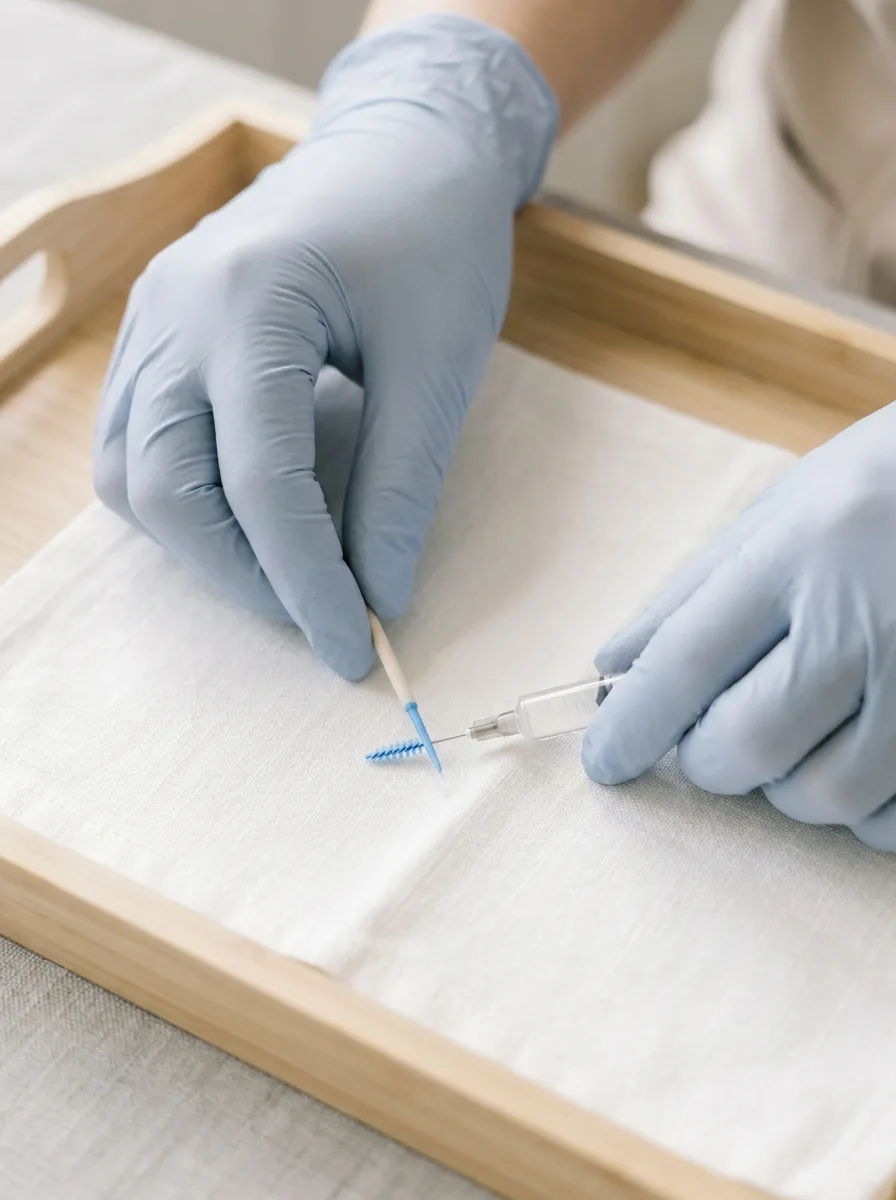
Selected injection sites may be considered when the assessment supports a muscle-related approach. Other options can include conservative observation, tooth alignment, or gum treatment when appropriate to the cause. We discuss that botulinum toxin is different from fillers and that changing muscle activity can affect symmetry or oral function.
Alternatives may include no procedure, dental treatment, gum treatment, orthodontics, or assessment by another appropriate clinician. Fillers have a different mechanism and different risks. If injections are selected, the plan should identify the product and treatment goal. Avoid judging suitability by the number of injections or by another person's before-and-after photograph alone.

Aftercare and Review
Follow the instructions provided and attend the recommended review. Bruising, uneven movement, or changes in lip function can occur and should be discussed with the treating clinician.
Seek urgent medical help for difficulty breathing or swallowing. Future treatment decisions should be based on your response rather than an automatic repeat schedule.
Follow the clinician's product-specific instructions and report asymmetry, unexpected weakness, or difficulty using the lips. Seek immediate medical care for trouble breathing, swallowing, or speaking after botulinum toxin treatment. Serious effects can occur beyond the injection site. A review should assess function as well as appearance before any decision about further treatment.
- Keep the product-specific instructions and the planned review details.
- Report a new difficulty drinking or controlling lip movement.
- Seek immediate medical care for breathing, swallowing, or speech difficulty.

Assessment and Review for Lip or Smile BOTOX
Treatment is considered only after reviewing the cause and alternatives. The response and any unwanted functional effects guide further decisions.
- 1
Identify the relevant movement and risks
The clinician assesses lip and smile function, reviews medical history, and explains the proposed use, uncertainty, alternatives, and product-specific risks.
- 2
Provide selected treatment if appropriate
If you choose suitable treatment, the clinician follows the individual injection plan and provides aftercare instructions without promising an exact cosmetic result.
- 3
Review function and temporary response
Follow-up assesses appearance and everyday lip use. Any unwanted weakness or other adverse effect is considered before further treatment is discussed.
Services
Other treatments we offer

Make your Nova smile a reality.
Join our family of happy, healthy smiles today and experience the Nova Smile difference!
Questions, answered
About us
Why patients choose Nova Dental Studio
At Nova Dental Studio in Irvine, Dr. Nova Li addresses your immediate concern first. Before broader treatment planning, she assesses joint stability, muscle function, and jaw movement to decide the sequence of care.
Preserve what is healthy
We consider conservative options and the reasons behind damage before recommending how to repair a tooth.
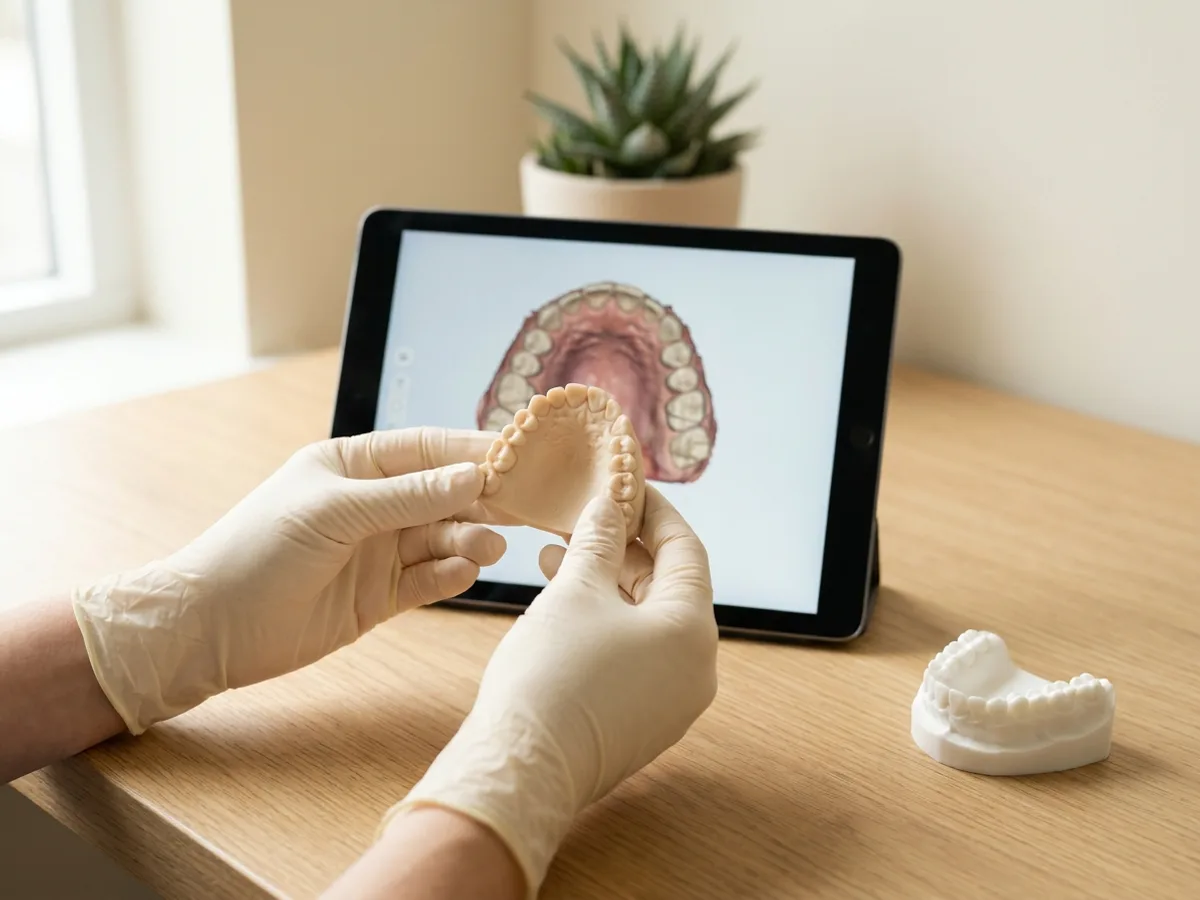
Joint stability first
Dr. Li assesses joint stability and jaw movement before broader restorative, cosmetic, or Invisalign planning. Joint concerns that need care guide what comes first.
Start with your concerns
We explain the immediate priority, the wider picture, and the options that fit your goals.
Nova Dental Studio Proudly Holds Active Memberships





Visit us
We're waiting for you in Irvine
Find our office on the third floor right next to the elevators!
113 Waterworks Way Ste. 335
Irvine, CA 92618
- Mon–Fri
- 9:00AM – 5:00PM
- Sat–Sun
- Closed