Service
Dentures & Partials in Irvine, CA
Removable tooth replacement planned around support, jaw relationships, speech, and daily comfort.
What You Need to Know
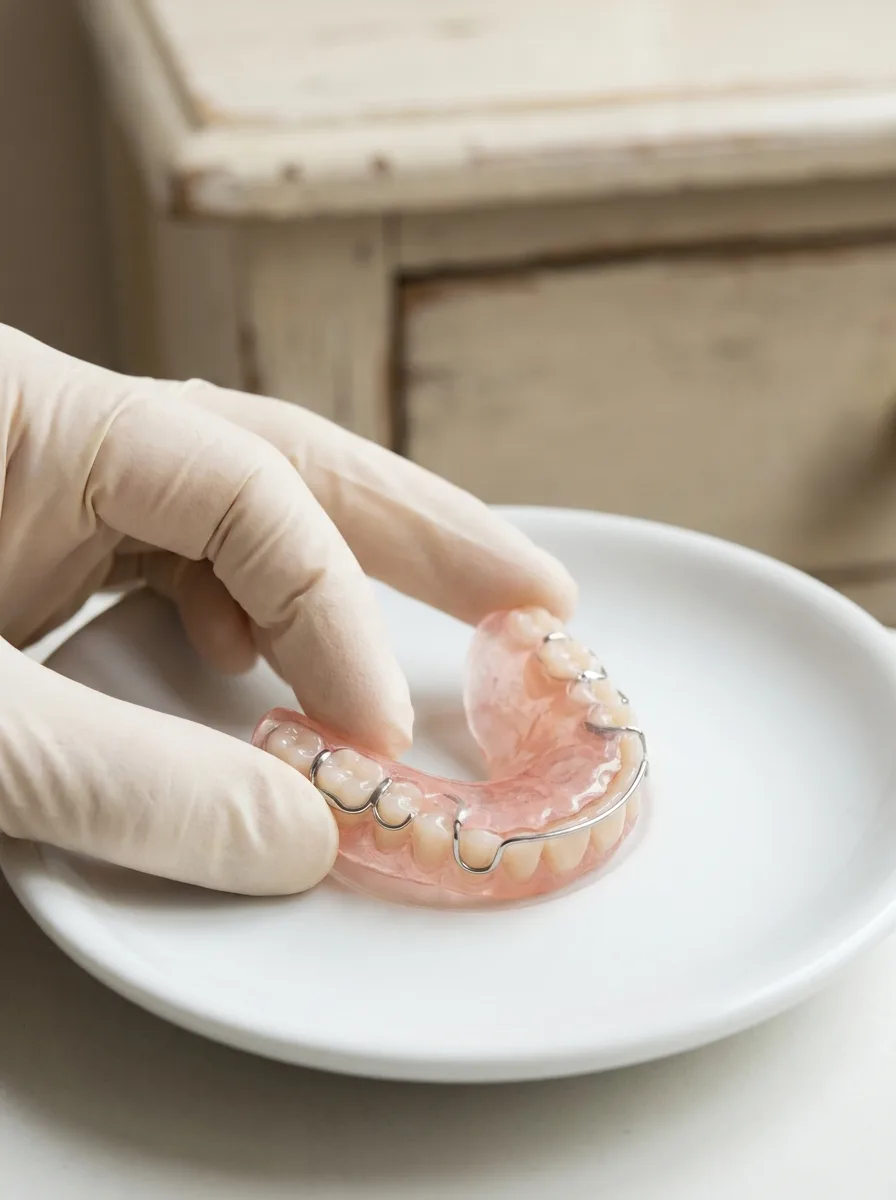
Dentures replace multiple missing teeth with a removable appliance. A partial denture fits around remaining teeth; a complete denture replaces all teeth in an arch.
Design, fit, and the condition of supporting tissues influence comfort and function. Dentures are one option alongside bridges and implant-supported replacements.
The supporting tissues change over time, especially after extractions. This can alter the fit even when the appliance itself remains intact. Gum-supported designs can move differently from restorations anchored to teeth or implants. Understanding where the support comes from helps you judge normal adaptation, identify a fit problem, and discuss whether another design could meet your needs.
Why Tooth Replacement Matters
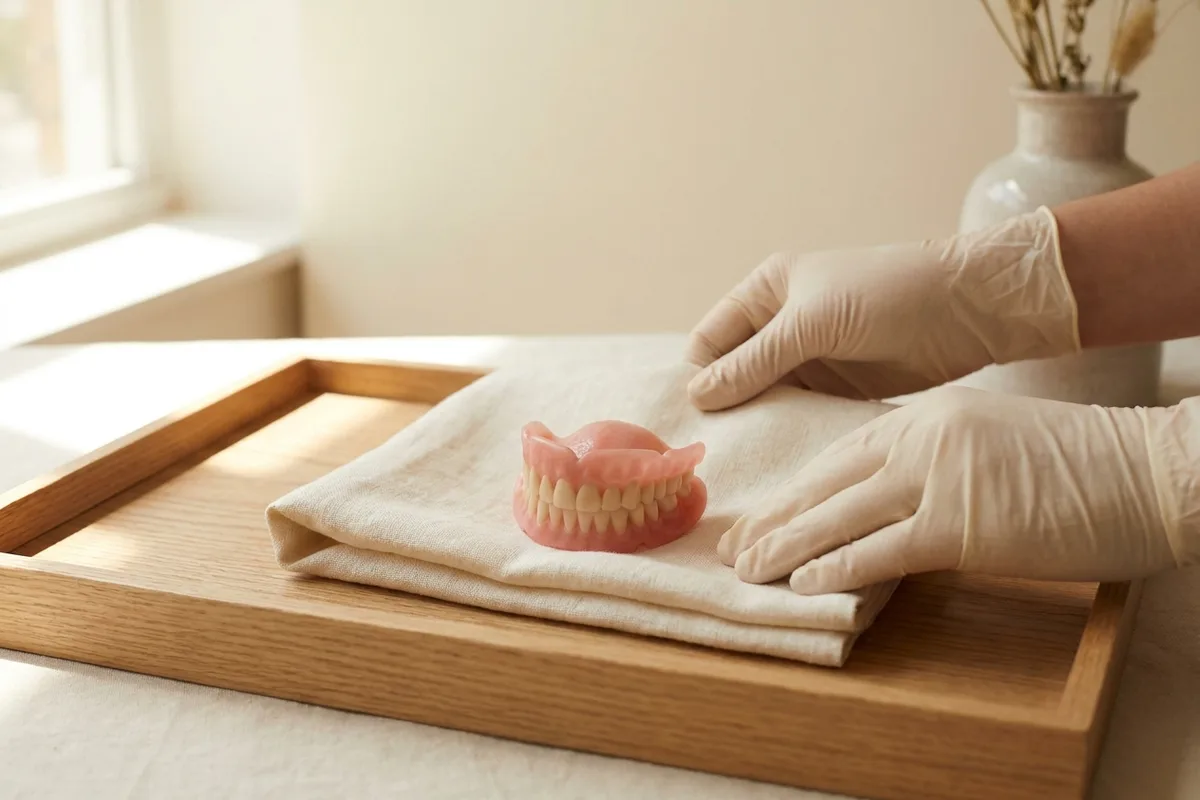
Missing teeth can make eating, speaking, and smiling more difficult. A denture can restore useful function and support appearance, although it may feel different from natural teeth.
A partial must also work with the remaining teeth and gums. The plan balances these needs with cleaning, maintenance, and your preferences.
Replacing teeth can support speech, appearance, and food choices, but a new appliance takes practice. The tongue and cheeks need to adapt to its shape. A partial denture also affects the teeth that support it, so their condition matters. The aim is an appliance you can use and clean, with a clear plan for adjustments.
- An existing denture that moves when you try to chew.
- Several missing teeth that limit practical replacement choices.
- A changing extraction site that affects an appliance's fit.
Concerns to Bring Up
Tell us about loose or broken dentures, sore spots, chewing difficulties, and any changes in speech or fit. If you still have natural teeth, their health matters to the design. A denture that becomes uncomfortable may need adjustment or replacement rather than more adhesive or an improvised repair.
Explain which foods are difficult, whether an existing denture slips, and where it causes soreness. The dentist checks the mouth as well as the appliance. A persistent sore area needs assessment even if you believe the denture caused it. Remaining teeth must also be checked for decay, gum disease, and their suitability as supports.
- Explain whether you can insert and remove the proposed design.
- Describe sore areas before assuming the appliance needs more adhesive.
- Discuss the health of teeth that would support a partial.
When to Plan Dentures
Planning can begin before extractions when an immediate denture is being considered, or after tissues have healed for a conventional approach. Gums and bone change during healing, so fit may need adjustment. We explain the likely stages and whether a temporary appliance is part of your plan.
If extractions are part of the plan, ask about replacement during healing. An immediate denture may fit at the extraction visit, but the gums and bone change afterward. Adjustments, relining, or a later replacement may be needed. A conventional denture made after healing follows a different sequence. The right approach depends on your needs and treatment choices.
The Evaluation Process
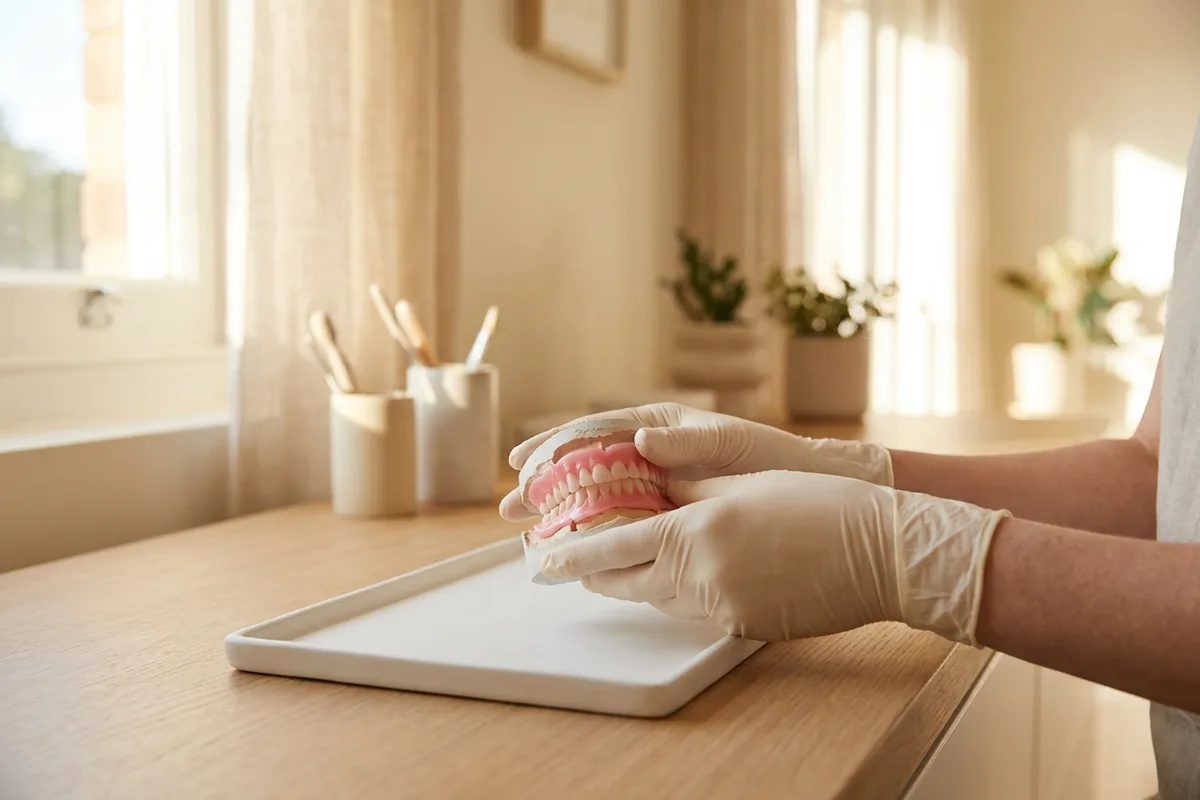
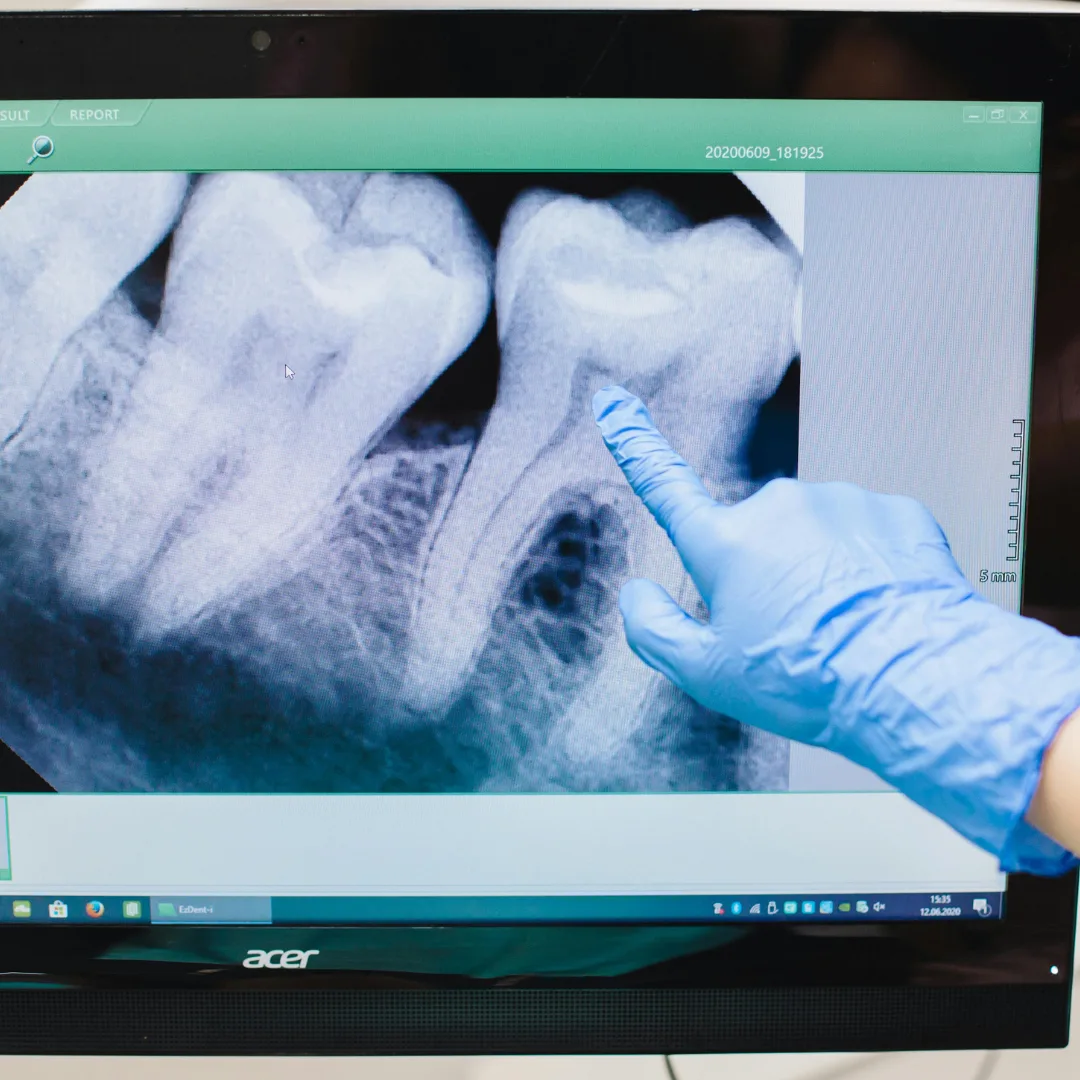
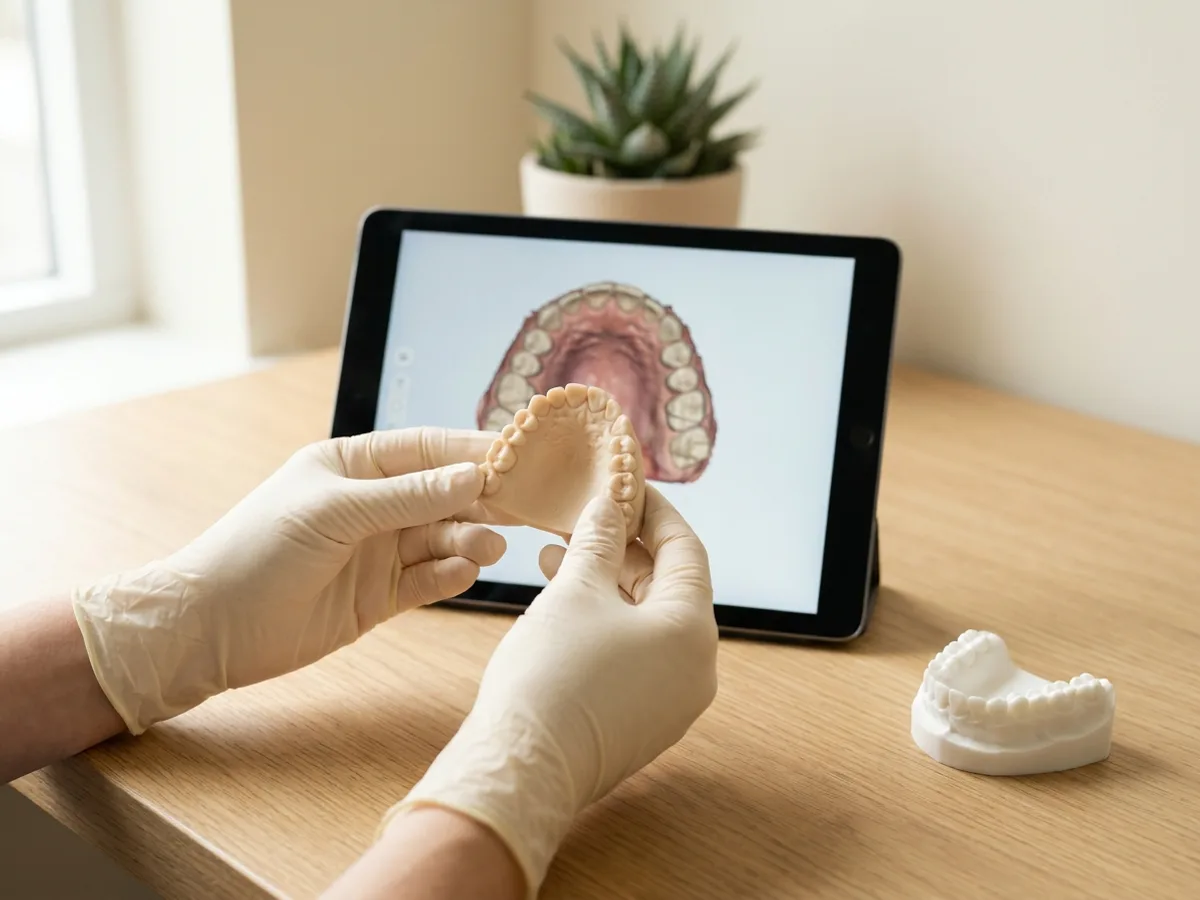
We examine the remaining teeth, gums, supporting ridges, and bite, and review relevant health history. Impressions or scans and measurements help establish fit, tooth position, and appearance. We discuss expectations for chewing and adaptation, as well as whether tooth-supported or implant-supported alternatives may be suitable.
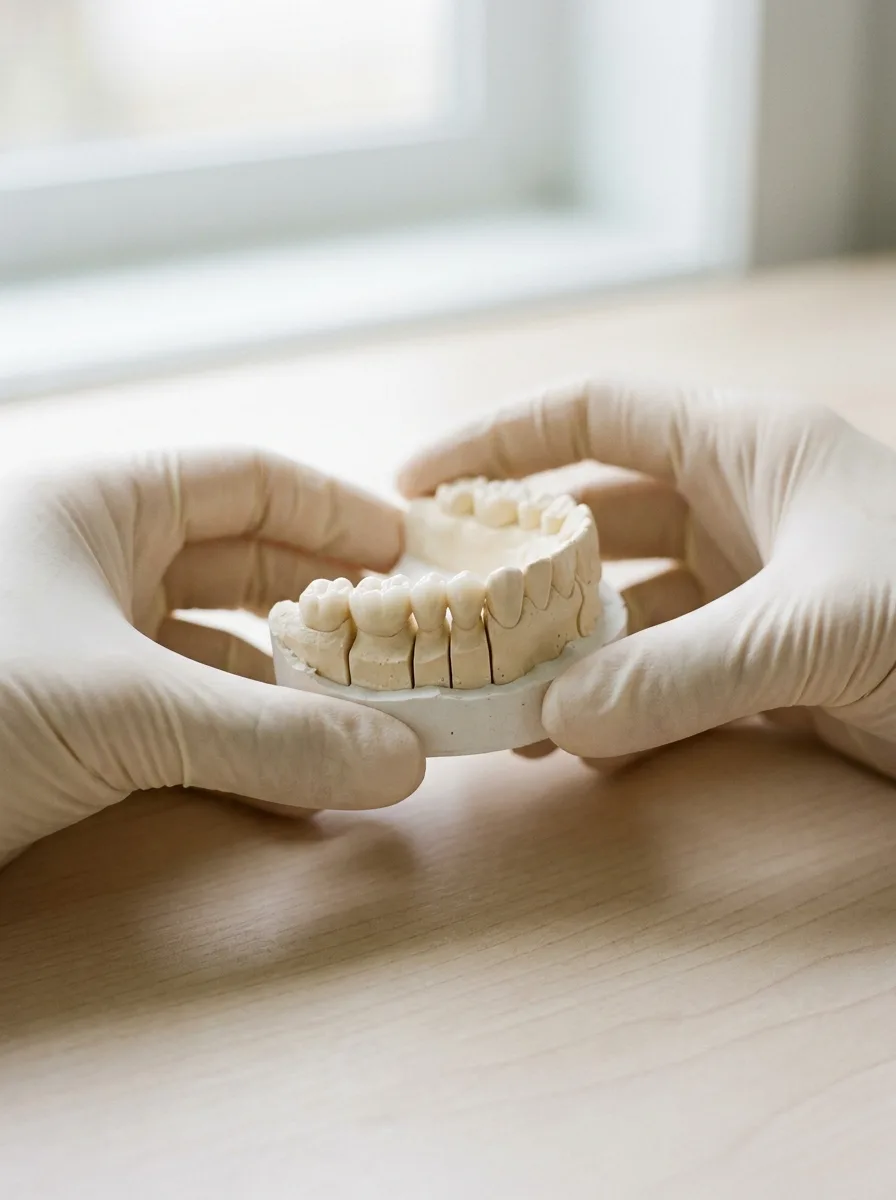
Records can include impressions or scans, the way your jaws meet, and the shape and position of the proposed teeth. A trial stage may help assess appearance and speech before completion. Discuss tooth display and comfort at that stage. The dentist also checks the available space and whether the design leaves a practical way to clean supporting teeth.
Dr. Li assesses joint stability and jaw relationships before planning the replacement teeth. Joint findings guide the sequence of care and the records used to design the appliance.
- Check how jaw records affect the proposed tooth position.
- Review speech and tooth display during any trial stage.
- Identify the surfaces and attachments you must clean separately.
Denture Options and Fitting
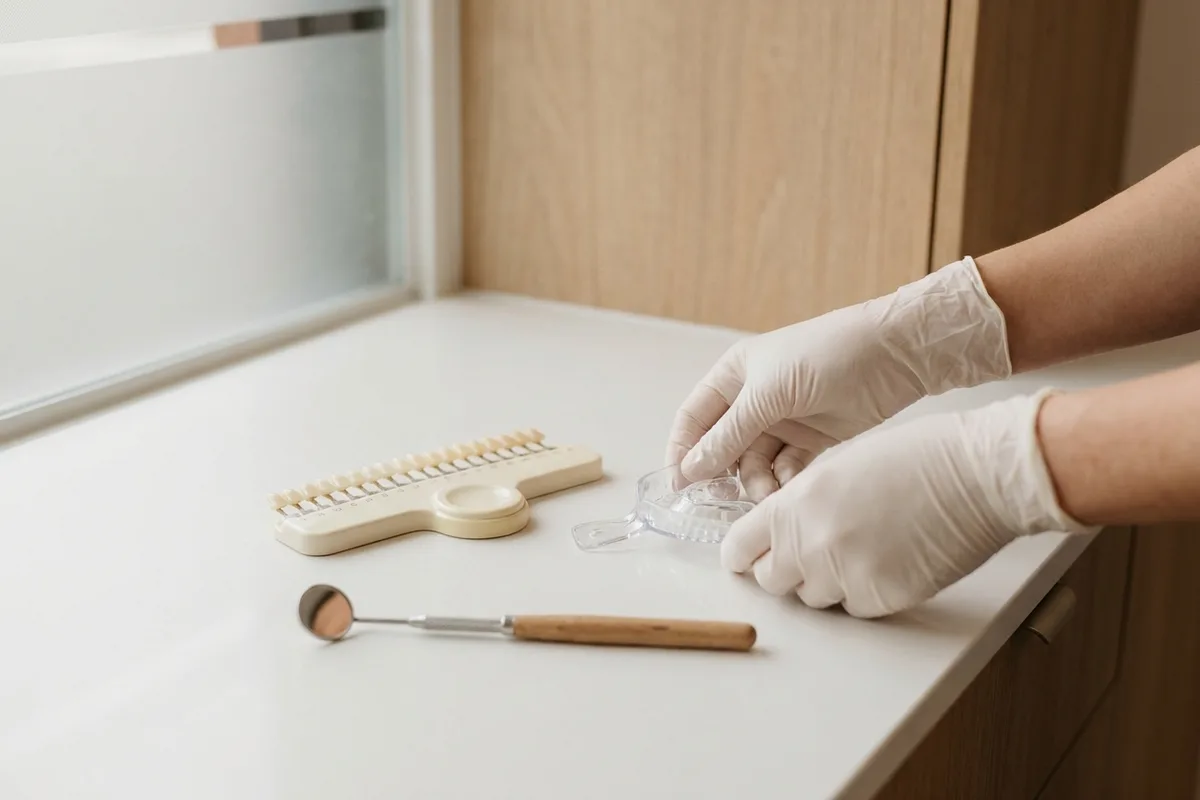
Options include complete dentures, removable partials, and selected implant-supported designs. Fitting may involve several appointments and a trial stage to review appearance and bite.
Adjustments after delivery are common. Let us know where pressure or movement occurs so changes can be made to the appliance appropriately.
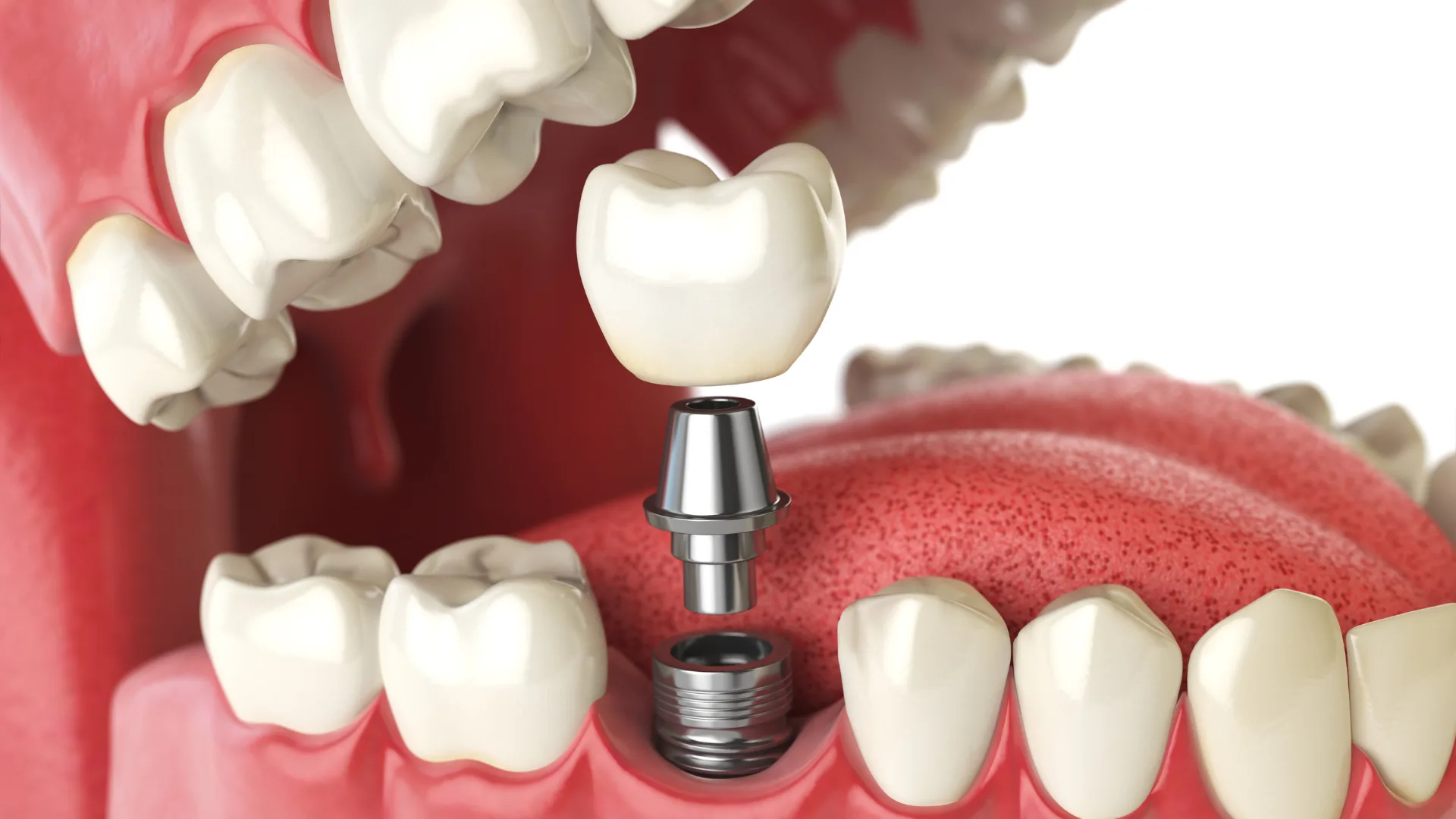
Conventional removable designs and implant-supported options have different stability, surgical requirements, and maintenance costs. Ask whether you will remove the appliance yourself and how its attachments need care. Adhesive can help selected wearers, but should not hide a damaged appliance or persistently poor fit. An unstable denture may need adjustment rather than more adhesive.
Daily Care and Follow-Up
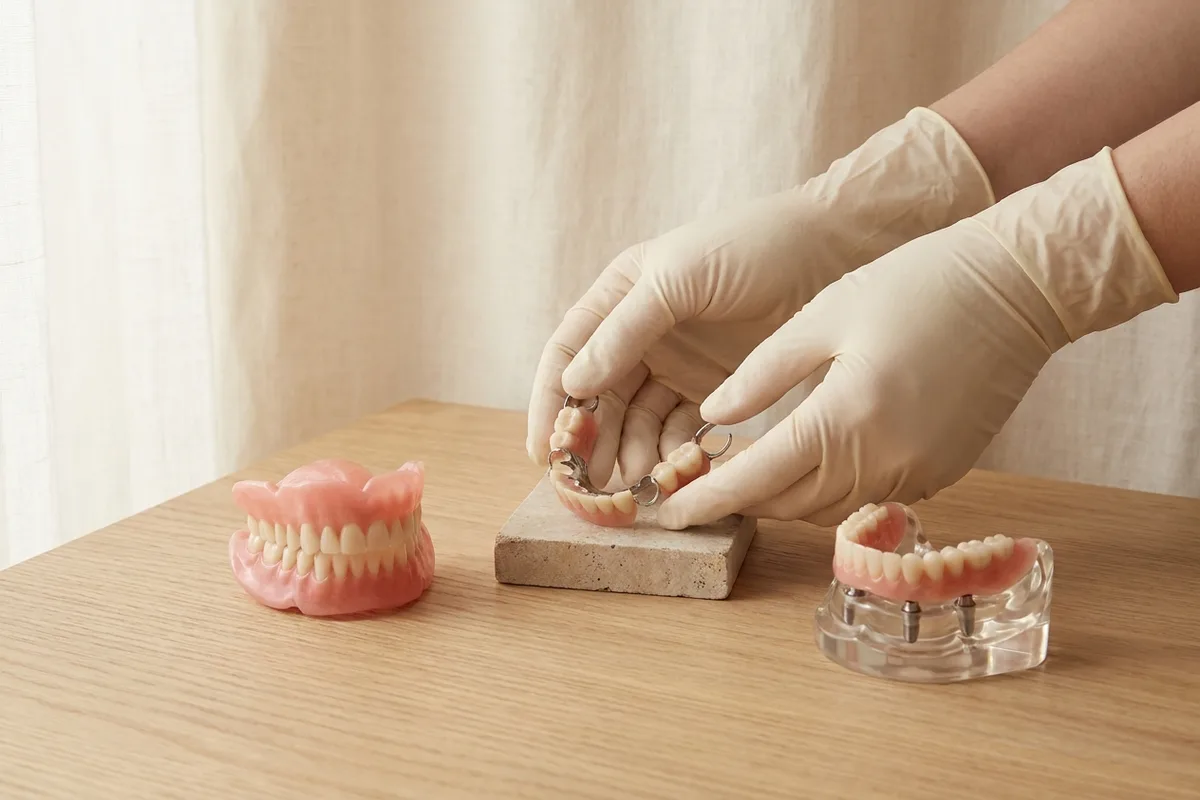
Clean dentures and oral tissues each day, follow instructions about storage and removal, and keep review appointments. Most removable dentures should be taken out during sleep unless directed otherwise.
Never bend clasps or repair an appliance yourself. Persistent soreness, looseness, or a damaged denture needs professional attention.
Clean the appliance and the mouth separately with the recommended methods. Hot water or unsuitable abrasive products can damage some materials. Follow your dentist's advice about removal at night and storage. Do not file the denture yourself. Bring it for review if it cracks, becomes loose, or causes sores, and keep regular examinations even without natural teeth.
- Handle the appliance over a protected surface during cleaning.
- Ask which storage method suits the specific denture material.
- Bring the denture for review rather than filing a sore area.
Your Denture Planning and Fitting
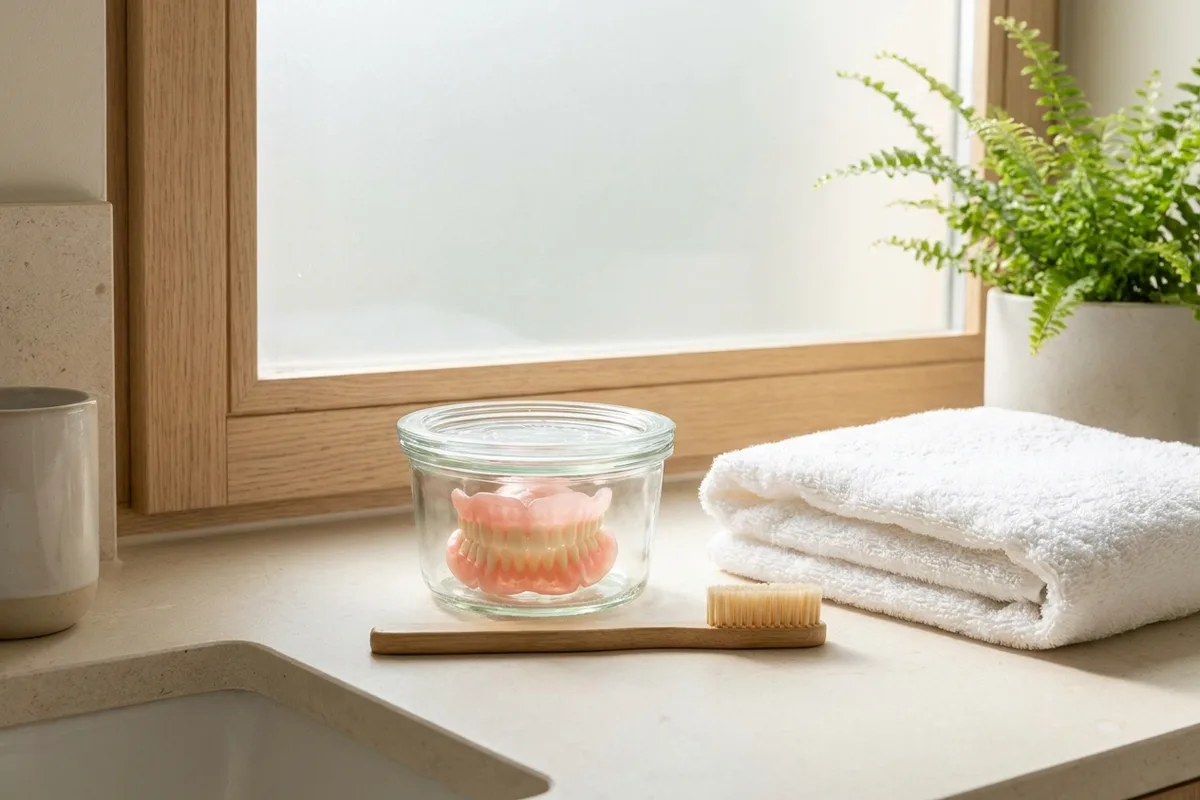
Extractions, tissue healing, fabrication, and adaptation can require several appointments. The plan explains temporary arrangements and likely adjustment needs.
- 1
Assess support and replacement goals
The dentist checks the gums, remaining teeth, existing appliance, and practical concerns to discuss a suitable removable design or alternative.
- 2
Record and try the proposed design
Records establish fit, tooth position, and jaw relationships. A trial stage may allow discussion of appearance and speech before completion.
- 3
Fit and adjust during adaptation
The completed appliance is checked in the mouth. Follow-up addresses pressure areas, stability, cleaning, and later changes in the supporting tissues.
Services
Other treatments we offer
Make your Nova smile a reality.
Join our family of happy, healthy smiles today and experience the Nova Smile difference!
Questions, answered
About us
Why patients choose Nova Dental Studio
At Nova Dental Studio in Irvine, Dr. Nova Li addresses your immediate concern first. Before broader treatment planning, she assesses joint stability, muscle function, and jaw movement to decide the sequence of care.
Preserve what is healthy
We consider conservative options and the reasons behind damage before recommending how to repair a tooth.
Joint stability first
Dr. Li assesses joint stability and jaw movement before broader restorative, cosmetic, or Invisalign planning. Joint concerns that need care guide what comes first.
Start with your concerns
We explain the immediate priority, the wider picture, and the options that fit your goals.
Nova Dental Studio Proudly Holds Active Memberships






Visit us
We're waiting for you in Irvine
Find our office on the third floor right next to the elevators!
113 Waterworks Way Ste. 335
Irvine, CA 92618
- Mon–Fri
- 9:00AM – 5:00PM
- Sat–Sun
- Closed