
Service
Inlays and Onlays in Irvine, CA
Partial restorations planned around the remaining tooth structure and how the repaired tooth meets your bite.
What You Need to Know
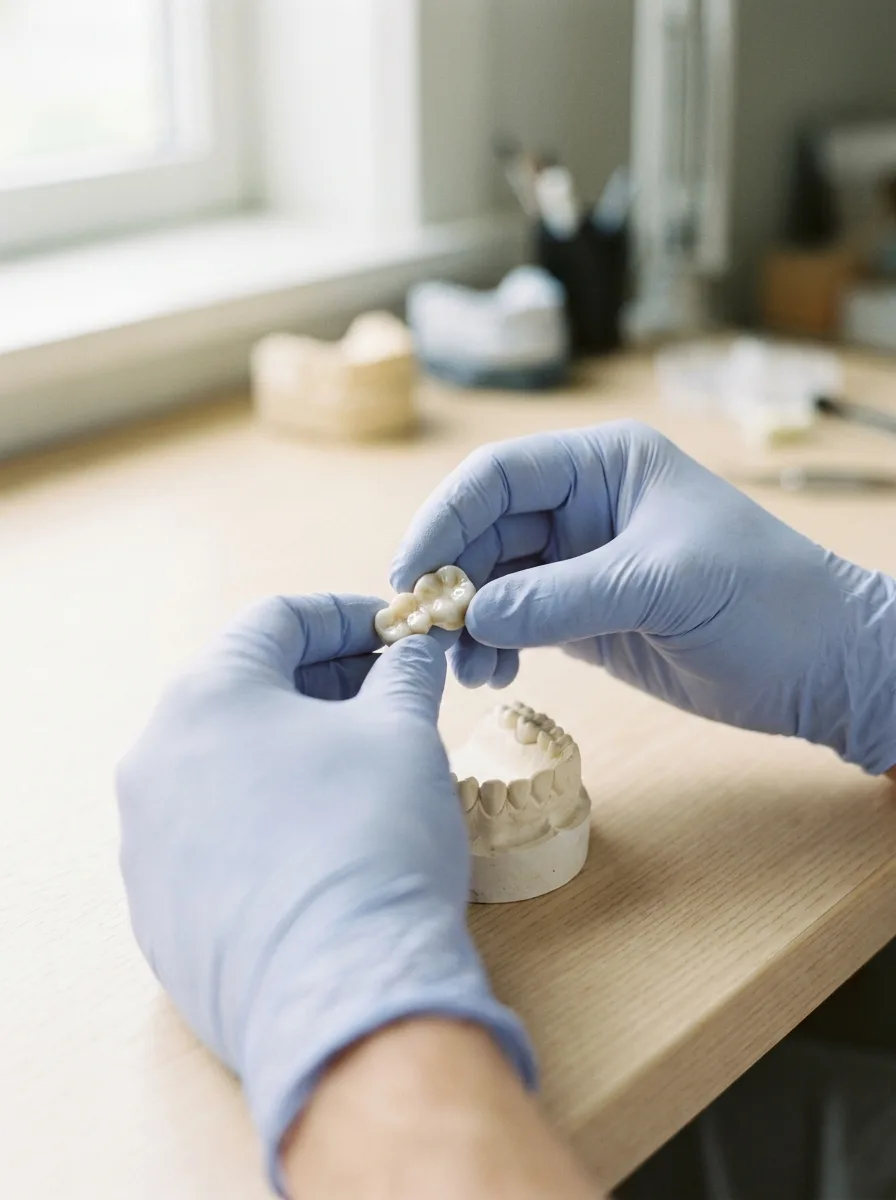
Inlays and onlays are custom restorations for a tooth with damage too extensive for a straightforward filling but not necessarily requiring a full crown. An inlay fits within the chewing surface; an onlay also covers one or more cusps. They aim to restore function while retaining suitable healthy tooth structure.
Cusps are the raised points that help a tooth break down food. If a cusp becomes thin or cracked, the restoration may need to cover it rather than fill only the central defect. The dentist considers where chewing pressure falls and which walls remain strong. This assessment helps define the extent of a partial repair.
Why They May Be Considered
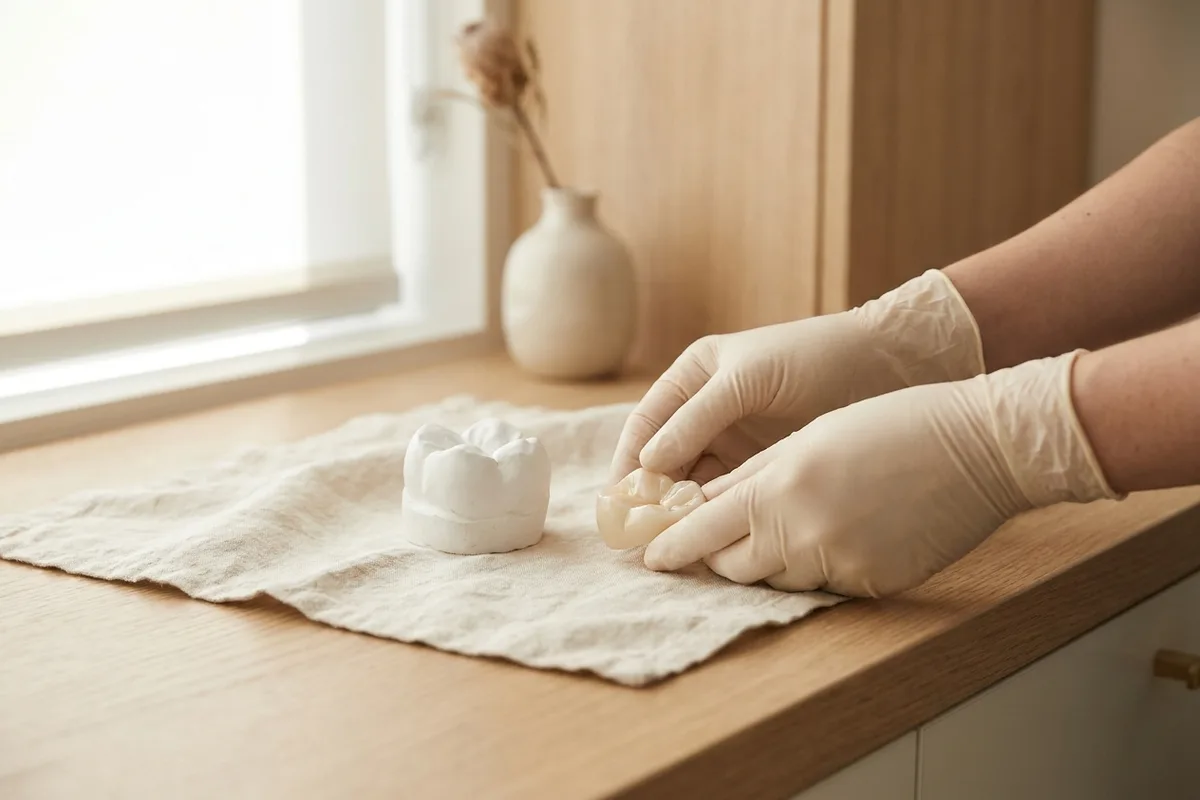
A large old filling, fractured cusp, or area of decay can leave a tooth difficult to restore predictably with another direct filling. Partial coverage may be an option when enough healthy structure remains. The design depends on the location of the damage and the forces placed on the tooth.
A large old filling may leave thin walls that flex or fracture under chewing pressure. Covering a vulnerable cusp can be useful when a conventional filling would not provide enough support. However, not every large filling needs replacement. The dentist checks for decay, cracks, leakage, and symptoms before recommending a new restoration.
- A fractured cusp beside an otherwise repairable tooth surface.
- A large old filling that leaves thin supporting walls.
- Repeated repairs that no longer provide a dependable tooth shape.
Symptoms and Changes to Discuss
Mention pain on biting, a chipped chewing surface, a loose filling, or food catching around a restoration. These changes can have several causes, including decay or cracks. The extent of a crack is especially important because some teeth need a different treatment or cannot be predictably repaired.
Pain when biting, a broken edge, or repeated food trapping can justify assessment. These signs do not establish how deep a crack extends or whether the tooth can be restored. Gum support, the condition of the nerve, and the ability to isolate the tooth also affect suitability. Some teeth need another treatment before a partial restoration.
- Describe whether pain occurs on biting or releasing pressure.
- Point out food trapping beside the damaged tooth contact.
- Discuss any temporary restoration needed while laboratory work proceeds.
When to Plan a Restoration
Damaged teeth should be assessed before the problem grows or the remaining structure fractures. The number of visits depends on how the restoration is made. If a temporary restoration is needed, we explain how to protect it while the custom inlay or onlay is being completed.
Discuss any planned whitening before the final shade is selected. If a laboratory stage is needed, the tooth may require temporary protection between appointments. Ask how to eat and clean around that temporary restoration. If it loosens or breaks, contact the office rather than leaving the prepared tooth unprotected until the fitting visit.
The Evaluation Process
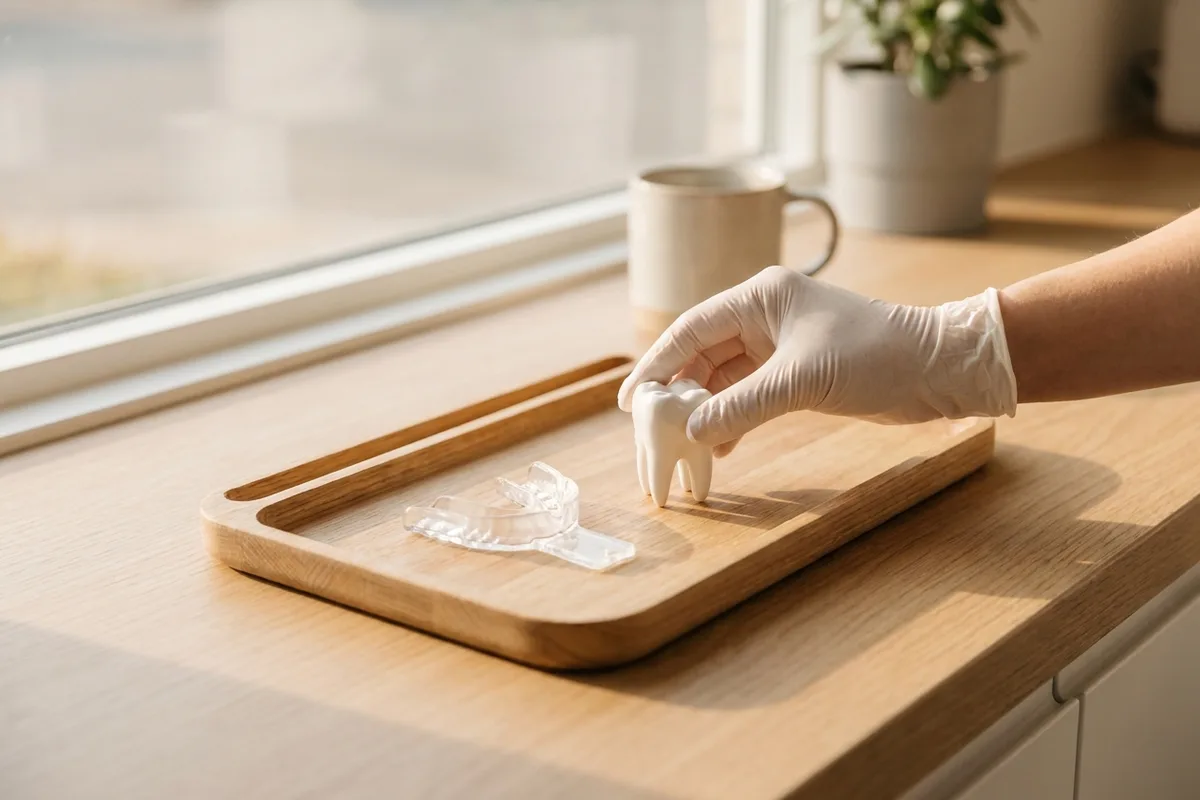
We examine the tooth, check the bite, and use imaging when needed to assess decay and surrounding structures. We discuss remaining tooth strength and whether the nerve is affected. Those findings help determine whether a filling, partial coverage restoration, crown, or another approach is appropriate.
The dentist assesses the size of the damaged area, the strength of the cusps, and your bite. Imaging may help identify decay or changes around the roots. A final decision sometimes becomes clearer after an old restoration is removed. The team should explain in advance how unexpected findings could change the planned repair.
When partial coverage forms part of broader restorative care, Dr. Li first assesses jaw-joint stability and movement. Those findings guide the sequence before the tooth’s final shape and bite contacts are planned.
- Check which cusps need coverage and which remain sound.
- Assess the repair margin's accessibility for bonding and cleaning.
- Review the opposing tooth contacts before selecting the restoration design.
What Treatment Involves
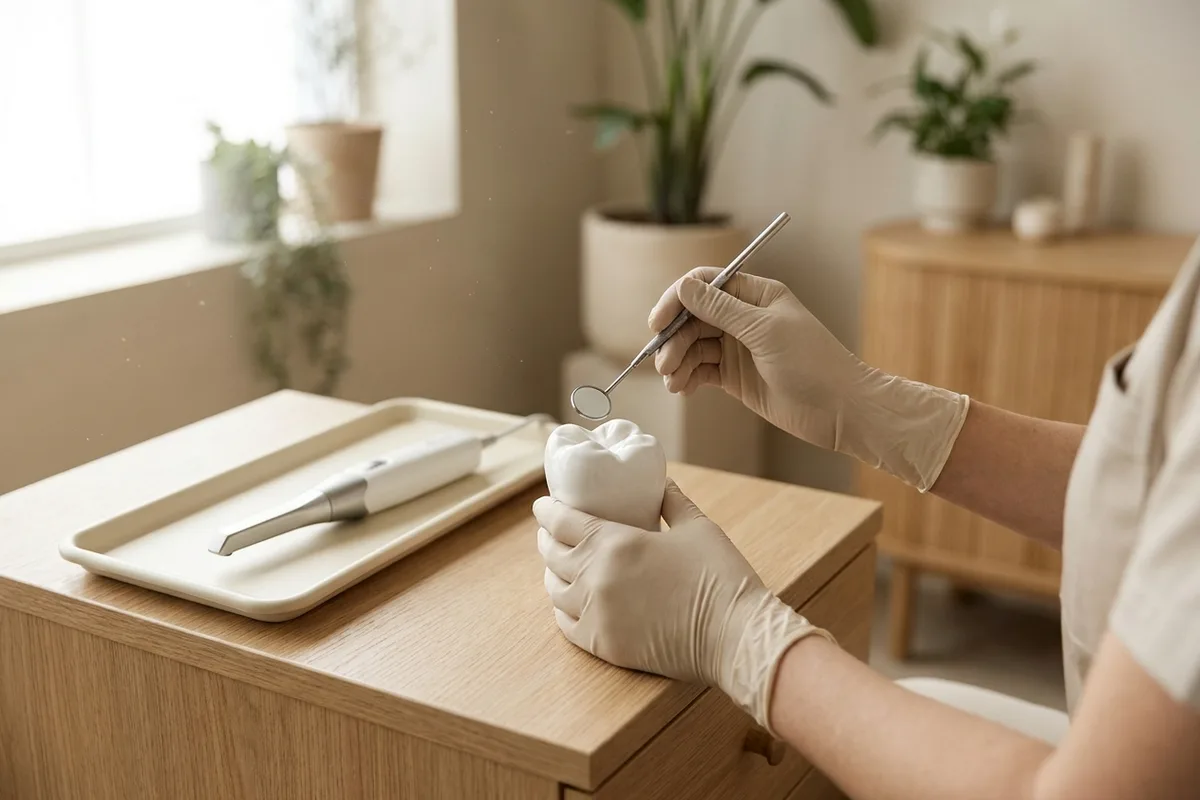
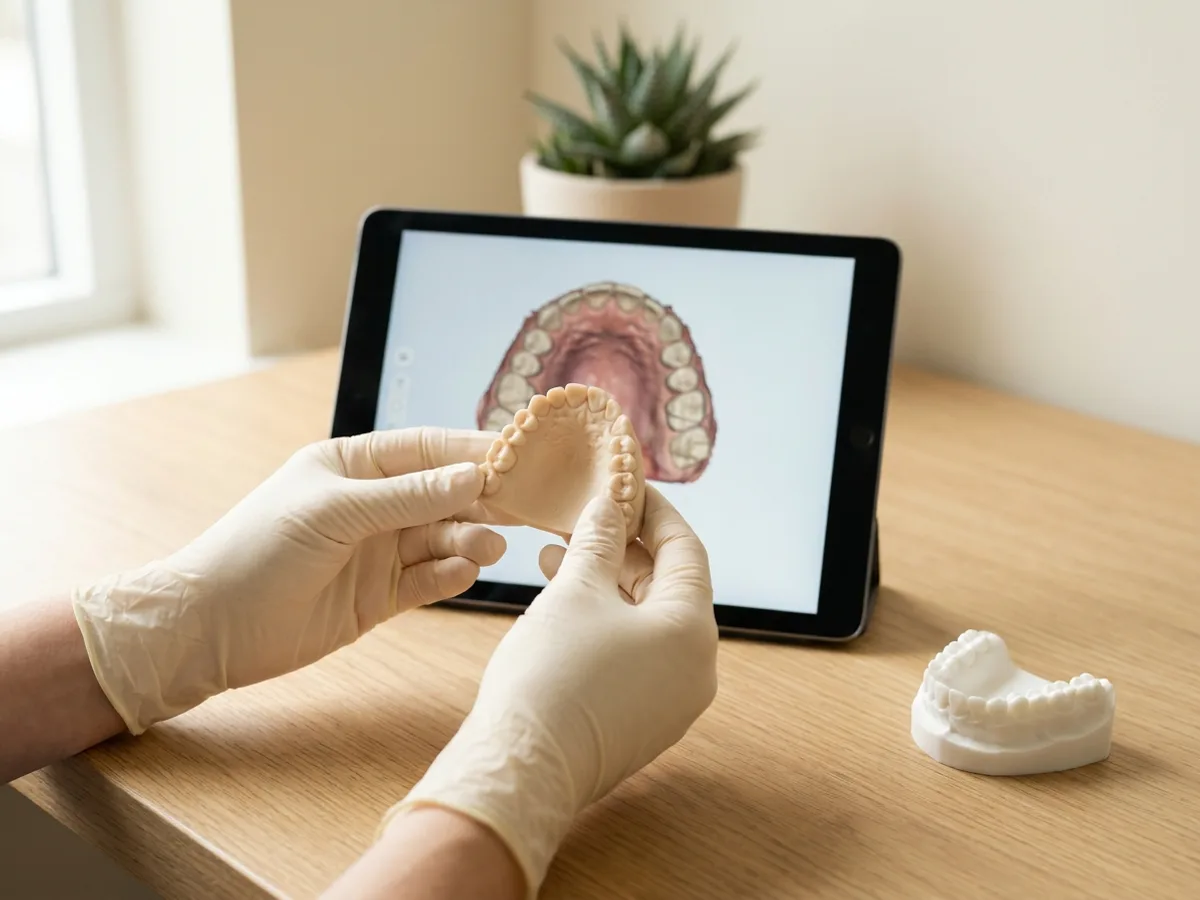
The damaged or decayed area is prepared, and an impression or digital scan records the tooth’s shape. The custom restoration is checked for fit, contacts, appearance, and bite before bonding or cementation. Material and design are chosen according to tooth location, available structure, and your treatment priorities.
Treatment can include removing damaged material, shaping the tooth for the chosen restoration, and taking an impression or scan. At fitting, the clinician checks the margins, contacts with neighboring teeth, and bite before securing the restoration. Material choice affects appearance, bonding, and maintenance. Ask why the recommended design suits the location and forces on your tooth.
Caring for an Inlay or Onlay
Avoid stressing a temporary restoration and follow any instructions after final placement. Brush and clean between teeth daily; decay can still develop around restoration margins.
Report persistent sensitivity, a high bite, or a loose restoration. Regular examinations help monitor the restored tooth and whether a protective appliance may be useful.
Clean the restoration margins and the spaces on each side daily. The repaired tooth can still develop decay, especially where natural tooth and restoration meet. Report persistent sensitivity, pain on chewing, a rough edge, or a bite that feels high. If grinding contributes to damage, ask whether a protective appliance belongs in your plan.
- Ask how to clean beside a temporary restoration safely.
- Report a new rough contact that repeatedly catches floss.
- Bring a displaced temporary piece when you attend for review.
Your Inlay or Onlay Stages
The design depends on the remaining tooth structure. Preparation, fabrication, and fitting can involve separate appointments and temporary protection.
- 1
Assess the cusps and repair
The dentist examines the defect, existing restoration, symptoms, and bite to decide whether partial coverage can provide suitable support.
- 2
Prepare and record the tooth
Damaged material is removed as appropriate, and records guide the chosen restoration. Temporary protection may be needed while a restoration is fabricated.
- 3
Fit and review the restoration
The clinician checks margins, contacts, appearance, and bite before securing the restoration. You receive cleaning advice and instructions for persistent symptoms.
Services
Other treatments we offer
Make your Nova smile a reality.
Join our family of happy, healthy smiles today and experience the Nova Smile difference!
Questions, answered
About us
Why patients choose Nova Dental Studio
At Nova Dental Studio in Irvine, Dr. Nova Li addresses your immediate concern first. Before broader treatment planning, she assesses joint stability, muscle function, and jaw movement to decide the sequence of care.
Preserve what is healthy
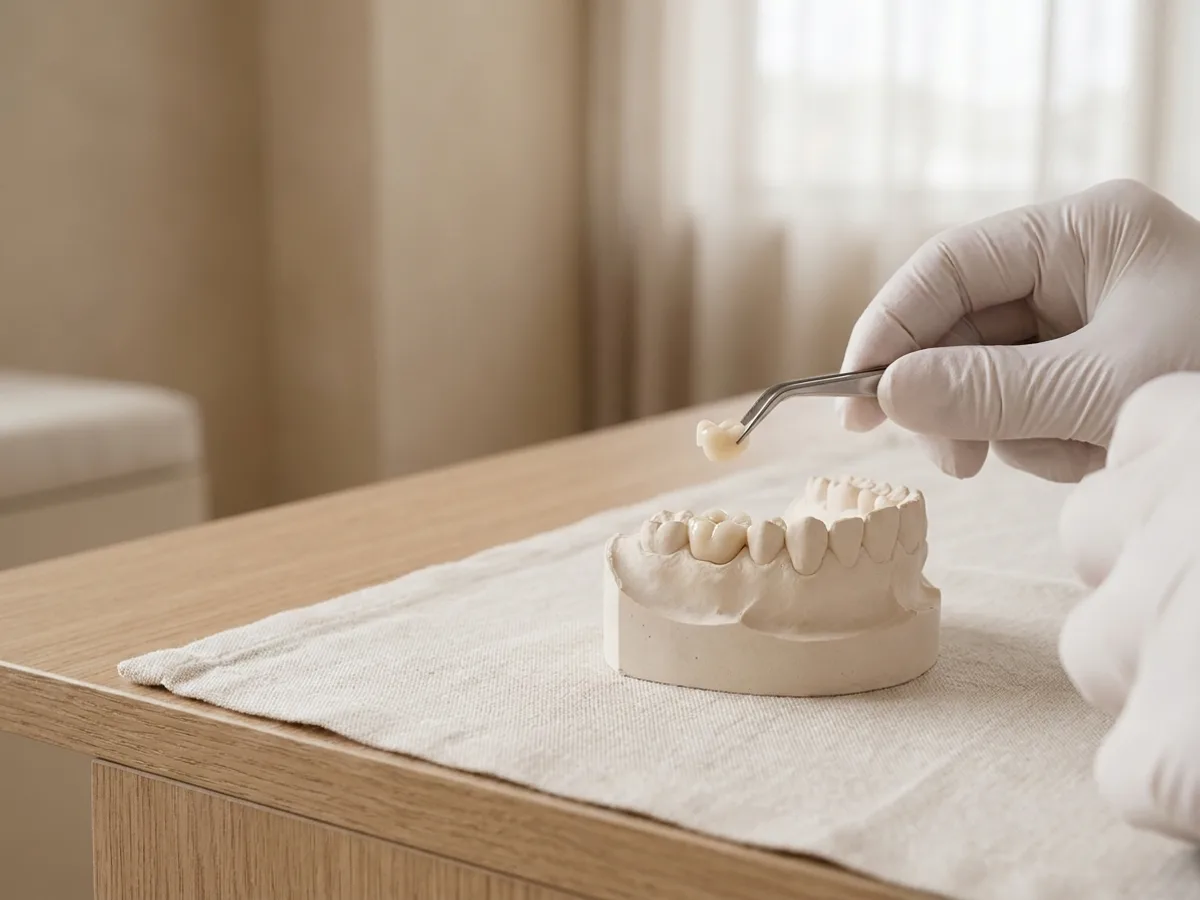
We consider conservative options and the reasons behind damage before recommending how to repair a tooth.
Joint stability first
Dr. Li assesses joint stability and jaw movement before broader restorative, cosmetic, or Invisalign planning. Joint concerns that need care guide what comes first.
Start with your concerns
We explain the immediate priority, the wider picture, and the options that fit your goals.
Nova Dental Studio Proudly Holds Active Memberships





Visit us
We're waiting for you in Irvine
Find our office on the third floor right next to the elevators!
113 Waterworks Way Ste. 335
Irvine, CA 92618
- Mon–Fri
- 9:00AM – 5:00PM
- Sat–Sun
- Closed