
Service
Deep Cleaning in Irvine, CA
Periodontal care for deposits below the gumline, with assessment and follow-up guided by your gum health.
What You Need to Know
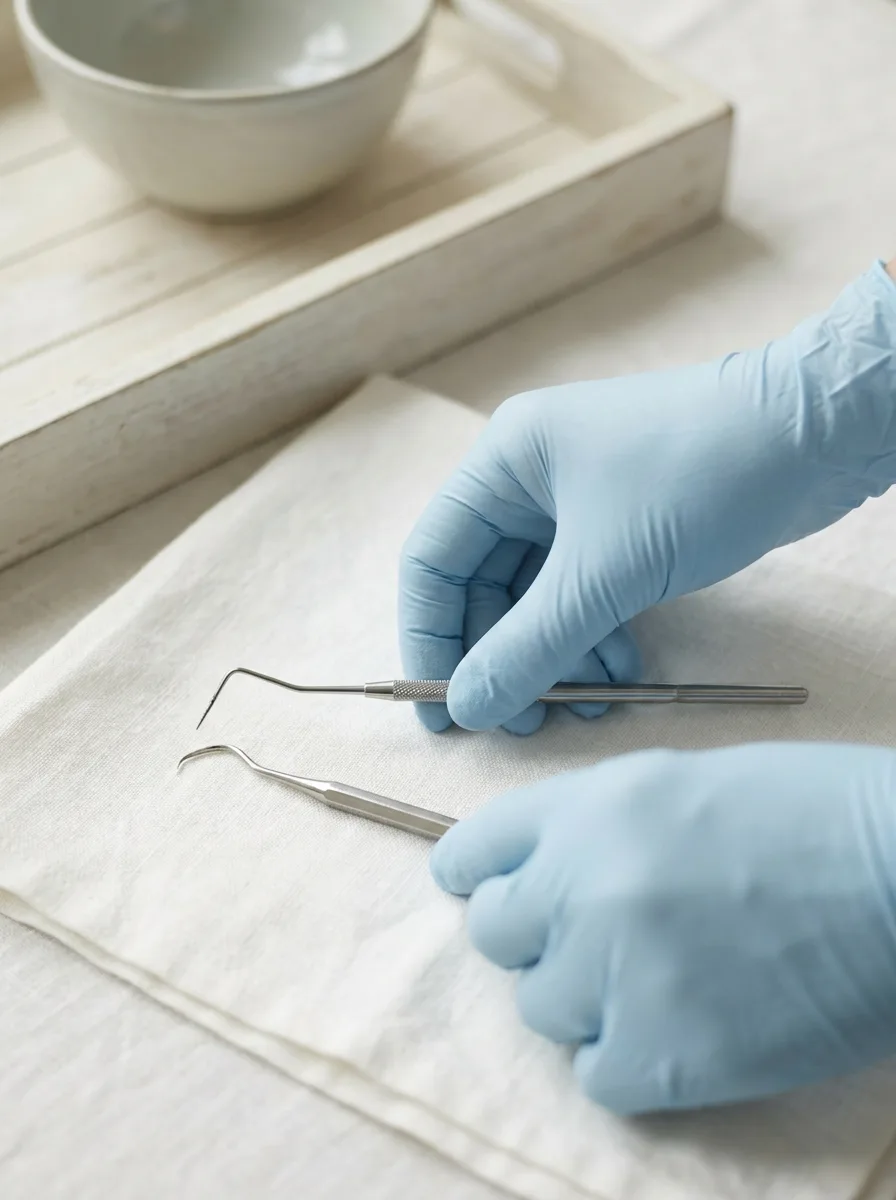
Deep cleaning, also called scaling and root planing, is a nonsurgical treatment for periodontal disease. It removes plaque and tartar below the gumline and along root surfaces. The goal is to reduce inflammation and help manage the infection affecting the tissues that support your teeth.
Periodontitis affects the tissues and bone that support teeth. Bacterial deposits below the gumline contribute to inflammation, and deeper pockets can make home cleaning more difficult. Scaling and root planing removes deposits from affected root surfaces. It is part of disease management, rather than an intensive version of a cosmetic polish for every patient.
Why Gum Disease Needs Treatment
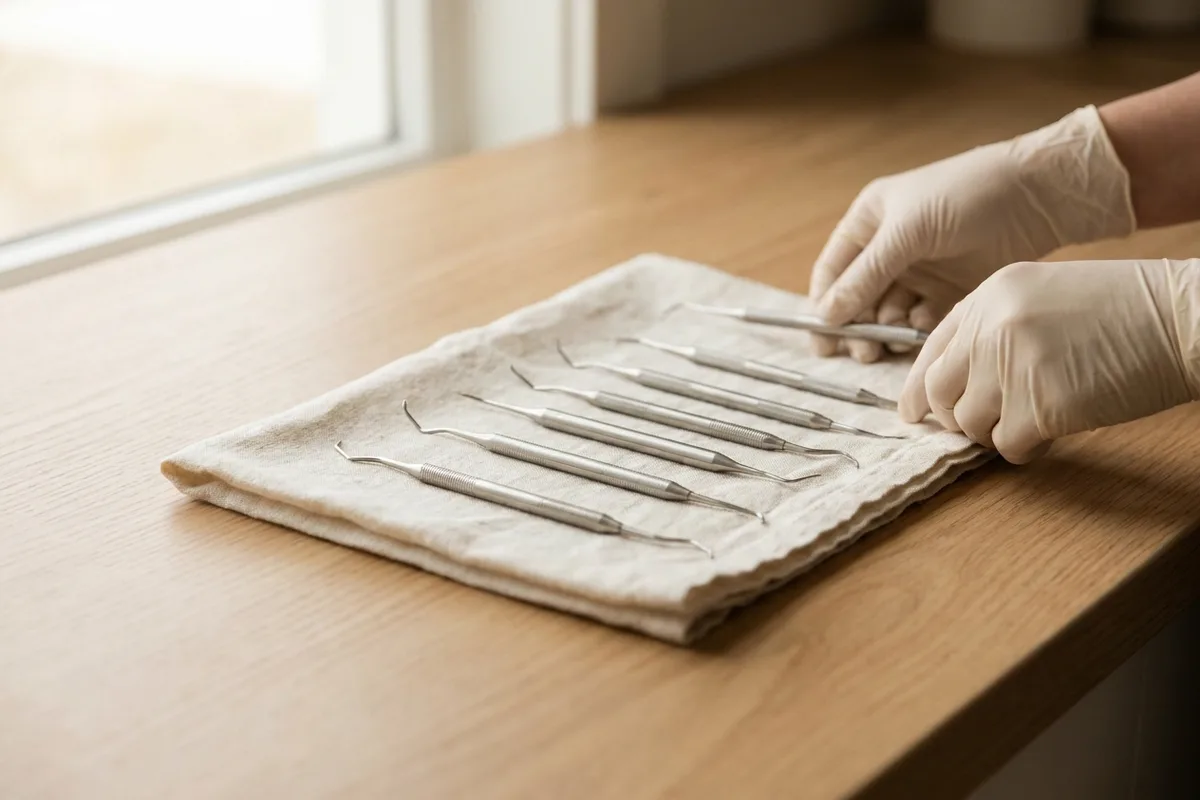
Periodontal disease can create pockets between the teeth and gums and lead to loss of supporting bone. A routine cleaning may not adequately reach deposits in those pockets. Deep cleaning addresses the affected areas, while ongoing home care and maintenance help control the factors that allow inflammation to return.
Reducing inflammation helps create conditions for the gums to heal and for daily cleaning to work better. Treatment cannot promise to replace all lost bone or restore every loose tooth. Tobacco use, diabetes, and other factors can affect disease control. Discuss these factors with the team so they can explain realistic goals and ongoing support.
- Bleeding sites that remain inflamed despite improved daily cleaning.
- Deeper pockets where deposits collect beyond ordinary home access.
- Changes in tooth support documented across earlier dental records.
Signs to Mention
Bleeding, swollen gums, bad breath, gum recession, or loose teeth should be evaluated. Gum disease may progress with little pain, so symptoms alone do not show its severity. Let us know about smoking, diabetes, and previous periodontal treatment, since these can affect risk and the treatment plan.
Some people notice bleeding, persistent bad breath, recession, or teeth that feel different when chewing. Others have disease without obvious discomfort. The need for deep cleaning depends on clinical findings such as pocket measurements and supporting bone changes. A symptom or the time since your last cleaning does not establish the diagnosis by itself.
- Discuss diabetes control and other factors affecting tissue healing.
- Explain previous sensitivity during treatment below the gumline.
- Mention a particular tooth that feels increasingly loose when chewing.
When Deep Cleaning Is Recommended
We recommend treatment based on examination findings, including pocket measurements and supporting bone levels. It is not simply a more thorough version of a routine cleaning. Care may be divided into appointments, and your reassessment is planned after the gums have had time to respond.
Treatment may cover selected areas or be divided across visits, depending on disease extent and your comfort. Tell the team about medical conditions, medications, and previous reactions to dental treatment. The dentist explains any specific preparation. Do not stop prescribed medicine or start antibiotics on your own in anticipation of a periodontal appointment.
The Evaluation Process
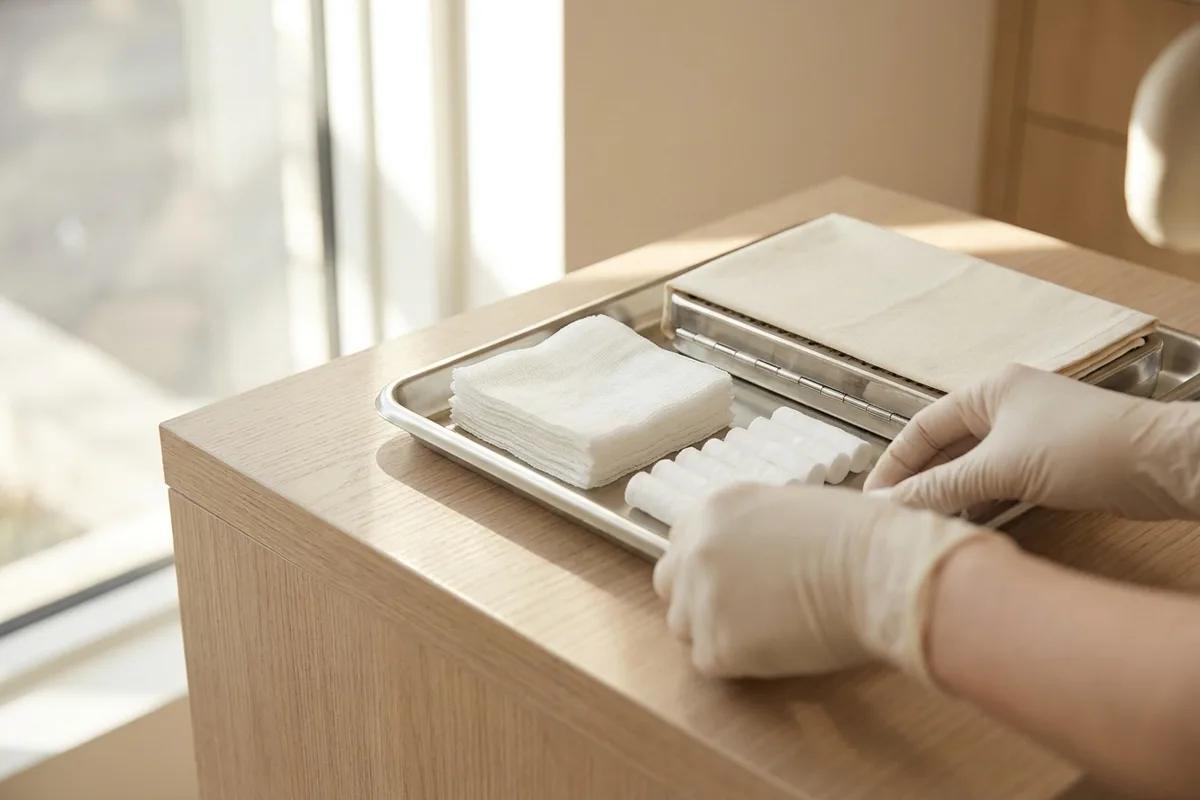
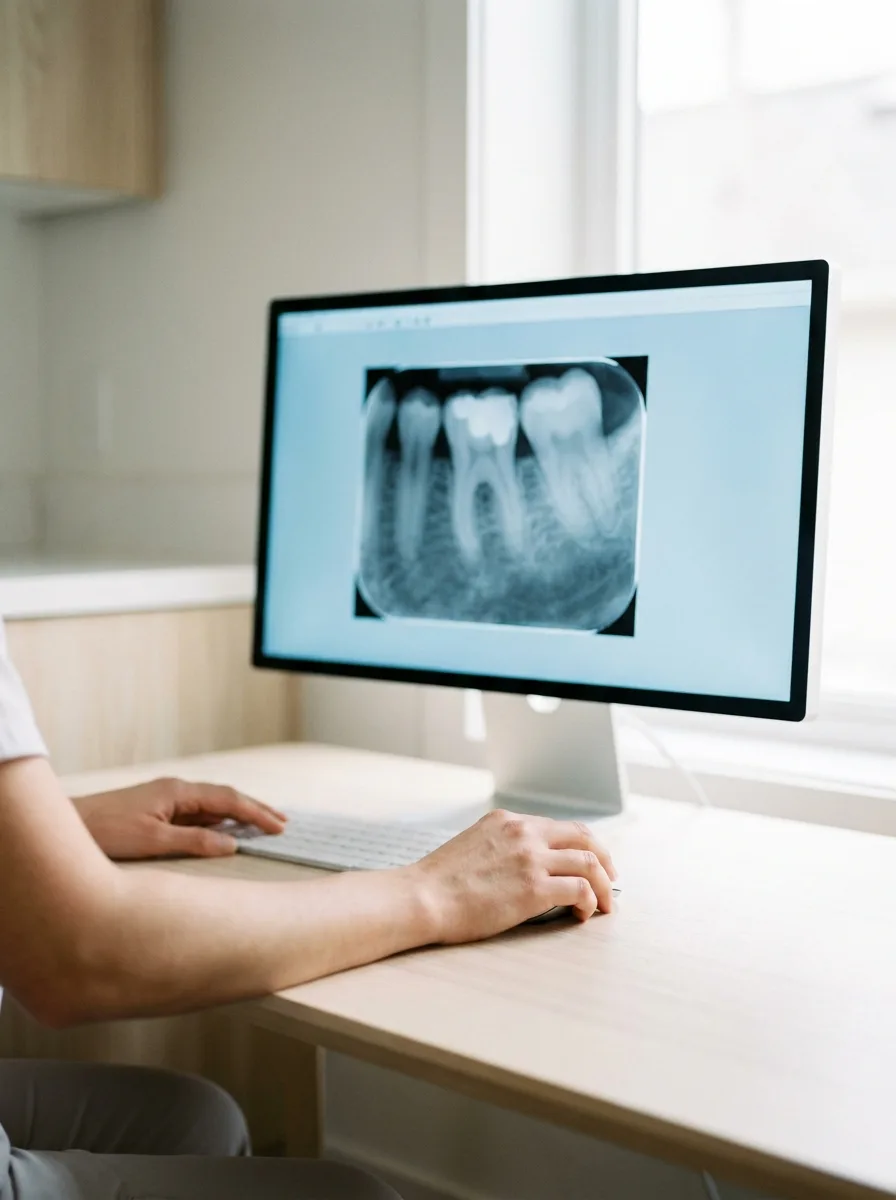
We measure gum pockets, check bleeding and tooth mobility, and review appropriate images for bone changes. Medical history and home care are part of the assessment. We explain which areas need treatment and whether nonsurgical care is a suitable starting point or specialist evaluation is also needed.
The assessment records pocket depths, bleeding, recession, tooth mobility, and radiographic bone levels when imaging is appropriate. Comparing records helps show which areas need active treatment. The dentist also considers whether a tooth has another problem that contributes to discomfort. Advanced or persistent disease may need a periodontist's assessment alongside the proposed nonsurgical care.
Dr. Li considers the factors behind inflammation and the challenges you face with home care. Periodontal treatment addresses gum disease within your wider dental plan.
- Record pocket measurements so response can be compared later.
- Identify sites where root anatomy makes cleaning more difficult.
- Discuss whether persistent disease warrants a periodontist's assessment.
Treatment Options and Comfort
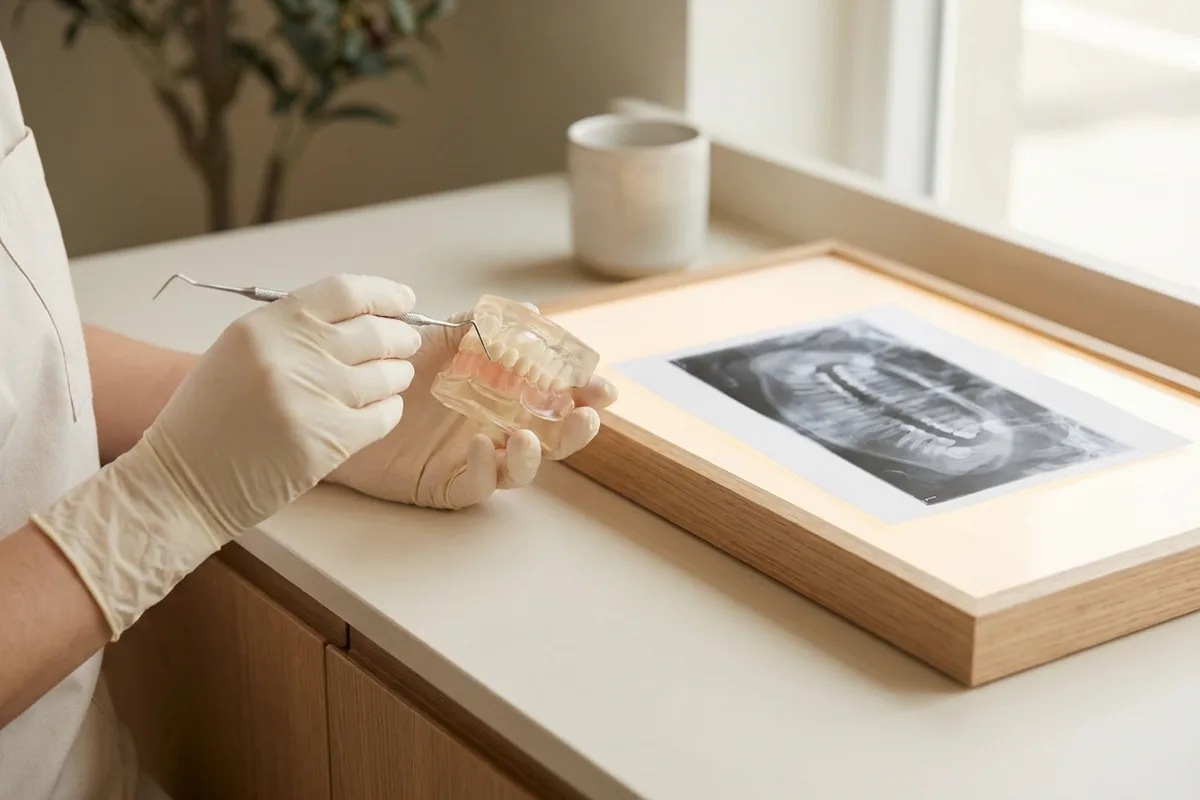
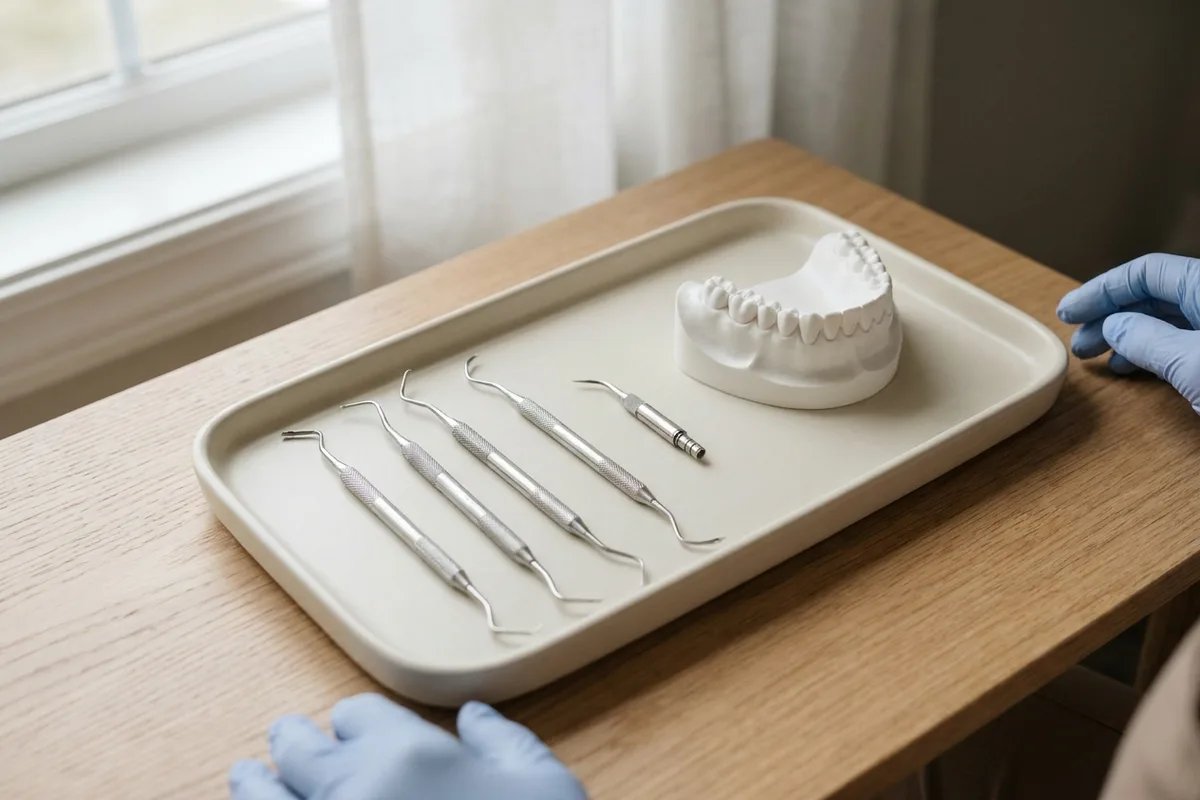
Scaling removes deposits below the gums; root planing cleans affected root surfaces. Local anesthesia may be used for comfort, and treatment can involve more than one visit.
Additional care depends on the findings and response. The plan includes guidance for daily cleaning rather than relying on the procedure alone.
The clinician removes deposits with suitable instruments and may use local anesthesia for comfort. A later reassessment checks how the tissues respond. Some areas improve enough for maintenance, while residual deep pockets may need additional care. An improved appearance immediately after cleaning is useful, but cannot replace the measurements that show whether disease control has improved.
Recovery and Periodontal Maintenance
Tenderness and temporary sensitivity can follow treatment. Follow the instructions given for cleaning and comfort, and attend the reassessment to check healing and pocket depth.
Periodontal maintenance is often needed afterward. Continued deep pockets or inflammation may require further treatment, and lost supporting tissue is not automatically restored by cleaning.
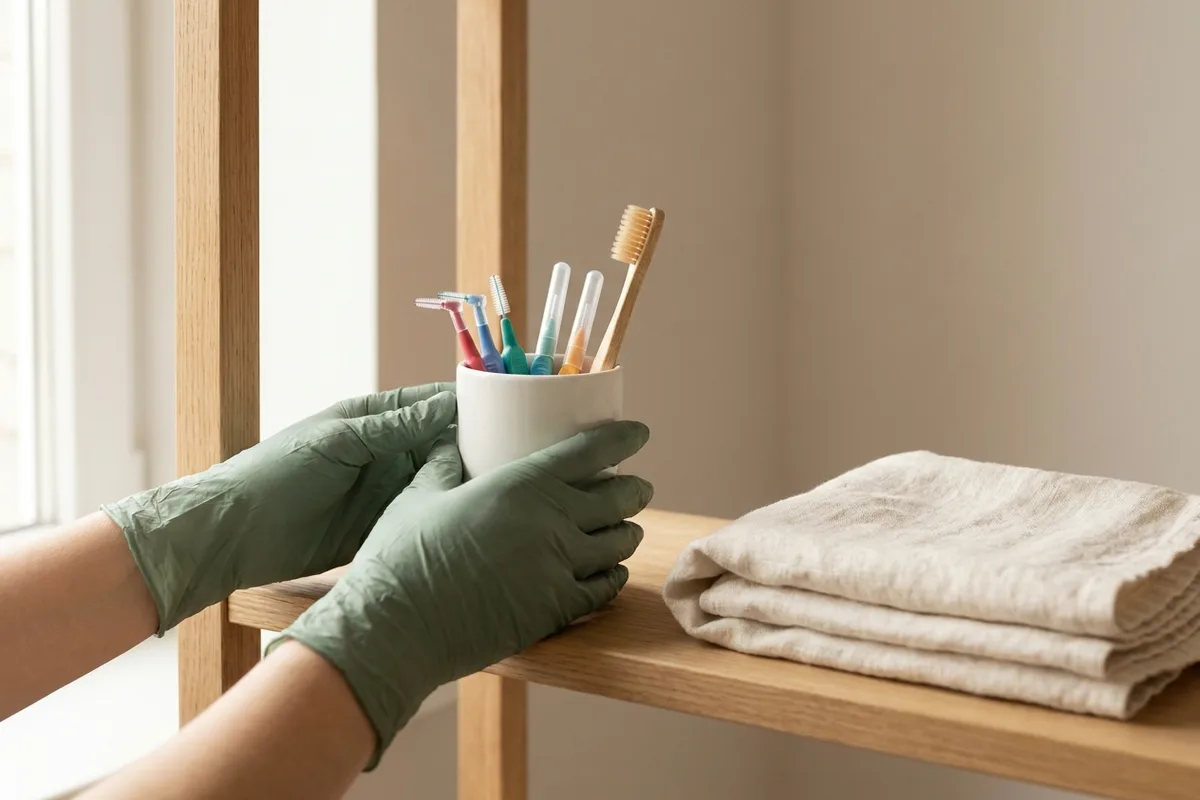
Temporary tenderness, root sensitivity, or a more visible gap between teeth can occur as inflamed gums settle. Follow the cleaning instructions for the treated areas. Periodontal maintenance continues after the initial treatment because the tendency toward disease remains. Report persistent pain, swelling, or worsening mobility, and attend reassessment even if your gums no longer bleed.
- Confirm when the treated pockets will be measured again.
- Ask which interdental tool fits newly accessible spaces comfortably.
- Keep maintenance visits even after obvious gum bleeding settles.
Your Periodontal Treatment Stages
Treatment may involve selected areas or several visits. The response at reassessment determines whether maintenance or additional periodontal care is appropriate.
- 1
Map the affected gum sites
The clinician records pocket depths, inflammation, recession, and relevant supporting-bone findings to establish the areas requiring active periodontal treatment.
- 2
Clean the affected root surfaces
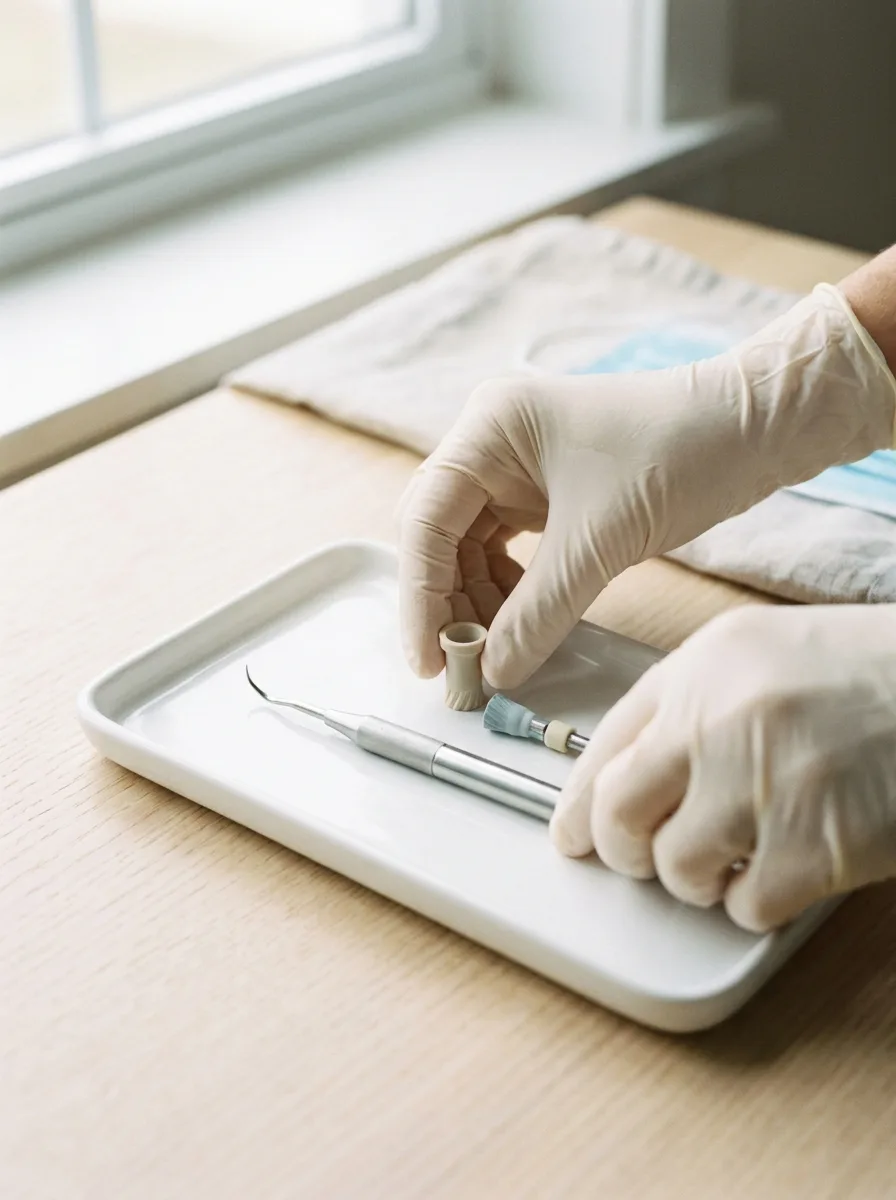
Suitable instruments remove deposits from the planned areas, with comfort measures appropriate to the treatment. You receive specific cleaning instructions afterward.
- 3
Reassess healing and maintenance needs
The team compares tissue response with the original findings and explains maintenance, further nonsurgical care, or specialist assessment where needed.
Services
Other treatments we offer
Make your Nova smile a reality.
Join our family of happy, healthy smiles today and experience the Nova Smile difference!
Questions, answered
About us
Why patients choose Nova Dental Studio
At Nova Dental Studio in Irvine, Dr. Nova Li addresses your immediate concern first. Before broader treatment planning, she assesses joint stability, muscle function, and jaw movement to decide the sequence of care.
Preserve what is healthy
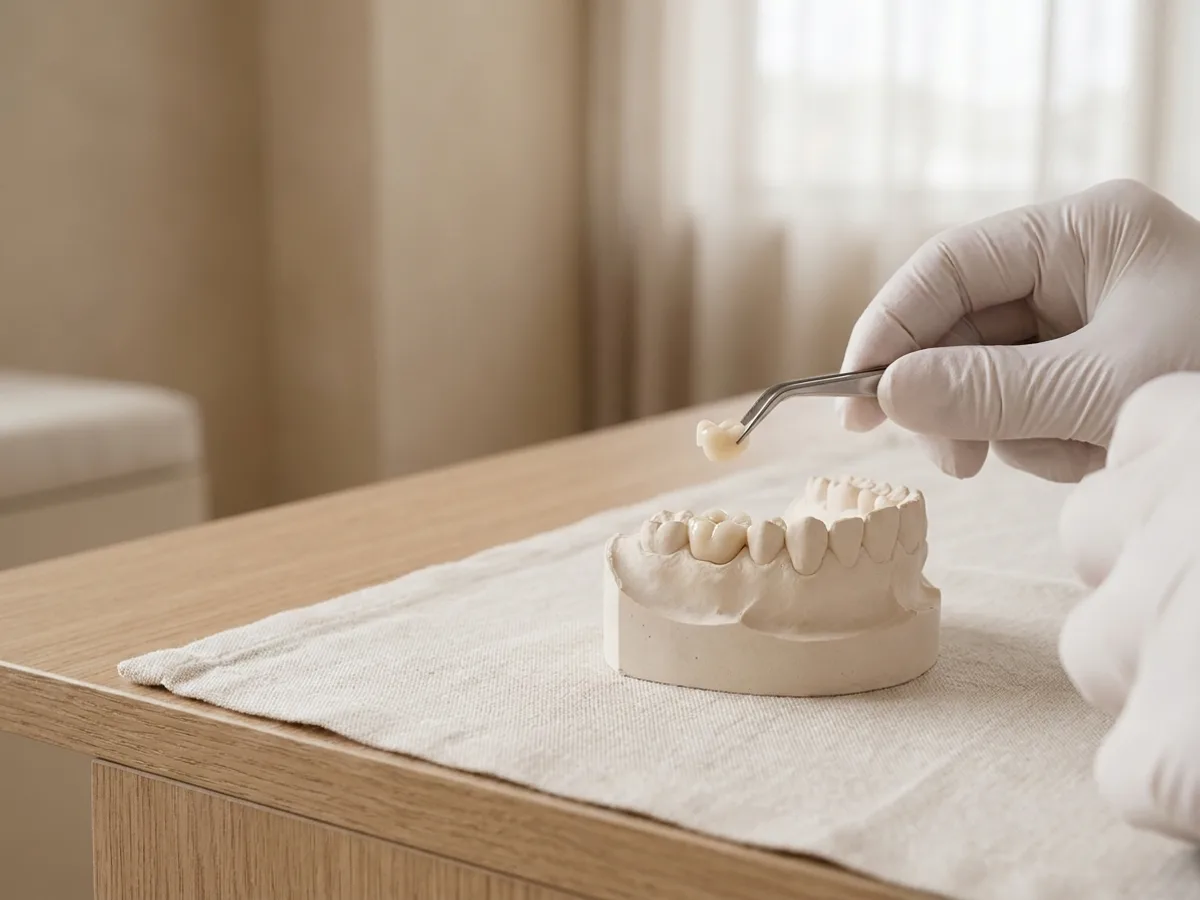
We consider conservative options and the reasons behind damage before recommending how to repair a tooth.
Joint stability first
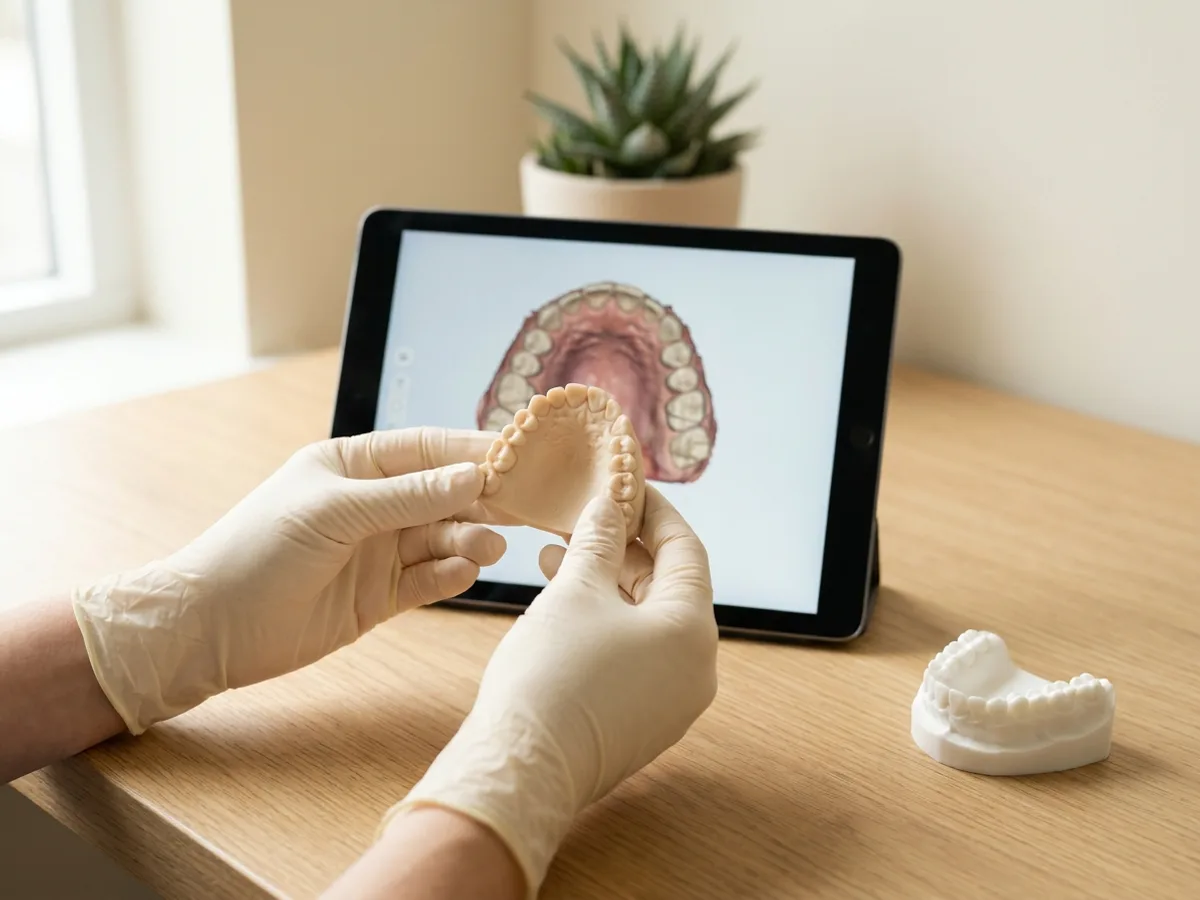
Dr. Li assesses joint stability and jaw movement before broader restorative, cosmetic, or Invisalign planning. Joint concerns that need care guide what comes first.
Start with your concerns
We explain the immediate priority, the wider picture, and the options that fit your goals.
Nova Dental Studio Proudly Holds Active Memberships







Visit us
We're waiting for you in Irvine
Find our office on the third floor right next to the elevators!
113 Waterworks Way Ste. 335
Irvine, CA 92618
- Mon–Fri
- 9:00AM – 5:00PM
- Sat–Sun
- Closed