
Service
Cleaning in Irvine, CA
Professional cleaning at Nova Dental Studio includes air polishing when suitable for your teeth, gums, and dental work. Dr. Li and the team tailor the approach to your deposits, sensitivity, and daily care.
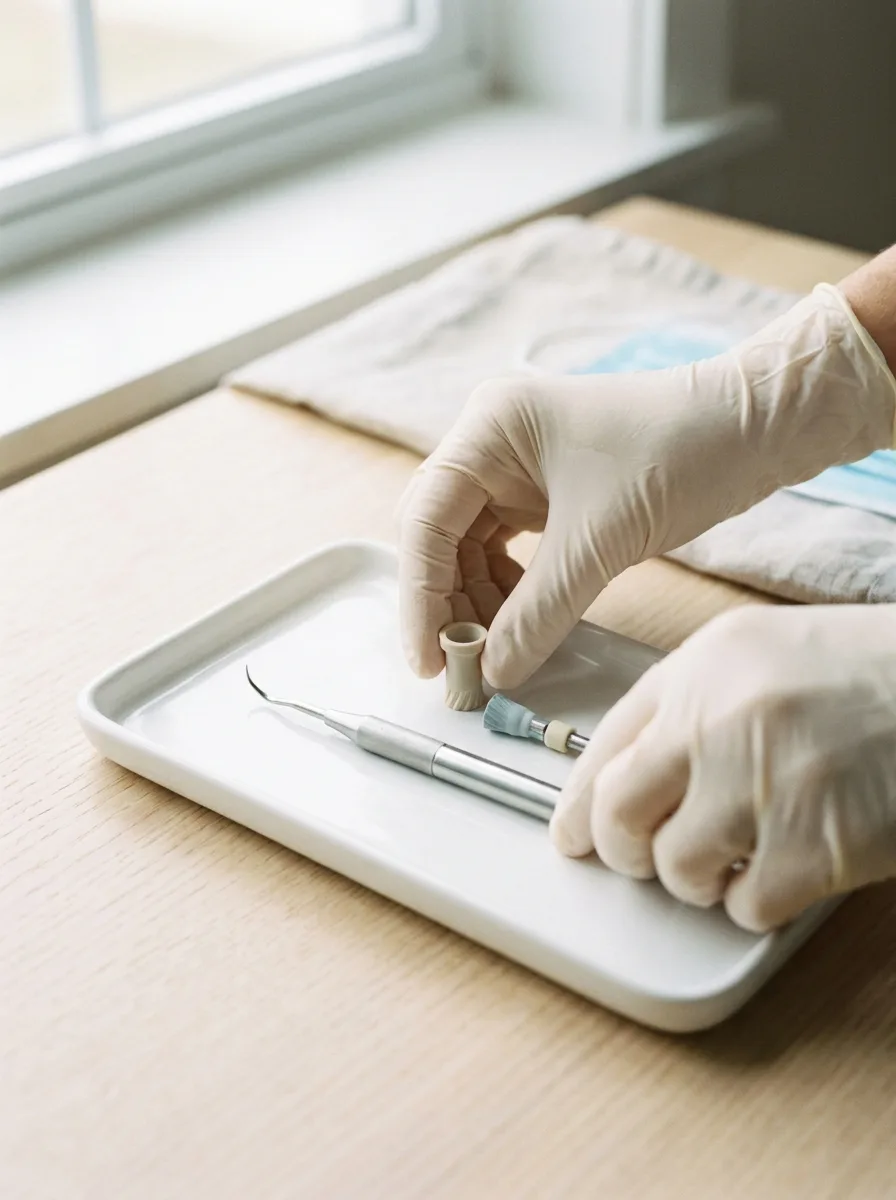
What You Need to Know
Professional cleaning removes plaque, hardened tartar, and surface stains that home brushing cannot always manage. It supports healthy teeth and gums alongside daily care. A routine cleaning is different from periodontal treatment: if gum disease is present, cleaning below the gumline may require a separate plan.
Plaque is a soft bacterial film that forms again after you brush. Minerals in saliva can turn retained plaque into hard deposits. A toothbrush can disrupt the soft film, but cannot reliably remove established tartar. Professional cleaning addresses those deposits without replacing the daily work that keeps bacteria from building up between visits.
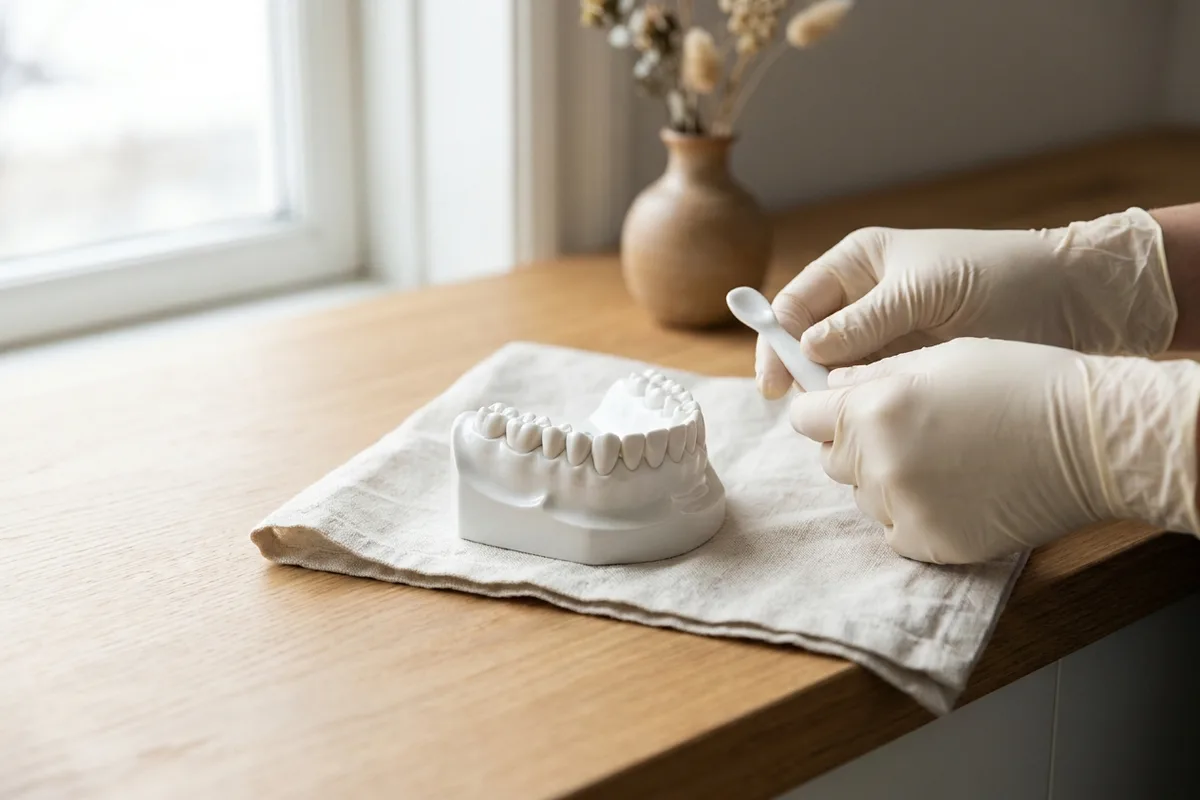
Why Regular Cleanings Matter
Plaque can build up around the gumline and between teeth, even when your smile looks clean. Once it hardens into tartar, a dental professional needs to remove it. Regular visits also give us an opportunity to notice changes and adjust your home routine before small problems become harder to manage.
A clean tooth surface also makes home care easier around crowded teeth, filling edges, and the gumline. Stain removal has a different purpose from decay treatment. A tooth can look brighter after polishing and still need a filling, while a stained tooth may remain healthy. Your examination distinguishes these concerns before cosmetic improvement becomes the focus.
- Deposits around a bonded retainer that resist home cleaning.
- Stained back teeth that are difficult to reach comfortably.
- Rough buildup along the inside surfaces of lower teeth.
Changes Worth Mentioning
Tell us about bleeding when brushing, persistent bad breath, sensitivity, or places that trap food. These symptoms do not automatically mean you need a deep cleaning, but they deserve evaluation. Bring questions about crowded teeth, restorations, or appliances that make brushing and cleaning between teeth more difficult.
Dry mouth, a fixed retainer, reduced hand movement, or difficulty reaching back teeth can change the support you need. Explain which tools feel awkward and where brushing hurts. Sensitivity may come from exposed roots or another dental problem. Identifying that cause helps the team adjust the cleaning rather than assuming every tender area needs the same approach.
- Show the team any area that catches your floss.
- Mention sensitive roots before instruments reach the gumline.
- Bring removable appliances that affect your daily cleaning routine.
When to Schedule a Cleaning
Your cleaning schedule depends on gum health, cavity risk, and how quickly deposits build up. Many people attend twice a year, while some need more frequent periodontal maintenance. If you have missed visits, you can restart with an examination rather than guessing which type of cleaning you need.
Bring a current medication list and tell us about changes in your health since the last visit. You can also bring an appliance or the cleaning tool you find difficult to use. If you have severe toothache or swelling, explain this when you contact the office so the team can arrange assessment of the immediate concern.
The Evaluation Process
We review your health history, recent symptoms, and home care habits, then look at the teeth and gums. Gum measurements help distinguish preventive cleaning from periodontal care.
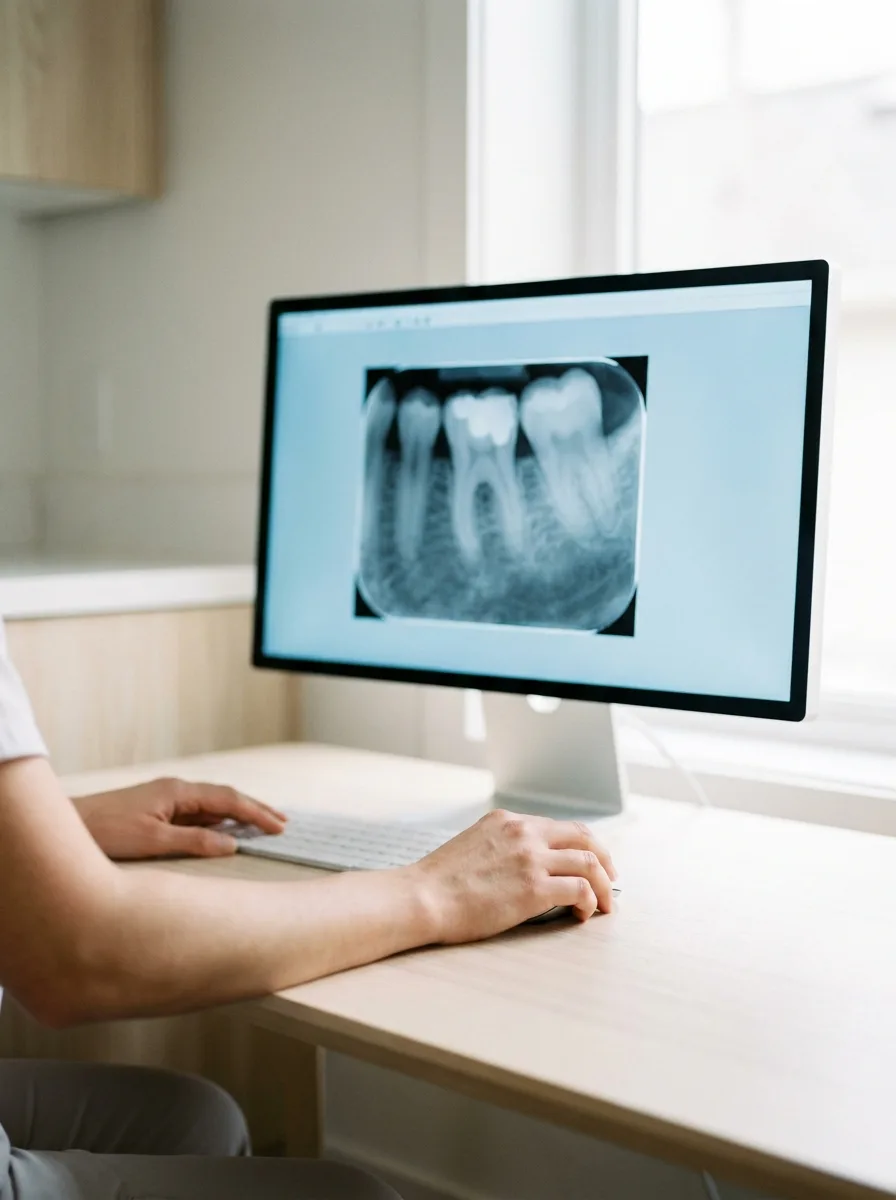
X-rays are recommended when they add useful information. The findings guide the appointment and any further treatment recommendations.
Gum pocket measurements, bleeding, recession, and the amount of visible deposit help explain the recommended care. The team may compare these findings with earlier records to see whether your gums are stable. A routine cleaning and a periodontal maintenance visit can look similar to a patient, but their purpose and follow-up needs can differ.
At Nova, cleaning also gives us a chance to ask about recurring sensitivity, food traps, or difficulty opening comfortably. We consider the reason behind these concerns before adjusting care.
- Compare current gum measurements with your previous visit records.
- Identify contacts where an interdental brush may improve access.
- Review whether a crown margin needs a different instrument.
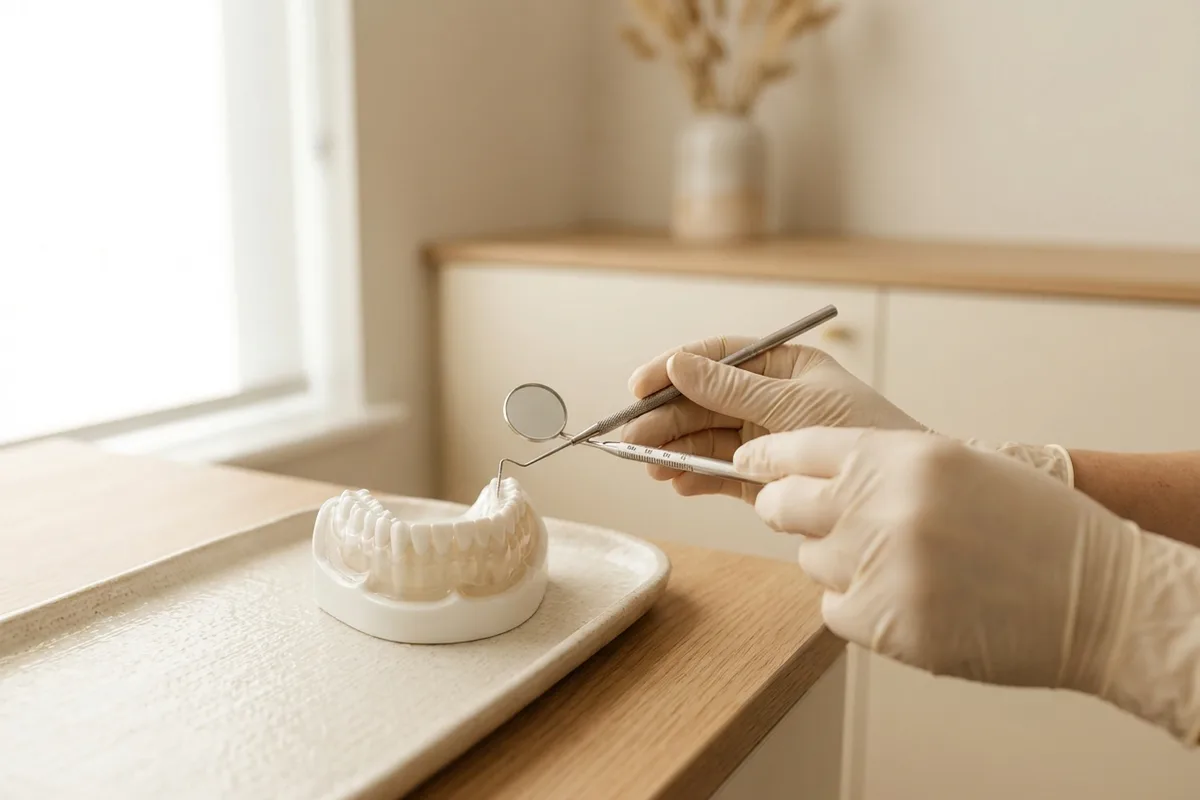
Cleaning Options and What to Expect
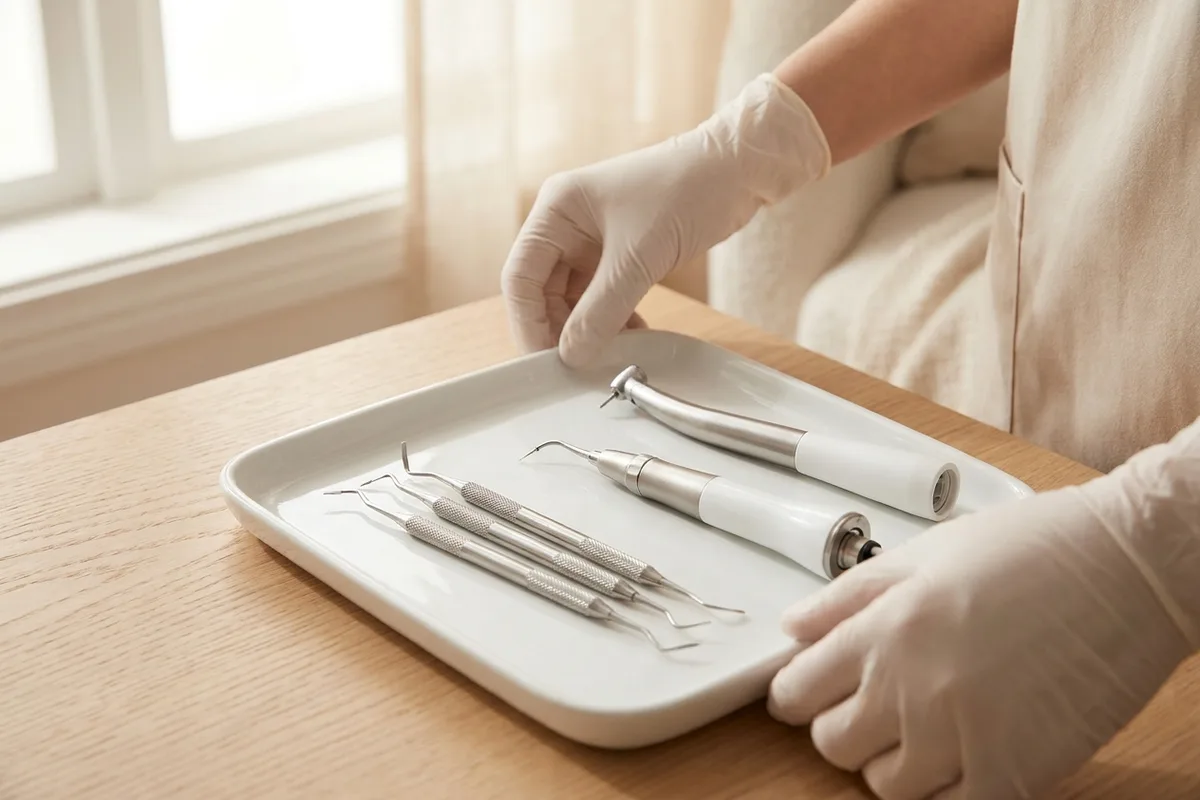
At Nova, your cleaning may include air polishing when suitable. A controlled stream of air, water, and dental powder removes selected soft deposits and surface stains. Hand instruments or ultrasonic scaling address hardened deposits. We select the methods around your gums, sensitivity, and restorations, and explain any preventive treatment we recommend.
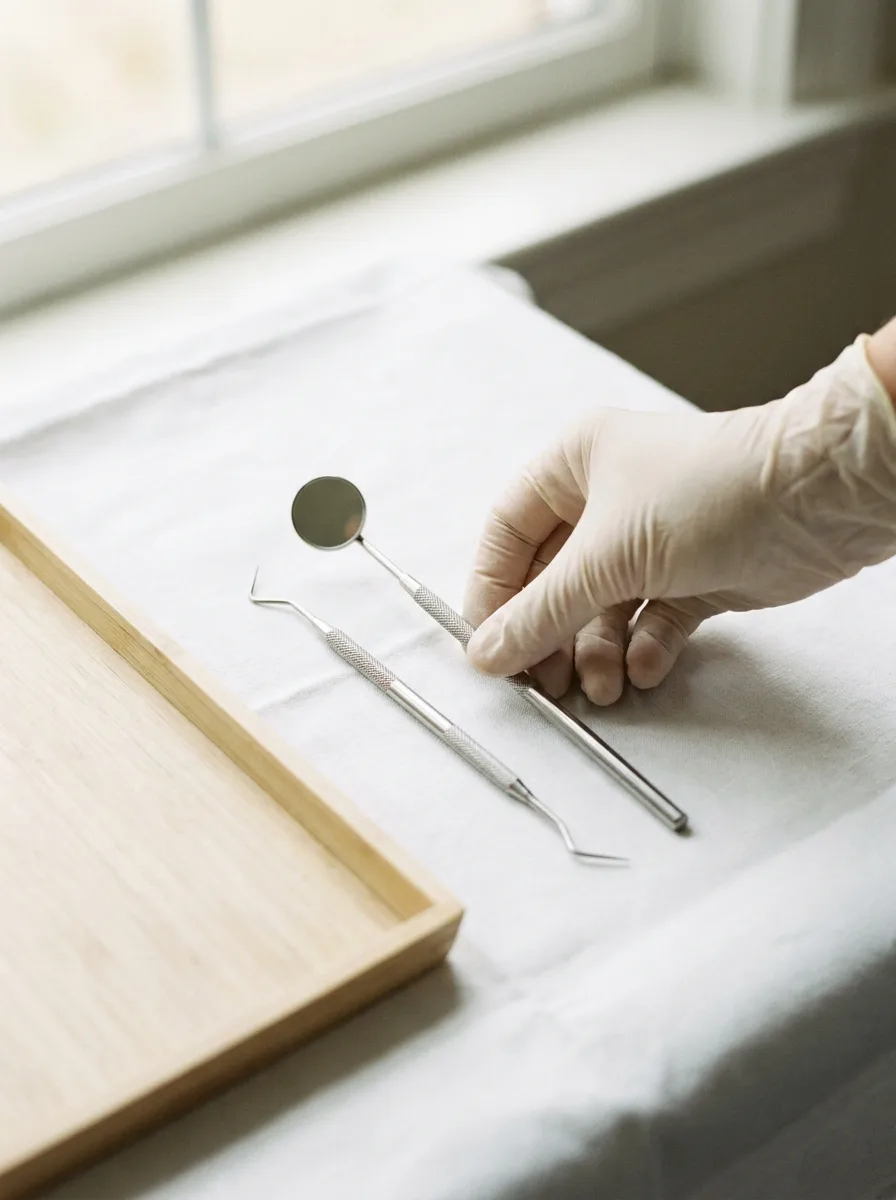
During scaling, instruments loosen or remove deposits from selected tooth surfaces. Polishing addresses suitable surface stains after the deposits are removed. Tell the clinician if a particular tooth feels sensitive so the method or pace can change. Cleaning around a crown, implant, or exposed root may require a different instrument or polishing material to protect that surface.
After Your Appointment
Continue brushing with fluoride toothpaste and cleaning between teeth daily. Mild tenderness or sensitivity can occur, particularly around inflamed gums.
Follow any specific instructions and tell us if discomfort persists. Your next visit and recommended home care products should reflect your individual needs, rather than a fixed routine for everyone.
Ask the team to demonstrate how a brush or interdental cleaner reaches the areas they identified. A plan you can use consistently matters more than a long product list. Persistent bleeding, new swelling, or pain that does not improve needs another assessment. Do not wait until your next routine visit to report a developing problem.
- Ask which brush head reaches your last molars comfortably.
- Use an interdental cleaner sized for the selected space.
- Bring your cleaning aids if the technique feels awkward.

Your Professional Cleaning
The cleaning method and follow-up depend on the deposits and gum findings. Additional periodontal care may require separate appointments.
- 1
Check gums and deposits
The team reviews symptoms, gum measurements, and difficult cleaning areas to distinguish routine preventive cleaning from periodontal treatment.
- 2
Remove the identified buildup
The clinician selects suitable instruments and polishing methods, adapting the approach around sensitive roots, restorations, and other areas that need care.
- 3
Set a practical home routine
You review cleaning techniques and the appropriate recall or maintenance plan. Persistent symptoms or findings can lead to further assessment.
Services
Other treatments we offer
Make your Nova smile a reality.
Join our family of happy, healthy smiles today and experience the Nova Smile difference!
Questions, answered
About us
Why patients choose Nova Dental Studio
At Nova Dental Studio in Irvine, Dr. Nova Li addresses your immediate concern first. Before broader treatment planning, she assesses joint stability, muscle function, and jaw movement to decide the sequence of care.
Preserve what is healthy
We consider conservative options and the reasons behind damage before recommending how to repair a tooth.
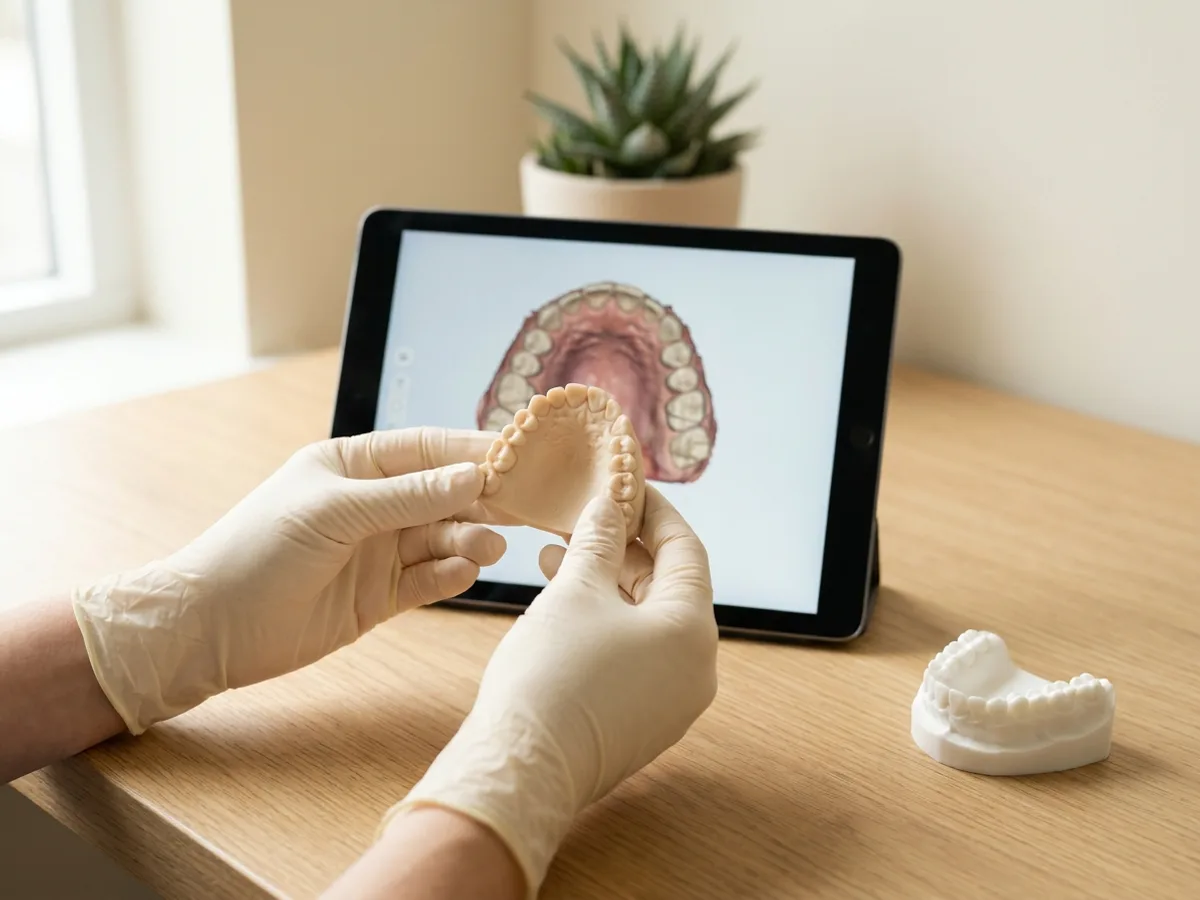
Joint stability first
Dr. Li assesses joint stability and jaw movement before broader restorative, cosmetic, or Invisalign planning. Joint concerns that need care guide what comes first.
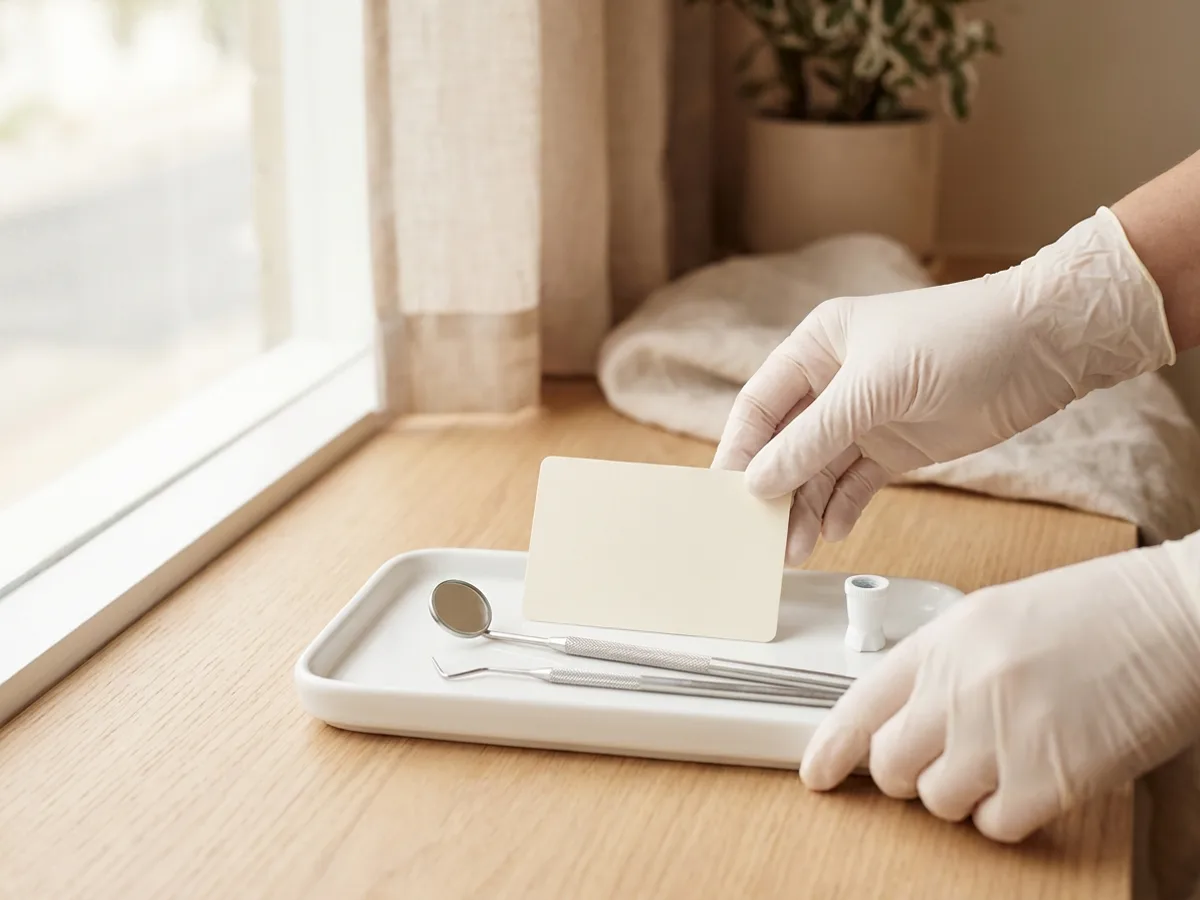
Start with your concerns
We explain the immediate priority, the wider picture, and the options that fit your goals.
Nova Dental Studio Proudly Holds Active Memberships






Visit us
We're waiting for you in Irvine
Find our office on the third floor right next to the elevators!
113 Waterworks Way Ste. 335
Irvine, CA 92618
- Mon–Fri
- 9:00AM – 5:00PM
- Sat–Sun
- Closed