
Service
Tooth Extractions in Irvine, CA
Care for a tooth that cannot be saved, with attention to the immediate concern and what comes after healing.
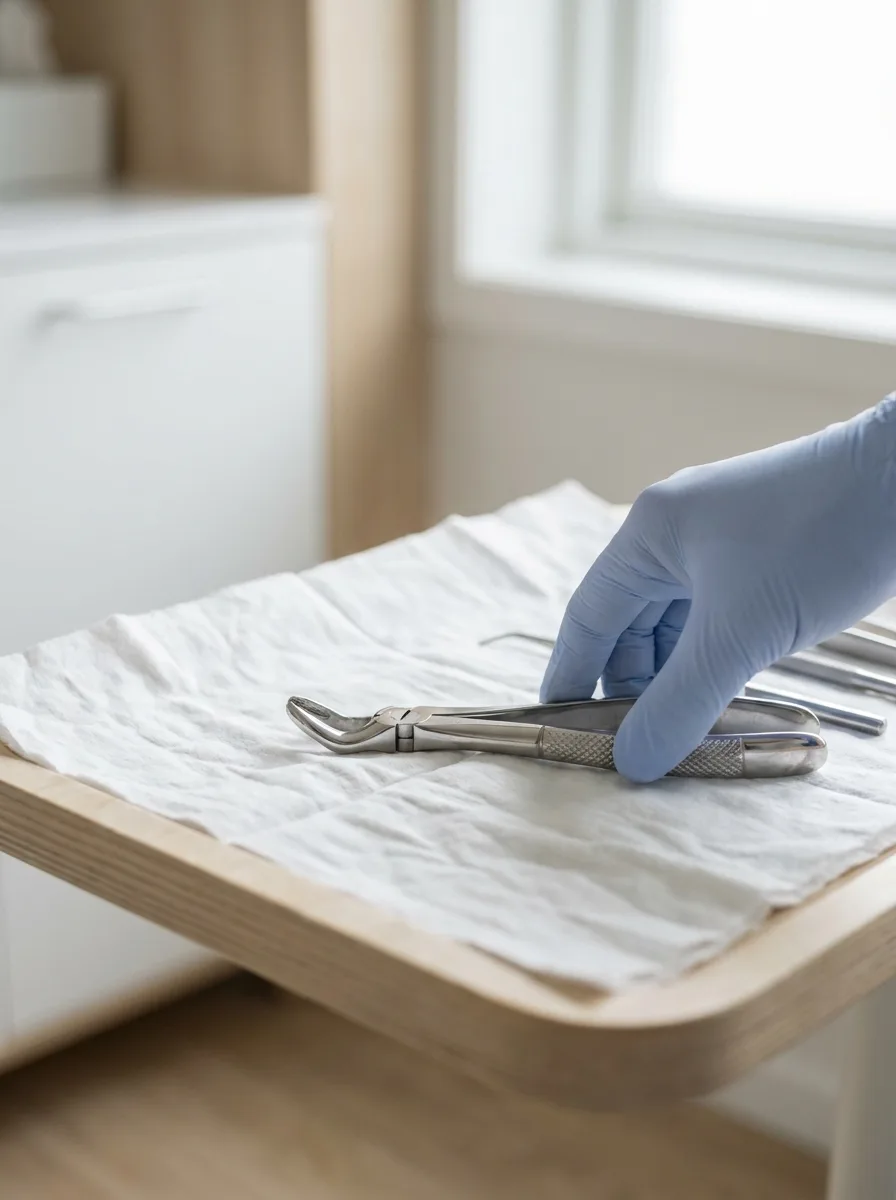
What You Need to Know
A tooth extraction removes a tooth when keeping it is no longer a suitable option or removal forms part of a broader treatment plan. Reasons may include severe decay, fracture, or infection. We assess the tooth first and discuss whether restorative or root canal treatment could preserve it.
Removing a tooth leaves a socket that heals through several stages. A blood clot protects the early wound, followed by tissue repair and changes in the underlying bone. The procedure varies with the tooth's position, root shape, and condition. An erupted tooth and a broken or impacted tooth may require different approaches and recovery arrangements.

Why Removal May Be Recommended
A tooth with too little healthy structure or an unfavorable fracture may not be predictably restored. Advanced disease can also affect its support or surrounding tissues. Removing a tooth can address the source of a problem, but the decision includes the consequences of the gap and possible replacement afterward.
Extraction may be considered when decay, fracture, or loss of support makes retention unsuitable. It can also form part of a broader treatment plan. Before removal, the dentist considers whether repair or root canal treatment could retain the tooth. The decision should explain both the reason for extraction and the consequences of leaving or removing the tooth.
- A fracture that extends beyond a practical restorative margin.
- An infected tooth whose retention options need urgent discussion.
- Loss of supporting tissues that affects the tooth's prognosis.
Symptoms That Need Assessment
Pain, swelling, a broken tooth, or increasing difficulty chewing should be examined. The severity of pain does not by itself determine whether extraction is necessary.
If swelling is spreading or you have difficulty breathing or swallowing, seek urgent care. A dental assessment helps distinguish treatable damage from a tooth that cannot be saved.
Pain, swelling, a broken tooth, or increasing looseness deserves assessment. A painful tooth is not automatically beyond repair. The dentist needs to identify the source and extent of the problem. Tell the team about medical conditions, bleeding problems, medication, and past surgical healing. These details can affect the procedure and the need for additional planning.
- Bring the full medication list, including prescribed blood thinners.
- Mention prior jaw surgery or unusual healing after an extraction.
- Discuss temporary tooth replacement before the planned removal when possible.
When to Plan an Extraction
Urgency depends on symptoms, infection, and the condition of the tooth. Planned removal allows time to discuss preservation, replacement, and recovery needs.
Tell us about medications, medical conditions, and previous healing problems. Do not stop prescribed medication without direction from the appropriate clinician.
Ask about replacement before the tooth is removed when circumstances allow. You may need a temporary option or a plan for socket preservation. Follow any procedure-specific preparation given by the clinician. Do not stop blood-thinning medicine or arrange fasting without instructions. If sedation is planned through an appropriate provider, confirm the transport and supervision requirements beforehand.

The Evaluation Process
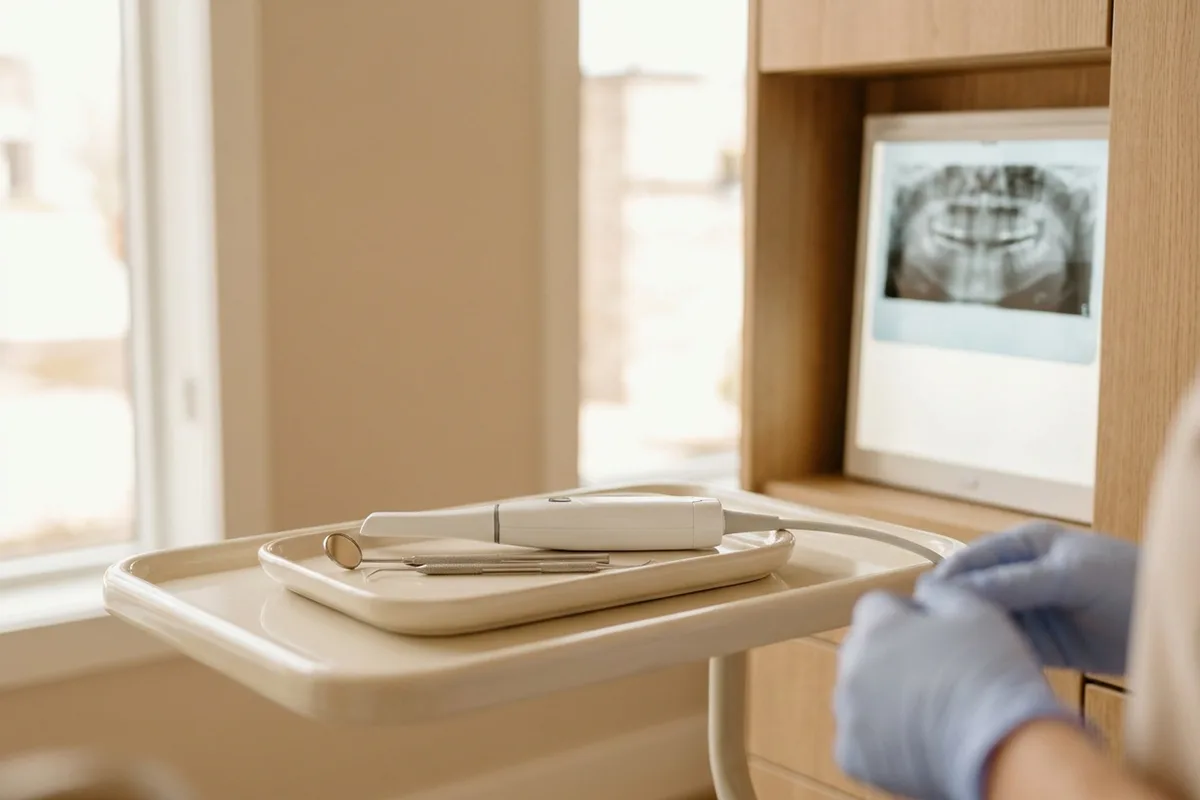
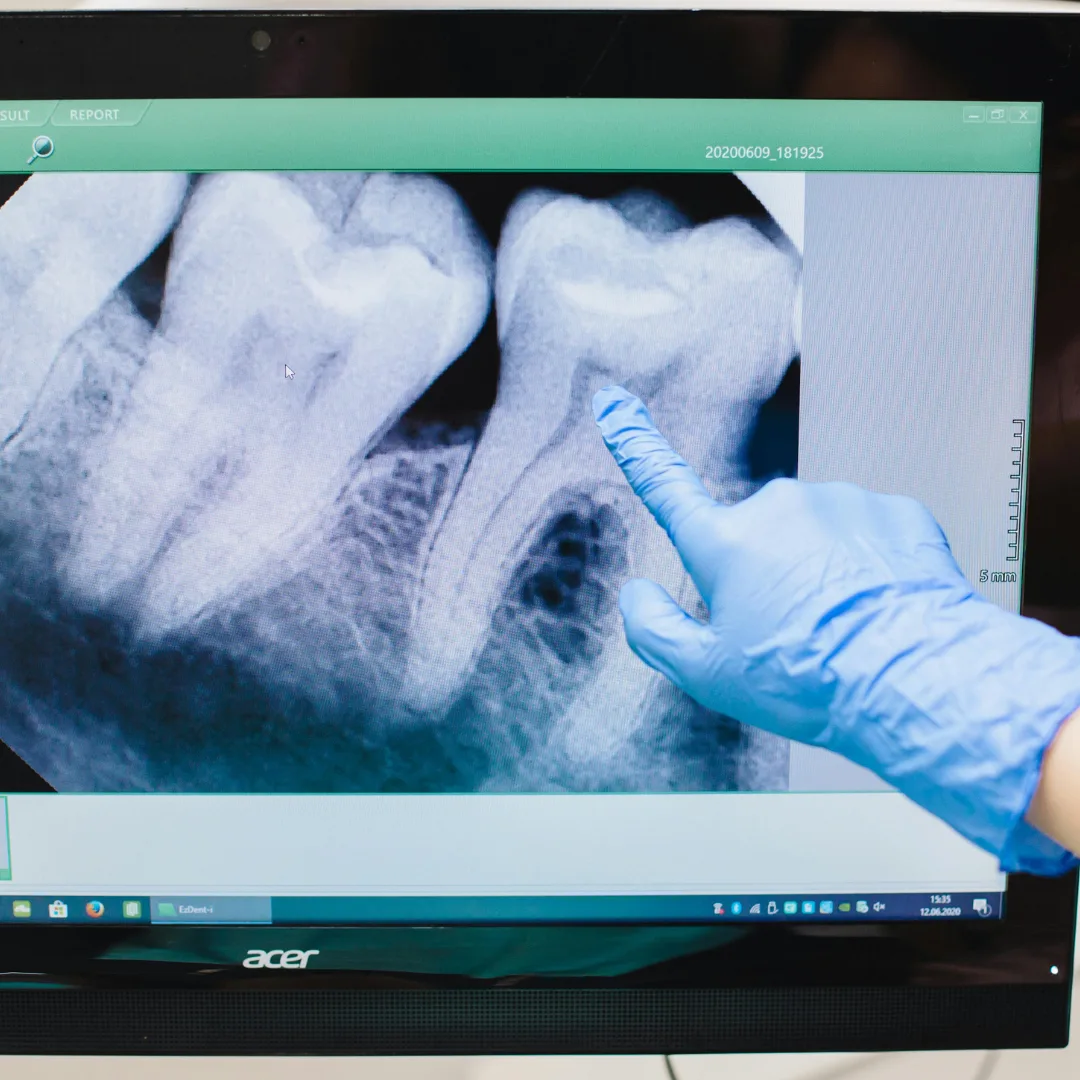
We examine the tooth, gums, and neighboring structures and review appropriate images of the roots and surrounding bone. Health history helps guide treatment and comfort planning. We explain whether a straightforward or surgical removal is expected and when referral or additional assessment may be appropriate.
Examination and appropriate imaging help assess the roots, nearby teeth, bone, and structures such as nerves or the sinus. The dentist explains whether the extraction appears straightforward or whether referral is advisable. You should understand the main risks, alternatives, and likely follow-up. More complex anatomy may change the plan even when the visible tooth looks small.
Your immediate concern comes first. Dr. Li also discusses how healing, remaining teeth, and any future replacement fit into your longer-term plan.
- Review root shape and nearby structures on appropriate images.
- Ask whether the case needs a surgical referral.
- Clarify transport requirements if a separate sedation plan is proposed.
Removal and Replacement Options
Local anesthesia is generally used to numb the area. The technique depends on tooth position and condition; some removals require surgical steps.
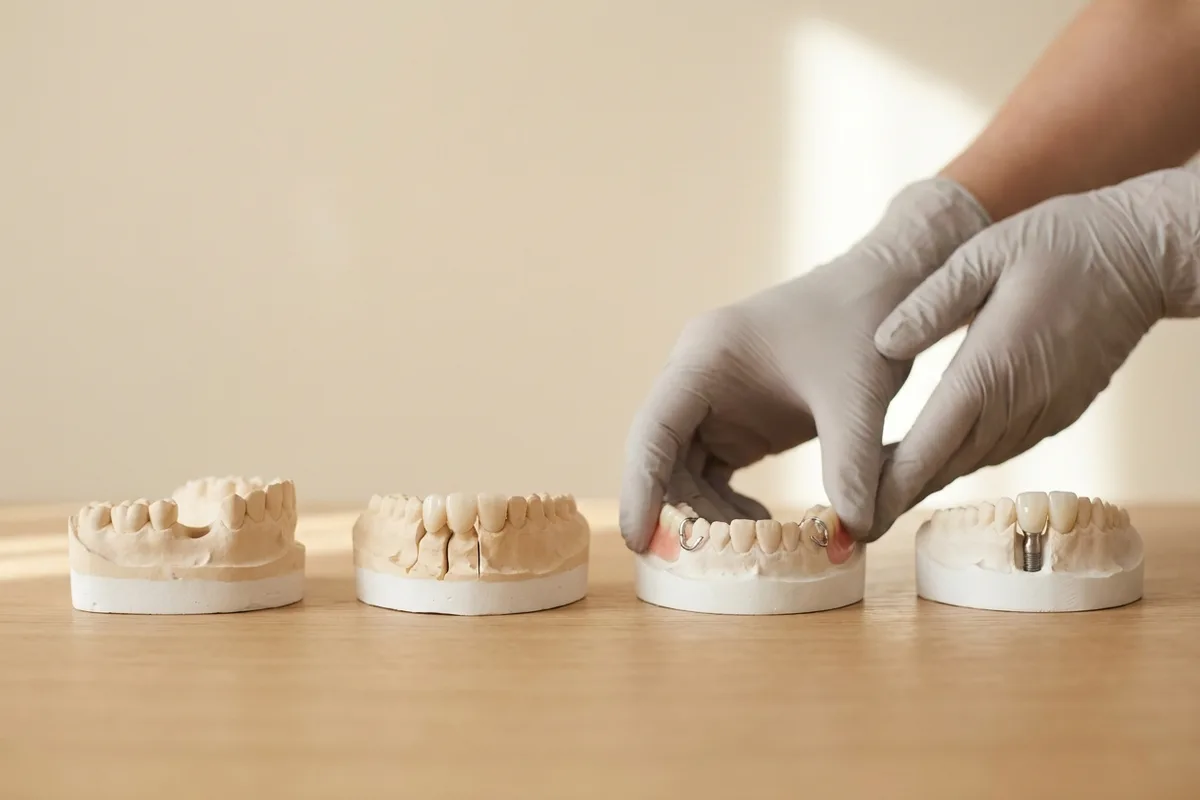
Before treatment, we can discuss socket preservation and later options such as an implant, bridge, or denture when suitable. Not every extraction needs the same replacement approach.
Local anesthesia commonly numbs the area. Depending on the tooth, the clinician may loosen it, divide it, or make an opening in the gum to remove it. Sutures may be needed. Pressure can feel different from pain, so tell the clinician if you are uncomfortable. Replacement choices can be reviewed separately once immediate care and healing needs are clear.
Recovery and Follow-Up
Protect the healing socket and follow the written instructions for food, cleaning, activity, and medication. Avoid smoking and other habits that interfere with healing.
Some tenderness and swelling can occur. Contact us for worsening pain, ongoing bleeding, fever, or other concerns rather than assuming every symptom is normal recovery.
Follow the instructions that protect the blood clot, including the advice about smoking, rinsing, activity, and food. Do not probe the socket. Contact the office for bleeding that does not settle, fever, or pain and swelling that worsen rather than improve. Severe swelling with breathing or swallowing difficulty needs emergency medical attention. Attend any planned healing review.
- Keep the written instructions for protecting the early clot.
- Avoid testing the socket with your tongue or fingers.
- Contact the clinician if bleeding or worsening pain causes concern.

Your Tooth Extraction Stages
The tooth's position and health affect the procedure and follow-up. Any replacement or grafting plan is discussed as part of the individual sequence.
- 1
Assess retention and removal options
The dentist examines the tooth, symptoms, medical history, and relevant anatomy, then discusses alternatives, risks, and any referral needs.
- 2
Remove the tooth with planned comfort care
The clinician numbs the area and uses the approach appropriate to the tooth. More complex removal may involve sectioning, a gum opening, or sutures.
- 3
Protect healing and plan replacement
You receive wound-care and escalation instructions. Follow-up assesses healing and discusses replacement or other care when appropriate to the site.
Services
Other treatments we offer
Make your Nova smile a reality.
Join our family of happy, healthy smiles today and experience the Nova Smile difference!
Questions, answered
About us
Why patients choose Nova Dental Studio
At Nova Dental Studio in Irvine, Dr. Nova Li addresses your immediate concern first. Before broader treatment planning, she assesses joint stability, muscle function, and jaw movement to decide the sequence of care.
Preserve what is healthy
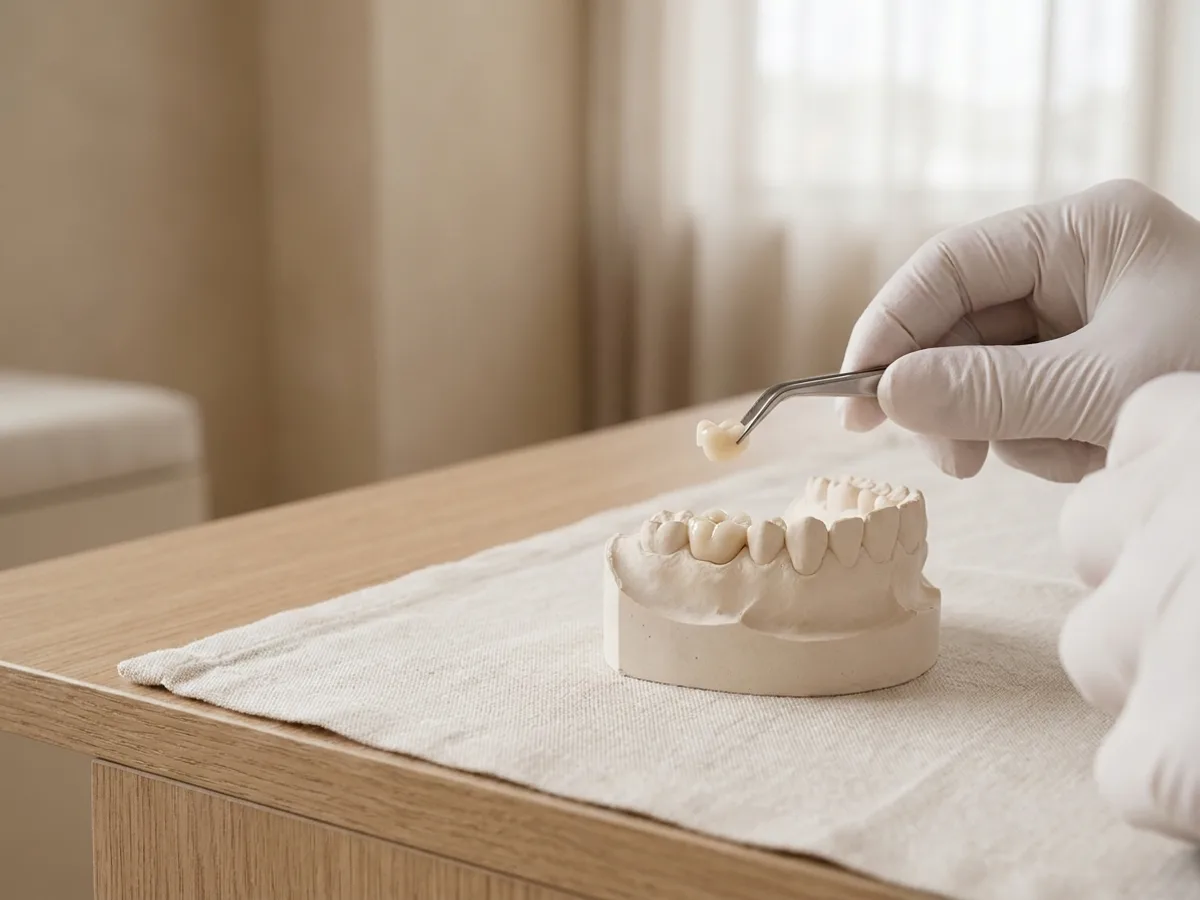
We consider conservative options and the reasons behind damage before recommending how to repair a tooth.
Joint stability first
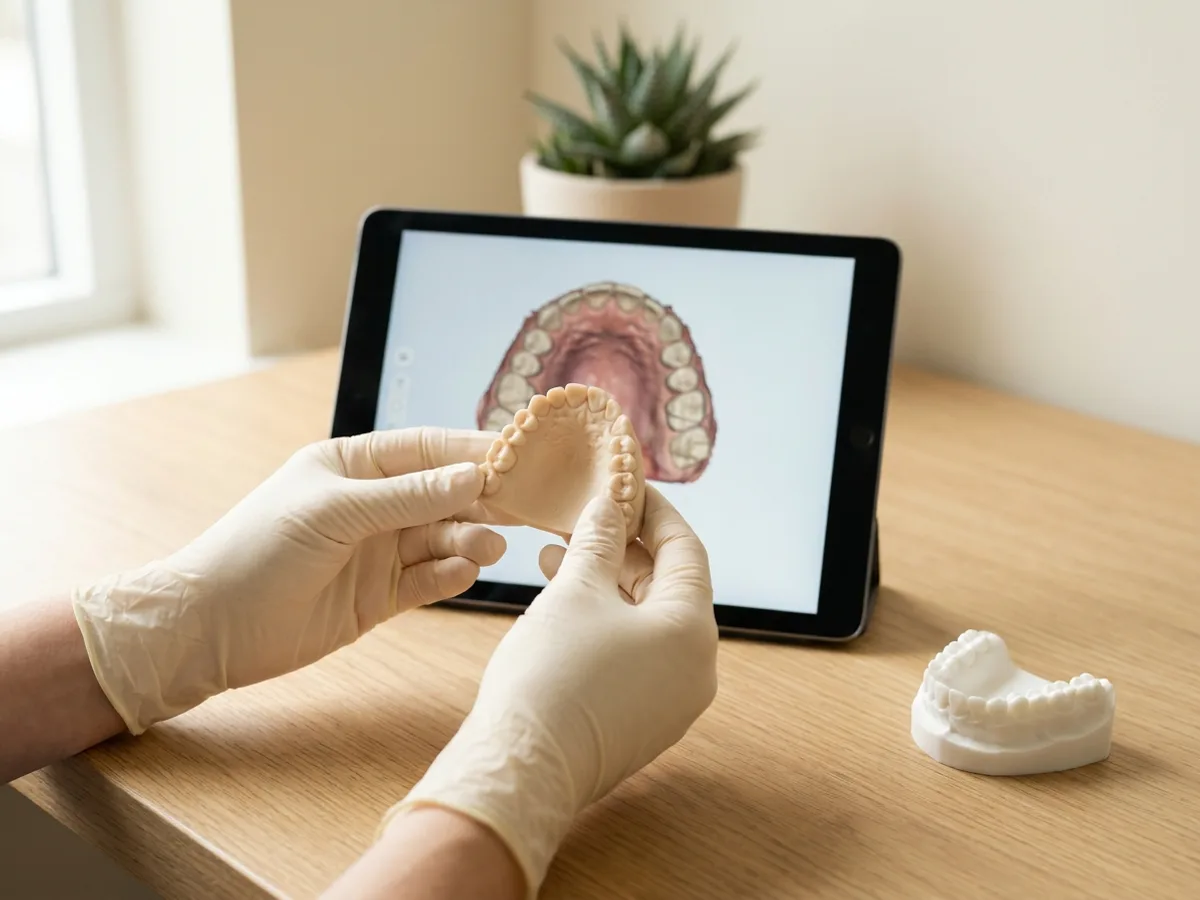
Dr. Li assesses joint stability and jaw movement before broader restorative, cosmetic, or Invisalign planning. Joint concerns that need care guide what comes first.

Start with your concerns
We explain the immediate priority, the wider picture, and the options that fit your goals.
Nova Dental Studio Proudly Holds Active Memberships







Visit us
We're waiting for you in Irvine
Find our office on the third floor right next to the elevators!
113 Waterworks Way Ste. 335
Irvine, CA 92618
- Mon–Fri
- 9:00AM – 5:00PM
- Sat–Sun
- Closed