Service
Education and Resources in Irvine, CA
Practical guidance built around your habits, dental work, and the challenges you face with daily care.
What You Need to Know
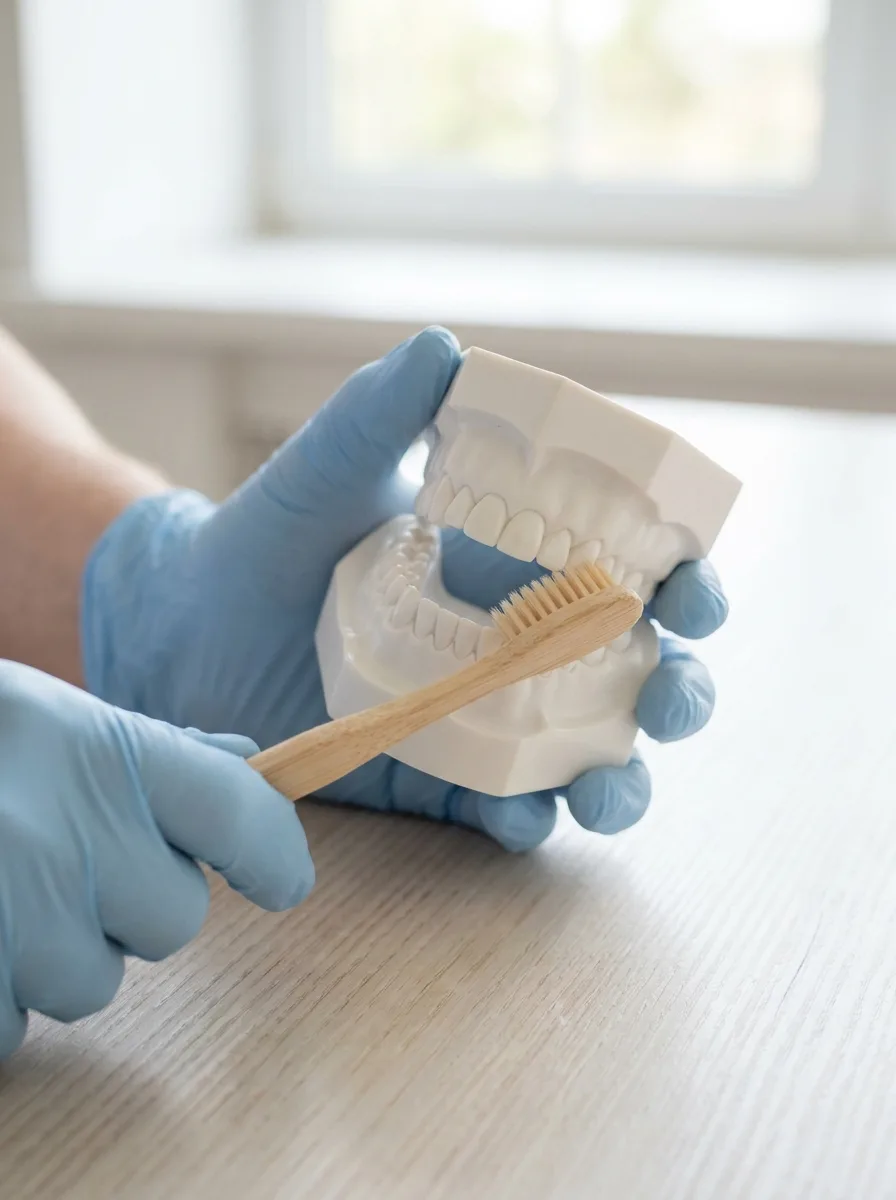
Patient education helps turn dental recommendations into habits you can use at home. We discuss brushing, cleaning between teeth, diet, and the care of restorations or appliances. Advice is tailored to your mouth and routine, so you understand both what to do and why it matters.
Useful dental education explains how a recommendation applies to your own mouth. A person with crowded teeth may need a different cleaning technique from someone with a bridge or a removable denture. A clear explanation connects the problem, the available choices, and the daily actions that support care. You can ask for a practical demonstration.
Why Personalized Guidance Matters
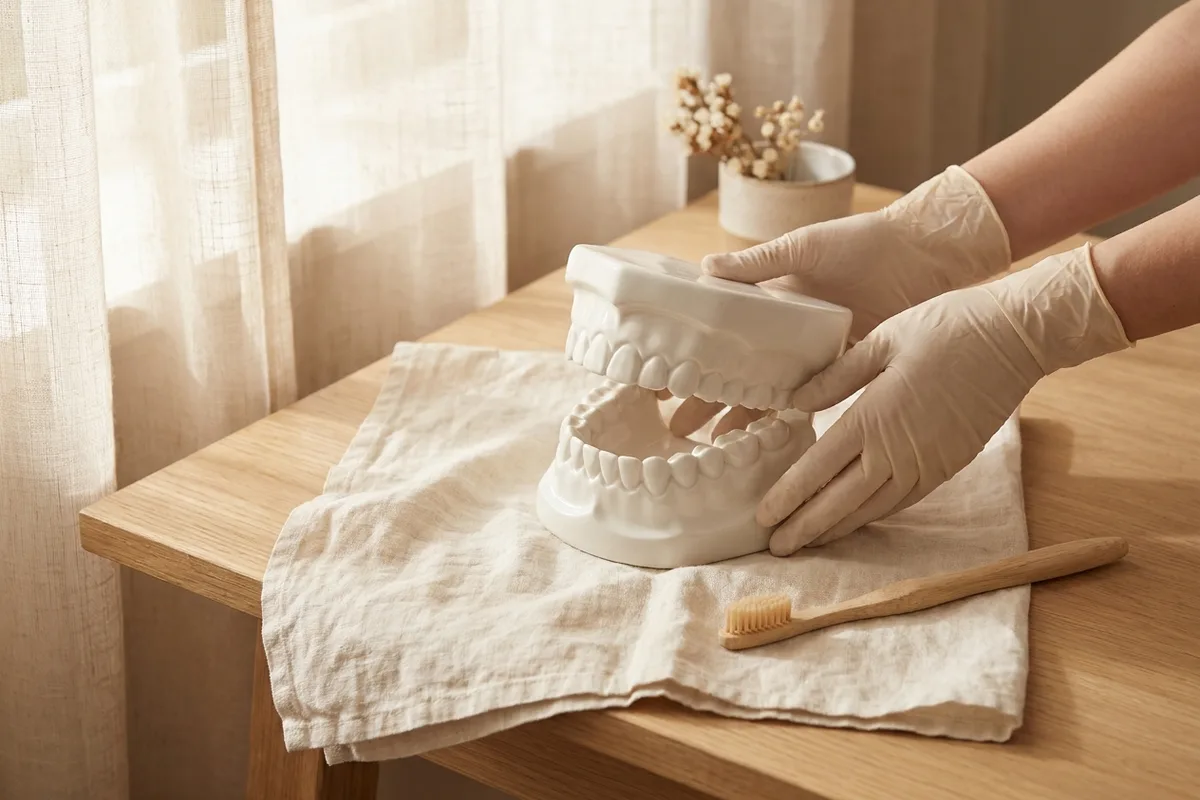
There is no single toothbrush, flossing tool, or routine that suits everyone. Crowded teeth, limited dexterity, dry mouth, and dental work can change what is practical. Reviewing your technique helps identify small adjustments that make daily care more effective without making it unnecessarily complicated.
Small routine changes are easier to maintain when you understand their purpose. Cleaning the gumline targets plaque, while fluoride toothpaste supports enamel resistance. Reducing repeated sugary snacks addresses a different cause of cavities. Knowing these distinctions helps you choose a manageable routine instead of expecting one product to solve every oral health concern.
- A new bridge that changes how you clean underneath.
- Crowded teeth that leave one contact difficult to reach.
- A caregiver who needs a clear daily mouth-care plan.
Questions to Bring to Your Visit
Ask about bleeding when you clean between teeth, sensitivity, persistent bad breath, or difficulty reaching particular areas. Bring the products you use or describe your current routine. Questions about children’s oral care, sports protection, retainers, dentures, and cosmetic treatment can also guide the conversation.
Bring questions about bleeding, dry mouth, sensitivity, diet, or difficulty using a brush. Tell the team if hand movement, vision, an appliance, or a strong gag reflex limits care. A caregiver can join the discussion when appropriate. Explaining the barrier helps the clinician recommend a method that fits your circumstances and level of independence.
- Bring the brush or appliance you struggle to use.
- Explain whether hand movement limits control of cleaning tools.
- Ask for instructions that suit your preferred learning format.
When to Review Your Routine
Home care should be reviewed at preventive visits and whenever your dental needs change. New restorations, orthodontic treatment, gum disease, or medications that cause dry mouth may require different strategies. You do not need to wait for a problem to ask for a demonstration or clarification.
Review your routine after a new restoration, orthodontic treatment, a change in health, or a new medication that affects the mouth. Advice may also change as children develop the ability to clean independently. If you find an instruction difficult, contact the office for clarification rather than waiting until the next scheduled examination.
The Evaluation Process
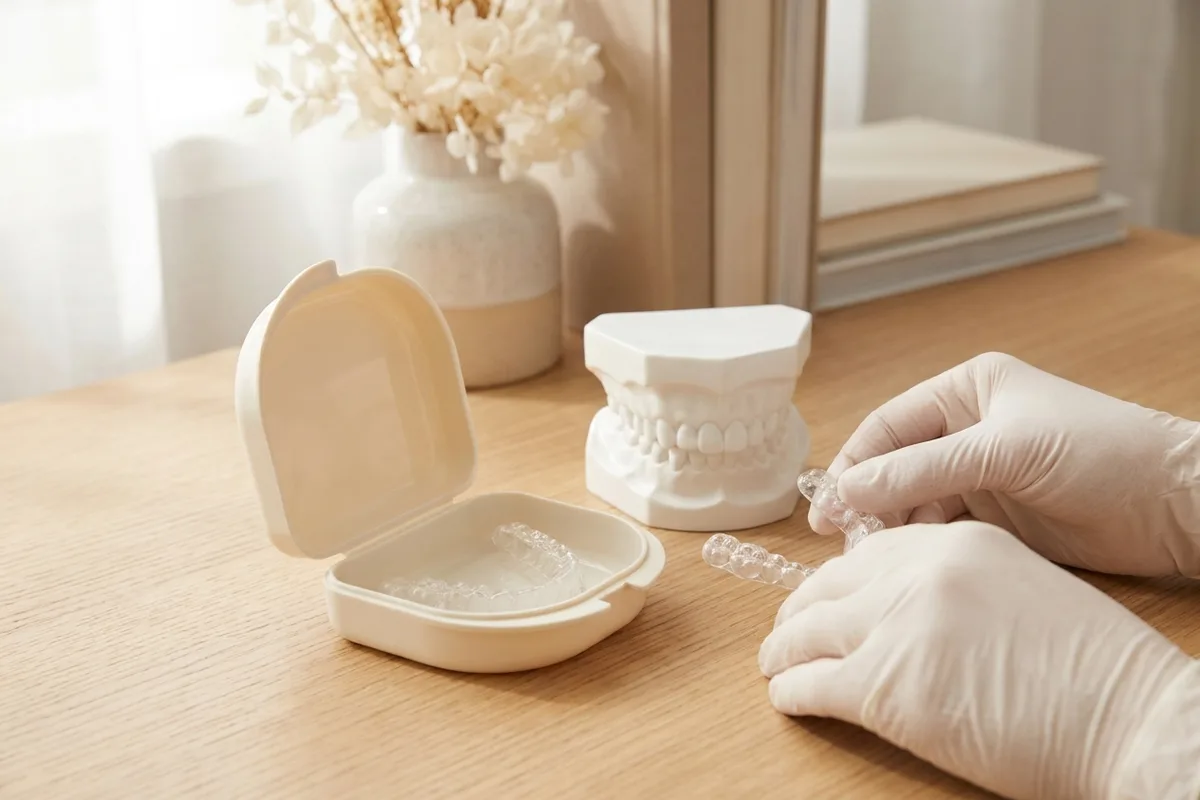
We look at plaque patterns, gum health, cavity history, and the places you find difficult to clean. Your daily schedule and physical limitations matter as well. Understanding those details lets us recommend a realistic routine and choose priorities rather than giving you a long, generic list.
The team can identify plaque-retaining areas and ask you to show how you currently clean them. This makes it possible to adjust technique, size, or positioning. They may explain findings with photographs or dental records when helpful. Understanding where the problem occurs lets you focus effort instead of brushing harder across every surface.
Dr. Li connects advice to the reasons behind your concerns. Tell us how your teeth, jaw comfort, and existing dental work affect your daily routine.
- Show the team how you approach the difficult area.
- Check whether the chosen brush fits the available space.
- Identify one achievable change before adding several new products.
Learning and Prevention Options
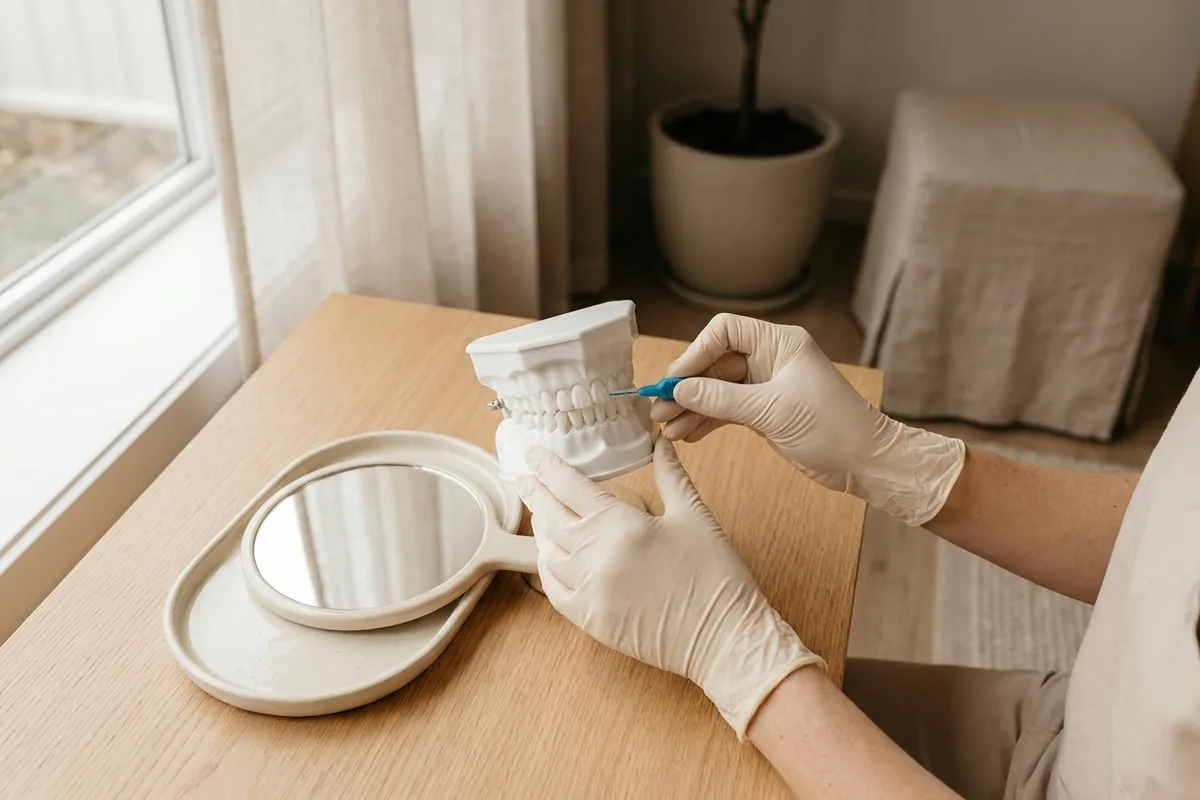
We can demonstrate brushing and interdental cleaning, discuss fluoride products, and explain how diet affects cavity risk. Instructions may include cleaning around bridges or implants and caring for removable appliances. Treatment information helps you compare options and prepare questions before choosing a procedure.
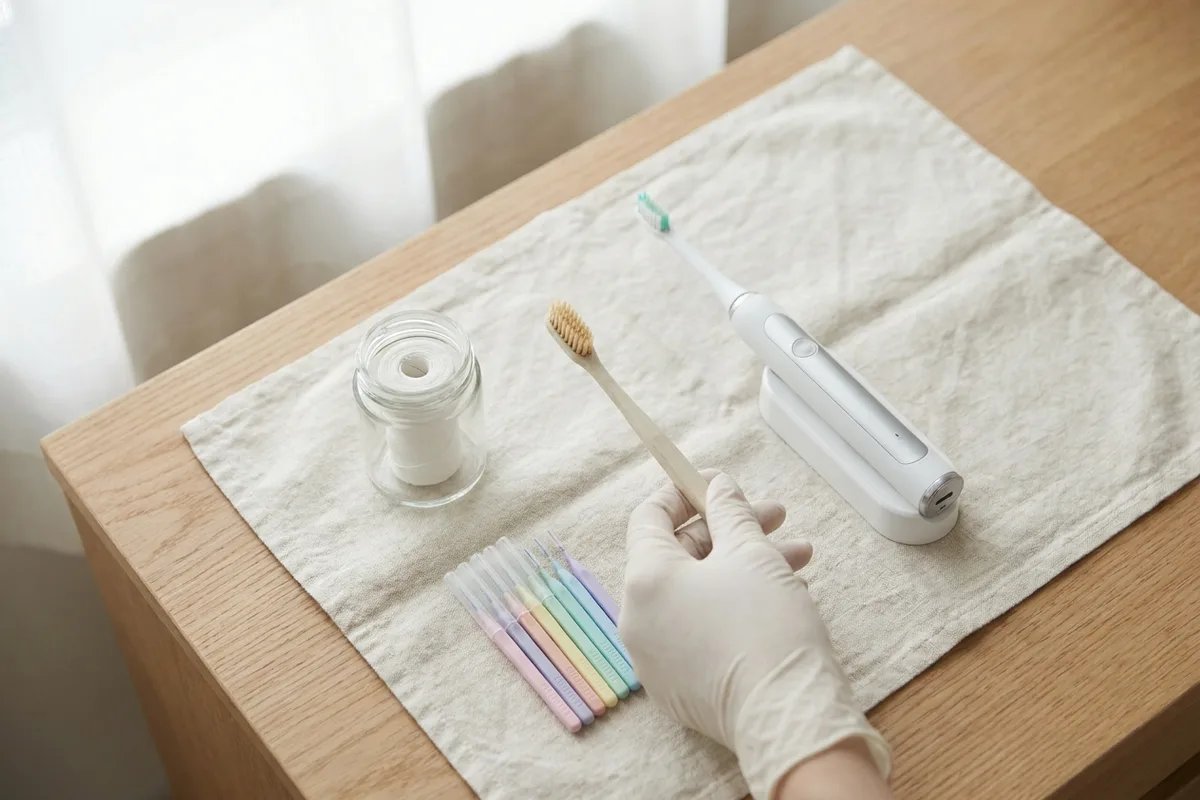
Options can include a manual or powered brush, floss, interdental brushes, or another aid chosen for the space and your abilities. These tools are not interchangeable in every situation. Ask the team to show the angle and pressure for your selected tool. Avoid forcing a large cleaner into a tight space or scrubbing sore gums aggressively.
Putting Advice into Practice
Start with the changes agreed during your visit and ask if an instruction is unclear. Bring feedback to the next appointment so we can adjust what is not working. Education supports preventive care, but persistent pain, swelling, bleeding, or a nonhealing sore should be examined rather than managed with home advice alone.
Start with the changes you can use consistently, and discuss the result at follow-up. Continued bleeding or pain deserves assessment even when you improve your routine. Bring questions about online advice or a new product before changing prescribed care. General resources support understanding, while your examination determines whether a particular treatment is appropriate.
- Practise the demonstrated angle without forcing a tight contact.
- Revisit instructions when a restoration or appliance changes access.
- Ask for clarification when online advice conflicts with your plan.
Turning Dental Advice into Daily Care
Education adapts to your mouth, abilities, and existing dental work. The plan can be refined as you try the techniques at home.
- 1
Identify the practical barrier
You explain which tasks feel difficult and show the products or appliances involved. The team connects those concerns with your oral findings.
- 2
Try a suitable technique
The clinician demonstrates an appropriate tool and method, then helps you understand the angle, access, and gentle pressure needed.
- 3
Refine the routine together
At review, discuss what worked and what did not. Persistent pain or bleeding needs clinical assessment alongside adjustments to technique.
Services
Other treatments we offer
Make your Nova smile a reality.
Join our family of happy, healthy smiles today and experience the Nova Smile difference!
Questions, answered
About us
Why patients choose Nova Dental Studio
At Nova Dental Studio in Irvine, Dr. Nova Li addresses your immediate concern first. Before broader treatment planning, she assesses joint stability, muscle function, and jaw movement to decide the sequence of care.
Preserve what is healthy
We consider conservative options and the reasons behind damage before recommending how to repair a tooth.
Joint stability first
Dr. Li assesses joint stability and jaw movement before broader restorative, cosmetic, or Invisalign planning. Joint concerns that need care guide what comes first.
Start with your concerns
We explain the immediate priority, the wider picture, and the options that fit your goals.
Nova Dental Studio Proudly Holds Active Memberships





Visit us
We're waiting for you in Irvine
Find our office on the third floor right next to the elevators!
113 Waterworks Way Ste. 335
Irvine, CA 92618
- Mon–Fri
- 9:00AM – 5:00PM
- Sat–Sun
- Closed