Service
Veneers in Irvine, CA
Veneer planning starts with your goals, tooth health, and an assessment of joint stability and movement. Joint findings guide care before elective changes to tooth shape.
What You Need to Know
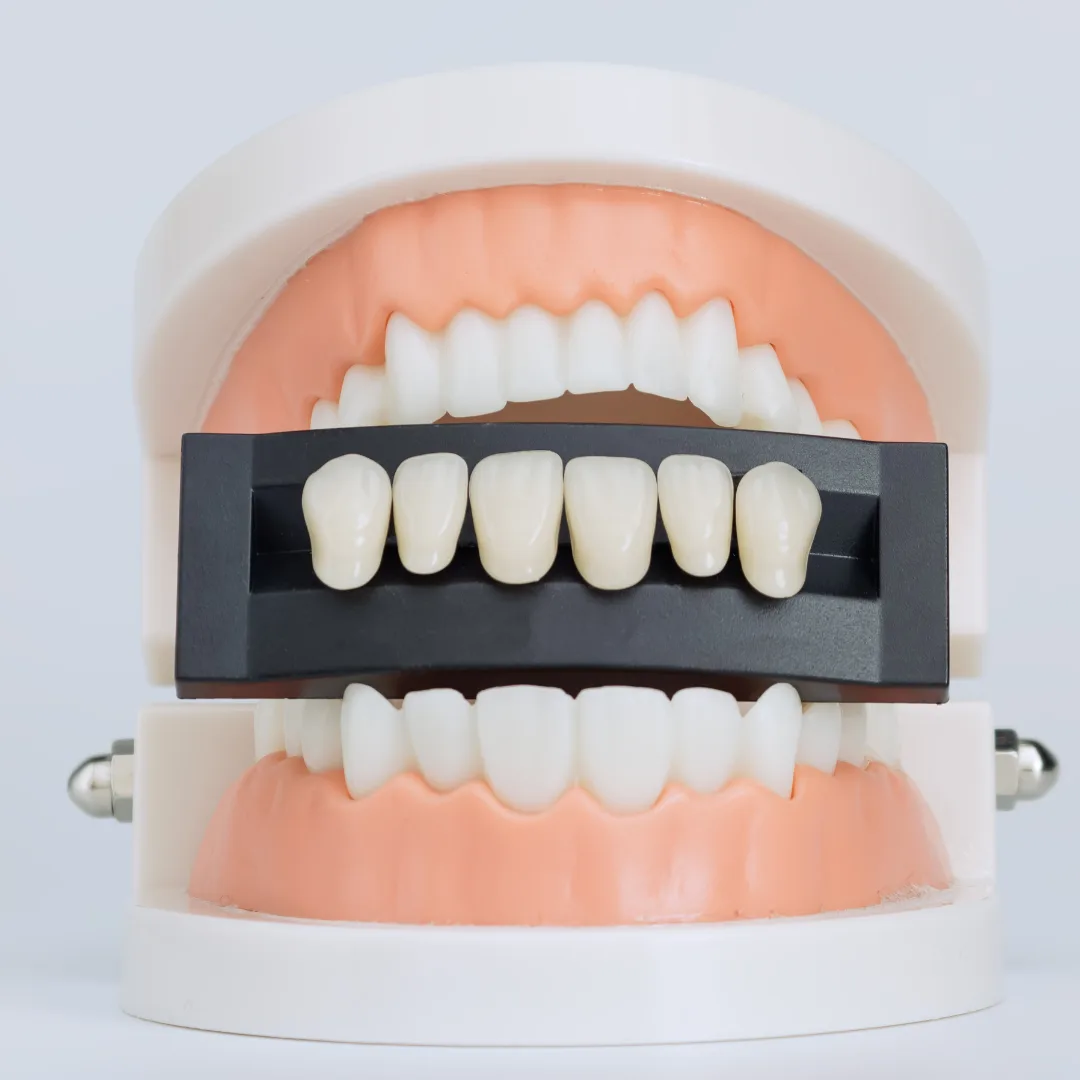
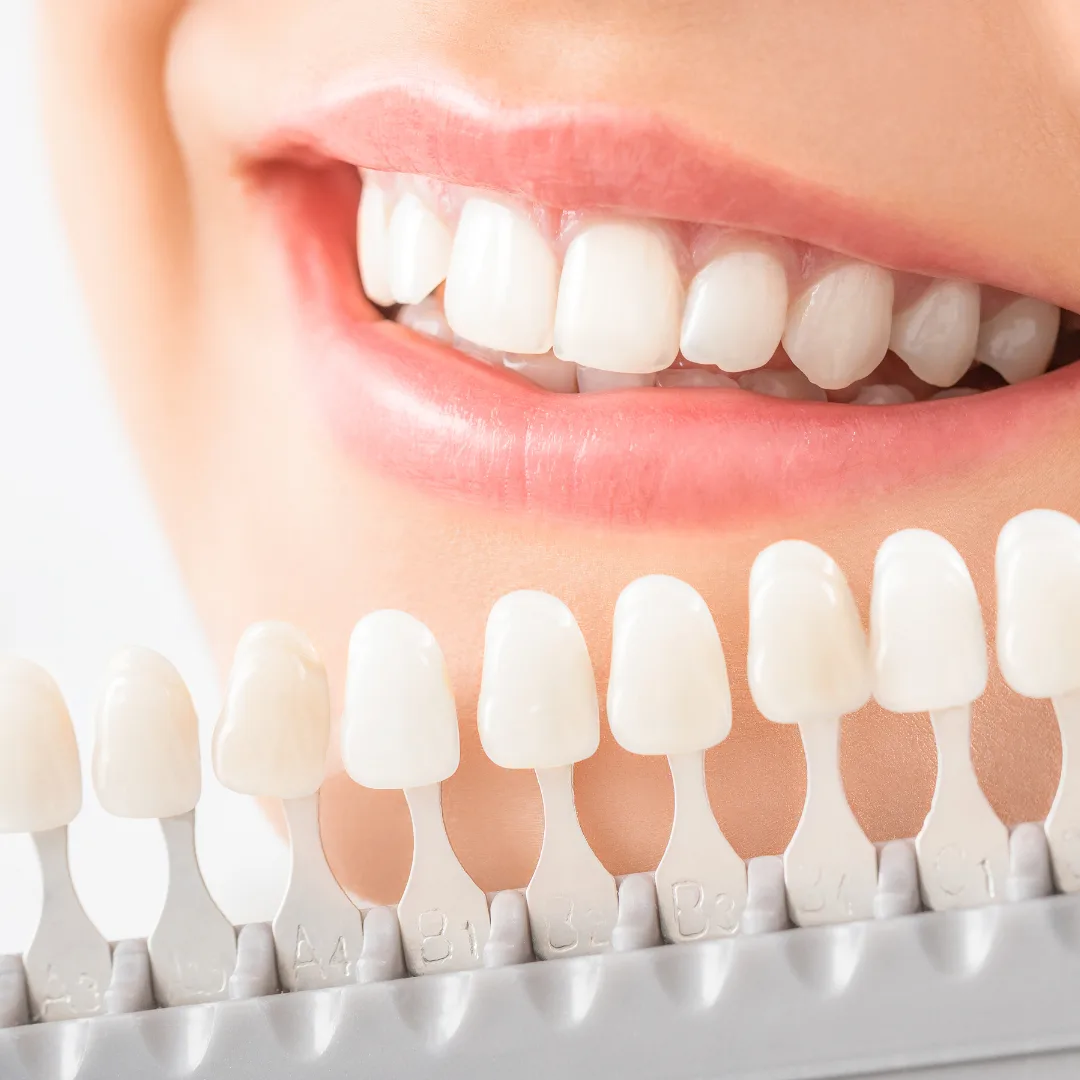
Veneers cover the front surface of selected teeth to change shape, color, or proportion. They may be made from porcelain or composite resin.
Veneers are a cosmetic option for suitable teeth, but placement can involve irreversible enamel removal and future maintenance. They should be considered alongside more conservative alternatives.
A veneer covers the front surface of a tooth rather than surrounding it like a crown. Porcelain and composite designs differ in fabrication and maintenance. The aim is a selected change in color, contour, or proportion. Veneers do not move roots into a new position and should not substitute for treatment of active decay or gum disease.
Why Veneers May Be Considered
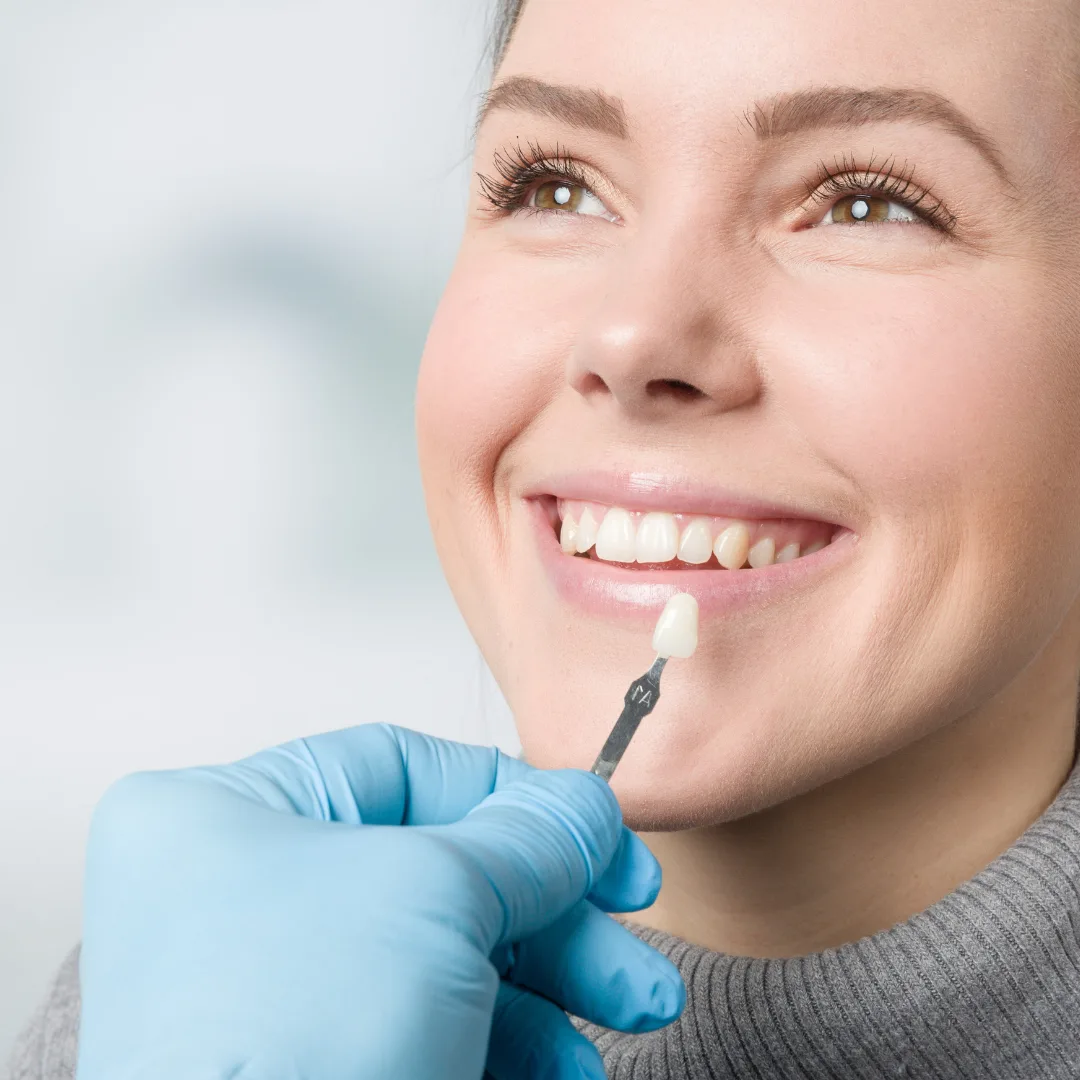
Persistent discoloration, small chips, uneven edges, or certain shape differences may be addressed with veneers. The aim is a design that works with your smile and bite. Veneers do not replace treatment for active decay or gum disease and are not a solution for every crack or severely misaligned tooth.
Veneers may mask a stain or reshape a tooth when a less invasive option cannot achieve the agreed goal. However, the same visible concern may also suit whitening, bonding, or orthodontics. A cracked or extensively restored tooth can need a different design. Discuss how much healthy enamel each option would preserve before choosing a surface restoration.
- A localized shape concern that cannot be resolved by polishing.
- An undersized tooth needing discussion of additive and restorative options.
- Discoloration that remains after assessment of less invasive approaches.
Who May Be a Candidate
We assess enamel, tooth structure, gum health, and bite forces before recommending veneers. Grinding or clenching can affect fracture risk and may need management.
Let us know about sensitivity and previous restorations. Suitability is based on the individual teeth rather than a desire to cover every visible tooth.
The dentist assesses enamel, existing fillings, gum health, and forces from the bite. Clenching and grinding can increase the risk of damage. Teeth with limited sound structure or a difficult bite may not suit the proposed design. Tell the dentist about previous chips, sensitivity, or protective appliances so these issues inform the plan from the start.
- Discuss previous fractures before selecting an extended veneer edge.
- Identify large fillings that reduce available natural bonding surfaces.
- Explain whether you already use an appliance for grinding.
Timing and Design Decisions
Planning comes before preparation. Whitening or orthodontic movement may be considered first so fewer teeth need irreversible changes.
Porcelain veneers generally involve a fabrication stage; composite approaches may follow a different sequence. We discuss the likely appointments, temporary restorations when needed, and how design choices will be reviewed.
Shade and shape choices should come before final fabrication. Planned whitening of surrounding teeth may affect those decisions. Some cases need a trial stage or temporary veneers, while others follow a different sequence. Ask whether tooth preparation is required and understand that removed enamel does not grow back. Future replacement can become part of the long-term commitment.
The Evaluation Process
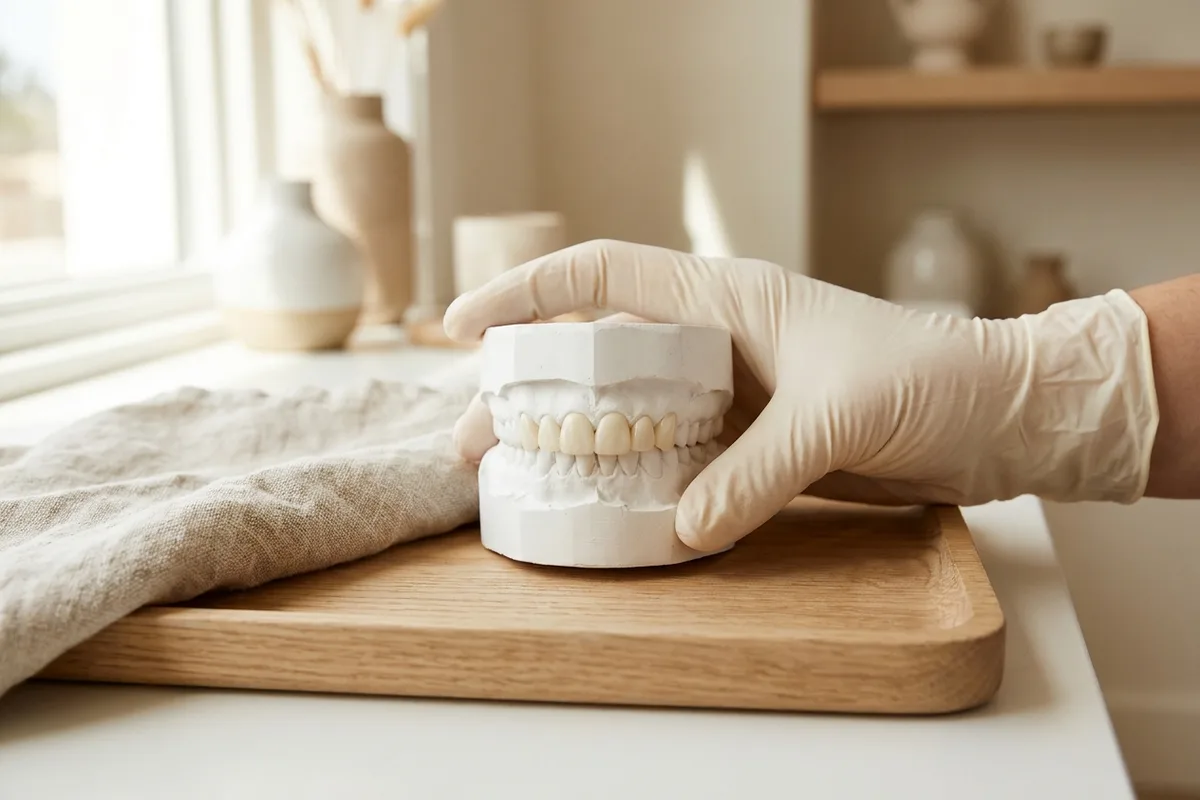
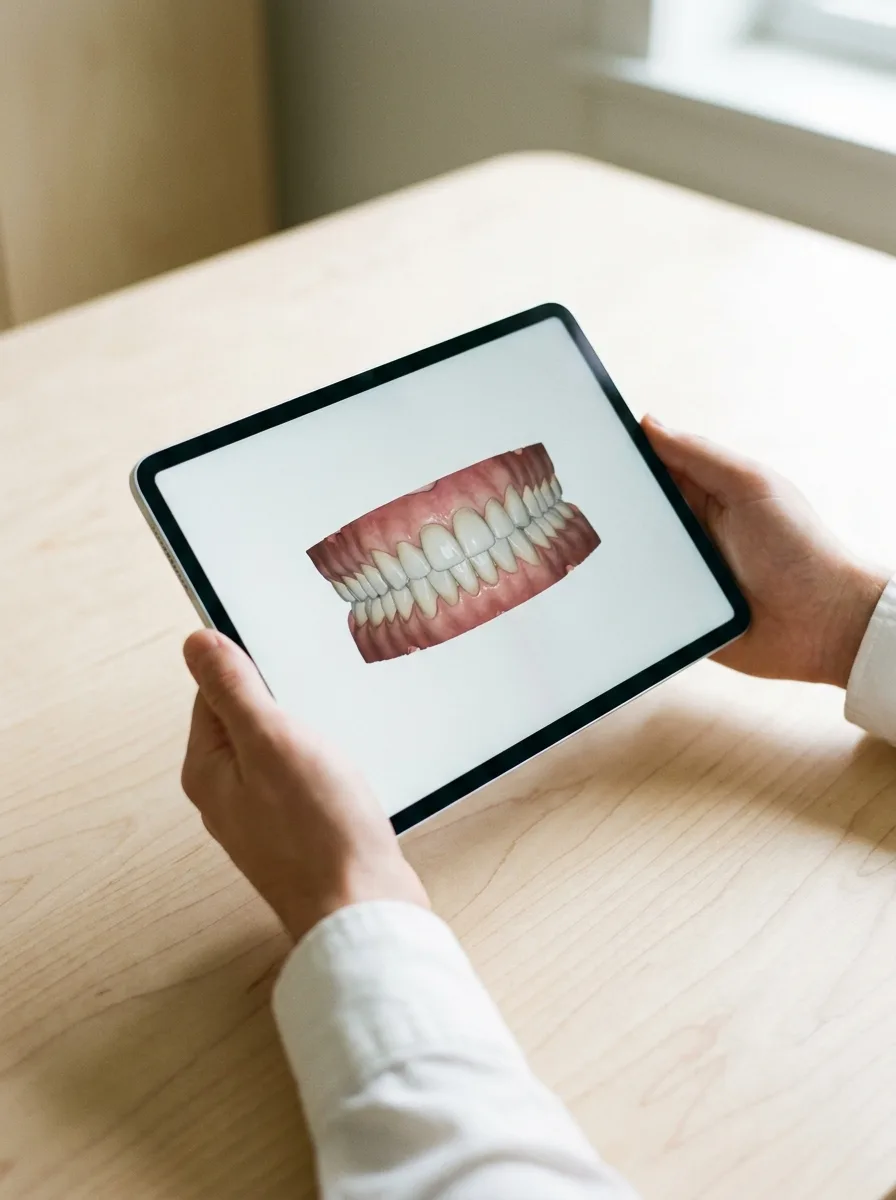
We examine your teeth and gums, assess the bite, and use photographs, scans, and appropriate imaging to guide planning. Smile design or a trial can help discuss proportions and expectations. We explain preparation needs, limitations, and alternatives, including what could happen if a veneer later chips or needs replacement.
Photographs, scans, tooth measurements, and bite assessment can help the dentist discuss proportions and function. A preview may show a possible direction without guaranteeing the final result. Ask how the proposed edges affect speech and chewing and how the margins will be cleaned. Gum stability also matters when choosing the position and appearance of the final restoration.
Before planning veneers, Dr. Li assesses joint stability and jaw movement. Joint concerns that need attention come before elective changes to tooth shape or bite contacts. MODJAW records may add information to this assessment.
- Review proposed preparation before any enamel is irreversibly removed.
- Check the intended margin position against stable gum tissues.
- Discuss how trial shapes affect speech and opposing tooth contacts.
Veneer Options and Placement
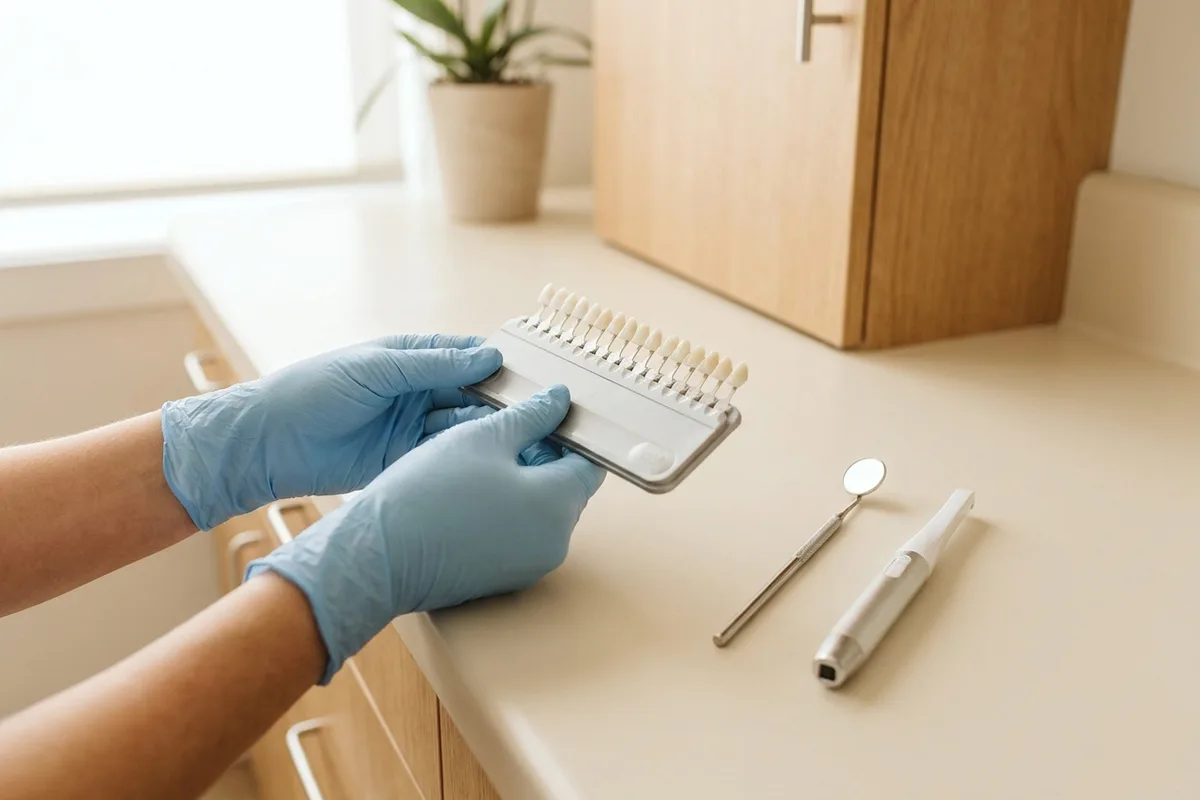
Porcelain veneers are custom fabricated, while composite resin can be shaped and bonded directly in suitable cases. Both have tradeoffs in appearance, repair, preparation, and durability. The chosen veneers are checked for fit and bite before final placement, with the shade coordinated to the surrounding teeth and any planned whitening.
Porcelain veneers usually involve records for fabrication and a later fitting and bonding stage. Composite can be shaped directly in selected cases. At fitting, the dentist checks appearance, margins, and bite. Materials differ in repair options and resistance to wear or staining. You should understand these differences along with the possibility of sensitivity, debonding, or fracture.
Aftercare and Maintenance
Brush, clean between teeth, and keep regular dental visits. Avoid biting hard objects and use a protective appliance if recommended for your situation.
Veneers can chip, loosen, or need replacement, and the tooth beneath can still develop decay. Report persistent sensitivity or bite discomfort so it can be assessed.
Clean at the gumline and between teeth because the natural tooth around a veneer remains vulnerable to decay. Avoid using teeth to open packaging or bite hard objects. A high bite, looseness, or a chipped edge needs review. A protective appliance may be appropriate for some patients, but does not guarantee that a veneer will never break.
- Ask which cleaning products suit the chosen restorative material.
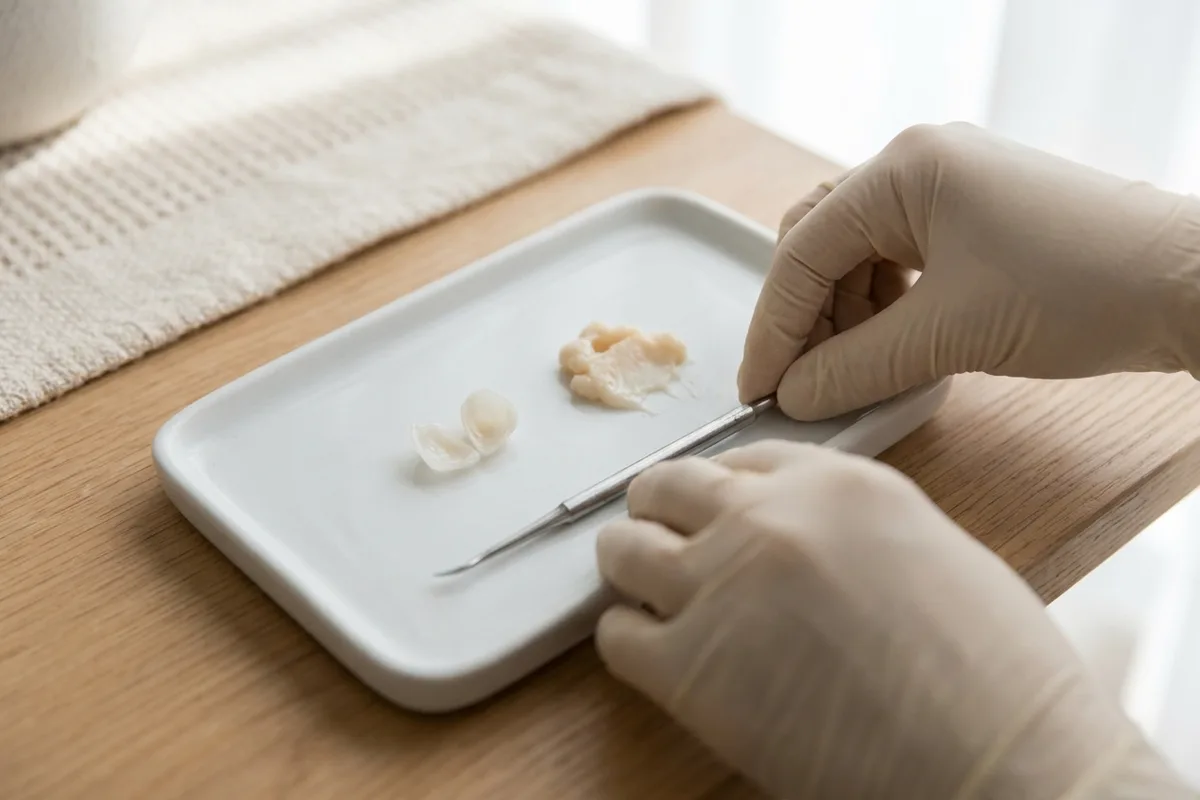
- Bring a loose veneer safely to the dental appointment.
- Report a new edge contact that feels uncomfortable during chewing.
Your Veneer Planning and Placement
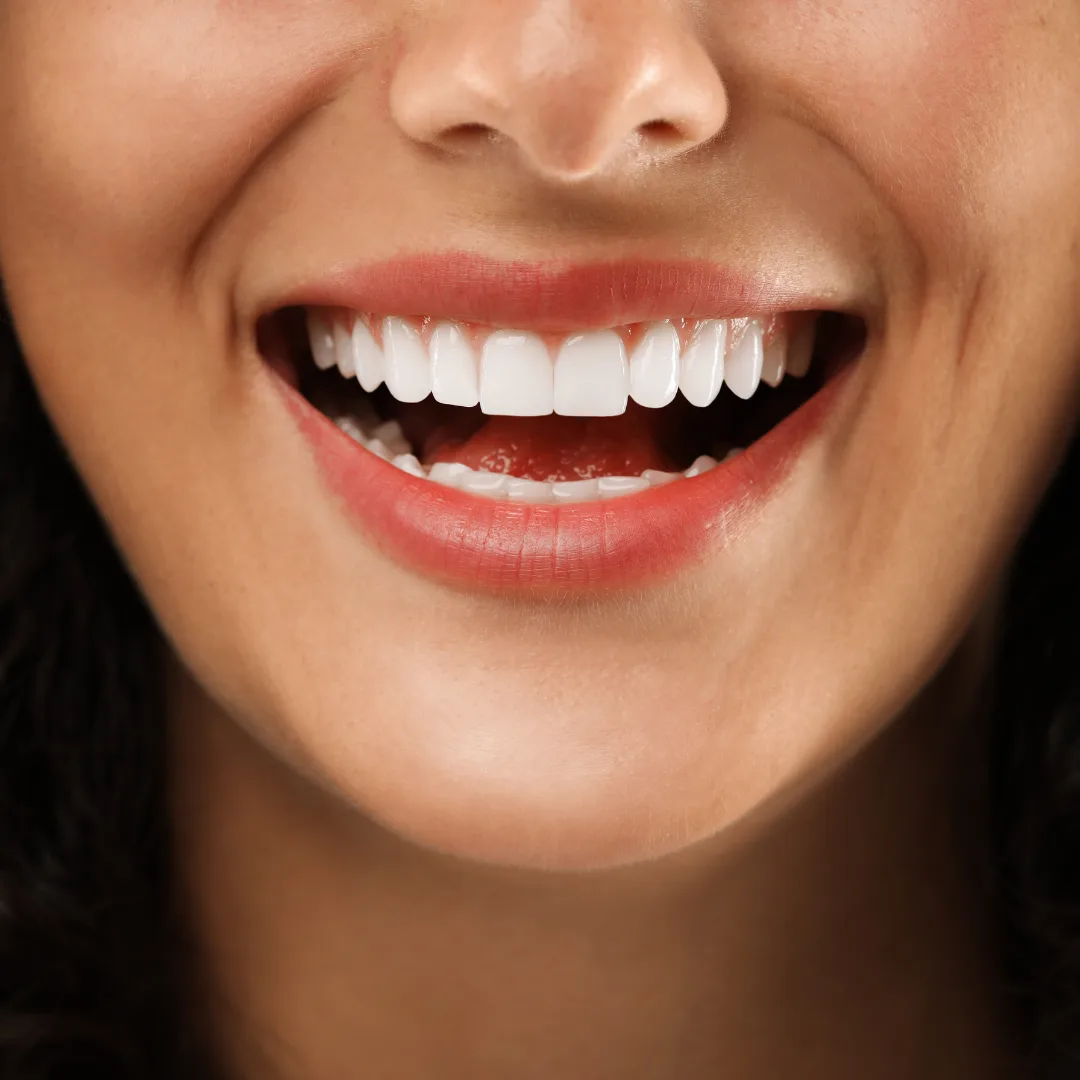
Material choice and preparation needs affect the sequence. Trial stages, fabrication, and fitting may involve separate appointments before final bonding.
- 1
Assess enamel and design options
The dentist reviews teeth, gums, bite, and your preferences, then compares veneers with suitable conservative alternatives and explains any irreversible preparation.
- 2
Prepare and create the veneers
The agreed design guides preparation and records for porcelain fabrication or direct composite shaping. Temporary protection is discussed when needed.
- 3
Fit and review the finished surfaces
The clinician checks appearance, margins, contacts, and bite. You receive advice on cleaning, protection, and reporting looseness or persistent sensitivity.
Services
Other treatments we offer

Get Your Free Consultation
A smile design PROMO for teeth Exam/Xray/dental-facial analysis with smile design

Questions, answered
About us
Why patients choose Nova Dental Studio
At Nova Dental Studio in Irvine, Dr. Nova Li addresses your immediate concern first. Before broader treatment planning, she assesses joint stability, muscle function, and jaw movement to decide the sequence of care.
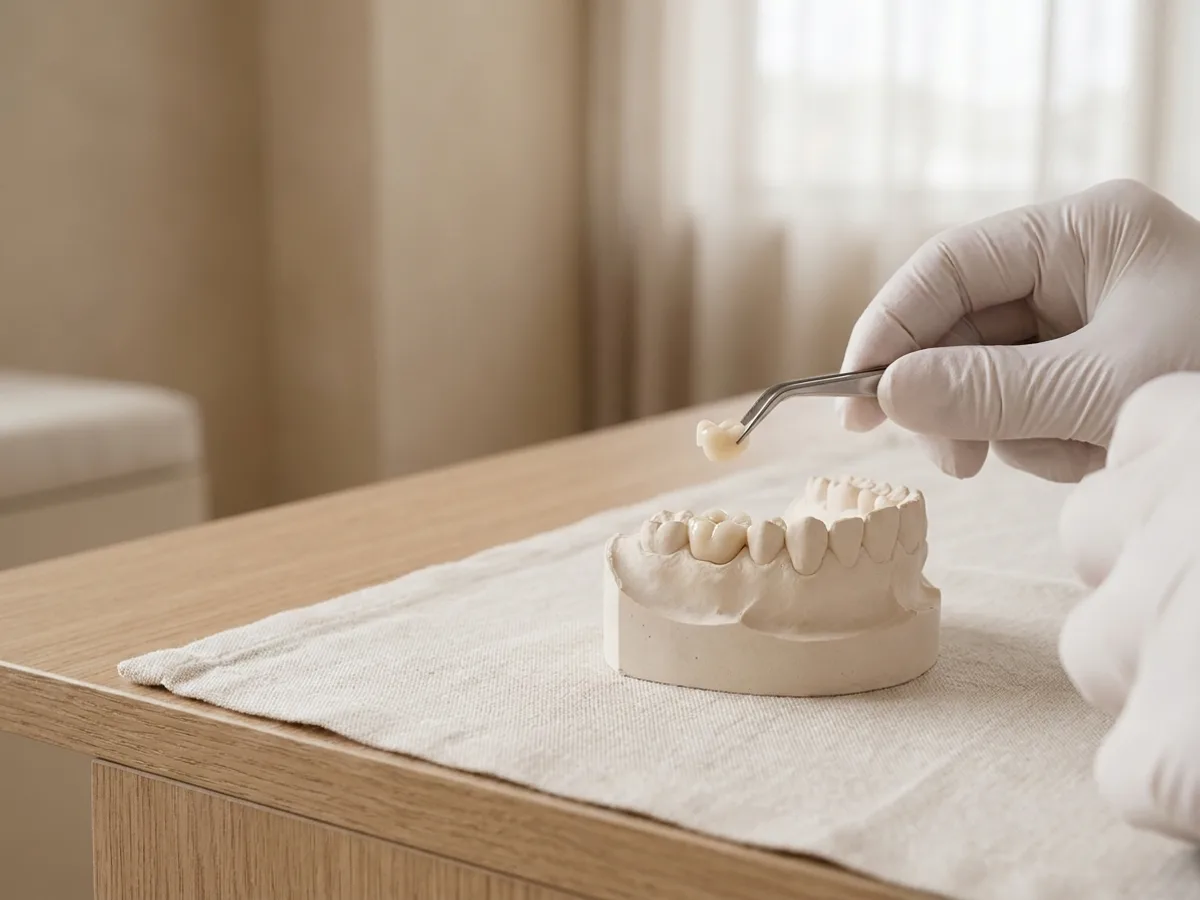
Preserve what is healthy
We consider conservative options and the reasons behind damage before recommending how to repair a tooth.
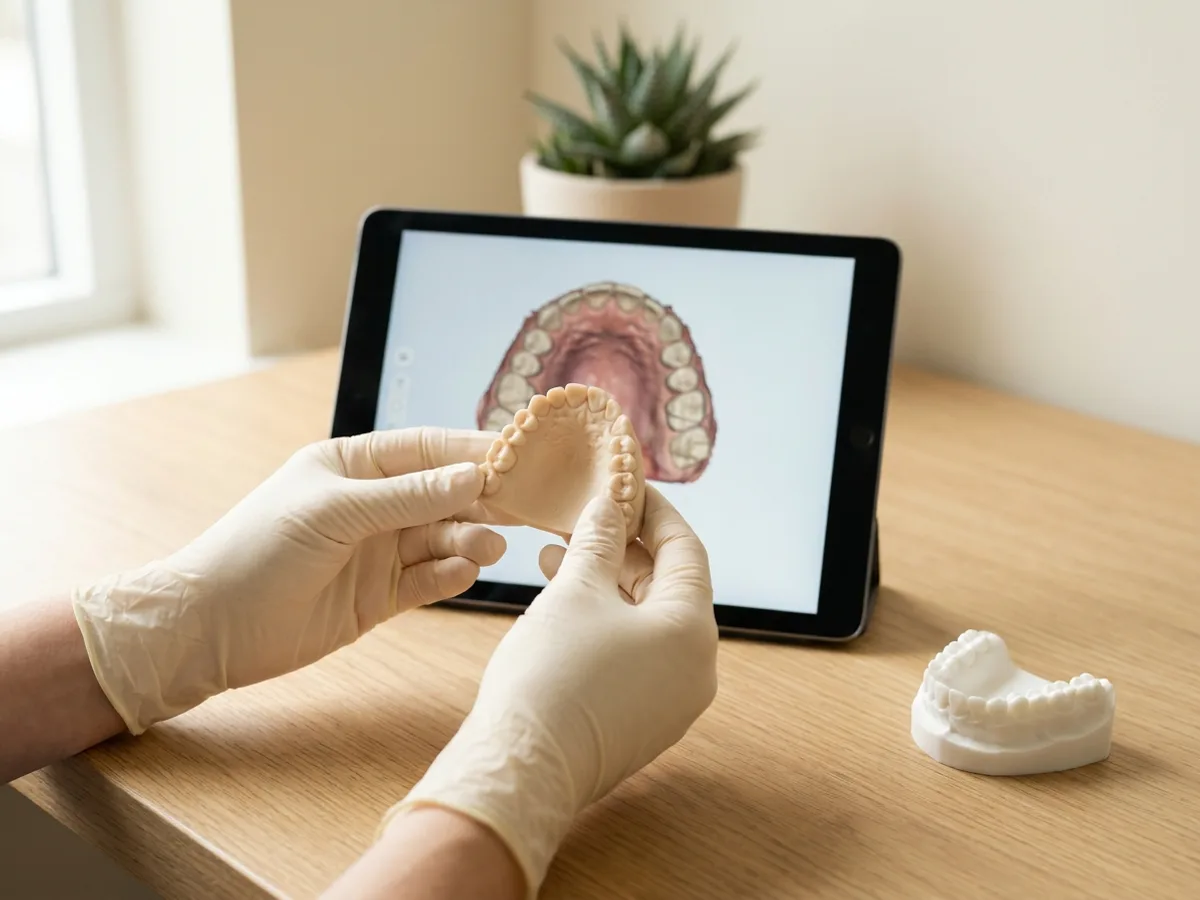
Joint stability first
Dr. Li assesses joint stability and jaw movement before broader restorative, cosmetic, or Invisalign planning. Joint concerns that need care guide what comes first.
Start with your concerns
We explain the immediate priority, the wider picture, and the options that fit your goals.
Nova Dental Studio Proudly Holds Active Memberships





Visit us
We're waiting for you in Irvine
Find our office on the third floor right next to the elevators!
113 Waterworks Way Ste. 335
Irvine, CA 92618
- Mon–Fri
- 9:00AM – 5:00PM
- Sat–Sun
- Closed