
Service
Natural White Fillings in Irvine, CA
Tooth-colored repairs that address decay or damage while considering the cause and preserving sound tooth structure.
What You Need to Know
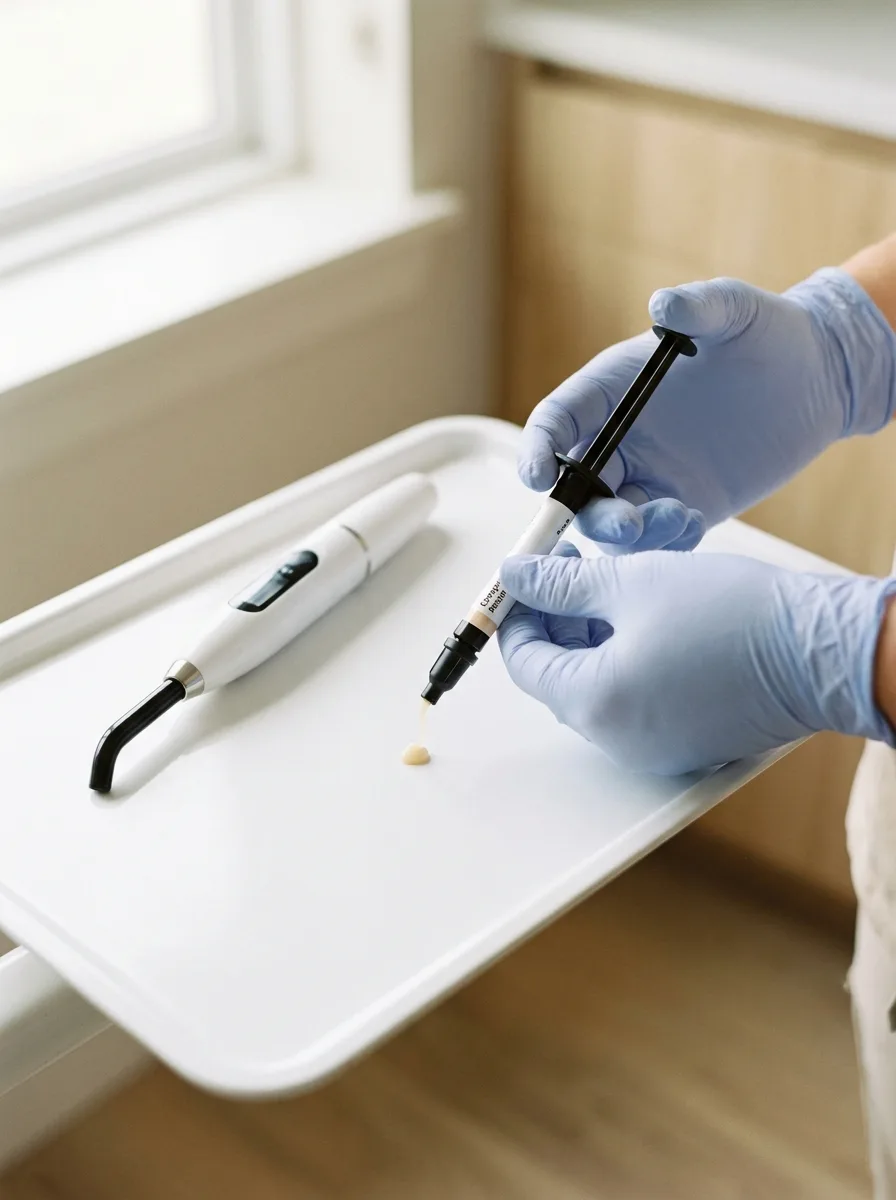
Tooth-colored fillings use a restorative material, commonly composite resin, to repair suitable areas of decay or damage. The shade is chosen to blend with the surrounding tooth. A filling restores the affected area while preserving healthy structure where possible; it does not eliminate the need for ongoing prevention.
Composite resin bonds to prepared tooth surfaces and can restore selected cavities or small fractures. It replaces missing structure rather than rebuilding an entire weakened tooth. Shade, shape, and contact with neighboring teeth all matter. The dentist chooses the design according to the cavity and bite, not simply the wish for a white material.

Why a Filling May Be Needed
Decay creates damage that cannot always be reversed with home care alone. Small chips or worn areas may also need repair.
A direct filling can be a conservative option when enough tooth structure remains. Larger defects or cracks may require an inlay, onlay, crown, or a different treatment.
A cavity can enlarge beneath a surface that looks relatively small. Repair aims to remove damaged tissue and restore a cleanable, functional shape. Prevention remains necessary because a filling does not change the conditions that caused decay. The team can help identify repeated sugar exposure, dry mouth, or difficult cleaning areas that increase the chance of another cavity.
- A new cavity at the edge of an older restoration.
- A small chipped area that creates a plaque-retaining defect.
- A lost filling that leaves food collecting in the tooth.
Symptoms and Changes to Mention
Sensitivity, food catching, a rough edge, or a broken old filling should be checked. Some cavities are painless, so examination and imaging may reveal a problem before symptoms appear. A dark area is not always decay, and pain does not tell us by itself how large a restoration needs to be.
Small or moderate defects may suit composite, while a tooth with weak cusps or extensive damage may need broader coverage. Pain can also indicate a problem with the pulp rather than only the surface. Tell the dentist about lingering temperature pain, spontaneous toothache, or discomfort on biting so the assessment includes the tooth's internal health.
- Mention pain that continues after a cold drink ends.
- Identify a tooth that hurts only with particular biting pressure.
- Explain any difficulty keeping the planned repair area comfortable.
When to Treat a Cavity
The timing depends on depth, symptoms, and the risk of further damage. Treating an appropriate lesion before it progresses may avoid more extensive care.
Very early mineral changes may be managed preventively, while deeper decay can involve the nerve. We explain whether monitoring or a restoration is recommended.
The urgency of a repair depends on the depth and activity of decay, the strength of the tooth, and your symptoms. Some early enamel changes can be monitored with preventive care. An established hole usually needs a different approach. Ask what the dentist expects if you postpone a recommended restoration and what changes should prompt earlier contact.
The Evaluation Process
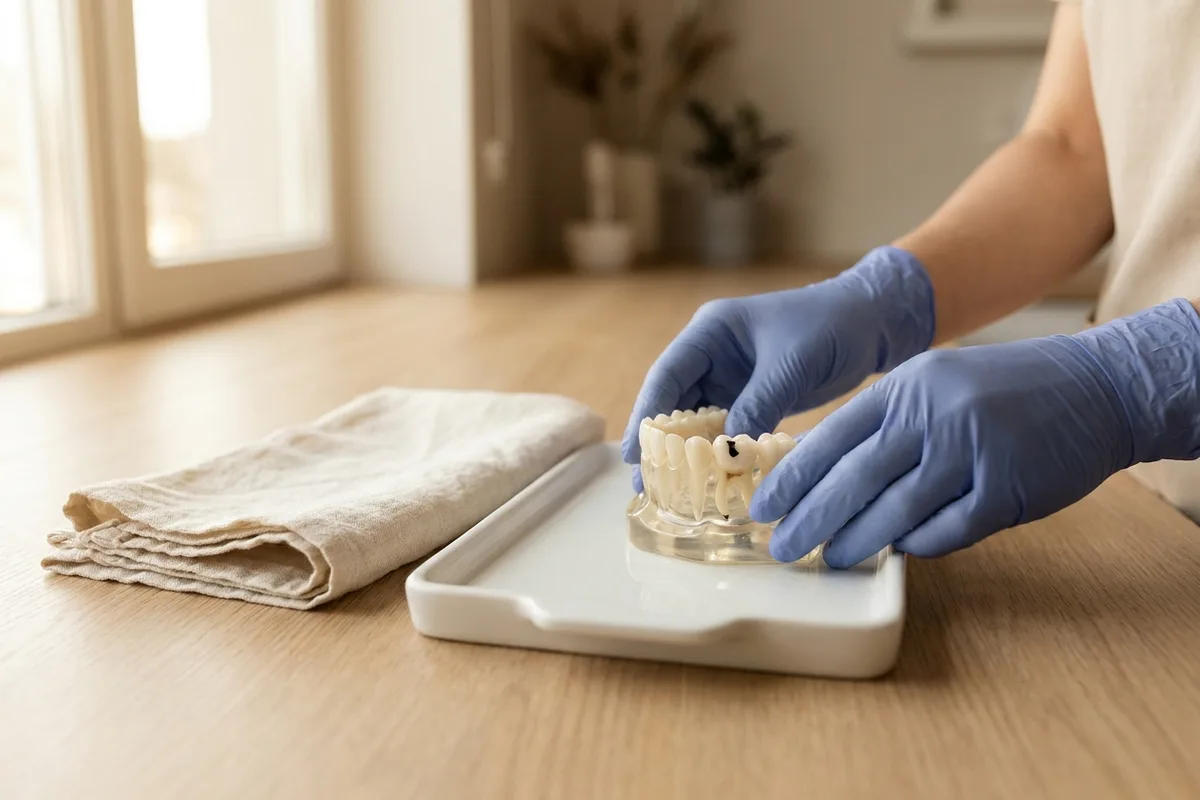
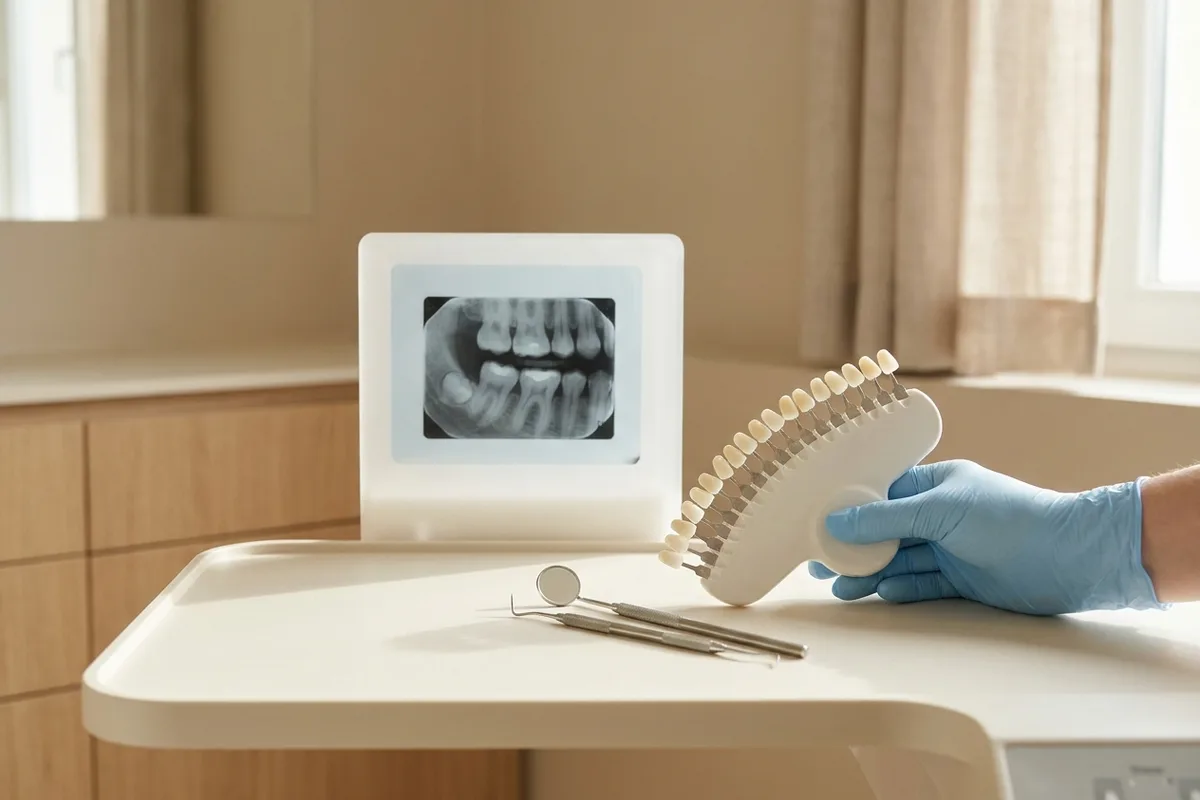
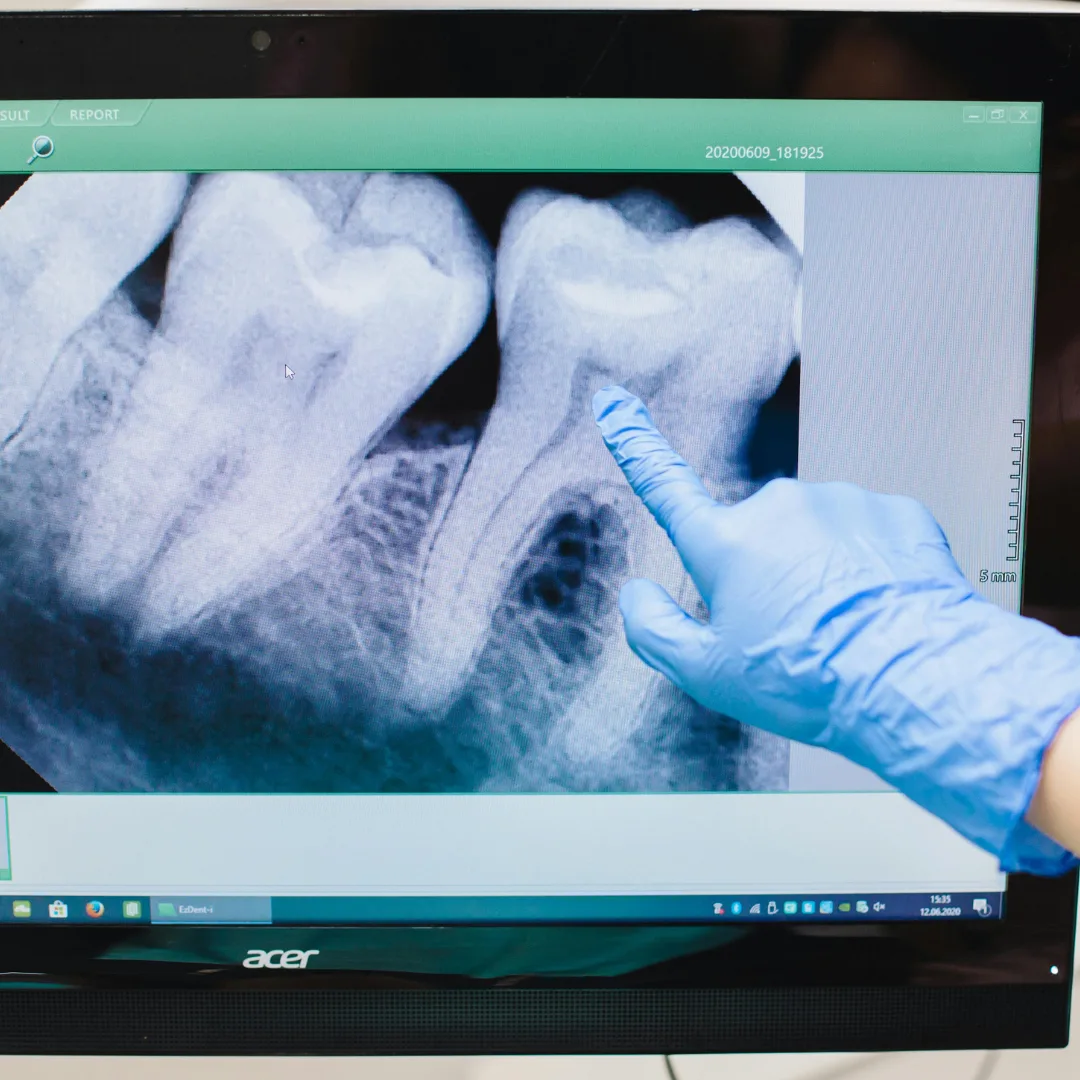
We examine the tooth, assess existing fillings and the bite, and use images when they help show the extent of decay. We also review your cavity risk and any sensitivity. The decision considers the amount of healthy structure, tooth location, and whether another type of restoration would be more suitable.
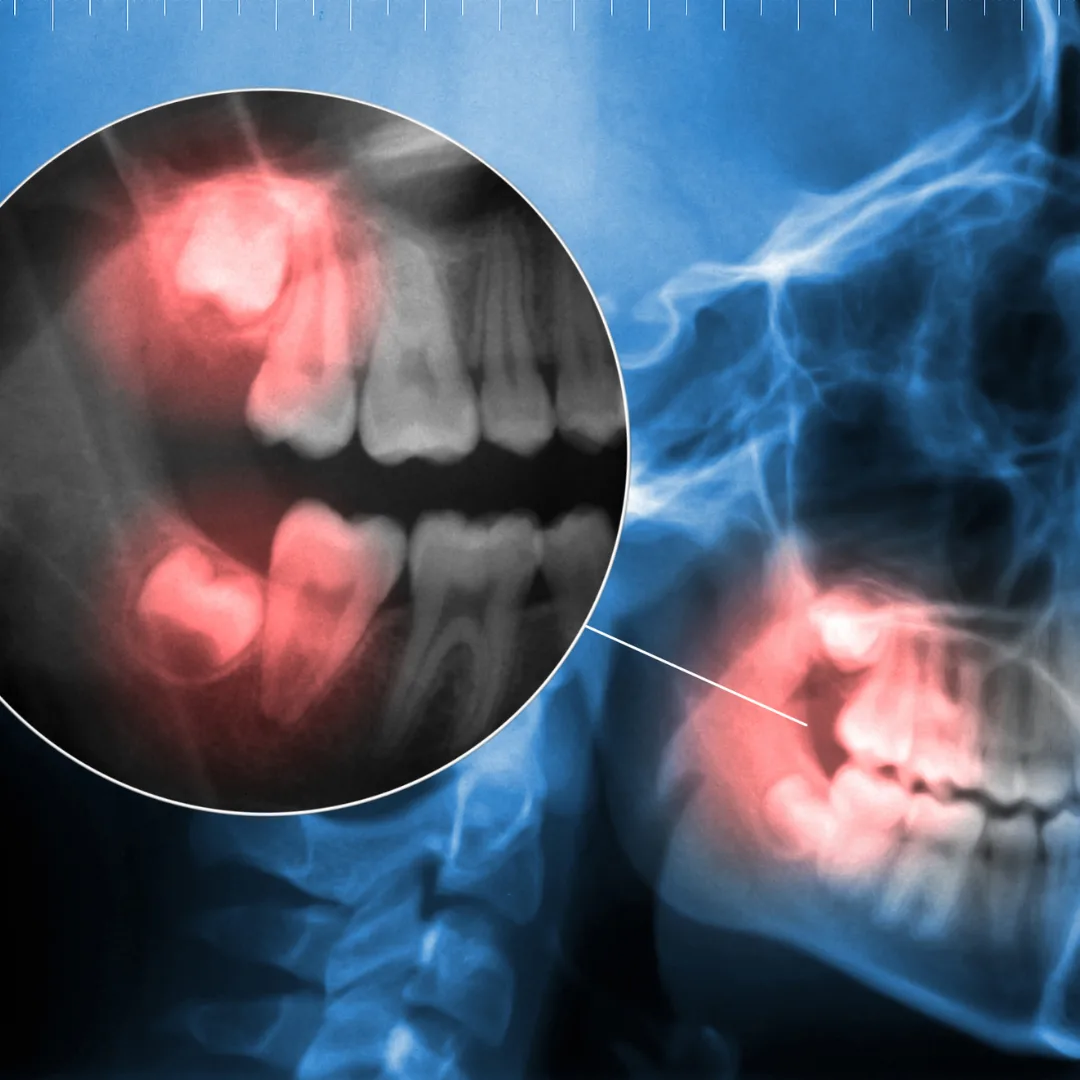
The dentist checks the cavity or old filling, surrounding tooth structure, and bite. Radiographs may show decay between teeth or beneath an existing restoration. The final extent of a repair can become clearer after damaged material is removed. If a deeper problem appears, the clinician should explain why additional treatment or a different restoration is needed.
If a repair forms part of a broader restorative plan, Dr. Li assesses joint stability and jaw movement before setting that plan’s sequence. Immediate tooth care remains the first priority.
- Check whether the neighboring tooth contact needs careful reconstruction.
- Assess remaining cusp strength before choosing a direct repair.
- Discuss findings that could change the plan after decay removal.
What Placement Involves
When needed, local anesthesia helps keep the area comfortable. Decay or damaged material is removed, the tooth is prepared, and the tooth-colored material is placed and hardened.
We shape and polish the restoration and check how your teeth meet. The final shade and appearance depend on the individual tooth.
The tooth needs moisture control so the bonding system can work as intended. The clinician places and hardens the material, then shapes and polishes the restoration. Checking the bite and the contact between teeth helps prevent pressure points and food trapping. Tell the dentist if the repaired tooth feels taller than its neighbors when you close.
Caring for Your Filling
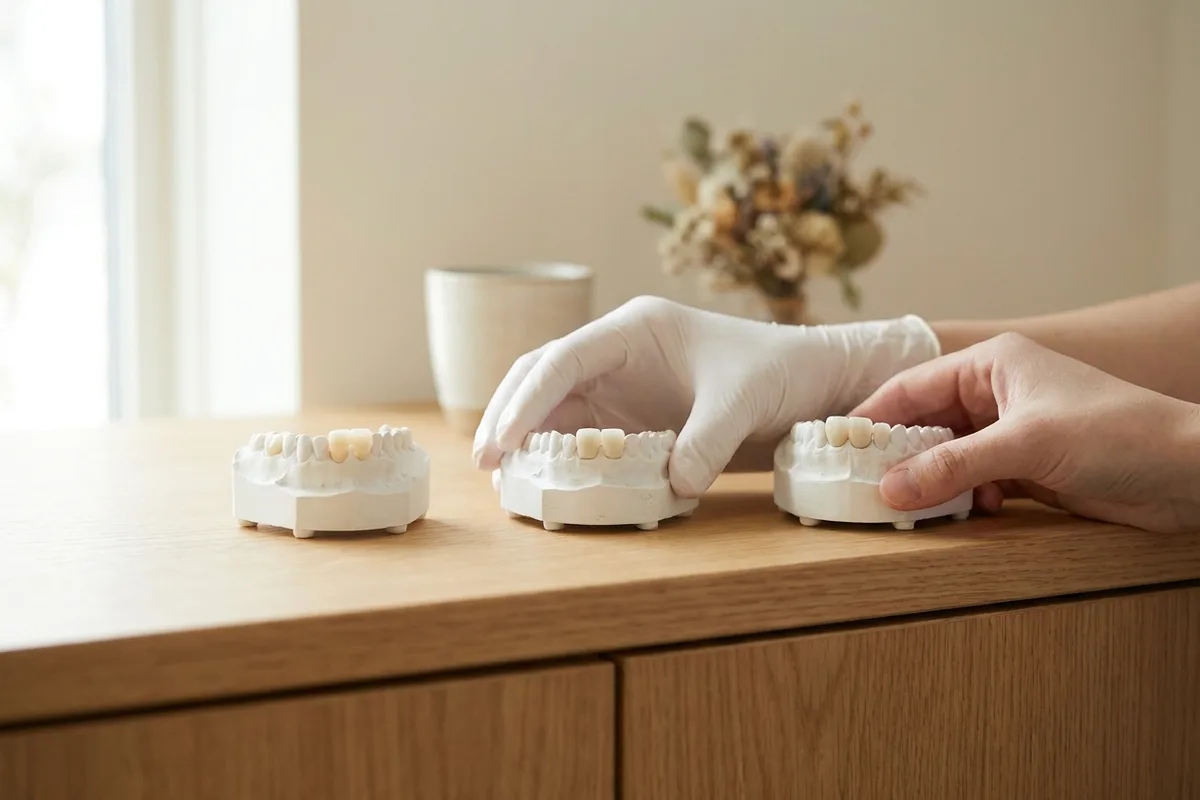
Temporary sensitivity can occur, but a persistently high bite or worsening pain should be reported. Brush with fluoride toothpaste and clean between teeth to protect the restoration margins.
Avoid biting hard objects. Fillings can wear, chip, or develop decay nearby, so regular examinations remain part of maintaining the repair.
Temporary sensitivity may occur after a filling, but symptoms should be reviewed if they persist or worsen. Avoid chewing on a numb lip or cheek until anesthesia wears off. Continue cleaning at the filling edges. A chipped filling, a lost contact, or new pain needs assessment because a restoration can wear or fail over time.
- Wait for numbness to resolve before chewing near the repair.
- Report a contact that traps food after the filling.
- Ask for review if the restored tooth feels too high.

Your Tooth-Colored Filling Stages
The depth of damage and remaining structure guide the repair. Unexpected findings can require another discussion before treatment continues.
- 1
Identify the defect and symptoms
The dentist examines the damaged surface and tooth health, using imaging or other tests when they help distinguish a straightforward repair from deeper treatment.
- 2
Bond and shape the repair
The clinician removes damaged material as appropriate, controls moisture, places the selected restorative material, and shapes its surface and contacts.
- 3
Check bite and settling symptoms
The restoration is polished and the bite checked. You receive advice about cleaning and reporting persistent sensitivity or discomfort on chewing.
Services
Other treatments we offer
Make your Nova smile a reality.
Join our family of happy, healthy smiles today and experience the Nova Smile difference!
Questions, answered
About us
Why patients choose Nova Dental Studio
At Nova Dental Studio in Irvine, Dr. Nova Li addresses your immediate concern first. Before broader treatment planning, she assesses joint stability, muscle function, and jaw movement to decide the sequence of care.
Preserve what is healthy
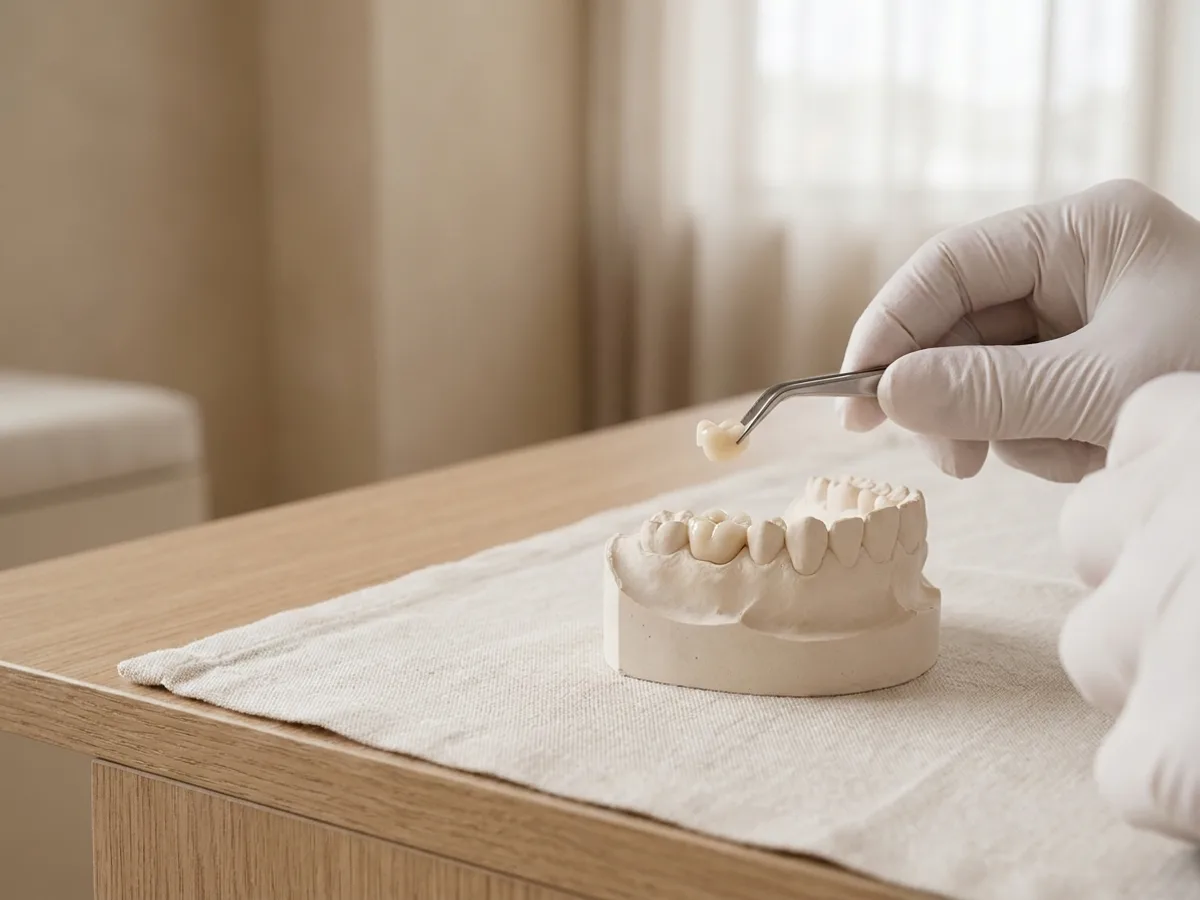
We consider conservative options and the reasons behind damage before recommending how to repair a tooth.
Joint stability first
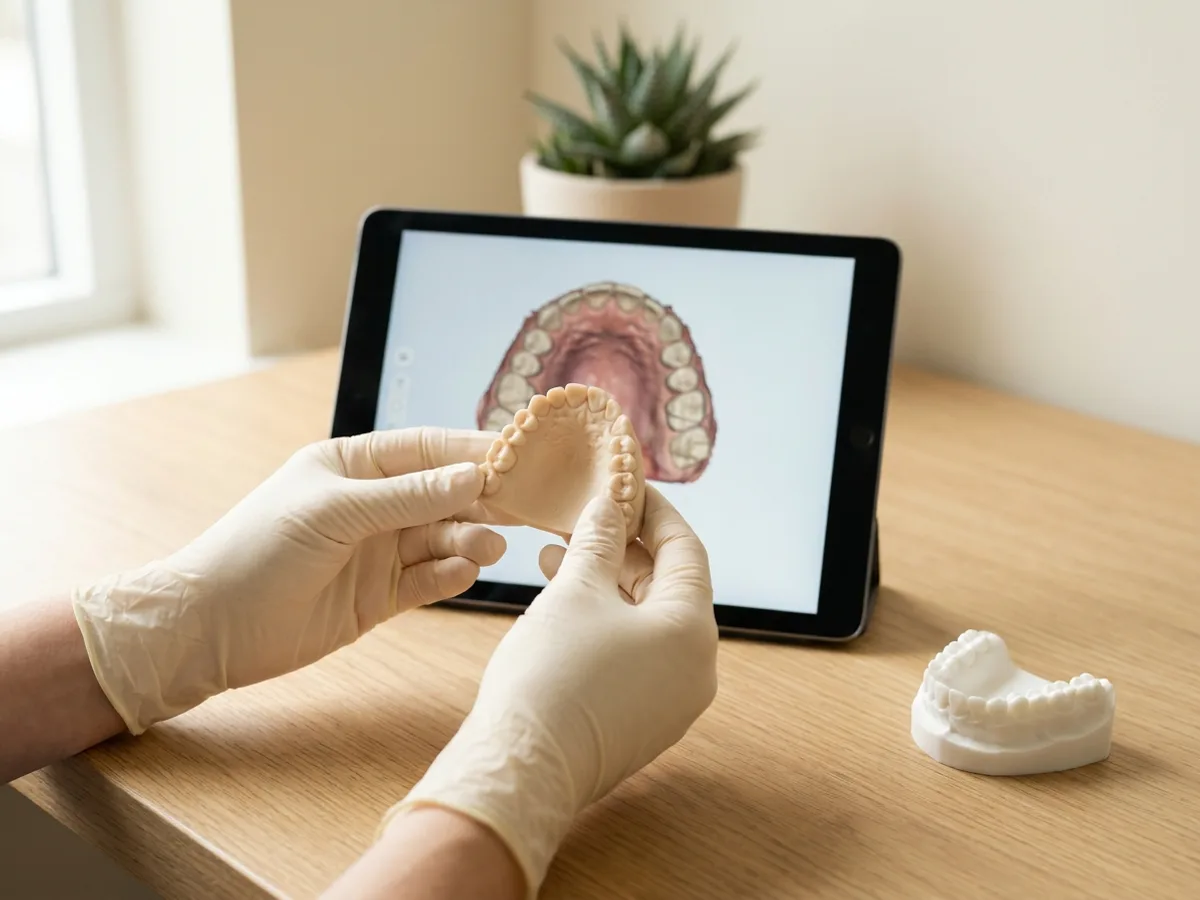
Dr. Li assesses joint stability and jaw movement before broader restorative, cosmetic, or Invisalign planning. Joint concerns that need care guide what comes first.

Start with your concerns
We explain the immediate priority, the wider picture, and the options that fit your goals.
Nova Dental Studio Proudly Holds Active Memberships








Visit us
We're waiting for you in Irvine
Find our office on the third floor right next to the elevators!
113 Waterworks Way Ste. 335
Irvine, CA 92618
- Mon–Fri
- 9:00AM – 5:00PM
- Sat–Sun
- Closed